
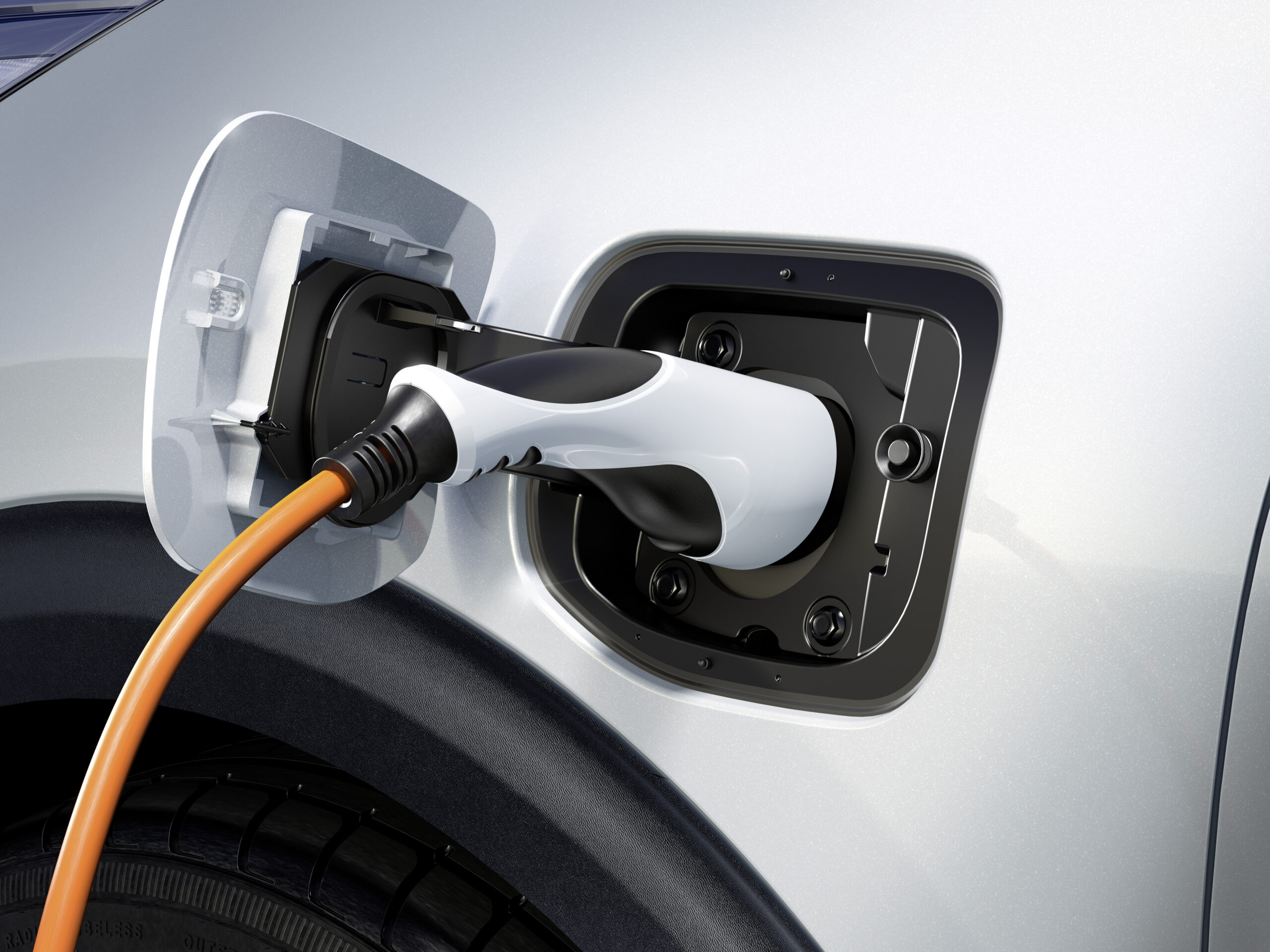
The Kia EV6 suffers from significant winter problems. Battery capacity can drop by up to 30 per cent at low temperatures. The heating fails in extreme cold. These wintry challenges not only drastically limit the driving range, but can also lead to poor demisting and severely delayed charging times. Which concrete solutions help you as an owner to prevent these problems?
Why the Kia EV6 struggles in frost
The Kia EV6 loses a lot of performance at low temperatures. Batteries lose voltage in frost. As a result, the available energy becomes limited. At temperatures around -8 degrees Celsius the heating can even cut out completely. In winter, charging speeds can drop to just 53 kilowatts, a fraction of the optimum performance under ideal conditions.
The problem is made worse by the drivetrain and interior heating system. Both require energy. This combination leads to noticeable range loss. In addition, owners struggle with poor demisting, which can put road safety at risk.
‘ In extreme cases, preconditioning cuts charging times by up to 50 per cent. ’
How preconditioning prevents battery problems
Kia has developed a targeted solution: battery preconditioning. This system heats the battery before charging starts, which significantly improves charging performance. Enter a fast charger as your destination in the navigation system. The system automatically detects whether the battery temperature is below 21 degrees Celsius.
If this is the case, the vehicle activates the battery heater while driving. This preparation ensures that the battery arrives at the charging point at the optimum temperature. In extreme cases, preconditioning cuts charging times by up to 50 per cent. The EV6 can then be charged from 10 to 80 per cent in about 18 minutes, even in winter conditions.
The system automatically switches off the preheating as soon as the battery has reached the correct temperature. This prevents wasting energy.
Availability and installation of the upgrade
The preconditioning function is available immediately on new Kia EV6 models. This applies to the current model year. For existing owners, a Kia dealer will install the upgrade free of charge. The function is enabled via software updates, which means that a visit to the service workshop is necessary.
Users can activate the battery conditioning mode in several ways:
- Automatic activation via the navigation system when a fast charger is set as the destination
- Manual control via a switch in the vehicle
- Remote activation via the Kia Connect app. The mode is activated remotely. This takes about 30 minutes when the vehicle is parked.
The infotainment system indicates when the battery conditioning mode is active. The instrument cluster provides visual feedback via an indicator icon.
Tips to limit range loss on cold days
Battery conditioning consumes energy. That energy would otherwise be available for driving. You mainly weigh up this trade-off on longer winter journeys, when every per cent of battery capacity counts. Most owners, however, find that the time saved when charging justifies this energy investment.
Plan your journeys in advance so that you can make the best possible use of preconditioning. Set the fast charger as your destination in the navigation system well ahead of time. The heater needs about 30 minutes to bring the battery up to temperature. Set fast chargers in the navigation system. This way the automatic activation logic works more reliably than manual control.
Regular maintenance helps prevent winter problems. For longer winter journeys, it is important to check the battery once a month. Have the battery inspected. Make sure the climate control system is working optimally.
‘ This results in better range in winter conditions. ’
Kia’s broader thermal optimisation
Kia’s approach goes beyond heating alone. Electric models such as the e-Niro and e-Soul feature liquid cooling (a system in which liquid carries away excess heat) and automatic heating in the batteries. This creates a complete climate control system for the battery. As a result, the battery remains at optimum operating temperature all year round.
This technology, combined with heat pumps that help to heat the interior more efficiently, ensures that more of the available battery capacity can be used for propulsion instead of for climate control. This results in better range in winter conditions.
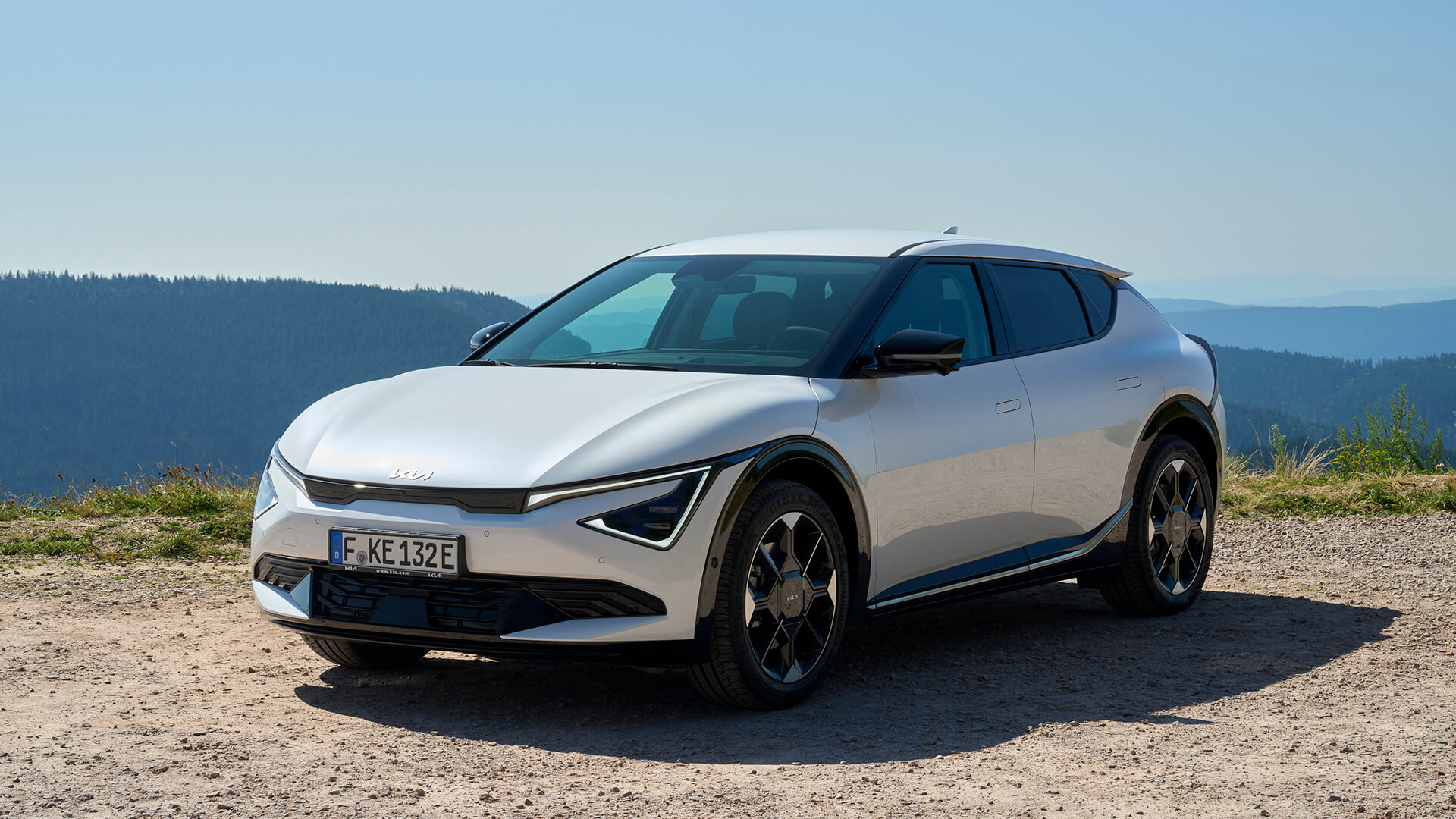
What to do if problems persist
Are you using preconditioning, but are the winter problems still continuing? Make an appointment with a Kia dealer to have the software updates checked. It is possible that the preconditioning function has not yet been installed correctly, or that there are other underlying issues with the battery management system.
Pay particular attention to these signals. Does the heating consistently fail at temperatures above -8 degrees Celsius? Or are you losing an extreme amount of range, more than the expected 30 per cent? These symptoms may indicate a fault in the battery’s thermal management system that requires professional diagnosis.
On the Carnews website you will find much more information about electric cars, winter car problems and maintenance advice. Discover more tips and facts to make optimal use of your electric driving experience.
Frequently asked questions
Cold weather reduces the effective battery capacity of the Kia EV6, which means that the total driving range in the winter months can drop by around 30%. In addition, without battery preheating, the charging speed at fast chargers sometimes drops to about 50 kW instead of the much higher peak values under ideal conditions. With the preconditioning function (battery preheating via navigation or app), the battery is preheated, which significantly increases the charging speed again in winter. This preheating does use extra energy, which can mean a small further reduction in driving range.
At very low temperatures, the heat pump of the Kia EV6 may struggle to supply enough heat, which reduces both interior heating performance and efficiency and increases energy consumption. For the battery, this means that without (timely) preconditioning it will not reach its optimal temperature, leading to lower charging speeds and reduced range. In addition, actively heating the battery uses extra energy from it, so the practical driving distance in winter can drop further. As a result, comfort (slower warming of the interior) and the user experience when fast charging in severe cold can clearly be worse.
Yes, Kia has made a battery preheating and preconditioning function available via a software update to improve the EV6’s winter performance. This update is fitted as standard on new model years and can be installed free of charge on existing EV6s by a Kia dealer. The function ensures that the battery is heated (for example, when a fast charger is set as the navigation destination), which improves charging speed and efficiency in the cold.
In practice, the preheating function of the Kia EV6 is mainly effective in greatly increasing the charging speed when the battery is cold, sometimes cutting charging time by as much as half compared with charging without preheating. The function brings the battery to an optimum temperature while driving or shortly before charging, so that almost the maximum fast-charging performance is achievable even in winter. This does use extra energy from the battery pack, which slightly reduces the immediately available battery capacity and thus the driving range. In practice, many users find that the time saved when charging and the more reliable charging speed on long journeys outweigh the limited loss of range.
Use battery preconditioning: set a fast charger as your destination in the navigation or via Kia Connect in good time, so that the battery is at temperature when you set off and when you charge, which helps limit battery degradation and charging losses. Whenever possible, leave the car plugged in while preheating the interior and battery, so that this energy comes from the grid instead of from the traction battery. Use the (optional) heat pump and prioritise seat and steering wheel heating over increasing the interior temperature, as these are much more efficient. Avoid regularly fast charging with an ice-cold battery by grouping shorter trips together or driving for a while before a DC charging session, so that the battery is not subjected to heavy loads in deep cold every time.