

The Kia Niro shows rust formation in specific areas. These spots deserve attention when buying a used example and during maintenance. Strut tower reinforcement, exhaust and subframe prove vulnerable to surface corrosion, while the detachable tow bar also develops play with intensive use as a bike carrier. Find out what to look out for and how to prevent these issues.
Where does rust form on the Kia Niro
The Kia Niro from the 2016–2022 generation shows light rust formation on older examples. This occurs in vulnerable spots. Corrosion mainly appears on cars used in damp conditions. Cars that are driven regularly in winter are also affected. Owners and mechanics report rust after around five to seven years of use. The rust becomes visible on vehicles with high mileage.
The most sensitive areas are on the underside of the car. The reinforcement of the rear strut tower often shows the first signs of corrosion during an inspection on a lift. This mainly concerns superficial rust that appears on early models. The exhaust and subframe also prove prone to rust formation. This rarely progresses to structural weakness.
The brake discs on many Kia Niro examples also suffer from rust. This is a frequent occurrence and causes squealing noises while braking. This is not a bodywork issue, but it is a point that requires maintenance. Rust on brake discs is caused by standing still and moisture. The car is not used intensively on a daily basis.
Typical rust spots in detail
During MOT inspections, Kia models are more frequently flagged for rust sensitivity on the chassis. This also applies to the Niro. This is partly due to less thorough chassis protection on Asian car brands. In this context, insulation means protection against moisture and salt. During an inspection, pay attention to the following points:
- Reinforcement of the rear strut tower: light surface corrosion visible during inspection on a lift
- Subframe: rust formation appears after five to seven years, particularly in damp climates
- Exhaust system: surface corrosion on parts that are exposed to road salt and moisture
- Brake discs: rust on the surface due to standing still and moisture. This is not a structural issue.
The bodywork itself is solidly built and rarely shows problems. The suspension and brakes are generally reliable. The chassis does require preventive attention. For used cars, it is wise to have these areas checked thoroughly before you decide to buy.
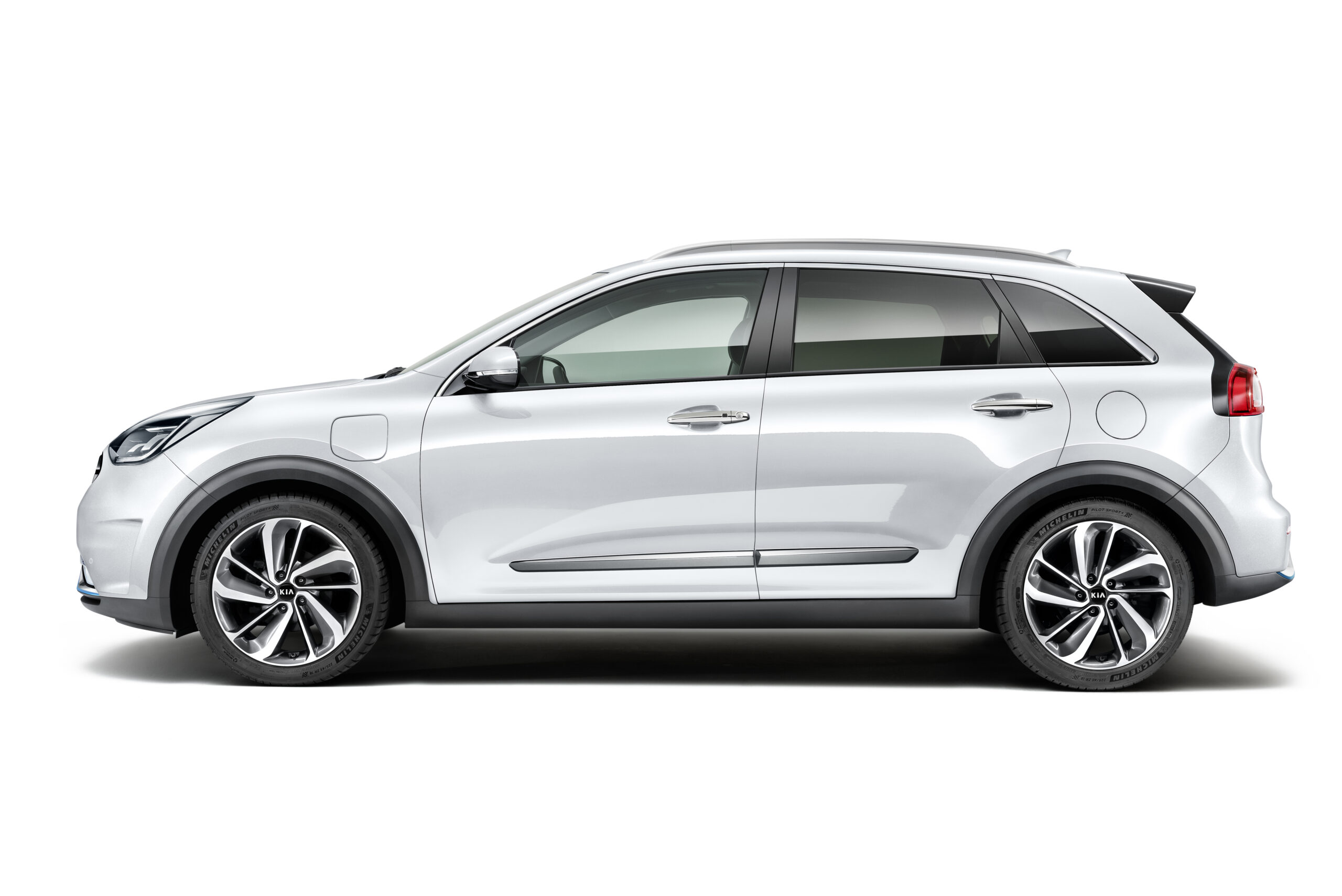
Reliability of the detachable tow bar
The detachable tow bar of the Kia Niro develops play with intensive use as a bike carrier. This issue mainly occurs with frequent mounting and removal. The play is noticeable as a wobbly feeling and can worsen over prolonged use.
Inspect the tow bar regularly for wear and play. Check the mounting points and the locking mechanism. If in doubt, have the bar inspected by a specialist. Preventive maintenance helps to spot problems at an early stage.
For carrying heavy loads or several bicycles, have the tow bar checked regularly. Replace worn parts in good time. This prevents further damage. The tow bar itself is not particularly prone to rust. The mounting points on the vehicle do show corrosion.
Rust prevention for the chassis
Regular maintenance and cleaning significantly reduce the risk of rust formation. Clean the chassis regularly. This prevents surface corrosion from developing into an expensive problem. The following tips will help you keep the chassis in good condition:
- Clean the chassis after winter drives or any contact with road salt
- When buying used, have the strut tower reinforcement checked on a lift. Do the same for the subframe and exhaust.
- Use an underbody treatment to protect against corrosion in areas with high salt use. This treatment protects the metal against moisture and salt.
- Whenever possible, park the car in a dry, sheltered place
- Dry the chassis thoroughly after washing the car
Have existing rust formation treated professionally. Surface corrosion can be stopped before it spreads further. Mechanics recommend paying extra attention when buying a used car. Be cautious with cars from damp regions. Also be wary of examples that have seen intensive winter use.
‘ The brake pedal can cause the brakes to overheat. ’
Specific maintenance advice for brake discs
The Kia Niro is equipped with a cleaning function for the brake discs. This function is built into the braking system and removes rust and brake dust. This function removes rust and brake dust. Press and hold the AUTO HOLD button while driving. Do this for more than three seconds. Then brake ten times to clean the brake discs.
Regenerative braking is temporarily limited during the cleaning process. Do not rest your foot on the brake pedal during this procedure. The brake pedal can cause the brakes to overheat. Replace worn brake pads in good time. This prevents further damage to the brake discs. Also clean the wheels regularly to remove brake dust. This reduces the risk of build-up and corrosion.
Have the brake discs replaced in case of persistent squealing or severe rust formation. Check whether the brakes are wearing evenly. Also listen out for drumming noises. Cupped tyres can cause similar sounds. This is common with 17- or 18‑inch wheels.

When is professional inspection needed
If you are unsure about the condition of the chassis, have it professionally inspected. Suspect rust? Have the car checked on a lift. Is the car more than five years old? Have it checked then as well. Mechanics will assess whether surface corrosion needs treatment. They also determine whether parts need to be replaced.
When buying used, also look out for other signs that may point to underlying problems. Drumming noises may indicate cupped tyres. They may also point to play in the suspension. Check the condition of rubber parts such as dust boots and bearings. These accelerate moisture ingress.
Structural rust is rare on the Kia Niro. This type of rust compromises safety. Even so, regular inspection remains important to detect problems at an early stage. With regular inspection and cleaning, the chassis will remain well protected against corrosion.
Find out more about the Kia Niro
On the Carnews website you will find extensive information about common issues with the Kia Niro and other models. Discover practical tips, maintenance advice and experiences from other owners. Delve into specific components, technical problems and solutions that help you keep your car in top condition.
Frequently asked questions
On the first generation Kia Niro (2016–2022), the reinforcement around the rear strut towers, the subframe and the exhaust are particularly prone to rust, usually in the form of surface rather than structural corrosion. The brake discs also rust relatively quickly on the surface (resulting in squealing brakes), though these are not load‑bearing bodywork parts. For later model years there is no substantially different pattern of specific weak spots in the body; overall the car is regarded as structurally sound in terms of bodywork. However, rust on the chassis (subframe, suspension, exhaust parts) remains a general point of attention, especially when used in damp or high‑salt environments.
You can spot rust formation and weak spots at an early stage by placing the car on a lift and carrying out a visual inspection, paying special attention to the reinforcement of the rear strut tower, the subframe and the exhaust. Look for surface corrosion patches, discolouration, flaking paint or metal, and rust around welds or edges. Also check the brake discs for rust formation and listen during a test drive for unusual noises that may indicate neglected maintenance. If in doubt, a pre‑purchase inspection or periodic check‑up by a garage is advisable to detect early rust in good time.
Effective prevention consists of regular inspection of the chassis and exhaust (especially strut tower reinforcement, subframe and exhaust) and timely professional rust treatment/underbody protection, particularly in areas where road salt is used extensively. Keep the car clean, rinse the underside regularly and, where possible, park in a dry place to limit prolonged exposure to moisture. Have early surface corrosion removed and treated immediately to prevent rusting through. Clean the brake discs periodically (for example using the Kia cleaning function and by active braking) so that rust does not cause additional wear or noise there.
Inspect the Kia Niro on a lift, paying special attention to the reinforcement of the rear strut towers, the subframe, the sills, the chassis rails and the exhaust for rust patches, pitting corrosion and previous welding repairs. Assess whether rust is superficial (light surface rust) or is already causing flaking, deformation or thin spots in load‑bearing areas; if in doubt, have an independent specialist carry out an inspection. Also check the wheel arches (inner edges), mounting points of the suspension and tow bar, and look for misaligned seams, colour differences or wavy panels as signs of previous damage. Take a test drive and pay attention to unusual noises or the car pulling to one side, and combine this with a pre‑purchase inspection (preferably including an endoscope/measurement report) to rule out hidden structural weaknesses.
Common repair methods include locally removing surface rust (blasting/grinding), treating it with rust converter and then repainting/tectyl treatment; this roughly costs €150–€400 for light areas such as the subframe and strut tower reinforcements. For more serious bodywork weaknesses (perforating rust), affected sections are cut out and new panels are welded in, then finished with primer, paint and stone‑chip/tectyl protection, often €400–€1,000+ depending on the extent and accessibility. Rusty exhaust parts are usually replaced entirely rather than repaired, which often costs between €250 and €700, depending on the section and brand (OEM or aftermarket). Many owners choose to have an additional preventive underbody and cavity treatment carried out, typically €200–€400.