
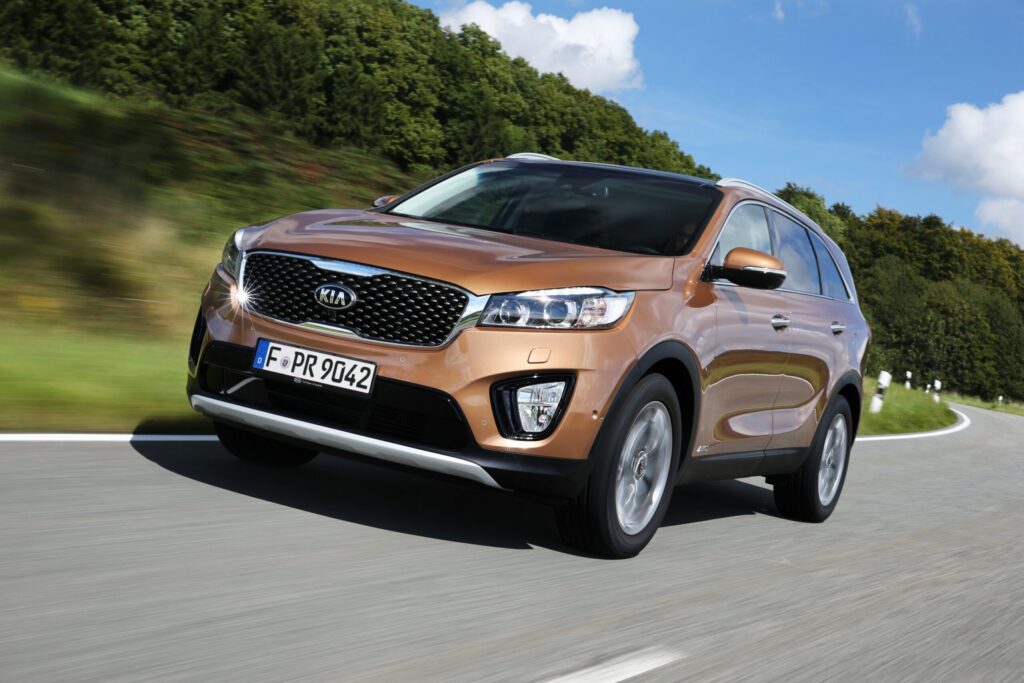
The Kia Sorento is often promoted as a practical family car with generous towing capacity, but with heavier caravans and intensive use, especially the second-generation automatic models regularly run into problems. Slipping clutches and transmission stress under heavy load raise the question of whether this SUV is really as suitable as it looks on paper. In this article you will discover what to look out for when choosing a Kia Sorento as a tow car, which versions are preferable and how you can prevent transmission issues.
Which Kia Sorento version is most suitable for towing?
The Kia Sorento is not one standard tow car. Its suitability depends heavily on the chosen powertrain and model year. For caravan owners with a heavier trailer, the 1.6 T-GDi hybrid (a petrol engine with electric assistance) or an older diesel or petrol version is by far the most logical choice. The plug-in hybrid is limited by a legal towing capacity of only 1,000 kg, which makes this version less attractive for anyone who regularly wants to take a medium to heavy caravan.
The 1.6 T-GDi hybrid has a maximum towing capacity of 1,650 kg and is often mentioned in user reviews as a comfortable and stable combination. Older Sorentos with a 2.2 diesel reach similar figures, while the 2.4 petrol version has a legal towing capacity of 2,300 kg. In practice, however, people advise a laden caravan of up to 1,780 kg for this engine, because while driving at the maximum weight is still fine on flat roads, on hills and motorways the engine and transmission are placed under significantly more strain.
Transmission problems when towing with the Sorento automatic
In particular, the second-generation Kia Sorento with automatic transmission suffers from complaints about slipping clutches and transmission stress when heavily loaded. With intensive use and a heavy caravan or trailer, the automatic gearboxes can struggle to cope with heat build-up and wear. This can manifest itself in delayed gear changes, rising transmission temperatures and, in severe cases, even transmission damage.
The cause lies mainly in the mechanical load during acceleration with full weight and during prolonged towing in hilly areas. The clutch and the automatic transmission’s fluid cooling are subjected to extra stress, causing wear to occur faster than when driving solo. Owners report that this problem occurs mainly in models built before 2012 and in cars whose transmission fluid has not been changed regularly.
Symptoms of transmission stress when towing
- Delayed gear changes or slipping response when pulling away
- High engine revs on flat roads compared with solo driving
- Burning smell or overheating of the transmission during prolonged use
- Vibrations or jolts when changing gear under load
Can the Kia Sorento tow a heavy caravan without problems?
On paper, the Kia Sorento with the right version can cope with a substantial caravan. In practice, however, the experience depends heavily on how you use the combination and whether you pay attention to maintenance and technical preparation beforehand. The Sorento is heavy, spacious and has stable road manners, which in principle makes it suitable for towing. But the difference between the legal towing capacity and the practical load-bearing capacity is important.
For anyone who regularly tows a heavier caravan, it is important not only to match the caravan’s load to the maximum towing weight, but also to the behaviour of the car in combination with the trailer. An overly heavy or poorly balanced caravan can reduce stability and place extra strain on the transmission. Users who pair the Sorento 2.4 petrol with a Knaus Sudwind 500 describe this combination as excellent in terms of stability and comfort, provided the load remains within realistic margins.
Tips to prevent transmission problems when towing
Good preparation and consistent maintenance significantly reduce the risk of transmission stress. Have the transmission fluid replaced in good time, even if the manufacturer claims it is filled for life. With intensive towing, a fluid change is recommended every 60,000 to 80,000 kilometres. Also make sure that the transmission cooling is working properly and regularly check the fluid level and condition.
Avoid prolonged pulling away under full load at low speed, for example on steep hills. This increases heat build-up in the clutch and transmission. If possible, use a lower rev range and shift manually if the automatic gearbox allows it, to avoid the engine revving unnecessarily high under load. If you have any doubts or notice signs of slipping, have the automatic transmission checked immediately by a specialist.
Maintenance tips for tow cars
- Replace transmission fluid every 60,000 to 80,000 km if you tow regularly
- Check the condition and level of the transmission fluid before long journeys
- Have the clutch system and transmission cooling inspected annually
- Use manual shift mode under heavy load in hilly terrain
- Ensure correct loading and balance of the caravan to prevent overloading
‘ The plug-in hybrid remains less suitable for serious towing because of its low towing weight, despite its modern powertrain and luxurious equipment. ’
Which Sorento generation is preferable for caravan owners?
The third-generation Kia Sorento, built from 2015 onwards, generally has fewer complaints about transmission problems than the second generation. However, the type of powertrain remains decisive. For those who tow heavier caravans, the hybrid or an older diesel version with a manual gearbox is often more reliable than the automatic from the second generation.
Older models with the 2.2 diesel perform well in combination with a caravan and are frequently mentioned on forums as a reliable choice. The 2.4 petrol version offers high towing capacity and good stability, but pay attention to the engine’s real-world performance during prolonged motorway use and on hills. The plug-in hybrid remains less suitable for serious towing because of its low towing capacity, despite its modern powertrain and luxurious equipment.
Why the Kia Sorento is still popular as a tow car
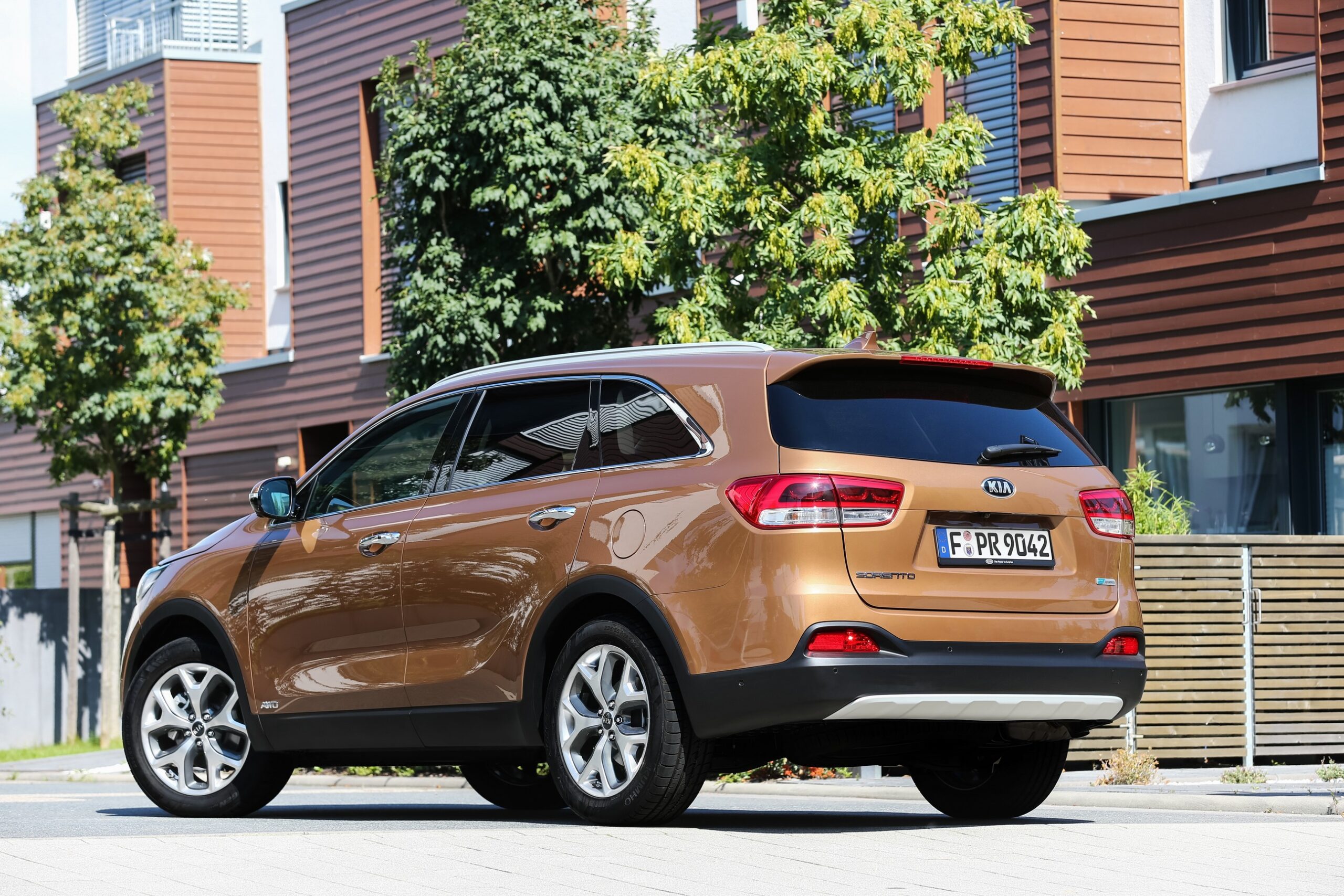
Despite the points of attention regarding transmission stress, the Kia Sorento remains a popular choice among caravan owners. The combination of space, comfort and seven-seat layout makes it attractive for families who want to combine generous luggage space and seating with towing capability. Its behaviour on the road with a caravan is consistently described as stable and comfortable, especially compared with lighter SUVs.
The Sorento is large enough to keep the caravan under control, even at higher speeds and in changing weather conditions. For anyone who consciously chooses a suitable version, carries out regular maintenance and matches the loading carefully, the Sorento offers an excellent combination of family use and towing performance. Caravan owners who know their car well and stay technically alert report positive long-term experiences.
Considering a Kia Sorento as a tow car?
The Kia Sorento can be a reliable tow car, but it does require a careful choice of version and attention to maintenance. The second generation with automatic transmission demands extra vigilance when towing heavily laden caravans intensively. If you regularly expect heavy loads, preferably choose the 1.6 T-GDi hybrid or an older diesel or petrol version with a manual gearbox. Make sure the transmission fluid is changed in good time and have the clutch and transmission systems inspected regularly.
On the Carnews website you will find much more information about caravan tow cars, maintenance tips for tow vehicles and real-world experiences with different SUV models. Find out more and make a well-informed choice for your next tow car.
Frequently asked questions
The older 2.2 diesels and 2.4 petrol engines in the Sorento combine relatively high torque with substantial kerb weight, which in practice provides stable and strong towing, including on hills, although the petrol does run at noticeably higher revs. The current 1.6 Hybrid has less torque than the old diesel but is still regarded as a good caravan tow car: with 1,650 kg on the hook it performs well, although the powertrain has to work harder on steep climbs. The 1.6 Plug-in Hybrid has fewer reserves because of its lower permitted towing weight (1,000 kg) and its character; in real-world use it feels less convincing with truly heavy loads, especially uphill. In general, the higher the available torque and the heavier the Sorento itself, the more calmly and confidently it will pull heavy caravans up hills.
The Kia Sorento’s relatively stiff, heavy chassis provides a solid base, which means the car is less sensitive to snaking and crosswinds at higher speeds when towing. The long wheelbase and wide track width increase straight-line stability, which inspires confidence when driving on the motorway with a caravan. The springs and suspension are tuned for comfort, so bumps and undulations are filtered out reasonably well with a trailer attached. However, a softer suspension set-up can cause a little more after-movement with very heavy or poorly loaded trailers, which makes correct nose weight and loading even more important.
The Kia Sorento offers Trailer Stability Assist, which actively detects and brakes trailer sway to keep the outfit stable. In addition, there are driver assistance systems such as adaptive cruise control, blind spot monitoring and a reversing camera (often with parking sensors), which make manoeuvring and overtaking with a caravan safer and clearer. Many versions also have hill start assist and downhill brake control, which make pulling away with a trailer on a slope smoother and more controlled. The source consulted does not explicitly mention any specific automatic or retractable towbar system for the Sorento.
The plug-in hybrid (PHEV) Kia Sorento is only of limited use as a tow car because of its low maximum towing weight of around 1,000 kg, which makes it less suitable for heavier caravans. On top of that, the electric range drops sharply in real-world conditions with load, headwinds or hills, so you mainly drive on the petrol engine. For anyone who regularly wants to travel with a serious caravan, the standard hybrid or the older petrol/diesel versions of the Sorento are therefore the more suitable choice.
With the Kia Sorento Hybrid you should expect real-world consumption of roughly 8–10 km per litre when towing a trailer, depending on weight, speed and driving style (with slightly higher consumption in the older petrol/diesel versions). For maximum economy, it is best to use the standard “Eco” or “Comfort” mode with a steady driving style and moderate speeds. For mountainous terrain or heavy loads, the “Sport” mode or a specific “Tow/Trailer” or “Snow” mode is better, as these keep the automatic transmission in lower gears for longer and make more power available. Bear in mind that any power-focused mode will noticeably increase fuel consumption compared with Eco/Comfort.