
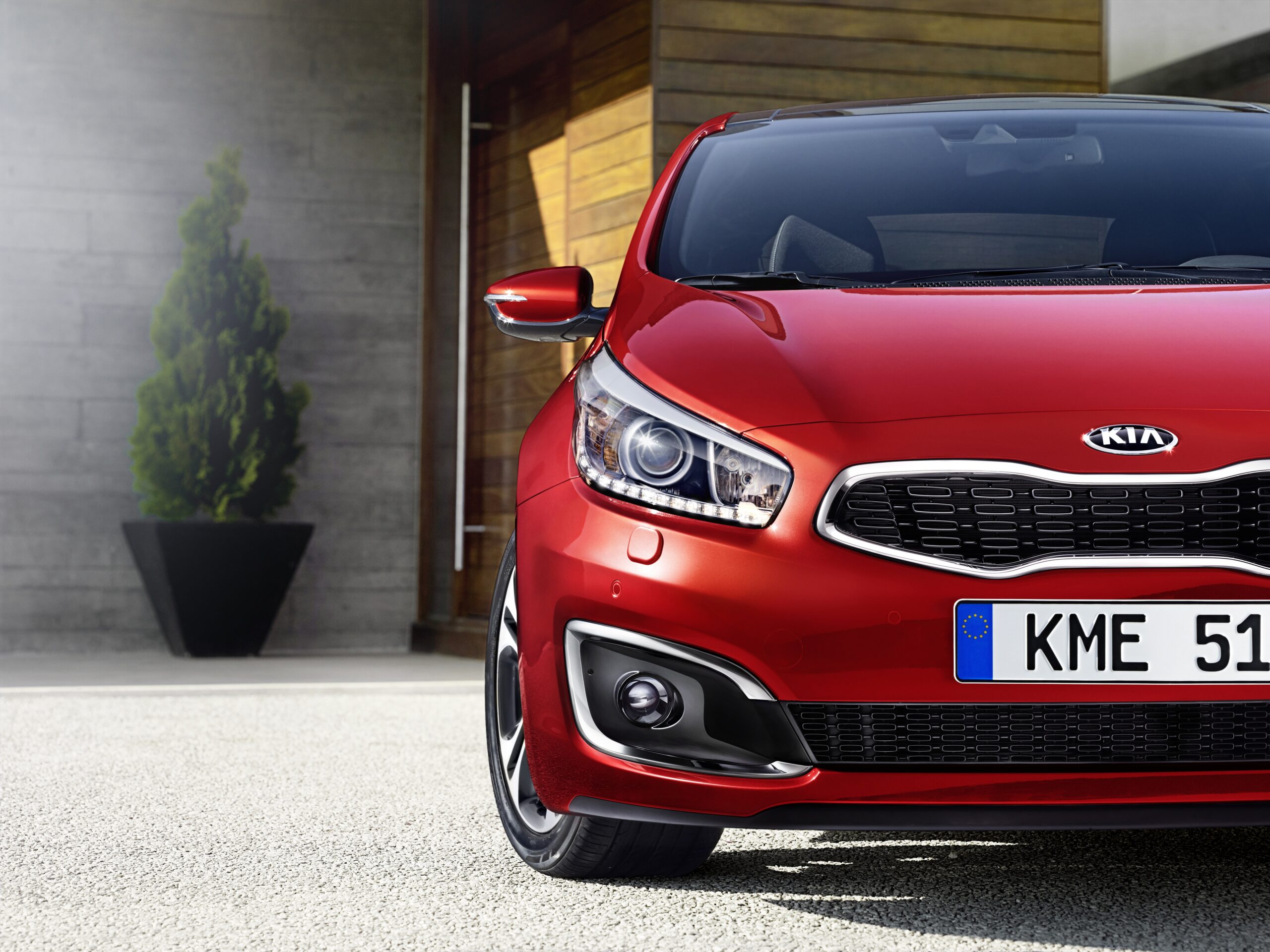
The Kia XCeed suddenly cuts out for some owners due to electrical or engine faults, even at low mileages. These issues lead to unexpected breakdowns and affect both the plug-in hybrid (a hybrid you can also charge from a household socket) and petrol versions. Find out what causes are behind this and how you can prevent it.
Why does my Kia XCeed suddenly cut out?
Sudden cutting out of the Kia XCeed has several causes. The most common issues centre around the high-voltage battery in plug-in hybrid models, the 1.5 T-GDI engine and the automatic dual-clutch transmission. These components can already show symptoms after relatively low mileages that ultimately lead to a complete breakdown.
In the plug-in hybrid version, the high-voltage battery loses capacity after 40,000 to 60,000 kilometres. The 8.9 kWh battery drops by 15 to 20 per cent in capacity after five years, falling below the factory specification. This results in a reduced electric range and more frequent charging. At low temperatures, regenerative braking can fail completely, causing uneven braking and making the car less predictable.
The 1.5 T-GDI engine shows problems with the injectors (fuel injectors) between 50,000 and 80,000 kilometres. Faulty injectors cause rough idling, noticeable power loss and increased fuel consumption. In extreme cases, the engine refuses to start or suddenly stalls while driving. The quality of the servicing plays an important role in reliability here.
‘ The gears lock up completely, meaning the car has to be towed away. ’
Problems with the dual-clutch transmission
The automatic dual-clutch transmission often starts to shift jerkily at low speeds from around 30,000 kilometres. Owners report delayed acceleration and overheating when there is frequent stop-start driving and braking in heavy city traffic. The clutch normally lasts 80,000 to 120,000 kilometres, but aggressive driving shortens this lifespan considerably.
Complete transmission failure occurs when the transmission seizes or goes into limp-home mode. This often happens without warning and makes any further progress impossible. The gears lock up completely, meaning the car has to be towed away. Changing the transmission oil regularly before 60,000 kilometres extends the life of the clutch and prevents more serious damage.

Causes of complete failure and roadside assistance
Complete breakdown occurs due to various interconnected problems. A seized transmission is the most common cause, followed by total engine failure due to faulty fuel injectors. In plug-in hybrid models, a complete failure of the high-voltage battery can prevent the car from starting at all. These issues almost always require professional roadside assistance.
In addition, the electric opening mechanism of the fuel filler cap often fails after 40,000 kilometres. This may seem trivial, but it leads to system error messages that immobilise the engine. The rubber seal becomes brittle, leaks and causes fuel smells in the cabin. Check the filler cap regularly for wear to prevent unexpected problems.
If the car suddenly cuts out, switch on the hazard warning lights immediately and try to pull over safely. Do not force repeated restarts if the engine or transmission is completely blocked, as this causes further damage. Call roadside assistance and have the car taken to a specialist garage for diagnosis. Kia’s seven-year or 160,000-kilometre warranty covers many of these issues, but only if the servicing has been carried out according to schedule.
Is sudden failure normal for the Kia XCeed?
Sudden failure is not normal for modern cars, but it occurs more often with the Kia XCeed than you might expect. In Driver Power 2022, only 20.4 per cent of owners reported faults in the first year, which put the XCeed in third place out of 29 car brands. Nevertheless, owners report specific issues that lead to unexpected breakdowns, especially with the plug-in hybrid and models with automatic transmission.
The Kia XCeed scores highly in reliability surveys, taking eighth place out of thirty brands in the What Car? 2025 survey. The seven-year warranty offers more peace of mind than most competitors and is only bettered by Toyota. Even so, specific components such as the dual-clutch transmission and the high-voltage battery remain weak points.
The five-star Euro NCAP safety rating and the stable handling with soft suspension inspire confidence, but the technical problems remain a concern. The brakes are strong and progressive, which helps in emergencies. Even so, you should stay alert for early symptoms such as jerky gearshifts or reduced battery capacity.
‘ Have regenerative braking tested at low temperatures, as this system fails in cold conditions and affects safety. ’
Prevention and maintenance tips
Regular servicing according to the factory schedule at an approved workshop prevents many failure problems. Use high-quality engine oil and follow the service intervals strictly, especially for the engine and transmission. For plug-in hybrid models, have the battery capacity checked annually and avoid aggressive driving in city traffic to prevent the transmission from overheating.
Monitor gearchange behaviour at low speeds and have the transmission oil changed before 60,000 kilometres. This significantly extends the life of the clutch. Check the fuel filler cap regularly for leaks and wear on the rubber seal. Replace it in good time to avoid error messages that can block the engine management system.
Adjust the driving modes for optimum performance: use Eco mode in town, Normal for everyday driving and Sport only when necessary. The suspension absorbs large bumps well, but stay alert for sharp jolts that put strain on the suspension components. When buying a used XCeed, test the transmission extensively in city traffic and ask for the full service history.
For plug-in hybrid models, battery degradation is faster in cold weather. In winter months, expect a shorter electric range and plan longer journeys accordingly. Have regenerative braking tested at low temperatures, as this system fails in cold conditions and affects safety.
What to do when you get warning signs
Recognise early symptoms to prevent bigger problems. Rough idling, jerky gearchanges or a reduced electric range are clear warning signs. Have the car checked immediately when these symptoms appear, before they lead to complete failure.
Loss of power, delayed acceleration or fuel smells point to defective fuel injectors or filler cap problems. Ignoring warning messages on the dashboard can result in engine damage or seized systems. Make an appointment with a Kia dealer or specialist workshop that knows the XCeed models and has access to the correct diagnostic systems.
When the transmission overheats, a warning light often appears on the dashboard. Stop safely straight away and allow the transmission to cool down before driving on. Do not continue driving with an overheated transmission, as this causes permanent damage to the clutch and gearbox.
More information about Kia problems
On the Carnews website you will find extensive information about problems with various Kia models, service schedules and practical tips for car enthusiasts. Discover more about electrical systems, transmission problems and preventive maintenance to avoid breakdowns. Delve into the experiences of other owners and learn how to maintain your Kia XCeed in the best possible way for years of driving pleasure.
Frequently asked questions
The most common causes of cutting out and complete breakdown with the Kia XCeed are problems with the plug-in hybrid high-voltage battery (loss of capacity, faults in the electrical system) and defects in the 1.5 T-GDI injectors, which can lead to engine failures. In addition, the automatic DCT transmission can start to hesitate at higher mileages, overheat or switch into limp-home mode, which sometimes causes a complete breakdown. Less common, but still reported, are defects in the electric mechanism of the fuel filler cap, which can trigger error messages and faults. Regular and careful maintenance reduces the likelihood of these problems leading to total failure.
For the Kia XCeed, in particular the automatic (dual-clutch) transmission and the 1.5 T-GDI engine injectors are known as problem areas that can lead to breakdown, for example due to seized gears or engine failures. In the plug-in hybrid versions, the high-voltage battery can also cause failure, especially when there is loss of capacity or faults in the charging system. In addition, the electronic opening mechanism of the fuel filler cap can fail, which indirectly can cause faults and error messages. Complete breakdown mainly occurs when these systems suffer combined problems or have not been properly maintained.
There are no widely known, model-wide recalls specifically for the Kia XCeed due to sudden failure. However, for certain engine and transmission variants, software updates and service actions have been carried out to reduce jerky shifting, limp-home mode and starting problems, which in practice can prevent failure or stalling. For plug-in hybrid versions, updates to battery management and brake energy recuperation have been reported in order to limit faults and error codes. Check with the dealer using the chassis number to see whether your car is covered by a (silent) service action or software update.
Switch on your hazard warning lights immediately, steer the car as far out of moving traffic as possible (preferably onto the hard shoulder or a safe verge) and let the car coast to a halt without braking sharply. Stay in the car with your seat belt fastened; only get out on the verge side and stand behind the crash barrier if it is safe to do so. Place a warning triangle at a sufficient distance behind the car if the situation allows. Then contact the emergency services or roadside assistance and do not attempt to restart or move the car yourself until it has been inspected.
Yes, there are some recommended measures and driving tips to reduce the risk of failure in a Kia XCeed. Follow the service intervals strictly using high-quality engine and transmission oil, and for PHEV models have the battery capacity checked annually. Avoid prolonged aggressive driving and heavy stop-start traffic to prevent overheating of the (DCT) transmission and accelerated wear. Pay attention to early signs such as jerky shifting, loss of power or rough idling and have these investigated immediately.