
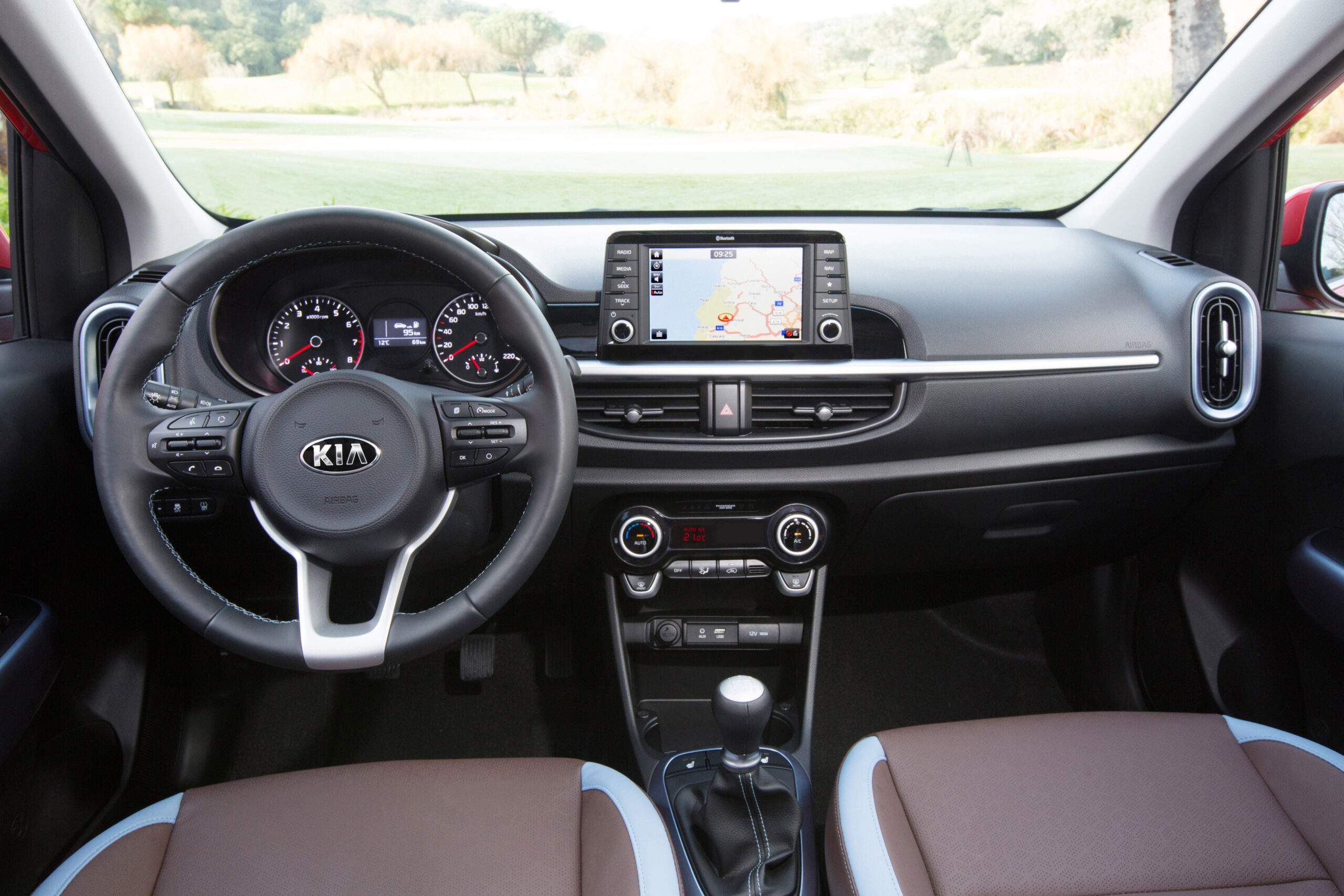
A knocking engine in your Kia Picanto often points to problems with lubrication, valves or the timing chain, caused by oil issues, contamination or wear. This leads to reduced performance and increased wear of engine components. Do you recognise this sound? Then it’s wise to act quickly.
Why is the engine of my Kia Picanto knocking
A knocking sound from the engine occurs when components are not properly lubricated or move irregularly. In the Picanto several causes occur regularly. Most complaints relate to the 1.0-litre engine, especially on models between 2004 and 2017.
Too little engine oil is the main cause. If the oil level is too low or the car stands still for a long time without being driven, components can run dry. This leads to a knocking or rattling sound. Contaminated or thick, sludgy oil also causes problems, particularly in the hydraulic valve lifters. These parts need clean oil to function properly. When they are contaminated, a ticking noise occurs that is especially audible during a cold start.
Problems with the Kia Picanto also occur at the timing chain. A stretched chain or defective camshaft adjuster causes a rattling knock. This sound gets worse under acceleration or after the engine has warmed up. The chain connects the crankshaft to the camshaft and ensures correct timing. If this timing is off, you can clearly hear the difference.
Worn bearings produce a different type of noise. Crankshaft or camshaft bearings that are due for replacement create a dull, frequency-changing knock from the sump. This sound changes with the engine speed. Engine mounts can also cause loud vibrations that resemble knocking.
Less serious causes include a defective flap in the inlet manifold, specifically reported by Picanto owners with the 1.0 engine. This component can be replaced and often solves the problem immediately. On cold starts, ticking can also be normal and be caused by injectors, the fuel pump or a weak battery affecting the starter relay.
Solutions for a knocking engine in a Kia Picanto
The first step with a knocking engine is to check the oil level. Open the bonnet and pull out the dipstick. The level should be between the minimum and maximum marks. If there is too little oil, top up with the correct specification as stated in the owner’s manual. This immediately prevents further damage to engine components.
Contaminated oil calls for a complete oil change. Schedule an oil service if the oil is dirty or if the car has not had fresh lubricant for a long time. In cases of stubborn contamination in the valve lifters, an engine flush can help. This cleans the system before you add new oil. Use this only according to the instructions to avoid problems.
Driving regularly keeps the engine in good condition. When the car stands still or is used irregularly, components can run dry. Drive at least once a week on a longer trip to lubricate everything properly and bring it up to temperature. This prevents overheating and seizing of components.
Is the noise linked to specific conditions? Listen carefully to whether the knocking depends on engine speed, occurs when accelerating or disappears after warming up. This helps in tracking down the cause:
- Knocking sound after warming up often indicates valve or piston problems
- Rattling sound when accelerating points to timing chain or exhaust problems
- Ticking at cold start that disappears after a few seconds is often caused by valve lifters or a low oil level
- Rhythmic scraping sound may indicate an idler pulley or water pump
For small engines such as the Picanto 1.0, try an ECU reset if the knocking is accompanied by stuttering. Disconnect the positive terminal of the battery, wait a few minutes and reconnect it. Then go for a drive. This sometimes resolves mixture problems that cause the knocking sound.
Also check the battery and starter motor. If you hear ticking without the engine starting, charge the battery or use jump leads. A weak power supply affects the starter relay and can cause strange noises. Check all wiring for loose connections.
If the knocking persists, a visit to a garage is necessary. Do not ignore a banging noise, as bearing damage escalates quickly. Tackling early warning signs prevents costly repairs to the chain, bearings or camshaft. A mechanic can use diagnostic equipment to trace the exact source and carry out targeted repairs.

Is a knocking engine a known problem with the Kia Picanto
The Kia Picanto does indeed have more complaints about knocking sounds in specific engine variants. The 1.0-litre engine from the 2004 to 2017 generations appears most often in owner reports. This does not mean that every car has problems, but it does mean that certain weak points occur more frequently.
Owners report different experiences. In a 2013 Picanto 1.0, a defective flap in the inlet manifold caused a ticking and rattling sound. Ordering and replacing this part resolved the problem immediately. Another owner with a 2004 model experienced slight juddering due to an ignition coil, crankshaft sensor or vacuum hose. An ECU reset helped in similar cases.
In a 2017 Picanto 1.0 with 95,000 kilometres, a rhythmic scraping noise developed. The garage advised continuing to drive and monitoring it, suspecting an idler pulley or water pump. These components wear over time and need replacing when symptoms appear.
Ticking at start-up is considered normal by many owners. This is often due to the injectors, which are audible when the engine is cold. As soon as the engine warms up, this sound usually disappears. If the knocking continues or gets worse, then it’s a problem that needs attention.
The frequency of complaints is related to maintenance and usage. Picanto engines are generally reliable, but they do require regular care. Oil and regular trips keep them quiet. If you neglect maintenance or the car stands still a lot, the chance of knocking sounds increases significantly.
Prevention works best. Keep the oil level topped up, change the oil according to the schedule and drive the car regularly. Also inspect the timing chain, belts and CV joints during service intervals. Taking early signs seriously prevents expensive repairs to the engine and drivetrain.
Recognise the warning signs early
A knocking engine gives clear signals before things really go wrong. Listen for changes in sound during different driving conditions. Does the knocking get louder when accelerating or when idling? This tells you a lot about the possible cause and how urgent repairs are.
Also pay attention to other symptoms that occur together with the knocking. Reduced performance, higher fuel consumption or an irregular engine speed indicate timing or combustion problems. These symptoms together with a knocking sound call for swift action.
Vibrations you feel through the steering wheel or pedals may point to problems with engine mounts or engine balance. These vibrations often accelerate wear on other components. Combine different observations to get a more complete picture of what is going on.
Check the engine bay visually when the car is stationary. Look for oil leaks, loose hoses or damaged belts. These signs give additional clues about the condition of the engine. Photograph any irregularities before going to the garage.
Write down when the knocking started and under which conditions it gets worse. This information helps the mechanic make a diagnosis. Also mention any recent work on the car or changes in driving habits.
‘ Replacing parts before problems arise saves a lot of money and frustration. ’
Maintenance prevents most problems
Regular maintenance keeps the Kia Picanto engine in top condition. Follow the service schedule in the owner’s manual and do not skip any services. This prevents most problems that lead to knocking sounds.
Check the oil level yourself between services. Do this on a level surface with a cold engine. Top up if necessary and always use the correct specification. The wrong oil can cause just as much damage as too little oil.
Use quality fuel from reliable filling stations. Poor fuel quality leads to carbon build-up and combustion problems. In the long run these cause knocking sounds and reduced performance. Fuel additives can help keep the fuel system clean.
Plan longer drives instead of only short trips. Short trips don’t bring the engine up to operating temperature. This causes condensation and oil contamination. Drive at least once a week for twenty minutes or longer.
During services, also have the timing chain checked. It wears gradually and needs replacing after a certain mileage. Ask the mechanic about it if you are unsure of its condition. Replacing it before problems arise saves a lot of money and frustration.
More information about your Kia Picanto
On the Carnews website you will find extensive information on many more topics related to the Kia Picanto. From common faults to maintenance tips and experiences from other owners. Discover everything you need to know to get the best out of your car and stay ahead of problems.
Frequently asked questions
The most common causes of a knocking engine in the Kia Picanto are a low or contaminated oil level, causing the engine to run dry internally and valve lifters or valves to start ticking. A stretched or worn timing chain (or camshaft adjuster) also often causes a rattling or knocking sound, especially when accelerating. Worn bearings (such as crankshaft or camshaft bearings) can produce a dull, rhythmic knock that changes with engine speed. In addition, the Picanto is specifically known for problems with a flap in the inlet manifold, engine mounts and auxiliary components such as idler pulleys or the water pump, which can also be perceived as knocking or rattling.
Listen to whether the knocking changes with engine speed, whether it disappears after warming up and check your oil level immediately; a hard, dull or increasing knocking sound, especially when driving with a warm engine or when accelerating, indicates serious wear (bearings, valves or timing chain). If the sound remains audible or gets worse, do not continue driving unnecessarily but have the car checked by a garage as soon as possible. Continuing to drive with a knocking engine can lead to overheating, chain damage or bearing damage, causing the engine to seize. In the worst case this results in complete engine damage, where an overhaul or replacement engine is required.
With a knocking engine in a Kia Picanto the issues often involve valve lifters/valves, the timing chain or worn bearings, sometimes made worse by too little or contaminated oil. Common repairs are then cleaning or replacing valves/valve lifters, replacing the timing chain (including guides/tensioners) or – in the case of serious bearing damage – a (partial) engine overhaul or replacement engine. Expect roughly €300–€700 for valve or valve lifter work, often €600–€1,200 for a timing chain overhaul and easily €1,500–€3,000 or more for severe engine damage (bearings, overhaul or replacement engine). Always have the exact cause determined first, because a simple oil and filter change or a small partial repair can sometimes cost under €200.
Yes, with preventive maintenance you can often prevent a knocking engine. Regularly check the oil level, use oil with the correct specification and keep the oil change interval short (better too often than too rarely). During servicing, have the timing chain, idler pulleys and engine mounts checked and drive the car regularly so that the engine does not stand still ‘dry’. If you notice new or louder ticking/knocking sounds, have the engine checked immediately so that more serious damage is prevented.