
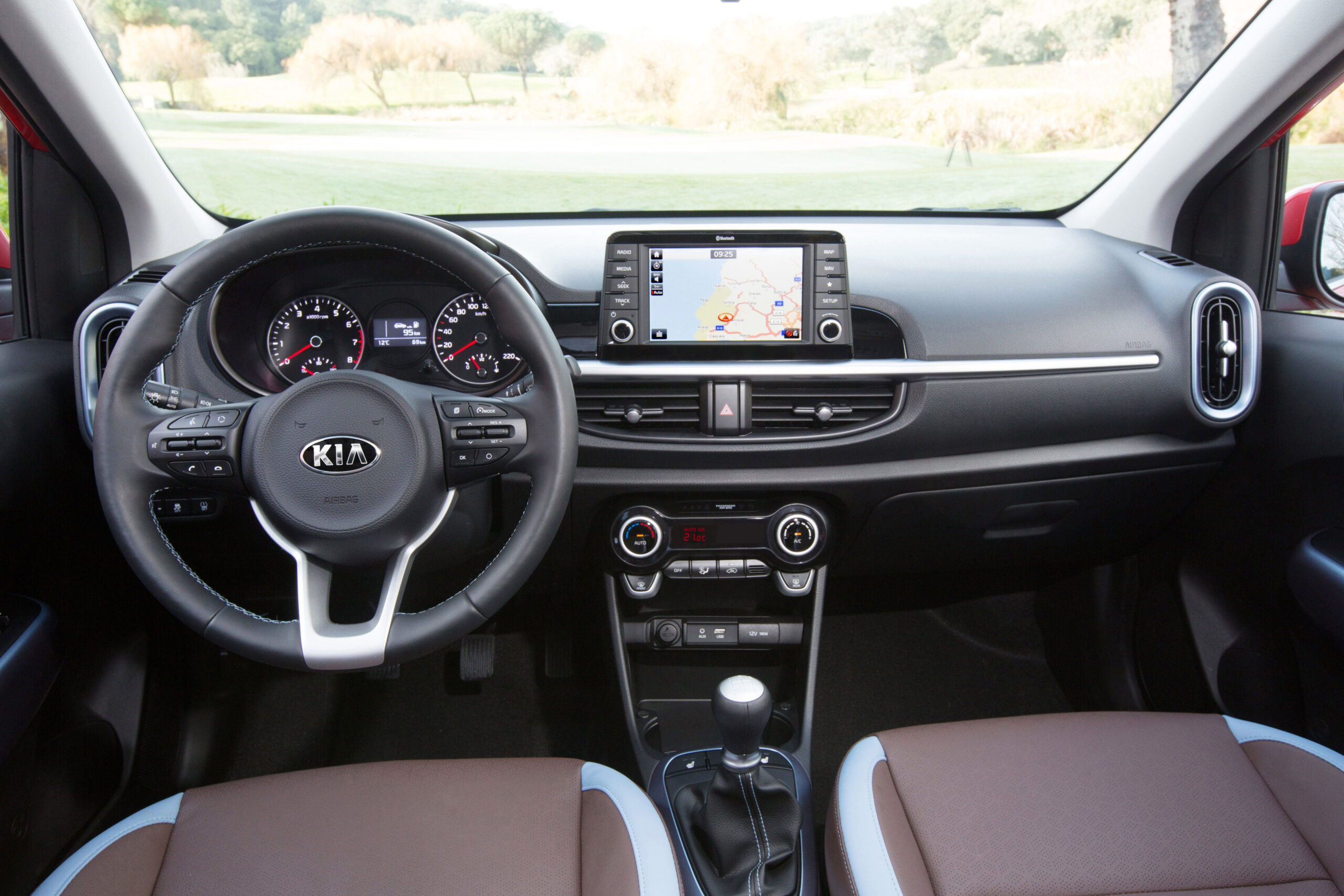
A knocking engine in the Kia Picanto is usually caused by poor fuel quality, carbon build-up or timing issues, resulting in reduced acceleration and higher fuel consumption. The characteristic metallic noise from the engine bay demands immediate attention. Read on to find out why your engine is knocking and how to fix this problem.
What exactly is a knocking engine?
A knocking or rattling engine can be recognised by a metallic noise coming from the engine bay. In the Kia Picanto this noise often occurs when starting or under acceleration. It may point to various underlying issues, from relatively simple fuel-related problems to more serious mechanical faults. It is wise not to ignore this warning sign, as delay can lead to expensive engine damage.
Timing chain problems as the main cause
The timing chain is one of the most important components in your Picanto’s engine. Insufficient or contaminated engine oil can cause this chain to stretch or function poorly. This results in the characteristic rattling noise that is especially audible at idle, because the hydraulic tensioner then has less pressure.
When you hear a rattle at idle, this is often a strong indication that the chain has stretched. Replacement of the chain, sprockets and tensioner is then necessary. Do not ignore this symptom, as a breaking chain can cause the valves to hit the pistons, leading to very costly repairs.
Preventing chain problems
The best way to prevent chain issues is through regular maintenance:
- Check and change the engine oil according to the service schedule
- Replace the oil filter annually
- Do not skip service intervals
- For older models (model years 2011–2012 with the 1.0 CVVT engine), check whether the crankcase ventilation modification has been carried out
Other common causes of engine knock
In addition to chain problems, several other factors can cause a knocking engine. Faulty ignition coils are common and cause rough running. In some cases a broken wire can also occur between the battery and the coils, leading to starting problems.
Dirty spark plugs often result in engine vibration and juddering under acceleration. This issue is often related to oil consumption. Preventive replacement of spark plugs according to the service schedule is therefore sensible.
Other causes include:
- Clogged air filters that cause rough running
- A faulty PCV valve that contributes to increased oil consumption and engine problems
- Contaminated injectors on direct-injection turbo engines, causing the engine to run unevenly and the car to hesitate when pulling away
Why is the engine in my Kia Picanto knocking?
The most common reason is poor fuel quality. Filling up at unreliable fuel stations or using fuel with too low an octane rating can lead to undesirable combustion patterns in the cylinders. This causes the knocking sound and leads to reduced performance.
Carbon deposits on valves and pistons are a second frequent cause. Combustion gradually creates carbon build-up in the combustion chamber. These deposits increase the compression ratio, which can lead to premature ignition of the fuel mixture.
Timing issues caused by a stretched or poorly adjusted timing chain mean that ignition does not occur at the right moment. This disrupts the combustion cycle and causes the knocking sound.
Identifying and diagnosing the problem
If you suspect that your Kia Picanto has a knocking engine, it’s important to listen carefully to the sound. Note when it occurs: during starting, at low or high revs, or specifically under acceleration.
Other symptoms that often accompany a knocking engine are:
- Jerking when accelerating
- A warning light illuminated on the dashboard
- Rough or uneven running
- Reduced power
- Higher fuel consumption
Regularly check the oil level and oil quality. For older Picanto models this is especially important, as increased oil consumption is a known issue. This calls for frequent checks and early replacement of the oil and filter.

Solutions for a knocking engine in the Kia Picanto
The solution depends on the cause of the problem. For fuel-related issues, switching to a higher octane rating or filling up at reputable stations can help. A full tank of premium fuel can sometimes already make a difference.
For carbon build-up, an engine clean is required. A garage can do this using chemical cleaning or manual cleaning of the combustion chamber. This removes the deposits and restores the normal compression ratio.
For chain problems, replacement of the timing chain, sprockets and tensioner is necessary. This is a major job that is best carried out by a professional workshop. Costs vary but are usually between €800 and €1,500, depending on model year and engine type.
In the case of defective ignition coils or spark plugs, replacing these parts is often sufficient. This is a relatively simple and affordable solution. Always have the wiring connections checked as well, as a damaged cable can cause similar symptoms.
Is a knocking engine a known problem with the Kia Picanto?
Yes, some owners report issues with knocking engines, especially on models from around 2011–2012. The timing chain is a well-known point of attention on these models. Regular checking of the oil level and timely replacement of the engine oil can prevent many problems.
Faulty ignition coils also occur regularly across various model years. This wear is normal over time and mileage. It is not a structural design flaw, but it is a maintenance-sensitive component that requires attention.
‘ With regular maintenance and attention to the first warning signs, you can avoid expensive repairs. ’
Prevention is better than cure
Following a preventive maintenance schedule helps avoid many problems. Replace engine oil and oil filter according to the manufacturer’s schedule. Regularly check the battery, especially after periods of inactivity, as the Picanto has a relatively small battery that is sensitive to cold weather.
Have spark plugs replaced preventively and inspect ignition coils for wear. Check the condition of air filters and replace them if necessary. With these simple actions you can prevent many issues and significantly extend the life of your engine.
A knocking engine in the Kia Picanto is, in most cases, solvable but requires quick diagnosis and targeted repair. With regular maintenance and attention to the first warning signs, you can avoid expensive repairs. On the Carnews website you will find plenty more useful information on car problems, maintenance tips and experiences with different car models. Discover more and keep your car in top condition.
Frequently asked questions
You mainly recognise a ‘knocking’ or rattling engine by a metallic rattling noise from the engine bay, often audible when starting from cold, at idle or when pulling away. Also pay attention to accompanying signs such as rough running, juddering under acceleration or a warning light coming on. What you can check yourself: oil level and colour, whether there is enough oil in the engine and if it has been changed on time, the condition of the air filter (not extremely dirty or blocked) and whether there are any loose parts or cables visible around the coils and battery. If the noise persists or gets worse, drive as little as possible and go straight to the garage to have the timing chain and ignition coils checked in particular.
The most common causes of a knocking or rattling engine in a Kia Picanto are problems with the timing chain (stretched chain or poorly functioning tensioner due to insufficient or contaminated oil), defective ignition coils, dirty spark plugs and a clogged air filter or problems with the PCV valve. The knocking, metallic noise at idle or when starting is particularly typical of timing chain wear in the Picanto. This problem is closely related to the Picanto’s engine type, especially the 1.0 CVVT engines where oil maintenance is crucial and, for some model years, a crankcase ventilation modification was required. Other causes such as coil and spark plug issues also occur, but are less specific to the Picanto engine type than the chain- and oil-related issues.
Continuing to drive with a knocking engine can lead to severe wear or even breakage of the timing chain, causing valves and pistons to collide and potentially writing off the engine completely. In addition, if the problem is ignored for a long time, ignition coils, spark plugs and other components can be subjected to extra stress and become damaged. This can result in much higher repair costs than if you had the problem investigated immediately. In the worst case, the engine may cut out while driving, with safety risks and recovery costs as a consequence.
Possible repairs include replacing the timing chain (including guides and tensioner) and – if the noise is more like rough running or ‘hesitation’ – replacing ignition coils, spark plugs, the PCV valve or cleaning/replacing the air filter and injectors. For just a set of spark plugs, coil(s) or a PCV valve you should roughly allow for anything from a few tens of euros up to about €250–€400 including labour, depending on exactly what is replaced. Replacing a complete timing chain set is considerably more expensive and is usually in the region of around €700 to well over €1,000, depending on engine variant and workshop hourly rate. Have a diagnosis carried out first; many garages charge about €50–€100 for this, which may be offset against the final repair.
Yes, there are specific maintenance tips: change engine oil and oil filter strictly according to the service schedule and check the oil level regularly to prevent timing chain problems. Never skip service intervals and, for older Picantos, have it checked whether the crankcase ventilation modification has been carried out. Have spark plugs, coils and air filter replaced in good time to avoid rough running. Take rattling or knocking noises at idle or when starting seriously straight away and have the timing chain and tensioner checked.