

Lexus CT: reliable hybrid with points to watch
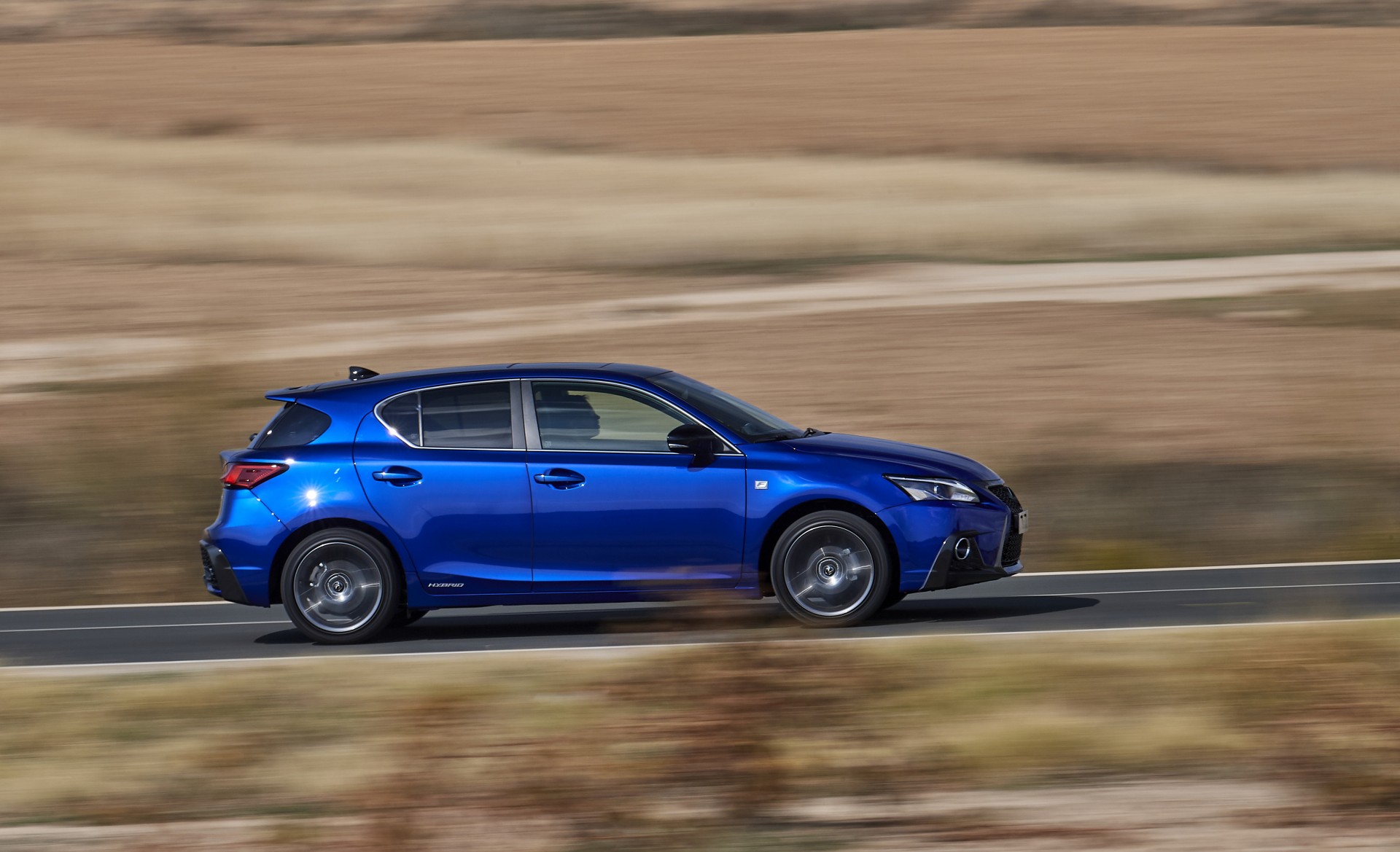
The Lexus CT is a compact hybrid hatchback that was on the market between 2011 and 2022 and stands out for its excellent reliability and low emissions. This Japanese premium car scores a reliability rate of no less than 99.2 percent in independent tests, with only 3 percent of cars developing minor faults. However, there are specific trouble spots that you, as an owner or potential buyer, need to be aware of. In this article we cover the known weak points of the Lexus CT and explain what to look out for to enjoy years of trouble-free driving.
Japanese quality with a hybrid platform
Lexus introduced the CT200h as a compact five-door hatchback that combines Toyota’s proven hybrid technology with a premium finish. The car is aimed at company car drivers and city users who want to drive economically without compromising on comfort. The CT shares its drivetrain with the Toyota Prius, which immediately provides a solid foundation for its reliability.
In the Netherlands the model was supplied with a single engine version: a 1.8-litre four-cylinder petrol engine coupled to an electric motor. Together these deliver 136 bhp. The e-CVT transmission ensures smooth acceleration and low fuel consumption figures. For more information about specific issues, visit our page on Lexus car problems.
‘ However, it is important to keep an eye on specific weak spots, especially if you are considering a used example. ’
Reliability with caveats
Lexus is known for its high quality and low fault rates. The CT is no exception. With a brand reliability score of 92.7 percent in tests, Lexus is among the most reliable marques. That does not mean, however, that the CT has no points to watch.
Owners mainly report problems on older models with higher mileages. Most complaints are minor and can be prevented with proactive maintenance. However, it is important to keep an eye on specific weak spots, especially if you are considering a used example.

Problems with the CVT transmission (continuously variable transmission)
The electronic CVT transmission (continuously variable transmission) of the Lexus CT is generally reliable. Over time, however, some examples develop issues. Owners report juddering, jerking under acceleration or loss of power. This is usually caused by worn transmission oil, which loses its lubricating properties.
This is often the result of postponed transmission maintenance. Lexus advises replacing the oil every 60,000 miles. The maintenance manual does not always state this explicitly. If the transmission sustains serious damage, repairs cost between 3,000 and 5,000 euros. Changing the oil as a preventive measure largely prevents this problem.
Water pump problems and cooling system leaks
On the Lexus CT the water pump regularly fails. Symptoms include engine overheating, coolant leaks under the car and reduced efficiency of the hybrid system. The seals of the water pump wear out, causing leaks. The problem is mainly seen on cars that have covered 100,000 kilometres or more.
Regularly check the coolant level and look for patches under the car after it has been parked for a longer period. Timely replacement of the water pump costs between 300 and 600 euros. This is much cheaper than repairing overheating damage to the engine or hybrid system.
‘ The most common problem is overheating of the battery due to a faulty cooling fan or blocked ventilation openings. ’
Hybrid battery and electric drivetrain
The hybrid system of the Lexus CT is almost identical to that of the Toyota Prius and is known for being particularly durable. The hybrid battery itself rarely causes problems. The most common issue is overheating of the battery due to a faulty cooling fan or blocked ventilation openings.
Dog hair, dust and other particles block the ventilation openings. As a result, the battery is not cooled properly and wears out sooner. Check the ventilation grilles annually and clean them with a vacuum cleaner. The battery sometimes needs to be replaced; individual cells are relatively simple and inexpensive to renew.

Engine problems and oil consumption
The 1.8-litre petrol engine is generally reliable. If maintenance is poor, increased oil consumption can occur. Frequent short urban trips make this problem worse, as the engine does not reach full operating temperature. Check the oil level regularly. If the level is too low, top it up immediately.
Some owners report that the EGR valve (exhaust gas recirculation valve) sticks over time due to carbon deposits. This results in an erratic idle speed and reduced performance. Cleaning the EGR valve once a year prevents this problem. Older models sometimes judder or vibrate slightly on a cold start. This is usually not a serious issue, but it is annoying.
Dashboard and interior wear
A striking point to watch on the Lexus CT is the dashboard. Especially on older models from 2011 to 2014 owners report cracked or sticky dashboards. This is due to material ageing and exposure to UV radiation (sunlight). Repairs cost up to 2,000 euros, which is relatively expensive.
In addition, some owners complain about squeaks and rattles around the centre console storage compartment and the transmission tunnel. Clips wear out or trim parts come loose, causing the noises. When buying, check the interior thoroughly for this kind of wear. The noises are often easy to eliminate by replacing clips or securing parts more firmly.
‘ Early replacement prevents further damage to other components. ’
Suspension and chassis
The suspension of the Lexus CT is set up for comfort. At higher mileages problems can occur. Owners report knocking or creaking over bumps, uneven tyre wear and reduced handling. This is usually caused by worn suspension bushes, shock absorbers or front suspension struts.
These wear issues mainly occur after 80,000 to 100,000 kilometres. Replacing wishbone bushes and shock absorbers costs around 500 euros per axle. Always have the suspension checked during an MOT (APK) test or service. Early replacement prevents further damage to other components.

Brakes and braking system
Thanks to the regenerative braking system of the hybrid drivetrain, brake pads and discs wear more slowly than on conventional cars. Problems can still arise, however. With little use, brake discs can rust, which reduces braking performance.
Now and then perform some firm braking to keep the brakes clean. During services, check the thickness of the brake discs and the wear on the pads. The braking system of the CT is otherwise reliable, provided it is properly maintained.
Electronics and infotainment
The electronics of the Lexus CT show software-related faults on some examples. Owners report frozen infotainment systems, slow response times and outdated navigation software. These problems are usually solved by a software update at the dealer or by resetting the system.
Sensors for parking aids and tyre pressure monitoring fail over time. Replacing a sensor costs around 100 to 200 euros. The electrical systems are generally reliable. Software updates are recommended for optimal operation.
‘ Road salt in winter corrodes the alloy wheels. ’
Bodywork and paintwork
The bodywork of the Lexus CT is well protected against rust. There are, however, a few points to watch. In urban use scuffs, dents and alloy wheel damage are easily caused by, for example, parking bollards or kerbs. When buying, carefully check the bodywork for this type of damage.
The paintwork is of good quality, but darker colours tend to show scratches and fading more quickly. Regular washing and waxing helps to keep the paint in good condition. Road salt in winter corrodes the alloy wheels, particularly on poorly maintained examples.
Recalls and technical bulletins
Lexus has issued several recalls for the CT. Important recalls concerned the braking system, where a software issue could affect the operation of the regenerative braking system, and the water pump on early models. Before buying, always check whether all recalls have been carried out.
Technical service bulletins cover, among other things, improving the CVT transmission (continuously variable transmission), updating infotainment software and tackling dashboard problems. These bulletins are available via the dealer and provide insight into known issues and available solutions.
Maintenance tips for long-term use
Regular preventive maintenance ensures a reliable Lexus CT. Follow the manufacturer’s advice and replace oil, filters and fluids on time. Pay close attention to the transmission oil and change it every 60,000 miles. The maintenance manual does not always state this explicitly.
Clean the ventilation grilles of the hybrid battery once a year to prevent overheating. Regularly check the coolant level and watch out for leaks. Have the suspension checked at every major service and replace worn parts in good time. Keep a detailed maintenance logbook to document the condition of the car.
‘ A pre-purchase inspection by an independent mechanic offers extra peace of mind. ’
Buying a used Lexus CT
There are several important points to consider when buying a used Lexus CT. First, check the maintenance history. A complete and well-documented service record from a Lexus or Toyota dealer is a good sign. Ask whether all recalls have been carried out and whether the transmission oil has been changed regularly.
Take a test drive and listen for unusual noises from the transmission, jerks under acceleration or rattling noises from the interior. Test the air conditioning, the infotainment system and all electronic functions. Check the dashboard for cracks and look for signs of water damage or leaks. Inspect the suspension by driving over bumps and listening for knocking or creaking noises.
Look under the car for signs of coolant leaks, especially around the water pump. Favour later models from 2014 onwards, as these often have better materials and fewer early-production issues. A pre-purchase inspection by an independent mechanic offers extra peace of mind.

Long-term reliability of the CT
The Lexus CT is a durable choice for anyone looking for a reliable, economical and comfortable compact hatchback. The hybrid technology is proven and ranks among the most reliable drivetrains on the market. Most problems arise from deferred maintenance, with normal wear at higher mileages also playing a role.
Anyone who maintains the car consistently and pays attention to known weak spots can count on a vehicle that will run trouble-free for many years. The low maintenance costs and efficiency make the CT an attractive choice in the compact premium segment. When buying, pay close attention to the condition of the transmission, the cooling system and the interior. With the right care, the Lexus CT is a car that lives up to the promise of Japanese quality.