
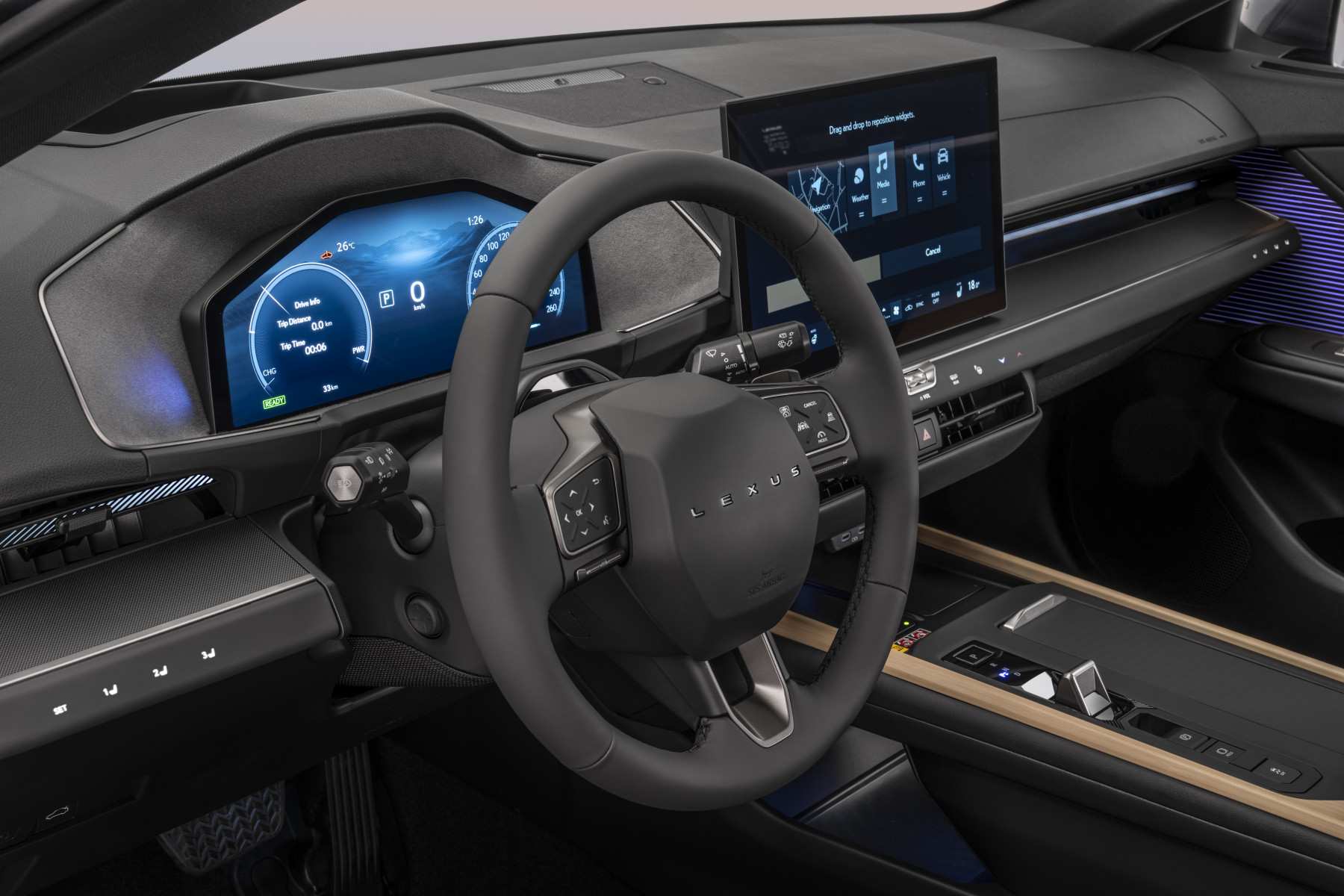
Lexus ES: common problems and what you need to know
The Lexus ES is known as a reliable luxury car with a strong reputation, but even this Japanese premium model has specific points of attention that owners and potential buyers need to be aware of. From melting dashboards to oil leaks and electronic faults, each model year has its own vulnerabilities. Anyone who owns or is buying a Lexus ES would be wise to know about these problems and spot them in good time.
Why pay attention to problems with a reliable brand?
The Lexus ES generally scores excellently on reliability and has relatively low maintenance costs compared with European rivals. However, no car is perfect. Certain model years and generations show specific defects that can lead to expensive repairs. By knowing these problems in advance, you can carry out a targeted inspection before buying. It also helps you plan preventive maintenance better. In addition, it helps to recognise symptoms at an early stage, so that small issues do not grow into major failures. For a complete overview of possible complaints with this brand, you can also consult the overview page on Lexus car problems.
‘ The plastic dashboard can actually start melting under the influence of sunlight. ’
Melting dashboards: the most striking defect
The most remarkable problem with the Lexus ES affects owners of model years 2007 through 2009. The plastic dashboard can actually start melting under the influence of sunlight. This leads to visible damage and at the same time poses a potential safety issue. The defect has led to several class-action lawsuits against Toyota and Lexus, in which owners claimed the manufacturer had misled them with warranty programmes.
The replacement cost for a dashboard is considerable. Because for a long time the manufacturer did not have enough replacement parts available for all affected vehicles, waiting times increased even further. Fortunately this problem does not occur with newer generations, but when buying an ES from this period, checking the dashboard is essential.

Oil leaks in older models
Oil leaks occur regularly in older Lexus ES models. The severity ranges from slight seepage to sudden, serious oil loss. The cause often lies with defective oil lines that can crack or come loose due to wear or vibrations.
The cost of replacing the oil lines themselves is limited. The part usually costs between €10 and €100. Labour costs are added on top, depending on how accessible the defective line is. Newer models appear to be less prone to this problem, which points to improved materials or production processes. Regularly checking the engine bay for oil spots helps to detect this problem at an early stage.
Air-con systems with defective evaporator cores
Owners of the 2007–2009 models regularly report problems with the air conditioning system. The evaporator core is prone to cracking, caused by manufacturing defects or normal wear. This results in reduced cooling performance, which is especially noticeable during warm periods.
A defective evaporator core needs to be replaced. This is a labour-intensive job, as large sections of the dashboard have to be dismantled. That makes the repair relatively expensive. The problem often develops gradually. At first the cooling performance drops slowly; later the system stops working altogether.
‘ Some cases require replacement of the infotainment unit itself, which is considerably more expensive. ’
Infotainment and GPS faults
GPS faults were mainly an issue in early releases of the ES 350, but are less common in newer models. In addition, owners of model years 2008 to 2010 and 2014 have reported blacked-out infotainment systems. The screen then stays black or no longer responds, making Bluetooth, navigation and radio unusable.
Dealers often resolve these issues with a software update. Some cases require replacement of the infotainment unit itself, which is considerably more expensive. When buying a used ES from this period, it is sensible to test all electronic functions thoroughly during a test drive.

Engine problems in specific model years
Blown cylinder heads (damaged head gaskets between the cylinder head and engine block) occur in the 2007 ES 350. This is usually caused by coolant loss, incorrectly fitted head gaskets or restricted coolant flow. Symptoms include rough running (misfires), coolant leaks and white smoke from the exhaust system.
This is a serious problem that requires professional repair. The cylinder head then has to be skimmed or replaced, which is a costly job. Newer models, such as the 2020 version, also show engine problems according to recent reports, possibly related to leaks at the timing cover (the cover that encloses the timing belt or chain) in V6 engines. These leaks can lead to oil loss and, in severe cases, engine damage.
Modern generation: EGR valve and cooling system
The current 7th-generation Lexus ES (2019–2025) generally shows better build quality than earlier generations. Even so, some owners report specific problems with the emissions systems and cooling.
The EGR valve (exhaust gas recirculation valve) can stick, leading to poor engine performance, rough idling and increased fuel consumption. The EGR cooler (cooler for recirculated exhaust gases) can start leaking internally, allowing coolant to enter the exhaust system. In addition, the coolant bypass valve (a valve that controls coolant flow) can seize. This triggers fault codes and can cause overheating. These problems often first show up as warning lights on the dashboard and require diagnosis with professional equipment.
‘ Hybrid batteries are expensive components, but are often covered by the extended warranty that Lexus offers on hybrid drivetrains. ’
Hybrid battery warnings
Some owners of the 2020 ES hybrid models report unusual warnings relating to the hybrid battery. These warnings may indicate problems with the battery cells, the battery management system (the control system that manages the battery) or battery cooling.
Hybrid batteries are expensive components, but are often covered by the extended warranty that Lexus offers on hybrid drivetrains. Check whether the warranty is still valid when you buy the car. When warning lights appear, quick diagnosis is important so you can determine whether it is a minor software issue or a hardware failure.

Chassis and suspension: comfort and noises
The Lexus ES is known for its comfortable ride, but the chassis also has points to watch. Owners sometimes report unusual noises from the front suspension, especially in older models with higher mileage. This may indicate worn bushes, defective shock absorbers or wear on the anti-roll bars.
You usually solve these problems by replacing the relevant parts. Preventive maintenance on the suspension, including checking bushes and dampers, helps to maintain ride comfort and prevent further wear. Knocking or rattling noises when driving over bumps are often early signs of suspension wear.
Interior and exterior quality
The interior build quality of the Lexus ES is generally high. The latest generation shows fewer issues with paint quality, panel gaps or water leaks compared with earlier models. However, older examples can suffer from rattles in the dashboard or door panels, mainly after many years of use.
Paint problems are rare with Lexus, but can occur on vehicles that have spent long periods in full sun. The paint layer can then fade or lose its shine. Regular waxing and protection against UV radiation help to keep the paint in good condition.
‘ Recalls are usually carried out free of charge, even on vehicles without a dealer service history. ’
Recalls and known manufacturing defects
Toyota and Lexus have carried out various recalls for the ES over the years. The most notable concerns the melting dashboard on models from 2007 through 2009, which led to an extensive programme of replacement or compensation. In addition, there have been recalls for specific software updates to the infotainment system and inspections of safety components.
When buying a used Lexus ES, you can check with the dealer whether all recall work has been carried out. This is done using the vehicle identification number (VIN). Recalls are usually carried out free of charge, even on vehicles without a dealer service history.
Preventive maintenance: avoiding problems
Regular maintenance is the best way to prevent many problems with the Lexus ES. Pay attention to the following points:
- Check the oil level regularly and change the engine oil according to the prescribed schedule
- Have the cooling system checked annually, including for leaks and the condition of the coolant
- Test the air conditioning system every year, even in winter, to keep the system running smoothly
- Update infotainment software when the dealer recommends it
- Inspect the dashboard of 2007–2009 models regularly for distortion
Lexus has recently increased the recommended oil change intervals from 5,000 to 10,000 kilometres. However, some owners and specialists advise sticking to shorter intervals, especially for vehicles that make lots of short trips or are used in harsh conditions.
Diagnosis and repair in case of problems
When you notice symptoms, timely diagnosis is important. Modern Lexus models have extensive self-test functions (internal monitoring systems) that log fault codes. A Lexus dealer or specialist workshop can read these codes using professional diagnostic tools.
For complex issues such as engine failures, hybrid system problems or electronic faults, a specialist workshop is the best choice. They have brand-specific knowledge and genuine parts. For routine servicing and simpler repairs, a good general garage is often sufficient, which can help to save costs. Do make sure the garage has experience with Lexus or Toyota models.
‘ Hybrid battery replacement is the most expensive item, with costs that can rise to €3,000 or more, although this is often covered by warranty. ’
Costs of maintenance and repair
The Lexus ES has relatively low maintenance costs for a luxury car. A standard service at a dealer costs between €200 and €400, depending on the type of service. At independent garages, these costs are often 20 to 30 per cent lower.
Repair costs vary greatly depending on the problem. Simple jobs such as replacing oil lines cost a few hundred euros including labour. More complex repairs, such as replacing an evaporator core, cylinder head or infotainment unit, can run to €1,500 or more. Hybrid battery replacement is the most expensive item, with costs that can rise to €3,000 or more, although this is often covered by warranty.
The balance: reliable, with some caveats
The Lexus ES lives up to its reputation as a reliable luxury car. Most problems are concentrated in specific model years, particularly the 2007–2009 period. Newer generations generally show fewer defects and better build quality. Well-maintained examples can easily reach 150,000 kilometres or more without major issues.
For potential buyers it is important to look at the 2007–2009 and 2020 model years with extra care because of the known issues. A thorough inspection and obtaining the full service history are essential when buying. For current owners, regular maintenance and timely attention to minor symptoms offer the best guarantee of a long service life and low total costs. Always check before buying whether all relevant recalls have been carried out, and if in doubt, have an independent inspection done.