
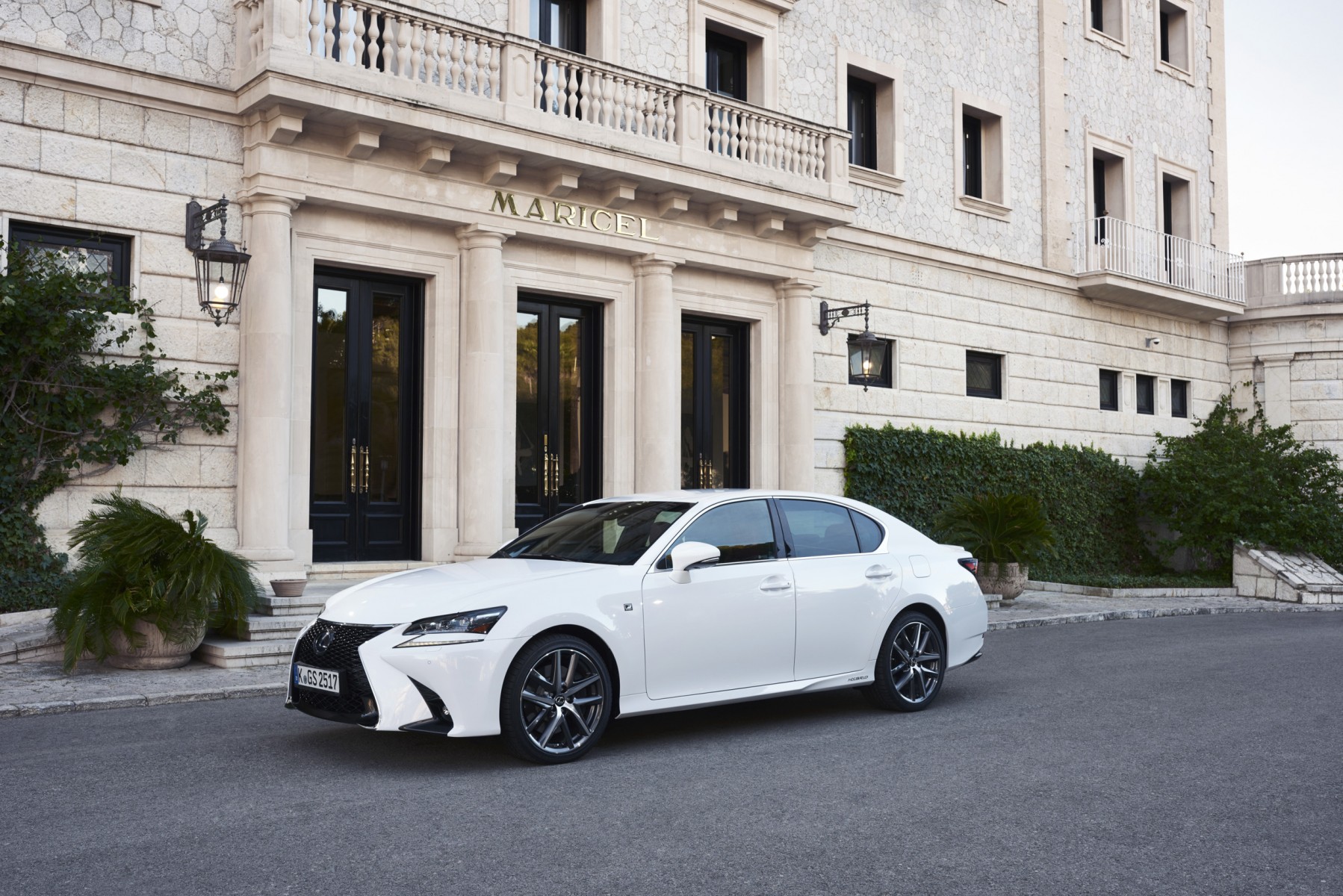
Lexus GS: reliable luxury with points to watch
The Lexus GS combines a prestigious appearance with sporty driving dynamics, but even this Japanese luxury saloon is not perfect. Although the GS of various generations is known for its solid build quality, cars with higher mileage in particular show specific technical vulnerabilities that require attention. From exhaust leaks to transmission complaints: owners and potential buyers are well advised to know the most common weak spots.
Do you want a complete overview of possible technical issues with this brand? Then take a look at all Lexus car problems to be better informed before making a purchase decision. In this article we look in more detail at generation-specific issues, maintenance advice and expected costs that you, as an owner or buyer of a Lexus GS, should take into account.
The Lexus image and the position of the GS
Lexus earned its reputation with impeccable reliability and refined fit and finish. For many years the GS occupied a middle position between the compact IS and the flagship LS, aimed at buyers who want a combination of sportiness and luxury. The brand scored highly for years in reliability surveys, but that does not mean that specific models and generations do not have their own technical ailments.
The GS was produced in four generations, from 1993 to 2020. The third generation (2005–2012) and fourth generation (2013–2020) are the most common on the European used-car market. Within that range you will find engines such as the 3.5 V6 in the GS350, the 4.3 V8 in the GS430 and hybrid drivetrains in the GS450h. Each of these configurations has its own strengths and weaknesses that become noticeable in everyday driving.
‘ If you keep the known weak spots in mind, you can limit repair costs and keep the car’s reliability high for longer. ’
Frequently reported problems across all generations
Owners of the Lexus GS generally report few catastrophic failures, but from around 100,000 kilometres specific points to watch crop up regularly. Exhaust leaks at the catalytic converter, fuel system complaints and cooling-system-related problems are among the most frequently reported issues. In addition, suspension components and electronics show wear over time.
Importantly, many problems can be controlled preventively through regular servicing and targeted inspections. If you keep the known weak spots in mind, you can limit repair costs and keep the car’s reliability high for longer.

Engine and fuel system: what can go wrong?
The 3.5 V6 engine in the GS350 is considered robust, but sometimes suffers from problems with its fuel injectors. Clogged injectors trigger a check engine light and cause rough running. Mechanical cleaning of the injectors and fuel rail usually solves the problem. Preventive cleaning of the injectors every 50,000 kilometres can help avoid this.
On higher-mileage models fuel leaks occur, especially at the fuel pump and lines. This is an expensive repair that requires prompt attention. Oxygen and emissions sensors also sometimes fail prematurely, resulting in fault codes and less efficient combustion.
Exhaust issues mainly affect the 2013 models. Rust formation at the connection between the catalytic converter and the exhaust pipe leads to leaks and can cause problems during the MOT test. Early inspection and treatment of rust-prone areas is recommended.
Cooling system and water pump: regular checks needed
The GS water pump often fails from around 150,000 kilometres. Early signs are a pink residue under the car and a grinding noise while driving. Replacing the water pump costs between €600 and €800, depending on the model and the workshop. Early detection prevents overheating and engine damage.
The cooling system is prone to contamination. Flushing annually and refilling with fresh coolant helps prevent blockages, especially on intensively used GS300 and GS350 examples. During servicing always check the hoses and connections for swelling or leaks.
‘ Always use genuine Lexus parts for the drivetrain during servicing. ’
Transmission: no structural failures, but some complaints
The automatic transmissions in the GS, both the 6-speed and the newer 8-speed, do not show structural failures. Owners do, however, report vibrations in the first two gears, harsh shifts and slipping. These complaints are hard to pinpoint and vary greatly from car to car. Regular replacement of the transmission oil can help keep the shifting smooth.
On the GS450h hybrid, additional transmission problems are less common, but the complexity of the drivetrain makes repairs more expensive. If in doubt, have a specialist workshop read the transmission fault codes. Always use genuine Lexus parts for the drivetrain during servicing.
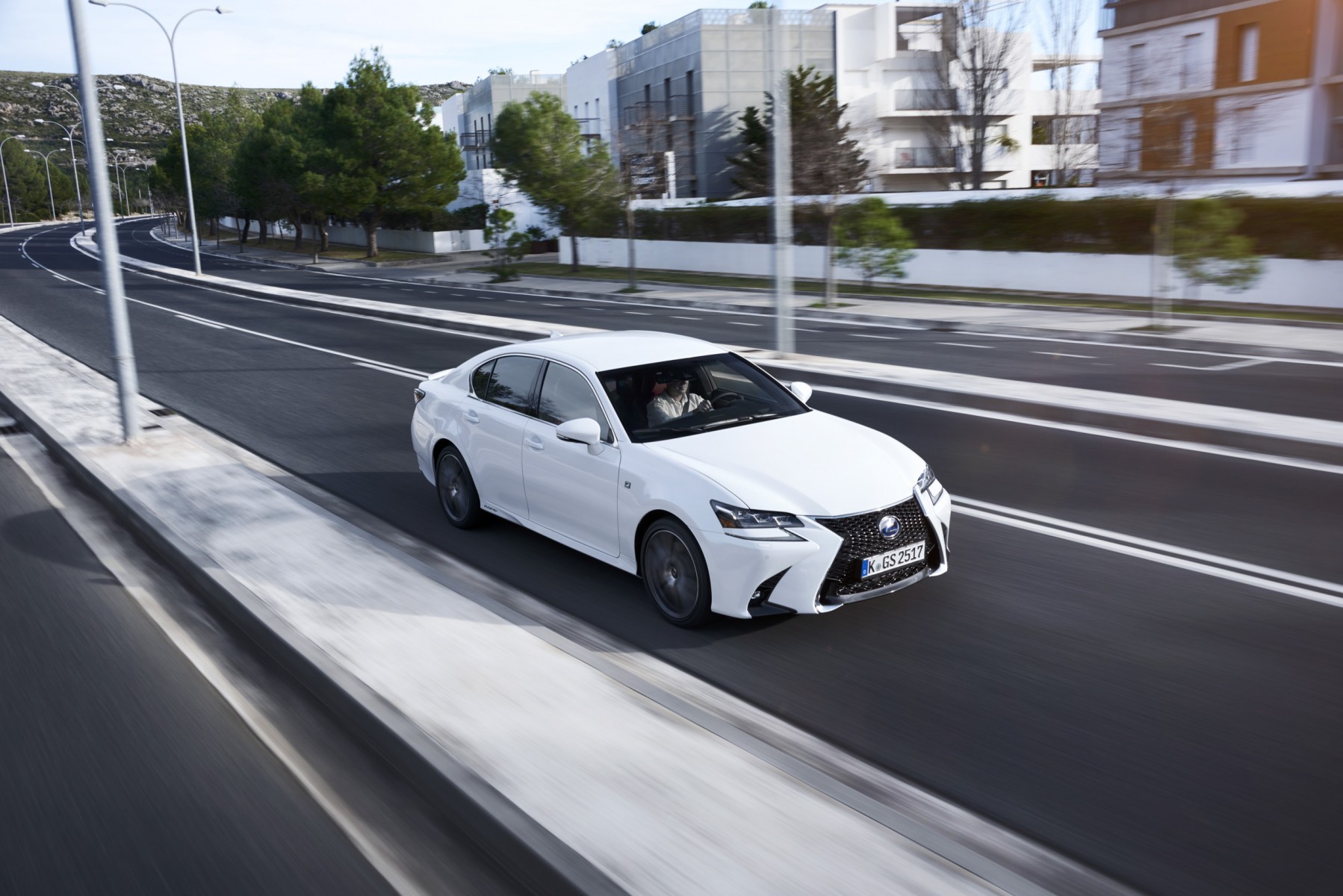
Suspension and chassis: watch for wear
Shock absorbers on the Lexus GS typically last around 100,000 kilometres. On 2014 and 2015 models leaking dampers occur earlier. Leaking shock absorbers reduce ride comfort and roadholding. Visual checks during services help to spot this in time.
Bushes, bearings and ball joints wear at a normal rate, comparable to other cars in this segment. Replacement costs are in line with similar luxury models. The steering rack on early examples of the fourth generation was prone to leaks, but this problem was addressed at the time through a recall.
The brakes also deserve attention. Caliper guides must be lubricated every time the brake pads are replaced to prevent uneven wear. Rear brake pads last 60,000 to 80,000 kilometres, front pads 30,000 to 40,000 kilometres. Regular cleaning of the caliper guides prevents premature wear and vibrations.
Electronics and sensors: not always fault-free
The electronics in the Lexus GS are generally reliable, but minor faults do occur. A flat battery regularly turns out not to be caused by a dead battery, but by a parasitic drain from an electronic control unit, light or accessory that does not switch off. Have an auto electrician check for parasitic current draw before you buy a new battery.
Starting problems are particularly common on the hybrid GS450h, often accompanied by a brief rattling tick on a cold start. This is caused by the vacuum pump. Lexus has issued a Technical Service Bulletin for this. The servo motor can also cause faults.
Condensation in the headlamps is a cosmetic issue that occurs regularly. The tyre pressure sensors (TPMS) have batteries that run flat after a few years. These batteries can often be replaced separately without having to buy a whole new sensor.
‘ A wet boot indicates blocked drains or faulty rubber seals, which can be an expensive repair. ’
Interior and bodywork: limited issues
The interior of the Lexus GS is generally well put together. Creaks and rattles are rare, but not impossible on older examples. The materials usually stand up well to wear. Some owners do report loose parts, such as the number plate bracket.
Rust problems are limited, but paint flaking and leaking seals do occur in some cases. When buying, check the boot after rainfall. A dry interior means good sealing. A wet boot indicates blocked drains or faulty rubber seals, which can be an expensive repair.
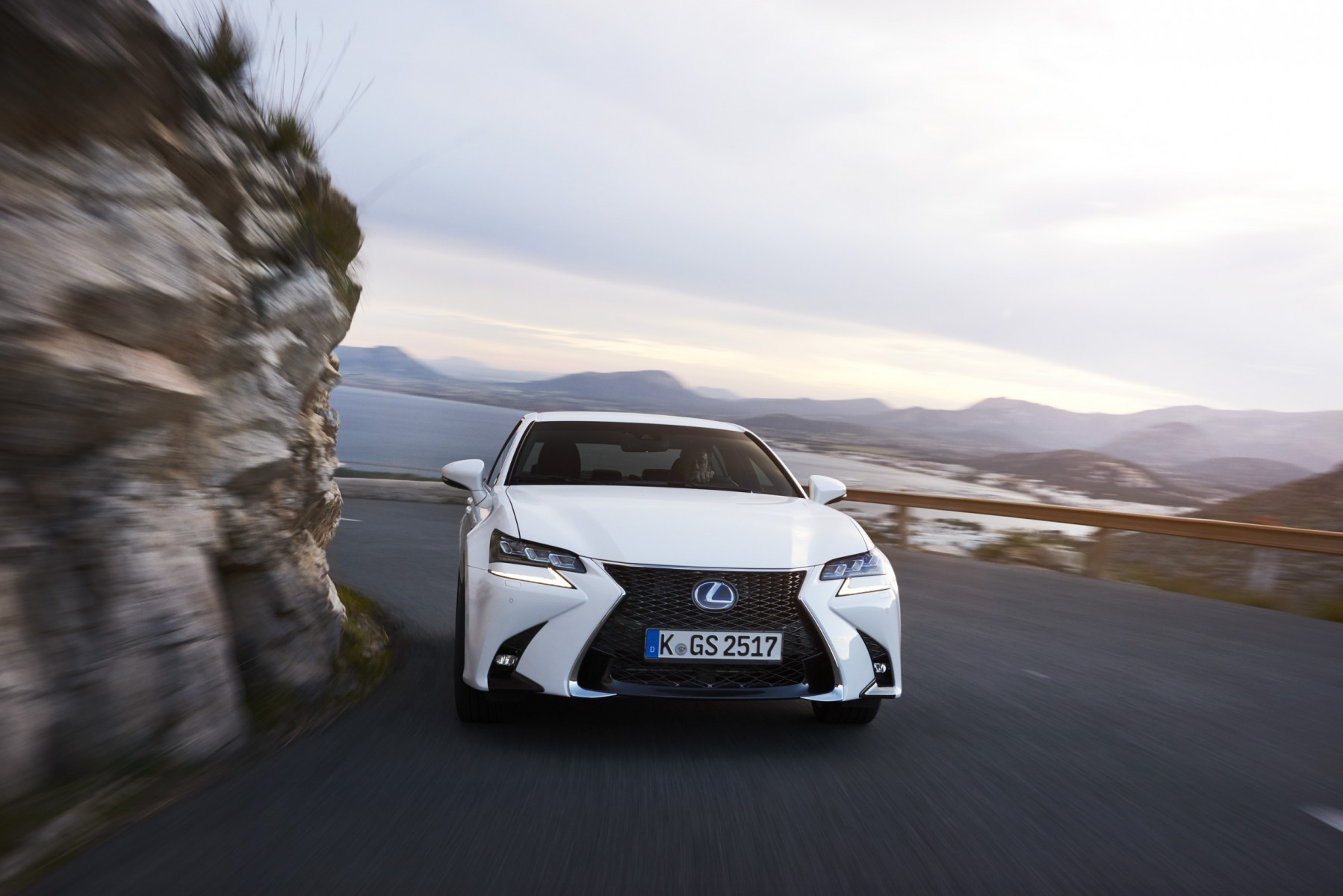
Preventive maintenance and practical tips
Regular servicing keeps the Lexus GS in good condition. Follow the manufacturer’s service schedule and pay extra attention to the known points to watch. Flush the cooling system annually and clean the fuel injectors every 50,000 kilometres. Visually check the water pump for residue and listen for unusual noises.
Inspect the shock absorbers regularly for leaks and lubricate the caliper guides at every brake service. In the event of starting problems or electrical issues, first have the parasitic current draw checked. For critical components such as the transmission and suspension always use genuine Lexus parts specifically matched to the car.
Follow Lexus Technical Service Bulletins to tackle known problems such as the vacuum pump noise proactively. This prevents small complaints from escalating into expensive repairs.
Repair costs: what should you expect?
Repair costs vary greatly depending on the problem and region. Replacing a water pump costs between €600 and €800. Cleaning the fuel injectors costs between €200 and €400, depending on their condition. Replacing leaking shock absorbers in pairs costs around €800 to €1,200, including labour.
Transmission servicing with oil and filter change costs around €300 to €500. Starting problems or repairs to the vacuum pump range from €200 to €600. Electrical faults are harder to price because of the diagnosis time, but expect at least €100 for investigation plus parts.
Preventive maintenance is cheaper than corrective repairs. An annual coolant flush costs roughly €80 to €120, which is relatively little compared with a new water pump or engine damage due to overheating.
‘ The GS350 with 6-speed automatic from 2012 to 2014 generally scores well in owner reviews, while the 8-speed transmission shows shifting problems more often. ’
Buying advice for a used Lexus GS
When buying a used Lexus GS, first check the service history. Full servicing at an authorised workshop inspires confidence. Pay attention to the mileage and ask about recent replacement of the water pump, shock absorbers and brakes.
Test the car thoroughly and listen for unusual noises when shifting, starting and driving. Check the bodywork and chassis for rust, especially around the exhaust and catalytic converter. Look underneath the car for fluid leaks and inspect the engine bay for pink residue around the water pump.
Ask the seller about known issues and any recalls that have been carried out. If in doubt, have the car inspected by a specialist or an independent inspection service. Invest in a thorough check to avoid unpleasant surprises later.
Pay particular attention to examples from 2014 and 2015 because of leaking shock absorbers, and 2013 models because of exhaust rust. The GS350 with 6-speed automatic from 2012 to 2014 generally scores well in owner experiences, while the 8-speed transmission shows shifting problems more frequently.
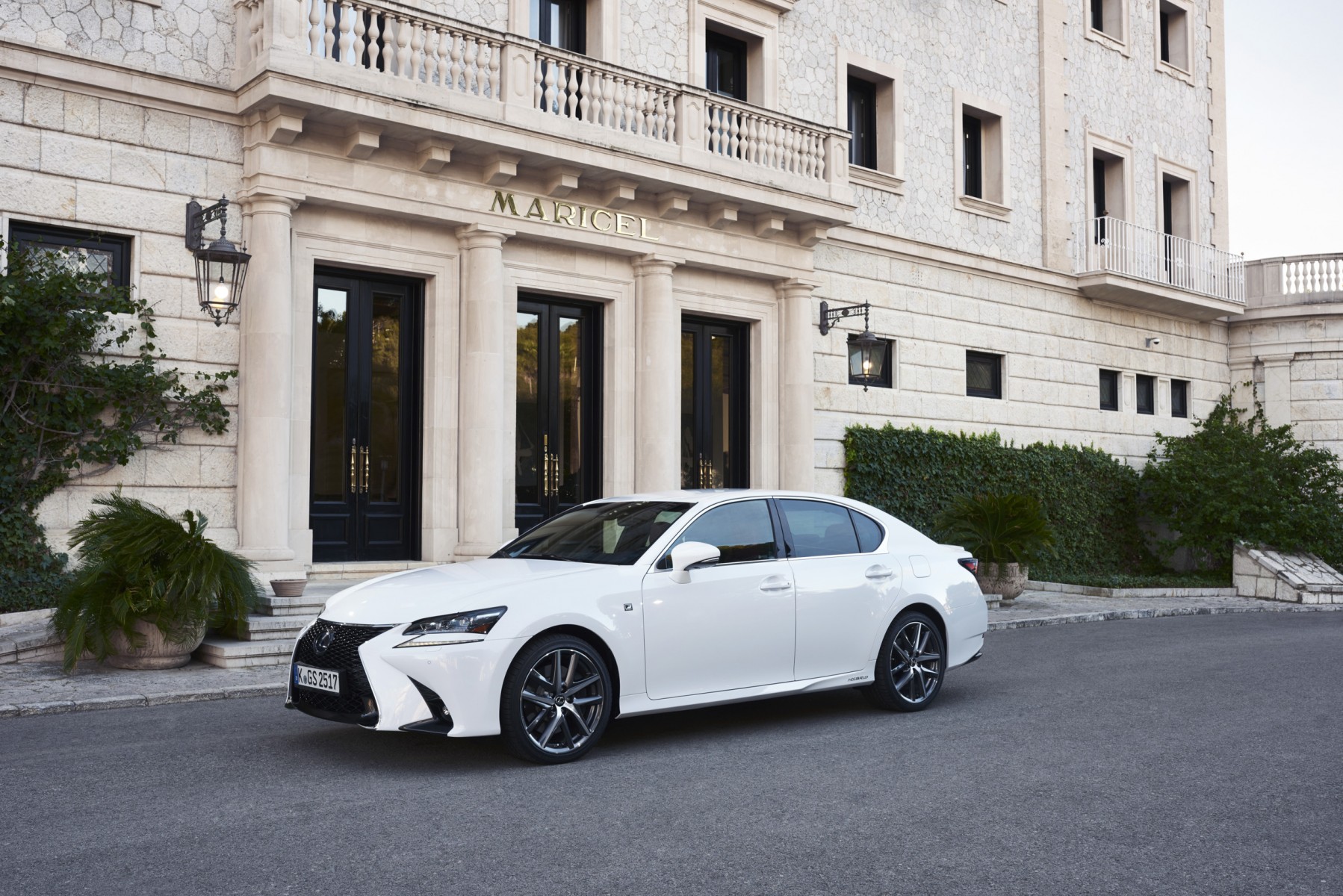
The balance between quality and maintenance
The Lexus GS is a luxury saloon that, with proper maintenance, will reliably cover 200,000 kilometres or more. However, the car does not have a perfect score. Exhaust leaks, fuel system issues, water pumps and suspension components require targeted attention. Electrical faults remain limited, but sometimes require specialist diagnosis.
For car enthusiasts looking for a comfortable and sporty saloon with Japanese build quality, the GS remains an appealing choice. Make sure you know the known weak spots and plan preventive maintenance. With realistic expectations and a proactive approach, the Lexus GS offers years of driving pleasure without major worries.