
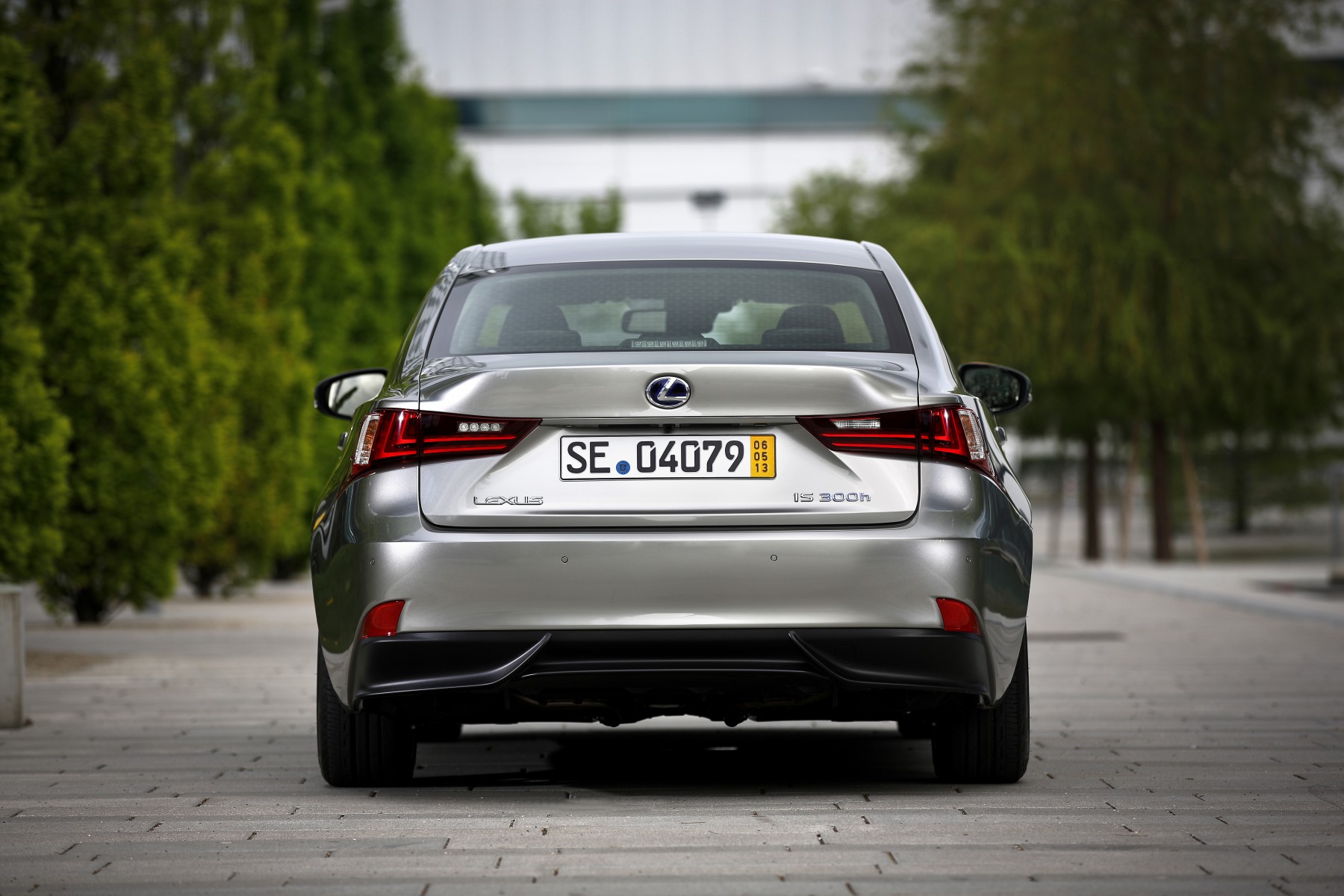
Lexus IS: reliable sports saloon with a few points to watch
The Lexus IS has enjoyed a solid reputation as a reliable sports saloon for years, and that’s no coincidence. This compact premium car consistently scores around 85 percent in reliability surveys. That means the IS performs better than many rivals. However, there are generation-specific problems. As an owner or potential buyer you need to take these into account. The second generation has melting dashboards. Older models have oil consumption issues. The IS is not without weak spots. This article gives you insight into the most common problems per generation, so you know what to look out for.
Lexus positions itself in the premium segment with a focus on quality and durability. That reputation is generally deserved, but even the IS is not completely free from technical issues. The second generation in particular (2006–2013) suffers from specific complaints. You’re better off knowing these in advance. For owners and buyers reading about Lexus car problems, it is important to recognise these generation-specific weaknesses. You can then make targeted choices when it comes to purchase or maintenance.
Below you’ll find an overview of the most important problems per generation, practical maintenance tips to prevent issues, and an estimate of expected repair costs. This helps you assess whether a Lexus IS suits you and how you can extend the lifespan of this model.
Three generations, each with their own weaknesses
The Lexus IS has three generations. Each has its own characteristic problems. The first generation (2005–2009) is now quite old. This generation mainly shows weaknesses in the cooling system. The second generation (2006–2013) is notorious for interior problems and oil consumption. The third generation (2014–present) scores best on reliability, but even here electrical issues and tyre wear appear.
Each model has its own points of attention. For older examples, the mileage is an important factor. Many problems only arise after 150,000 kilometres. For potential buyers it is therefore wise to carefully compare the model years and known problem areas before making a choice.
‘ Even so, there are a few recurring weaknesses you need to keep an eye on. ’
First generation (2005–2009): cooling system and oil leaks
The first-generation IS is essentially a solid car. With proper maintenance it often exceeds 250,000 kilometres. Even so, there are a few recurring weaknesses you need to keep an eye on. The cooling system is the main one. After around 150,000 kilometres, cracks start to appear in the radiator. Rust formation often accelerates this process. This leads to coolant leaks. Overheating is then the result. Regularly check whether there are puddles of fluid under the car.
Another common problem is oil leakage at the rocker covers. This is not an immediate danger. If neglected, it leads to low oil levels and engine damage. Check the oil level regularly. This is especially important with cars that have higher mileage. Some owners also report sluggish acceleration. This occurs particularly with the automatic gearbox. It is often linked to recalls involving the accelerator pedal mechanism. When buying, check whether these recalls have been carried out.
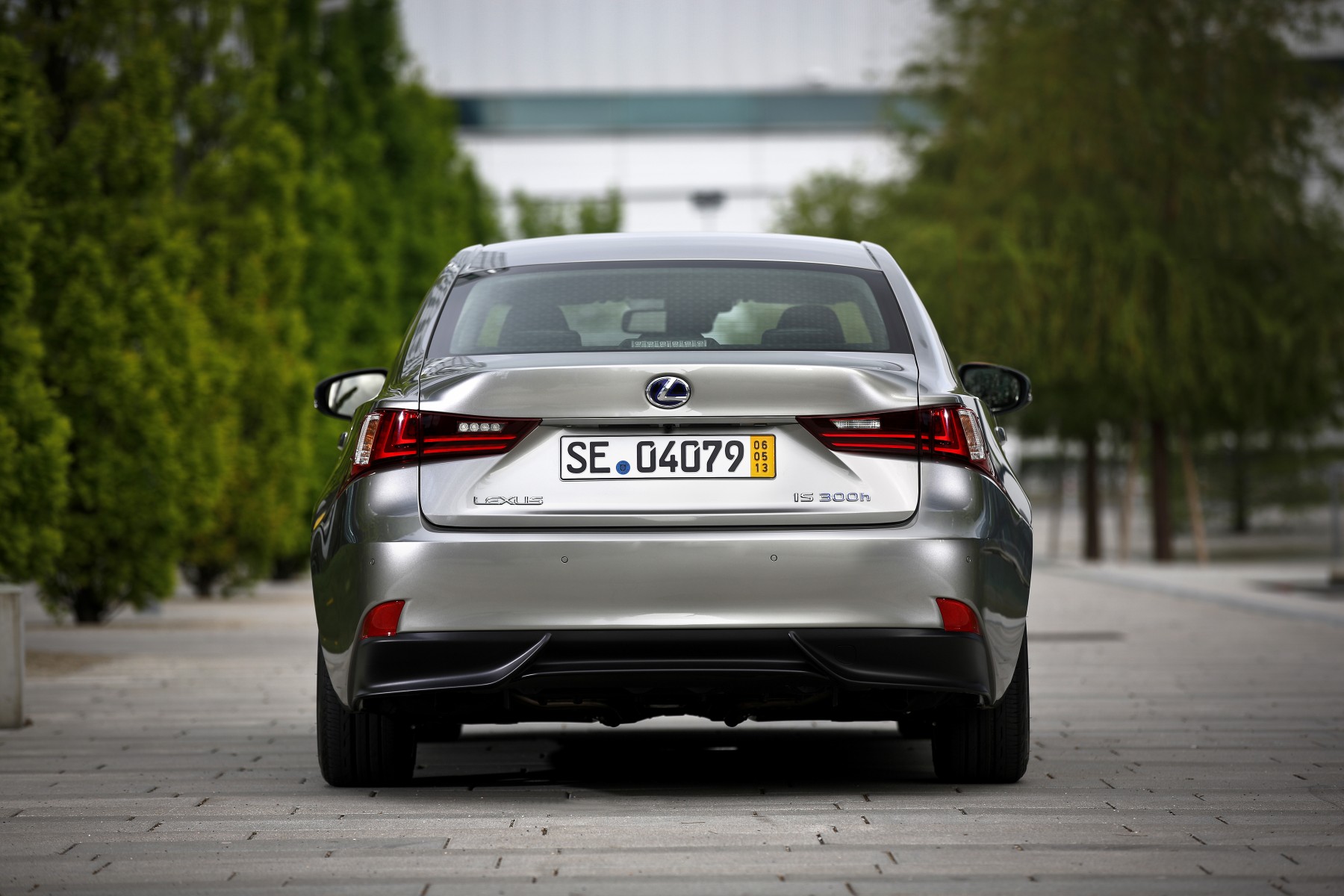
Second generation (2006–2013): melting dashboard and excessive oil consumption
This is the generation with the most complaints, especially the 2007 and 2008 model years. The most striking problem is the melting dashboard. Heat makes the plastic of the dashboard and door panels sticky and shiny. It even releases toxic fumes. This mainly occurs in hot climates, but there are also known cases in the Netherlands involving cars that are often parked in full sun. In some cases Lexus has offered goodwill arrangements. This has not always been the case.
In addition, the IS250 (2.5-litre engine variant) and IS350 (3.5-litre engine variant) from this period often suffer from excessive oil consumption. The engine uses oil between services. Regular top-ups are essential. Always use high-quality synthetic oil and check the level frequently. If neglected, sludge build-up (deposits from contaminated oil) forms in the engine. This leads to costly damage. The gearbox (transmission) can also cause problems: delayed shifts or malfunctions are not uncommon.
Electrical faults (glitches) such as power loss or intermittent power steering occur less frequently. These glitches are still dangerous. When buying, test all electrical functions. Watch out for irregularities in the steering. Looking for a used car? Ideally avoid the 2006 to 2008 model years. Always inspect the interior thoroughly for sticky residue. Ask about the engine’s service history.
Third generation (2014–present): electronics and tyre wear
The third-generation IS scores significantly better on reliability, with scores up to 97.7 percent in owner surveys. Major structural problems are rare, but there are a few points to watch. Electrical faults occur, especially in the infotainment system (the screen and control system for navigation and media). The touchscreen freezes or cuts out completely. The air conditioning also shows faults. These issues are often resolved with a software update at the dealer.
Rapid tyre wear is another frequently heard complaint. Due to the weight and sporty suspension set-up (suspension of the wheels and springs), tyres wear faster than average. Rotate the tyres every 10,000 kilometres. This prevents uneven wear. Also check the wheel alignment regularly. In addition, there are reports of premature wear of the fuel pump and suspension (suspension of the wheels and springs). Vibrations while driving point to worn suspension components.
With the third generation you should also pay attention to recalls, particularly concerning airbags that may not function correctly. Use the chassis number (VIN) to check whether all recalls have been carried out. For used cars, stone chips, wheel damage and cracks in the windscreen are important inspection points. Overall, this generation is the best choice for those seeking reliability.
‘ Sludge build-up (deposits from contaminated oil) is a direct consequence of neglected oil changes. ’
Engine and drivetrain problems: oil consumption and gearbox
The engines in the Lexus IS are generally robust. They do require consistent maintenance. The biggest issue is the previously mentioned oil consumption. This problem occurs mainly in the second generation. It is caused by design choices in the pistons and piston rings. Therefore, check the oil level before every long journey. Top up if needed. Always use good-quality synthetic oil.
Sludge build-up (deposits from contaminated oil) is a direct consequence of neglected oil changes. Oil stays in the engine for too long, so deposits form. These hinder lubrication. This leads to serious engine damage. Change the oil every 8,000 to 10,000 kilometres. Do you use the car intensively or drive lots of short journeys? Then more frequent changes are needed. The gearbox (transmission) also deserves attention. Shift delays in the automatic occur. This happens mainly in the second generation. It points to ageing transmission fluid. Replace it every 60,000 kilometres. That way you prevent problems.

Electronics and interior: from melting plastic to frozen screens
As mentioned earlier, the melting dashboard in the second generation is a well-known issue. Park the car in the shade as much as possible and consider a dashboard cover in summer. Lexus has sometimes offered discounted repairs, but this varies by region and period. When buying, check whether this problem has already been resolved.
In the newer models, the focus is more on electrical faults. The infotainment system (the screen and control system for navigation and media) freezes or responds slowly. Sensors for parking assistance or systems that help keep the car within the lane (lane-keep assist) fail. Software updates carried out by the dealer solve these kinds of problems. Keep the system up to date via the dealer. The air conditioning also shows faults. This is often due to electrical rather than mechanical causes. Have it checked if the cooling does not work properly.
Chassis, brakes and suspension: wear from its sporty character
The Lexus IS has a sporty set-up. This brings increased wear. Shock absorbers become less effective over time, especially with intensive use. You experience a bumpy ride. Braking distances also become longer. In addition, uneven tyre wear develops. Have the shock absorbers checked at the MOT and replace them if necessary.
The rubber bushes in the suspension are prone to wear. When driving over bumps, knocking or rattling noises occur. This leads to costly damage. The steering also feels less precise as a result. Brakes and discs wear quickly on the IS. This is due to the relatively high weight and powerful engine. Check brake discs and pads at every service. Replace them in good time. Worn brakes lead to longer stopping distances and also damage other components.
‘ “A thorough inspection beforehand can save you a lot of hassle and expense.” ’
Maintenance to prevent problems and key checks for owners
With the right maintenance routine you can prevent many problems or spot them early. Change the engine oil every 8,000 to 10,000 kilometres using synthetic oil. This prevents sludge build-up (deposits from contaminated oil) and reduces oil consumption. Also check the oil level regularly, especially on older models or cars with a known history of oil consumption.
Inspect the cooling system for leaks. Have the coolant replaced according to schedule. This helps to prevent overheating. Have the transmission fluid changed every 60,000 kilometres, even if this is not always listed in the service book. Rotate the tyres every 10,000 kilometres. Have the wheel alignment checked. This extends the life of the tyres and improves handling.
Buying a used car? Always check the service book. Ask about any recalls carried out. Examine the interior carefully for melting plastic. Test all electrical functions. These include the infotainment system (the screen and control system for navigation and media), the air conditioning and the power steering. Watch out for vibrations and strange noises. Also check for oil leaks. A thorough inspection beforehand can save you a lot of hassle and expense.
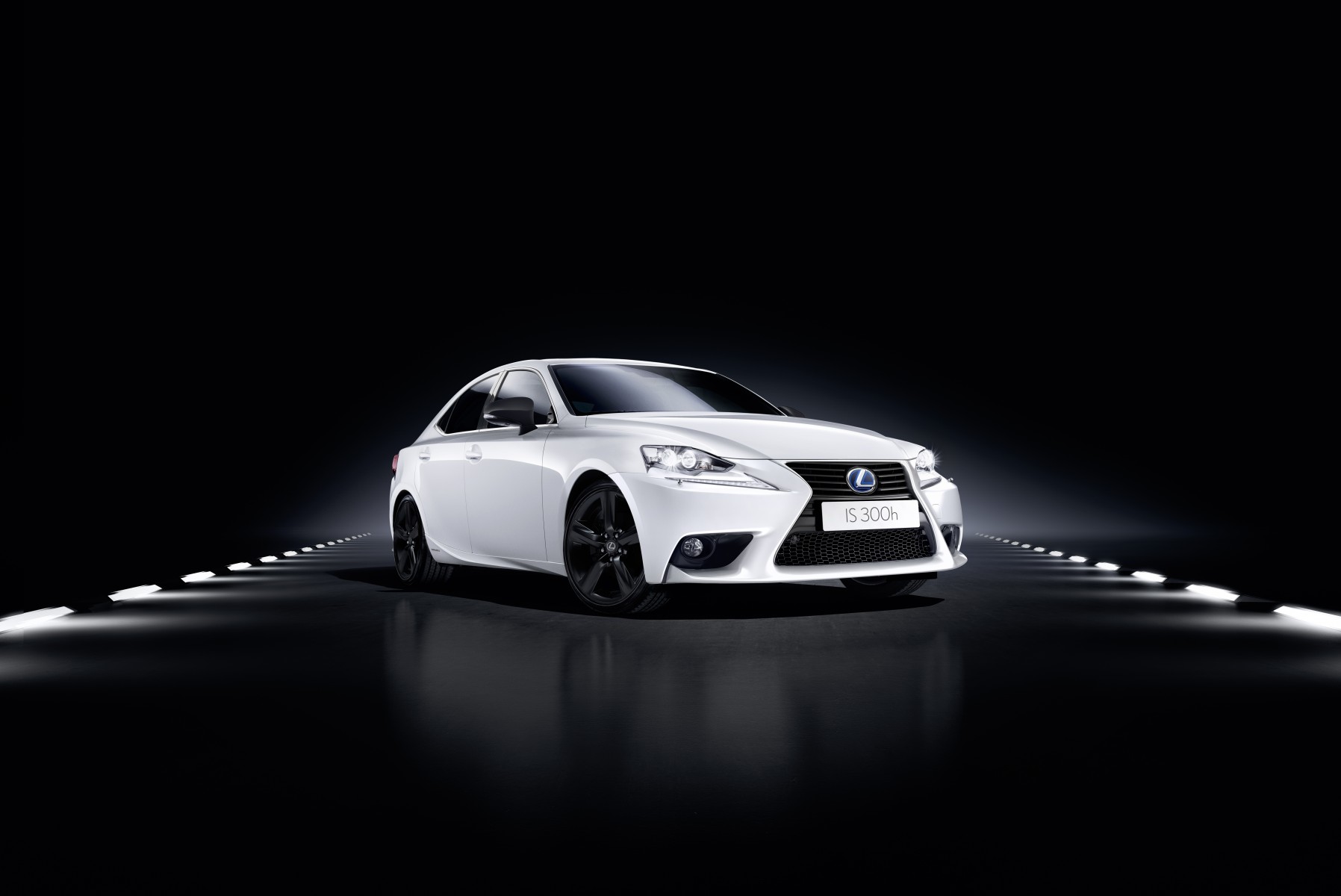
Repair costs: what to expect
The repair costs for a Lexus IS vary widely. It depends on the problem and the generation. A new radiator costs between €300 and €600, excluding fitting. Replacing the dashboard on the second generation is expensive. Expect to pay €1,000 to €2,000. The exact costs depend on the approach taken and any goodwill from Lexus.
Rocker cover repairs due to oil leaks usually cost between €400 and €800. Gearbox (transmission) servicing with a fluid change is around €200 to €400. Software updates for the infotainment system (the screen and control system for navigation and media) are often free at the dealer, especially if the car is still under warranty. Replacing shock absorbers costs around €200 to €400 each. The exact price depends on the brand and labour costs. Brake discs and pads cost between €400 and €700 for a full set.
Many of these costs can be avoided by preventive maintenance and timely checks. Fixing a small leak now is always cheaper than a major repair later.
What you need to know before buying a Lexus IS
The Lexus IS remains an appealing choice for anyone looking for a reliable sports saloon. The third generation (2014 and newer) is the best option with the fewest structural problems. Considering a used car from the second generation? Avoid the 2006 to 2008 model years. These years have the most complaints, especially concerning the interior and oil consumption.
When buying, always check the service book. Ask specifically about completed recalls. Test all electrical functions. Inspect the interior for sticky residue and other signs of heat damage. Look underneath the car for leaks. Listen for unusual noises during the test drive. Owners often report that a Lexus IS can easily cover more than 150,000 kilometres without problems, as long as maintenance has been carried out consistently. The car remains sporty, comfortable and surprisingly economical for its class.
Already own a Lexus IS? Stick to the maintenance schedules. Pay attention to the known weak spots of your generation. With the right care, the Lexus IS remains a durable and enjoyable car to drive.