
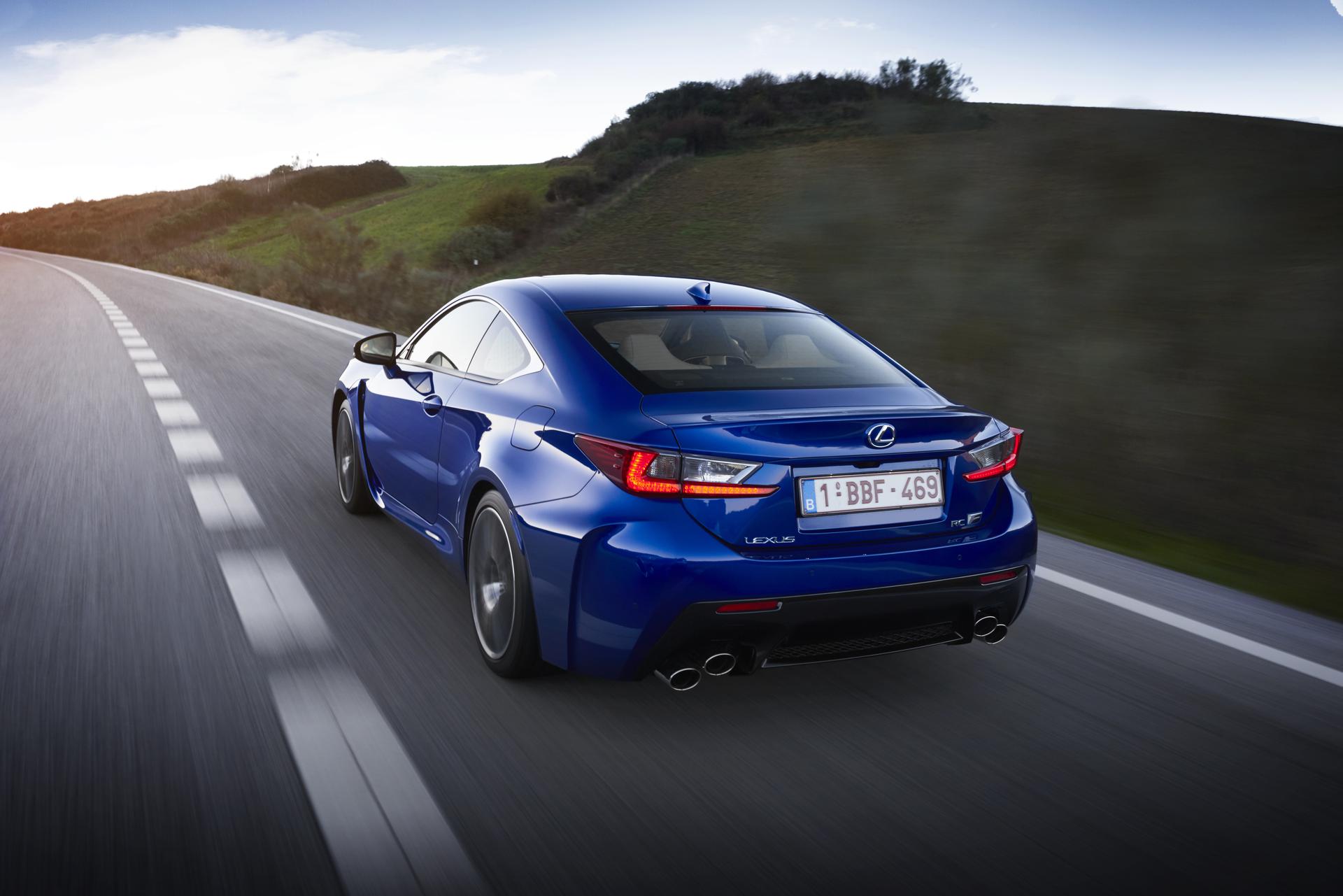
The Lexus RC: common problems and what you need to know
The Lexus RC combines sporty design with the reliability the brand is known for. The model does, however, have a few points to watch. Water ingress in the wheel arches, EGR valves that sometimes stick and HVAC issues are the most reported concerns. They occur mainly on early models from before 2016. Fortunately, many of these design issues were addressed in later years, and preventive maintenance turns out to be the key to long-lasting driving enjoyment. Which problems deserve your attention, and how can you avoid unpleasant surprises?
A sporty coupé with Lexus genes
The Lexus RC appeared in 2014 as a sporty two-door coupé and positioned itself among the compact luxury sports coupés. The model was launched with several engine variants, including the powerful RC F with a 5.0-litre V8. The RC shares its platform with the GS saloon, combining ride comfort with more dynamic handling. The model is appreciated for its high-quality finish and refined driving characteristics, traits that are typical of the brand.
Are you considering an RC or do you already own one? Then having insight into possible defects is valuable. Although Lexus has a strong reputation for reliability, certain issues have also been documented for the RC. Thorough knowledge of these points of attention helps you make a well-informed choice. More general information about Lexus car problems gives you context on brand-specific patterns.
Water ingress and rust formation in the wheel arches
The most frequently reported problem with the Lexus RC concerns water ingress in the seams of the wheel arches. This issue occurred mainly on models from the first years of production. In that period, Lexus paid insufficient attention to the weather sealing around the wheel arches, allowing moisture to accumulate. Over time this build-up of moisture can lead to rust, particularly in climates with high rainfall.
Later years of production received improved sealing, and this problem hardly occurs on RCs built after 2016. When buying second-hand, it is sensible to inspect the wheel arches thoroughly for signs of moisture or rust. Pay attention to:
- Rust spots or discolouration around the wheel arches
- Signs of previous repairs to the wheel arch sealing
- Traces of moisture or water droplets after rain
- Damaged or loose rubber seals

Engine performance and EGR valve
Some owners report problems with the EGR valve (exhaust gas recirculation valve), which sometimes sticks. This leads to reduced engine performance and can be difficult to diagnose. The EGR valve recirculates exhaust gases in order to reduce emissions. When this valve gets stuck, it results in irregular idling and loss of power. Faults can also occur in the engine management systems.
In addition, there are occasional reports of leaking high-pressure fuel pumps. This problem is not widespread, but it can have serious consequences if not detected in time. Symptoms include hard starting, loss of power while accelerating, or a smell of fuel under the bonnet. Regularly checking the engine bay for leaks is recommended, especially on vehicles with higher mileage.
Oil consumption on 2015 models
RC models from 2015 have in some cases shown increased oil consumption. This means the engine uses extra oil between services. Although slight oil consumption can be normal on sporty engines, it is important to check the oil level regularly. Check the oil level at least once a month and top up in good time if the level drops below the minimum.
Transmission and timing chain on early models
The very first RC models from 2014 and 2015 experienced timing chain problems in a few cases. This chain ensures synchronisation between the crankshaft and camshaft. When the chain has too much play or stretches, this can lead to engine damage. Fortunately, most cases were handled under warranty, and this problem has hardly been reported since 2016.
The automatic transmission itself is considered reliable, provided the maintenance is carried out correctly. Lexus advises changing the transmission fluid every 80,000 kilometres. This is a preventive measure that can significantly extend the lifespan of the transmission. Symptoms of transmission problems include harsh shifts, delayed response when changing gear, or strange noises while shifting.
‘ Some owners have reported faulty servo motors, particularly on the passenger side of the climate control. ’
HVAC system and climate control
Another point to watch concerns the servo motors of the HVAC system (the heating and air conditioning system). Some owners have reported faulty servo motors, particularly on the passenger side of the climate control. This results in insufficient cooling or an uneven temperature distribution in the cabin. The problem often manifests itself as a ticking noise behind the dashboard or an irregular airflow.
In documented cases these issues were resolved under warranty; sometimes multiple replacements were required. If you hear a ticking noise when adjusting the temperature, or if the climate control does not respond to settings, this may indicate a faulty servo motor. A diagnosis at a specialist workshop can provide clarity.
RC F: specific points of attention for the sports version
The RC F is the high-performance variant with a 5.0-litre V8 engine and requires extra attention. Due to the high power output, a few specific problems have been reported. Some owners have mentioned faulty radar sensors, which can lead to warnings or failure of safety and driver-assistance systems.
There are also known cases of leaking transmissions and increased coolant consumption. The RC F generates more heat than the standard versions, which places extra demands on the cooling and transmission systems. With spirited use, pay extra attention to:
- Regular checks of coolant level and quality
- Transmission temperature during intensive drives
- Correct functioning of radar sensors and driver-assistance systems
- Condition of brakes and brake fluid after track days
Electronic systems and infotainment
The RC features extensive electronics and infotainment systems (audio and navigation). Although these systems are generally reliable, some owners report occasional software problems. These can range from frozen screens to temporary failure of certain functions. In many cases a software update at the dealer resolves these issues.
The radar sensors for adaptive cruise control and lane assist are sensitive to dirt, and incorrect calibration also causes problems. Make sure the sensors stay clean and have them recalibrated after any work on the front bumper. This prevents error messages and ensures the safety systems function correctly.
‘ The shock absorbers and springs retain their characteristics well, even after many kilometres. ’
Chassis, brakes and handling
The RC’s chassis is generally robust and requires little maintenance beyond normal wear items. The shock absorbers and springs retain their characteristics well, even after many kilometres. It is, however, wise to check the anti-roll bar bushes and control arm bushes regularly, as these can harden or crack over time.
The brakes are well sized for normal use. On the RC F, extra attention is required after intensive use, as the higher braking forces cause increased wear. Check the thickness of the brake discs and pads regularly and replace the brake fluid according to the recommendations in the service booklet.

Interior and materials
Lexus is known for high-quality interiors and the RC is no exception. The materials do not wear quickly, but there are a few areas that deserve attention when buying used. Check the driver’s seat for small cracks in the leather, especially on the side bolsters where getting in and out puts pressure on the material.
The dashboard and centre console stand up well to ageing. The buttons and switches retain their feel and function. Piano black trims can sometimes show scratches, but this is a cosmetic issue and does not affect functionality.
Known recalls
A few official recalls have been carried out for the Lexus RC. These related, among other things, to the high-pressure fuel pump and specific software issues. When buying second-hand, it is sensible to check whether all recall work has been completed. You can verify this with the dealer by providing the chassis number.
Most dealers perform this check during a service and will carry out any outstanding recalls free of charge. Bear this in mind when planning maintenance, as some recall jobs can take more time.
Preventive maintenance as a success factor
The Lexus RC proves time and again that consistent maintenance is the best guarantee of reliability. Owners who have their RC serviced every 10,000 kilometres and change the transmission fluid every 80,000 kilometres report excellent results. Some drive more than 100,000 kilometres without mechanical problems, replacing only normal wear parts such as tyres, brakes and filters.
In addition to routine services, there are a few extra points of attention that promote long-term enjoyment:
- Check the oil level monthly, especially on 2015 models
- Keep an eye on the coolant level
- Have the wheel arches checked annually for moisture ingress
- Replace air filters in good time to protect the engine
- Ensure radar sensors and cameras are kept clean
Checklist for buying a used RC
If you are considering a used Lexus RC, a thorough pre-purchase inspection will help you avoid surprises. Have the vehicle checked by an independent, trusted mechanic. Ask them to pay specific attention to the following points:
- Wheel arches and wheel housings for rust and moisture ingress
- Engine bay for coolant and fuel leaks
- Transmission for shifting issues and fluid condition
- HVAC functionality and any ticking noises behind the dashboard
- Verification of completed recall work via the chassis number
- Service history and proof of completed maintenance
- For RC F: extra checks on the cooling system and transmission temperature
Ask for the service booklet and check whether servicing has been carried out in line with the schedule. A complete service history with a Lexus dealer or specialist workshop is a good sign. Also look at the year of manufacture: models built after 2016 have demonstrably fewer teething troubles.
Hybrid system: reliable, but with points to watch
Although the RC was not offered as a hybrid in all markets, it is useful to know that Lexus hybrid systems are generally very reliable. The batteries and electric motors require little maintenance. It is, however, important that the cooling fan and cooling filter of the battery function properly. Overheating can lead to premature failure.
On a hybrid variant, check whether the cooling fan for the hybrid battery is running and whether the filter is clean. This filter is often located in the boot or under the rear seat and can become clogged over time.
‘ The RC proves that Lexus’ reputation for quality also applies to this sporty model, provided you give proper attention to the known points of concern. ’
The RC in perspective: reliable with the right care
The Lexus RC offers an attractive combination of sportiness, refinement and reliability. The problems that do occur are largely limited to early models and were addressed in later production years. Vehicles built after 2016 show a clear improvement.
Water ingress in the wheel arches, EGR valve issues and HVAC problems are the main points of attention. These can be managed well with preventive checks and timely intervention. For the RC F there are additional points to watch relating to cooling and the transmission, especially with intensive use.
Owners who are prepared to invest in regular maintenance and preventive checks can count on a reliable sports coupé that will provide years of enjoyment. A thorough pre-purchase inspection and verification of the service history are the best steps to avoid future problems.
The RC proves that Lexus’ reputation for quality also applies to this sporty model, provided you give proper attention to the known points of concern.