
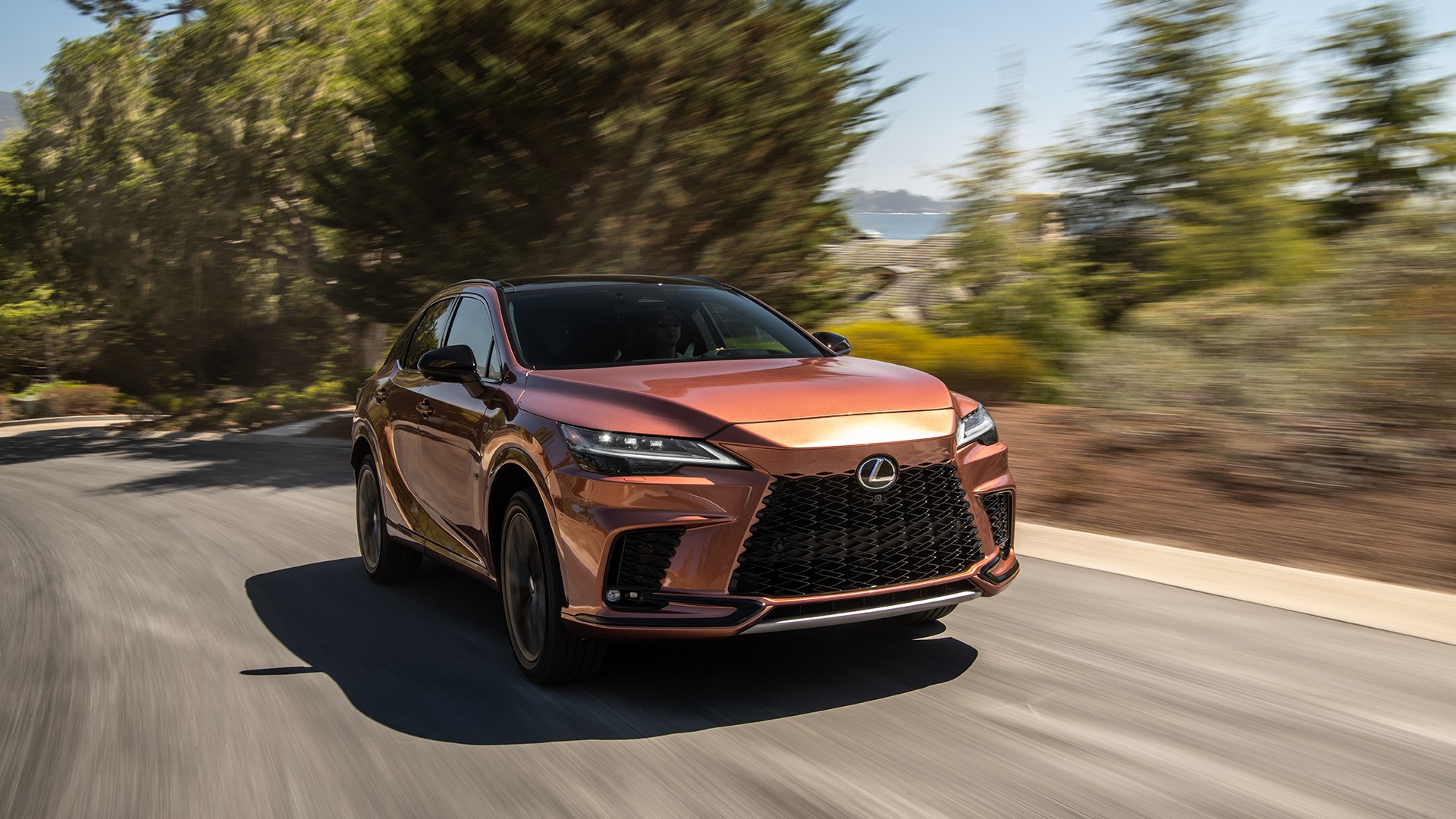
Lexus RX: reliable, but with points to watch
The Lexus RX is known as a reliable, luxurious SUV that combines comfort and refinement with Japanese quality. Even so, this premium car also struggles with recurring problems, which owners and buyers need to be aware of. Oil leaks, creaking dashboards, transmission hesitation and air conditioning failures are not uncommon, especially on older model years such as 2007 and 2010. For anyone considering buying an RX, or who already owns one, it is worth mapping out these weak points carefully.
From pioneer to bestseller: the position of the Lexus RX
Since its introduction in 1998, the Lexus RX has built up a strong position in the market. The model is among the best-selling luxury SUVs in the world. It opened up the market for premium crossovers, combining SUV appeal with passenger car comfort. RX stands for Radiant Crossover and, with its design and equipment, it emphasises elegance and refinement above all. Most generations are available with a V6 petrol engine or hybrid powertrain, based on Toyota’s tried-and-tested technology.
The RX350 with its 3.5-litre V6 is particularly popular. This engine delivers sufficient power and is generally durable if properly maintained. The RX450h hybrid version focuses on fuel efficiency and low emissions, which makes it attractive for company car drivers. The RX offers luxury and space and has relatively low maintenance costs, making it appealing for families. Status-conscious buyers also like to opt for this model. Nevertheless, there is a gap between the expectation of infallibility and the reality in which some components turn out to be vulnerable. An overview of Lexus car problems shows that even this premium brand does not escape every technical challenge.
‘ The expectation that a Lexus is immune to technical problems is not entirely correct. ’
The reputation of Lexus: high standards and high expectations
For years, Lexus has topped various reliability rankings. The brand positions itself as the most reliable premium manufacturer, and owners therefore expect trouble-free motoring. That reputation is not undeserved: many RX models reach 250,000 kilometres without major repairs. But when problems do occur, they stand out even more because they damage the image.
Lexus quality standards are high, but not every component and every model year performs equally well. Some parts prove prone to wear, others suffer from design flaws. The expectation that a Lexus is immune to technical problems is not entirely correct. Anyone buying an RX must take account of specific points of attention. These differ per generation, and there are also particular weak spots associated with individual model years.
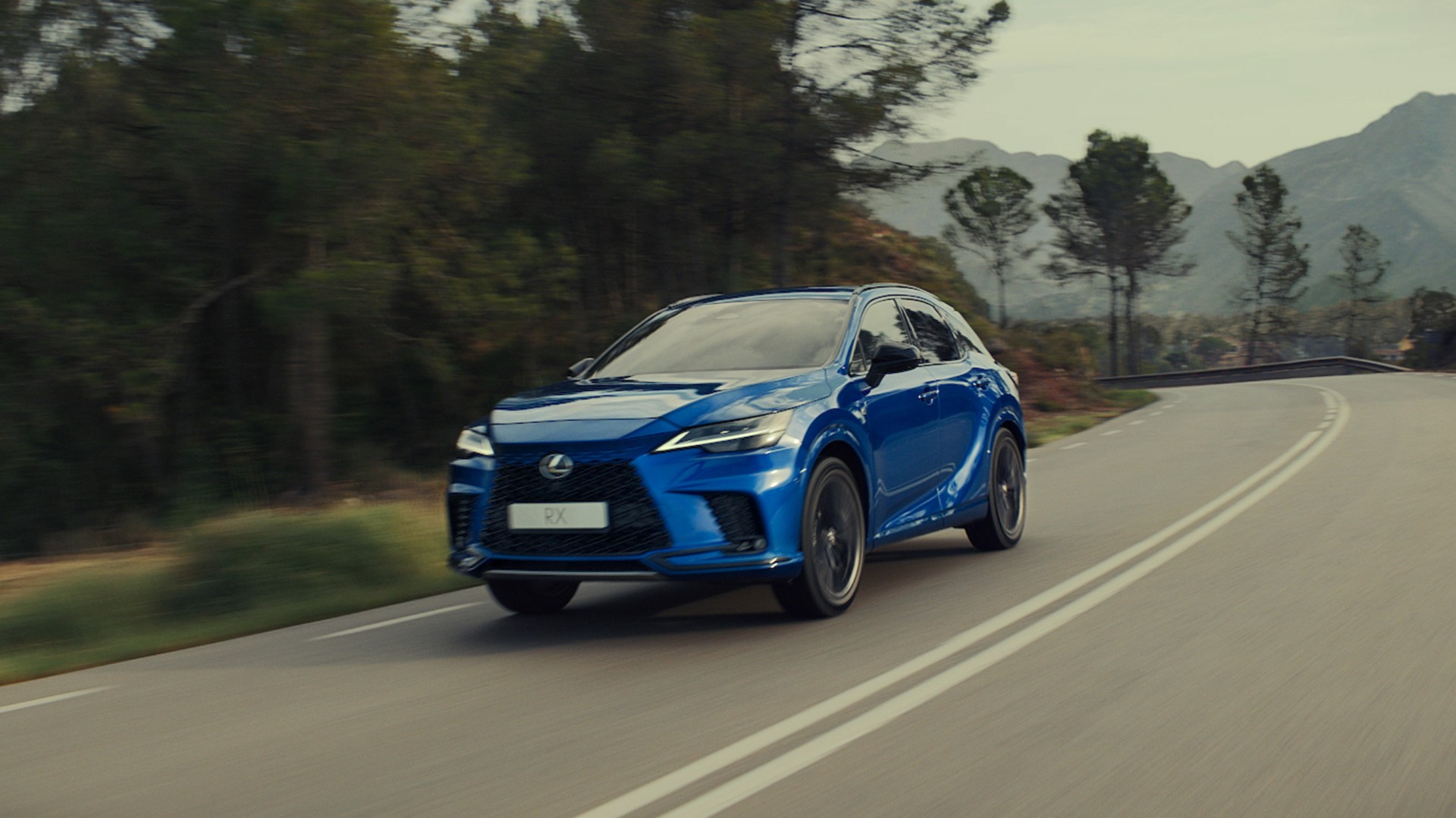
Common engine problems on the Lexus RX
The V6 engines in the RX are known for their durability, but they do have weak points. The most frequently reported problem is oil leakage, especially on models from 2007 to 2015. Split VVT-i oil lines and worn gaskets are usually to blame. VVT-i stands for Variable Valve Timing-intelligent, Toyota and Lexus’s variable valve timing system. These leaks cause clicking noises when starting up, and warning lights appear on the dashboard. If neglected, serious engine damage can occur due to oil loss.
Over time the timing cover gasket can split. The timing cover gasket seals the front of the engine to prevent oil leaking out. When this gasket cracks, oil escapes. This repair is labour-intensive because many components need to be removed to reach the gasket, so costs rise quickly. In addition, at higher mileages there is sometimes increased oil consumption. Some owners report knocking noises from the engine. This can point to internal wear, or to problems with the valves.
Regularly check the oil level and look for oil spots under the car. Use high-quality synthetic oil and proactively replace the VVT-i lines and gaskets at around 100,000 kilometres. This prevents more serious damage and expensive repairs later on.
Transmission and drivetrain problems on the Lexus RX
The automatic gearboxes in the RX are generally good, but some models exhibit shift hesitation, while others can slip. Shift hesitation is particularly common on 2013 cars, as is slipping. Contaminated transmission fluid may be the cause, but defective bearings are another possibility. A failing transmission control module can likewise lead to these issues. Symptoms include delayed shifting, loss of power and vibrations while accelerating.
The power steering system can develop leaks, mainly in the rack-and-pinion assembly. The rack-and-pinion is the steering system that converts the rotation of the steering wheel into the sideways movement of the wheels. Leaks lead to heavy steering, whining or groaning noises from the pump and loss of fluid. The suspension and the differential can also develop leaks, causing wear as well as vibration.
Have the transmission fluid changed every 60,000 kilometres, even if the manufacturer calls it a lifetime fluid and does not list replacement as a requirement. During a test drive, check for shift delay and for heavy steering. Avoid cars without a complete service history, as maintenance makes a big difference to service life here.
‘ This complexity brings vulnerability with it. ’
Electronic faults and system errors in the Lexus RX
Modern RX models from 2015 to 2022 have complex electronics. This complexity brings vulnerability with it. Infotainment systems can freeze or crash. An infotainment system combines entertainment, navigation and communication in one central screen, which the driver uses for radio, navigation, phone connectivity and vehicle settings. Bluetooth connections can fail, and software becomes outdated over time. Parking sensors, especially at the front, can fail, leading to constant warning beeps or, conversely, no warning at all when approaching obstacles.
The engine control unit can develop faults that turn on warning lights without any immediately visible engine problems. The air conditioning amplifier and rain sensors can also fail, causing the climate control system to function poorly. In some cases there are wiring problems, which can affect several systems at once, such as lighting, sensors and controls.
When buying, check with the dealer whether there are any outstanding recalls, as some electrical issues can be resolved through factory campaigns. Update the software regularly and test all electronic functions thoroughly during a test drive. Repairing sensors can be expensive because of the labour and parts required.

Wear and structural weak points: bodywork, running gear and interior
A striking problem on older RX models is a creaking dashboard. The dashboard also regularly cracks. On many cars built before 2012, splits appear in the plastic, particularly at higher temperatures. Sunlight accelerates this process. This is not just a cosmetic issue: cracks near the airbags can pose safety risks. Later model years show this less frequently, but the problem has not disappeared entirely.
The suspension and brakes are generally solid, but after high mileages shock absorbers can show wear, as can bushes. Suspension arms can also exhibit wear. This manifests itself as knocking noises over bumps and reduced comfort. Rust is rare thanks to good factory treatment, but you should still check the wheel arches on older cars and inspect the underside.
Before buying, inspect the dashboard for cracks. Consider a dashboard cover as a preventive measure. Test the suspension on bumpy roads and listen for unusual noises. Replace engine oil and filters every 10,000 kilometres or once a year. Use high-quality synthetic oil to minimise wear. This significantly extends the service life of the brakes and shock absorbers.
Spot problems early: warning signs
Early detection prevents expensive repairs. Watch out for oil patches under the car, especially after it has been parked. Clicking noises when starting up point to VVT-i problems. Warning lights for engine management or oil must be investigated immediately.
For the transmission, hesitation, harsh shifts or slipping are warning signs. Heavy steering or whining from the pump indicate power steering leaks. If the air conditioning no longer cools or makes strange noises, the amplifier may be defective. Parking sensors that constantly beep or do not respond at all need to be replaced.
Carry out a thorough test drive at various speeds and over rough surfaces. Listen for noises from the engine, transmission and running gear. Check all electronic functions, from infotainment to parking assistance. A pre-purchase inspection by a specialist can bring hidden problems to light.
‘ Follow the Lexus maintenance schedule strictly – and be even stricter where possible. ’
Maintenance tips to prevent problems and extend service life
Follow the Lexus maintenance schedule strictly and, where possible, be even stricter. Replace engine oil and filters every 10,000 kilometres or once a year. Use high-quality synthetic oil to minimise wear.
Have the transmission fluid changed every 60,000 kilometres. This significantly extends the life of the gearbox. Regularly check power steering fluid, coolant and brake fluid for both level and condition. Replace the cabin (air conditioning) filter annually to keep the climate control working optimally.
Inspect the VVT-i oil lines at around 100,000 kilometres and replace them as a preventive measure. Also inspect the timing cover gasket at around this mileage and replace it as a precaution. This prevents more extensive damage. Keep the dashboard out of direct sunlight using sunshades or covers. Clean sensors regularly to prevent faults, and clean cameras so they continue to function correctly. Allow for the cost of labour-intensive jobs and choose a specialised Lexus service centre for complex repairs.
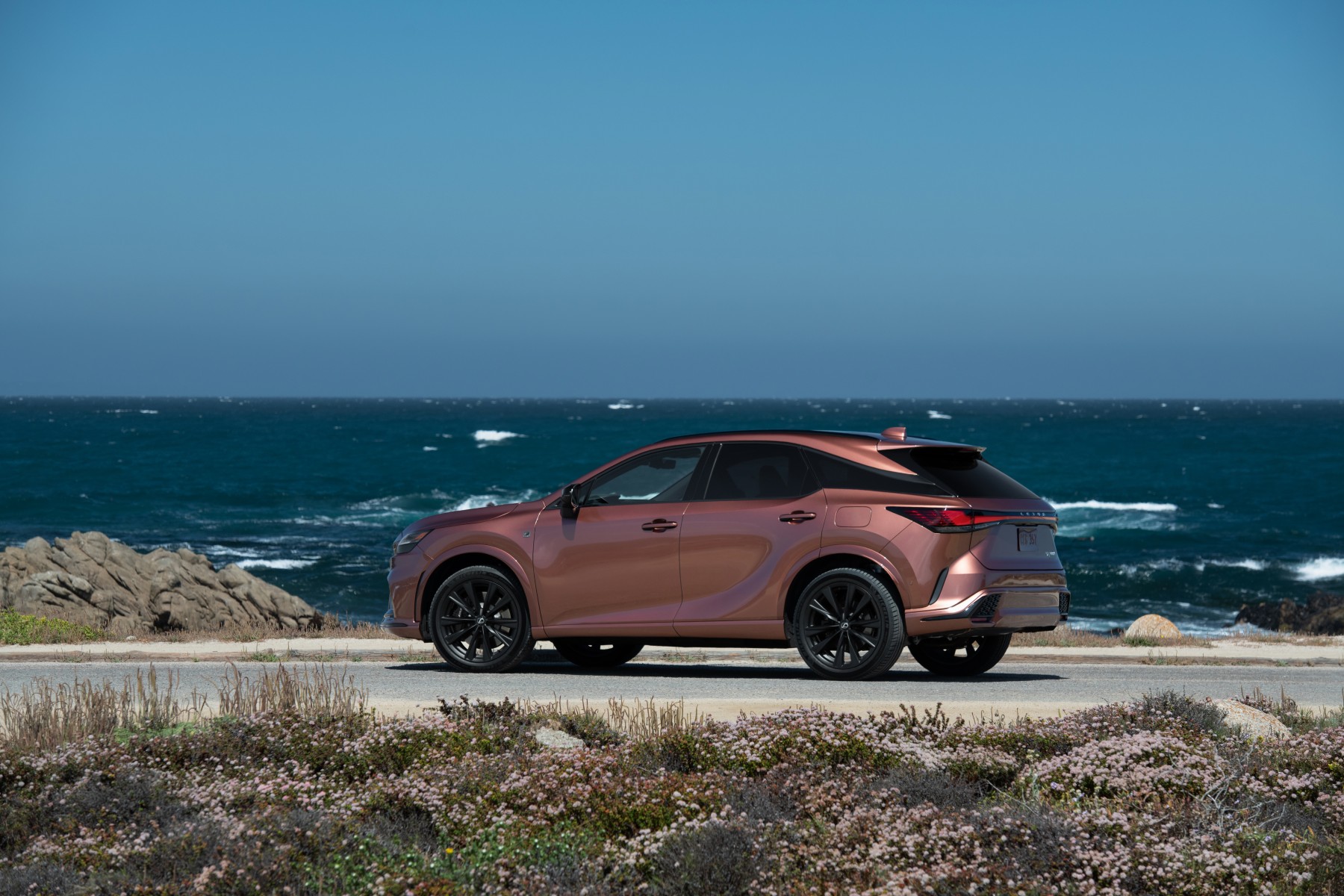
Costs and solutions for problems with your Lexus RX
Replacing VVT-i oil lines costs a few hundred euros in parts, and with labour the total bill can reach around €1,000. Replacing a timing cover gasket can cost more than €1,500, mainly due to the dismantling work required.
A gearbox overhaul can come to between €2,000 and €4,000, depending on the damage. Replacing a power steering assembly generally costs between €800 and €1,500. Repairing or replacing the dashboard can range from a few hundred euros to more than €1,000, depending on the method used.
Replacing parking sensors costs €100 to €200 per sensor, but labour time increases the invoice. Air conditioning amplifiers cost around €300 to €600 excluding labour. For electrical problems, diagnostics are important – this typically costs €100 to €150 but saves money by preventing incorrect repairs.
Many problems can be prevented with preventive maintenance, which is cheaper than repairs afterwards. Consider an extended warranty if you are buying a used RX, especially for the transmission and electronics. Choose a specialist garage familiar with Lexus models for better diagnosis and more efficient repairs.
Buying advice for a used Lexus RX: checklist
Always ask for the full service history and check that all maintenance intervals have been followed. At the very least, inspect the engine for oil leaks and check the gearbox for its shifting behaviour. Test the electronics thoroughly. Pay extra attention to 2007 models, which often show VVT-i leaks and dashboard cracking. Also be cautious with 2010 cars, which frequently suffer from transmission and electrical issues. Likewise, be alert with 2013 cars, as that year more often shows shift hesitation.
Under the bonnet, check for oil leaks around the timing cover, VVT-i lines and other gaskets. Start the engine from cold and listen for clicking or tapping noises. Carry out an extended test drive and pay attention to shift quality, steering effort and vibrations. Test all electronic systems, including infotainment, parking sensors, air conditioning and seat heating.
Inspect the dashboard carefully for splits or cracks. Check the underside for leaks from the differential, gearbox and power steering. Ask about recalls and check whether they have been carried out. Consider a pre-purchase inspection by an independent specialist, especially on higher-mileage cars or models without a complete history.
Models from 2016 onwards generally score better for reliability and have fewer serious problems. Hybrid versions have more complex systems, so ask specifically about the condition of the hybrid battery and electric motors. Set aside extra budget for maintenance and potential repairs, even if the purchase price is attractive.
‘ These problems occur more often than the Lexus image would suggest. ’
The Lexus RX as a considered choice
The Lexus RX remains an attractive option for those seeking luxury. The model also offers comfort and is generally reliable. The V6 engine is robust, the driving experience is refined and the finish is high quality. But even this premium SUV has points of attention that must not be ignored.
Oil leaks occur regularly. Dashboard creaks are more common than you might expect. Transmission hesitation is a known issue, and electronic faults also occur. These problems are more frequent than the Lexus image would suggest. Older model years such as 2007 and 2010 require particular attention. Later models perform better, but remain electronically complex. Preventive maintenance is the difference between years of trouble-free motoring and expensive repairs, and timely replacement of vulnerable components is essential.
For anyone considering a used RX, a thorough inspection and complete service history are indispensable. In addition to the purchase price, budget for maintenance and possible repairs. Ideally choose models from 2016 onwards with a known maintenance history. With the right preparation and realistic expectations, the Lexus RX still offers a strong combination of luxury and durability.