
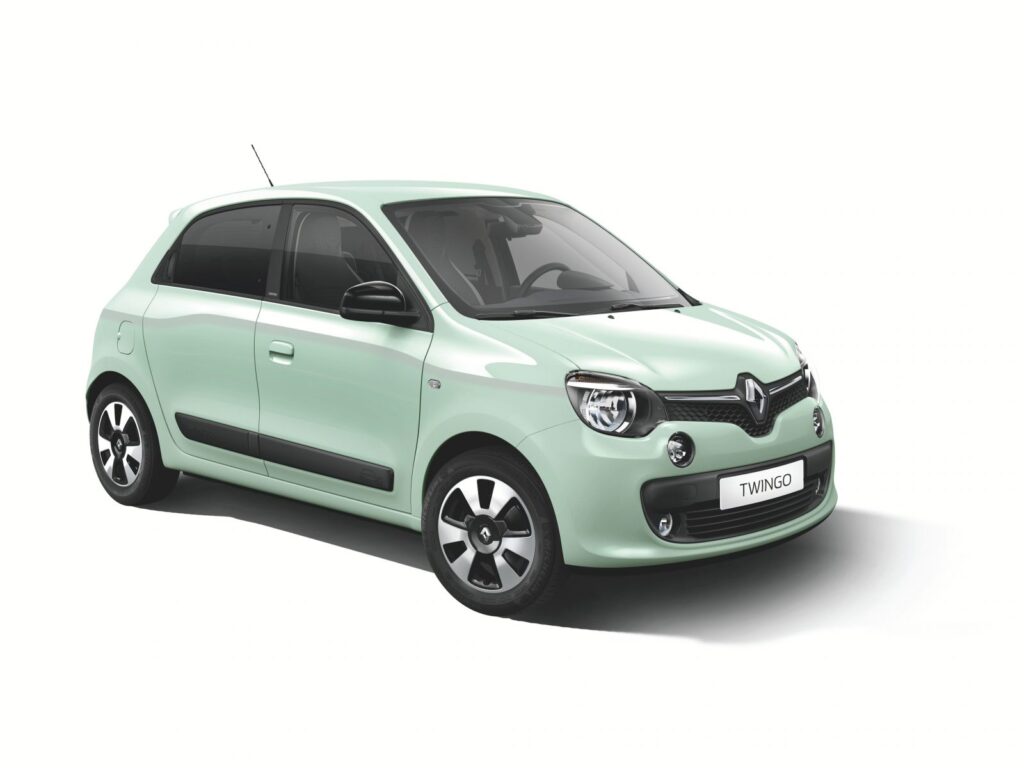
Electrical faults in the lighting are often caused by wear, moisture and loose connections, especially in older cars. Sidelights, number plate lighting and dipped beam regularly fail due to corrosion, leaking headlamps or worn wiring. These problems create safety risks and in many cases can be fixed yourself. Discover how to recognise these faults and what you can do about them.
Common causes of lighting problems
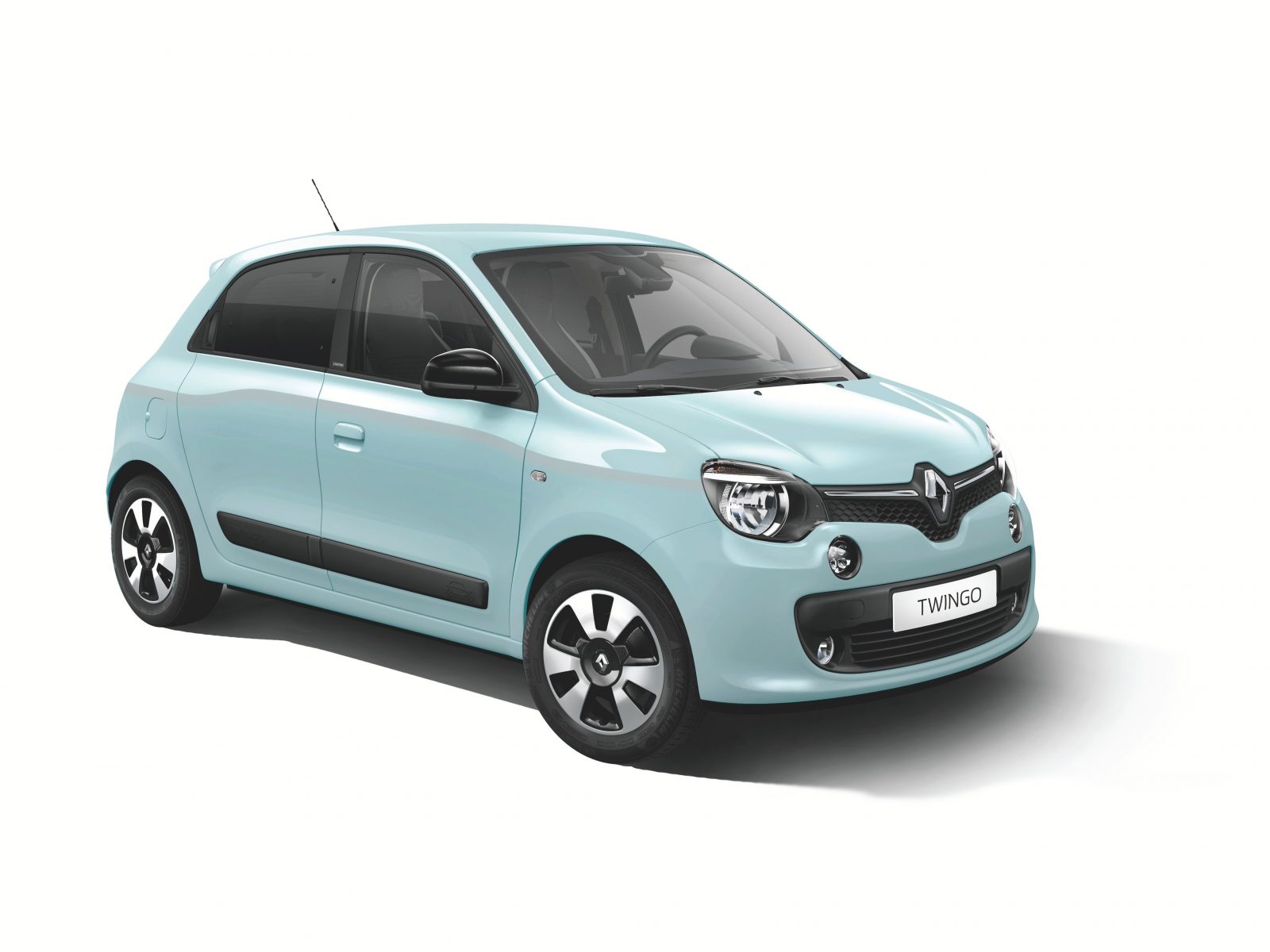
Lighting faults arise from various technical causes. Loose or worn wiring plays a major role here. Due to vibration while driving and age, connections work loose, especially in electronic modules that are sensitive to moisture. In the case of the Renault Twingo, for example, the GEM module (an electronic component that controls the lighting) is located behind the windscreen. This component is known as a weak point on older models due to moisture build-up that can cause a short circuit.
Headlamp leakage is another common problem in older vehicles. Moisture then penetrates through damaged rubber seals or hairline cracks in the headlamp housing. This leads to condensation and ultimately to corrosion of contact points and the bulb holder. The result is flickering light or complete failure of the headlamp.
In addition, voltage problems affect the lighting. Low voltage caused by a weakened battery or overloading of the electrical system makes bulbs unstable. You often see this as dimming lights when starting the engine or when switching on several electrical consumers at the same time.
‘ Make sure the battery is disconnected before you work on electrical components. ’
Sidelights not working: is DIY repair possible?
When the sidelights are not working, the cause lies in a blown bulb, a defective bulb holder or loose wiring. In many cases this problem can be solved by yourself. Start by checking the bulb itself. Remove it from the holder and visually inspect the filament. A broken filament indicates a blown bulb that simply needs to be replaced.
If the bulb is intact, then check the bulb holder for corrosion or loose contacts. Clean the contact points with fine sandpaper and, if necessary, spray them with contact cleaner. Make sure the battery is disconnected before you work on electrical components.
With persistent problems, the cause may lie deeper in the wiring or the GEM module. Check the wiring for damage, wear or loose connections. Use a multimeter to test whether there is voltage at the bulb holder. Normal voltage is between 12 and 14 volts. If the readings are outside this range, there is probably a problem in the electrical circuit that requires professional attention.
Number plate lighting defective: what are the causes?
Defective number plate lighting is often caused by corrosion, especially in older vehicles. The bulbs are located on the outside of the car and are constantly exposed to moisture, salt and dirt. This attacks the contact points and leads to poor conduction or complete failure.
Another common cause is mechanical damage. The bulb holder can come loose due to vibrations or a knock while parking. Wiring can also break or come loose from the connection due to wear or incorrectly fitted parts during earlier repairs.
- Check the bulbs to see if they have blown
- Inspect the bulb holder for rust and corrosion
- Test the wiring for continuity
- Replace the complete light unit if necessary
On some models, the fault lies in the fuse that protects the number plate lighting. Consult the manual for the location of the correct fuse. Check it visually or with a multimeter.
Preventing and tackling headlamp leakage
Headlamp leakage occurs due to a damaged seal between the headlamp housing and the lens. The seal then no longer functions properly. Ageing of rubber seals, temperature fluctuations or small cracks in the housing are the cause. Prevention starts with regularly checking the headlamps for condensation.
Inspect the headlamps at least twice a year for moisture build-up. Do you see droplets of condensation on the inside? Then there is a leak. Small cracks can be temporarily repaired with special headlamp sealant or silicone sealant that is heat resistant. For a long-term solution, the seal or the complete headlamp needs to be replaced.
When replacing bulbs, make sure you do not leave the housing open longer than necessary. Moisture can then get inside. Preferably work in a dry area and check that all caps and rubbers are refitted correctly. On modern headlamps with ventilation openings, you must ensure that these do not become blocked by dirt or insects.
‘ Sparking at switches or a burning smell are serious warning signs that require immediate professional attention. ’
Recognisable symptoms of electrical lighting faults
Electrical faults in the lighting show themselves in various ways. Flickering headlamps often indicate loose connections, a poor earth or a defective ballast (an electronic component that regulates the voltage) in xenon or LED lighting. Sudden failure of several lights at once usually points to a problem in the GEM module or a blown fuse.
Dimming lights under load, such as when starting the engine or switching on the heater, indicate voltage problems. This can be caused by a weakened battery, a poorly functioning alternator or overloading of the electrical system. Sparking at switches or a burning smell are serious warning signs that require immediate professional attention.
Inconsistent operation of brake and indicator lights can indicate corrosion in the rear light unit or a poor earth connection. On older models, corrosion of brake lines is an additional risk. Check this regularly, even though it does not directly concern the lighting.
Practical steps for self-diagnosis
Follow these steps to diagnose lighting problems yourself. Always start by disconnecting the battery. This prevents short circuits. Then check whether the problem is limited to one bulb or several lighting groups. This helps determine whether the fault is local or affects the entire system.
Test individual bulbs by removing them from the holder and visually inspecting them. Replace bulbs if in doubt, even if the filament appears intact. Preferably use bulbs with the CE mark (a European safety mark for electrical products). These are resistant to voltage fluctuations. Then test the bulb holders for voltage with a multimeter. No voltage means there is a problem in the wiring or the module.
Inspect all visible wiring for damage, wear or loose connections. Reinforce loose wires with suitable clips. In the case of moisture problems in the GEM module, dry it with compressed air and apply silicone sealant around potential leaks. This prevents the problem from returning.
Maintenance and prevention for reliable lighting
Regular maintenance prevents many lighting problems. Replace bulbs in sets instead of one by one. This ensures consistent light output and prevents you from having to replace bulbs several times in quick succession. Inspect all wiring and connections annually for wear, especially on cars older than five years.
Only upgrade to LED lighting with suitable components that are compatible with your car. Cheap aftermarket LEDs without proper drivers can flicker or fail prematurely. Check that LED bulbs are fitted with built-in voltage regulators to prevent damage to the electrical system.
- Disconnect the battery before working on electrical components
- Check headlamps for condensation after rainfall
- Clean contact points annually with contact cleaner
- Test voltage with a multimeter in the event of unexplained faults
When cleaning the car, make sure you do not aim a pressure washer directly at the headlamps or rear lights. The pressure can force water through seals and cause leaks. Use a gentle spray and allow the lights to dry thoroughly after washing.
‘ “On the Carnews website you will find extensive information about all kinds of car problems, from engine and transmission faults to maintenance tips for specific makes and models.” ’
Discover more about car problems and maintenance
Lighting problems are just one aspect of the maintenance and technical challenges that car owners face. On the Carnews website you will find extensive information about all kinds of car problems, from engine and transmission faults to maintenance tips for specific makes and models. Discover more handy guides, practical repair tips and experiences from other car enthusiasts to keep your car in top condition.
Frequently asked questions
Early signs of an electrical fault include flickering or occasionally failing lights, headlights becoming weaker when extra consumers (such as the blower or heated rear window) are switched on, and unpredictable behaviour of dashboard or brake lights. A burning smell, sparking at switches, or repeatedly blowing fuses or bulbs are also clear warnings. The most common culprits are loose or worn wiring and connectors, corrosion or moisture in modules (such as the body/GEM module), poor contact in bulb holders and fuse boxes, and a weak or defective battery or alternator. With recent LED or other aftermarket modifications, defective or incompatible drivers/ballasts are often the cause as well.
Regularly check for moisture, corrosion or loose connections at bulb holders and plugs, and clean and dry them where needed. Replace worn or flickering bulbs immediately and only use good quality, compatible bulbs (preferably CE-marked). Prevent overloading by not using too many heavy consumers at the same time and distributing the load across different circuits where possible. Inspect wiring and connection points annually for wear or damage so you can tackle emerging problems at an early stage.
Usually, the legal and effective options are: quality halogen bulbs with higher light output (E-marked), correct adjustment of the headlamps, and properly cleaned or polished headlamp lenses. For aesthetics you can choose “white-look” halogen bulbs with an E-mark, or LED daytime running lights that are fitted in accordance with vehicle regulations. In motorsport, extra spotlights and rally lamps are often used; these are only allowed on public roads if they have type approval and are correctly wired and covered where required. Avoid cheap, non-approved LED or xenon kits in standard headlamps: these are usually illegal and cause glare.
An electrical fault is too complex to tackle yourself if there is recurring short-circuiting, burnt or melted wiring, moisture or corrosion damage in modules, or if you cannot safely find where the problem lies without a wiring diagram and measuring equipment (multimeter). If several systems fail at the same time or fuses keep blowing, it is also wiser to call in a professional straight away. For a professional diagnosis you typically pay around €60–€120, depending on the workshop and the test time required. Including repairs and parts, total costs are usually between roughly €150 and €400, unless major modules or wiring looms have to be replaced.
The latest lighting technologies in cars include adaptive LED and matrix LED headlamps, laser light and dynamic cornering lights. These systems automatically adjust the light beam, brightness and direction according to speed, steering angle and oncoming traffic, so that the road is better illuminated without dazzling other road users. As a result, visibility in the dark and in bad weather improves significantly, which increases safety. At the same time, brighter, more even light and a greater range provide a calmer, more comfortable driving experience.