
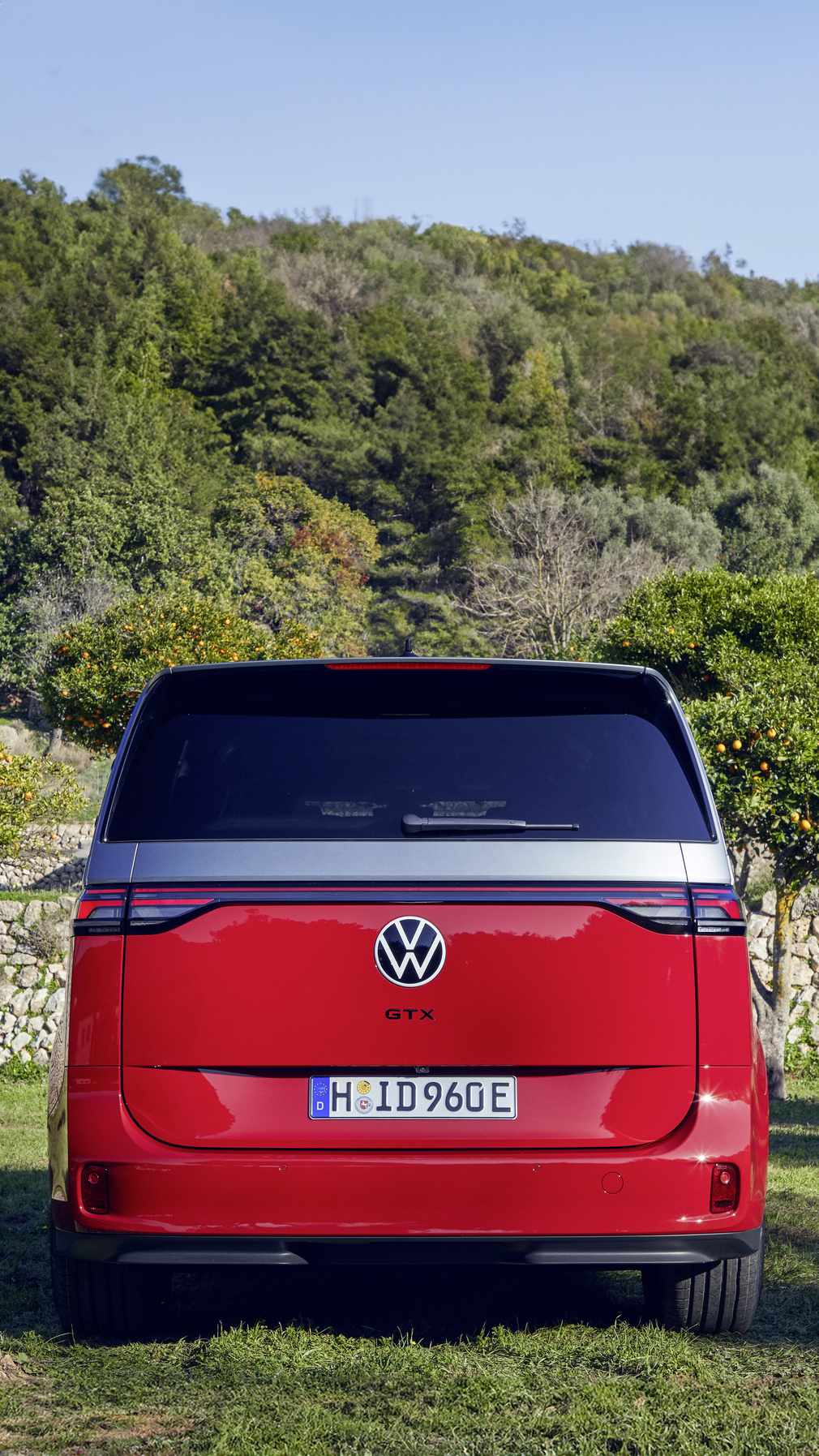
The limited real-world range of the Volkswagen ID. Buzz is quite disappointing. While the manufacturer promises 410 kilometres, you often get stuck at around 300 kilometres, especially on the motorway. Consumption there shoots up to 28–30 kWh per 100 kilometres, particularly in GTX mode. Reality therefore differs considerably from the theory. But how bad is that really, and what can you do about it?
The WLTP standard versus everyday reality
Volkswagen promises a range of 410 to 415 kilometres according to the WLTP standard for the ID. Buzz with the 77 kWh battery. That standard assumes a mix of city, country road and motorway driving under ideal conditions. In practice you will not reach that. Tests show that you are more likely to end up between 300 and 385 kilometres, depending on how you drive and what the weather is like.
The larger battery versions with 79 to 86 kWh in the long wheelbase perform better on paper. They reach up to 487 kilometres according to WLTP. Again, the real range drops as soon as you drive faster or switch on the heating.
‘ The aerodynamics are simply not optimal at high speeds. ’
How far you can really drive on a full charge
At a constant speed of 100 kilometres per hour, the car does reasonably well. Tests then measure a range of around 342 kilometres with a consumption of 33 kWh per 100 kilometres. That is acceptable for longer trips without extremes.
As soon as you drive as many people do on the motorway, at 130 kilometres per hour, the range drops to 233 to 250 kilometres. Consumption then rises to 30 to 33 kWh per 100 kilometres. The van-like shape of the ID. Buzz works against you here. The aerodynamics are simply not optimal at high speeds.
With mixed use, for example city, ring road and some motorway, you will end up at 300 to 350 kilometres. In cold conditions of around 7 degrees Celsius you will see about 20.5 kWh per 100 kilometres in city traffic. That is favourable, but on the motorway consumption goes up.
Test results at a glance
- 100 km/h: approximately 342 kilometres of range at 33 kWh/100 km
- 130 km/h: approximately 233–250 kilometres of range at 30–33 kWh/100 km
- Mixed driving: approximately 300–385 kilometres at 20–25 kWh/100 km
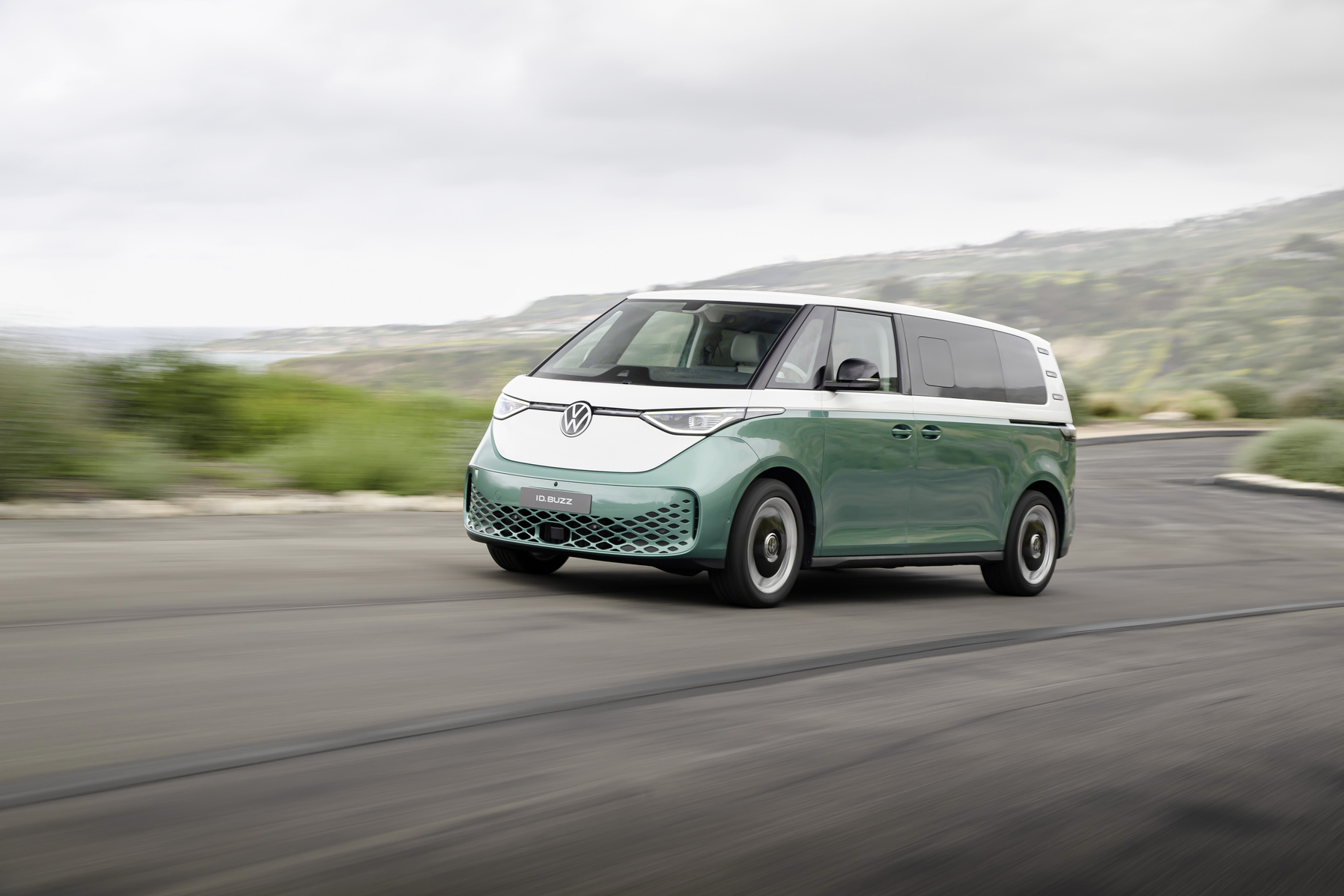
Why the ID. Buzz achieves less range than promised
The main culprit is the motorway. The big, boxy shape of the ID. Buzz creates a lot of drag at higher speeds. The faster you drive, the more energy you use to overcome that resistance. At 130 kilometres per hour the motor simply guzzles much more power than at 100.
Wintry conditions make it even worse. At temperatures of 1 to 2 degrees Celsius the range drops for several reasons. The battery itself performs less well in the cold. On top of that, the heating uses a lot of energy. Winter tyres further increase rolling resistance. Combined with 130 kilometres per hour, your range can shrink by about 60 kilometres.
If you use the ID. Buzz to tow a trailer or caravan, that will cost you an extra 20 to 30 per cent of range. The weight and extra drag take their toll.
Tips for more driving range with the ID. Buzz
Drive more calmly on the motorway. Stick to 100 kilometres per hour instead of going flat out at 130. You can easily gain 100 kilometres of extra range. That may sound boring, but it makes a huge difference in consumption.
Preheat the battery and the cabin before you set off if your car is plugged into a home charger. Then the car uses power from the grid and not from the battery. This particularly helps in winter.
Plan your route smartly. Always keep at least 20 per cent battery in reserve. That is roughly 50 to 70 kilometres. Look for rapid chargers within 200 kilometres on longer trips. The ID. Buzz charges from 10 to 80 per cent in about 28 to 30 minutes with a peak of 142 kW. That is fast enough to continue your journey comfortably.
Choose city trips where possible. In town, consumption is often below 21 kWh per 100 kilometres. That is much more favourable than on the motorway. The cargo models are ideal here, with a range of over 300 kilometres in mixed driving.
Practical advice in summary
- Drive a maximum of 100 km/h on motorways for optimal range
- Preheat the car and battery while charging at home
- Keep at least 20% battery as a reserve
- Plan rapid-charging stops every 200 kilometres on long journeys
- Avoid driving heavily loaded or towing a trailer where possible
‘ The motorway range is disappointing, but with clever planning it is easy to manage. ’
So is the ID. Buzz still a good choice?
The ID. Buzz does not excel in range compared with electric saloons. For anyone who mainly drives in and around town, that is not a problem. With 300 to 350 kilometres you can get a long way in everyday use. If you regularly combine long motorway journeys, you will simply have to charge more often.
The long wheelbase with the larger 86 kWh battery offers more breathing space. It reaches up to 473 kilometres according to WLTP, which translates to roughly 380 to 420 kilometres in practice. For families going on holiday or frequently covering longer distances, that is the better option.
Owners consistently report consumption of 20 to 25 kWh per 100 kilometres in normal use. That is acceptable for a large electric van. The motorway range is disappointing, but with clever planning it is easy enough to manage.
On the Carnews website you will find more information about electric driving, range and practical tips for your electric car. Discover what else is possible with the latest models and get the most out of your electric driving experience.
Frequently asked questions
The advertised WLTP range of the ID. Buzz (approx. 410–415 km for 77 kWh and 461–487 km for the larger batteries) is usually lower in real life. In mixed use you generally achieve around 300–385 km, depending on driving style, temperature and load. At a constant 100 km/h, about 340 km is achievable, while at 130 km/h the range drops to around 230–250 km. In cold conditions, at high speeds or when towing a trailer, the range can shrink by a further 20–30%.
Important factors are your driving speed (above roughly 100 km/h air resistance increases sharply), driving style (hard acceleration, frequent braking and short trips use a lot of energy) and load/trailer (extra weight and drag reduce the range). Tyres (winter or wide tyres, and incorrect tyre pressure) and use of the climate control (especially heating in winter) also have a major impact. Manage this by driving more calmly at around 100 km/h, braking predictively, keeping tyre pressures at the right level and using eco or B mode. Precondition the cabin while the car is plugged in, reduce unnecessary load and plan your journeys and charging stops with a route planner that takes speed, elevation and weather into account.
Plan your route with an EV route planner (for example ABRP or the built-in navigation) based on your actual consumption (for safety calculate with 25–30 kWh/100 km and plan charging stops every 200–250 km, with 15–20% remaining capacity as a buffer). Choose rapid-charging stations along the motorway where you can charge from 10–80% in about 30 minutes, and avoid prolonged driving at 130 km/h so as not to reduce your range unnecessarily. For a holiday trip of around 1,000 km you should realistically allow for about 3 to 4 charging stops and a total travel time of 11–13 hours, depending on speed, weather and how busy the chargers are. In winter and if you have a roof box, bikes or a trailer, allow extra margin, because your range can then be 20–30% lower.
Yes, there are several practical tips to maximise the range: preferably drive at around 100 km/h instead of 130 km/h, use an efficient driving style and precondition the battery and interior while the car is still connected to the charger (especially in winter). Avoid unnecessary weight and roof racks, and use the eco or efficiency mode where possible. An efficient charging strategy on long journeys is to charge more quickly but more often between roughly 10–80% at rapid chargers, instead of charging to 100% each time. Plan charging stops roughly every 200 km and keep around 20% battery as a reserve.
The biggest pitfall is that the official WLTP range is more optimistic than reality, especially at 120–130 km/h, in cold weather and with a full load, so you will need to charge sooner and more often than expected. The van shape and high drag cause the range to fall surprisingly quickly at motorway speeds (sometimes down towards 230–250 km at 130 km/h). Heating, winter tyres and a trailer or caravan also have a noticeably negative effect on range. Car enthusiasts therefore need to consciously adjust their driving style and cruising speed, and plan charging routes carefully to avoid irritation or range anxiety.