
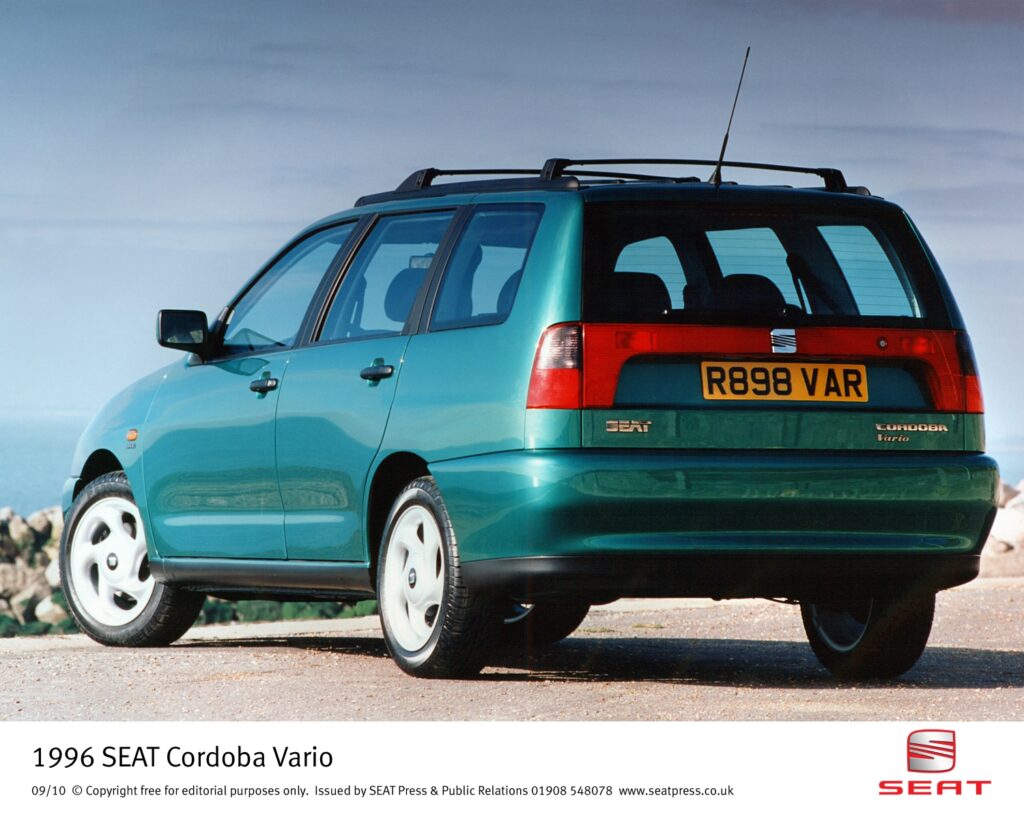
The Seat Cordoba will remain reliable for a long time if you don’t postpone maintenance and pay particular attention to oil, brakes, belts and coolant. Preventive maintenance is more important than repairs after a fault on older Cordobas, because small technical issues can otherwise grow into expensive damage. In this article you’ll read which maintenance tips really make a difference and how you can keep your car reliable for years with simple servicing.
The Seat Cordoba is a reliable car, but this model too needs attention when it comes to wear-sensitive parts. Especially on older examples you’ll notice that timely maintenance is what makes the difference between a car that keeps driving without issues and one that ends up at the roadside with annoying faults.
For the Cordoba, longevity mainly comes down to timely servicing, keeping the oil at the correct level, spotting wear early and replacing typical wear parts as a preventive measure. Seat indicates that maintenance depends on model and year of manufacture; for more modern examples there are variable intervals up to 30,000 kilometres or 2 years, while older models often have a different schedule and therefore require extra attention to the handbook and maintenance history.
Stick strictly to the maintenance schedule
Check whether your Cordoba uses fixed or variable intervals, and don’t postpone maintenance. For many models Seat specifies a rhythm of every 15,000 kilometres or 1 year with alternating minor and major services. For longlife systems, the maximum is 30,000 kilometres or 2 years.
It’s wise to keep your service booklet properly updated and to save all invoices. For an older car, proven maintenance is important for both reliability and resale value. Especially with a high-mileage Cordoba, documentation is often more valuable than just the mileage on its own.
‘ Oil is one of the most important factors in engine life. ’
Change engine oil and oil filter on time
Oil is one of the most important factors in engine life. Workshops emphasise that even with longlife systems, oil still only lasts a maximum of 30,000 kilometres or 2 years, depending on usage. With an older Cordoba, it’s sensible to check the oil level by hand more often instead of relying solely on service intervals.
That helps to prevent engine wear, especially at higher mileages. Warnings such as a flashing oil light must be taken seriously straight away. On forums, Cordoba owners regularly share stories of engine faults where warning lights came on. That’s why you should check the oil level regularly and change the engine oil according to the prescribed schedule.
Pay extra attention to brakes and wear parts
During a major service, the brake pads, brake shoes, auxiliary belt and lighting are checked, among other things. These are exactly the parts that often determine whether an older car remains reliable. The life of parts such as brakes and wiper blades depends heavily on how the car is used.
If you want your Cordoba to last a long time, replacing parts early is cheaper than waiting until consequential damage occurs. Wear to brakes, bushes and suspension is often only noticed late. Yet these are the parts that strongly affect comfort and safety, and that often need attention on an older Cordoba.
What should you have checked?
- Measure brake pads and brake shoes at every service
- Replace wipers and lights as soon as their performance drops
- Inspect the auxiliary belt for cracks and wear
- Have bushes and suspension checked
Check timing belt and cooling system
Belts are checked during major services. With an older Cordoba it’s wise to find out when the timing belt was last replaced, as this is a key maintenance item for long service life. A broken timing belt can lead to costly engine damage.
Keep an eye on coolant and leaks. Overheating is a common cause of expensive damage in older engines, even if the rest of the car is still fine. Regularly check that the cooling system is working properly and top up coolant if necessary.
‘ With a preventive check you can spot this kind of issue early and prevent small faults from turning into bigger repairs. ’
Preventive cleaning and replacement
Besides the major components, there are smaller parts where regular cleaning and replacement contribute to a reliable car. Think of cleaning the MAF sensor, which affects engine performance and fuel consumption. A dirty sensor can cause an irregular idle and poor running behaviour.
Seals and gaskets also deserve attention. These rubber parts can become porous over time and cause leaks. With a preventive inspection you can detect such problems at an early stage and prevent small faults from developing into larger repairs.
Use the car regularly and let it reach temperature
According to user experiences on car forums, older Cordobas can sometimes suffer from faults when small technical issues such as engine problems or intermittent failures have been present for some time. Driving regularly and tackling problems early helps to avoid this kind of build-up.
A lot of short trips and city use generally cause more wear than covering long distances calmly. Make sure the engine regularly reaches operating temperature and that the battery can charge properly. That helps extend the service life of various components.
Handy checklist for regular maintenance
To keep your Cordoba as reliable as possible for as long as possible, it’s useful to check a number of things periodically. This checklist helps you not to forget anything:
- Check the oil level
- Change oil and filter on time
- Have the brakes measured at every service
- Inspect belts and hoses
- Check coolant and leaks
- Test battery and charging function
- Replace wipers and lights as soon as their performance drops
- Keep the service booklet and invoices
‘ If in doubt it’s always better to call in a specialist, especially when it concerns safety and important engine components. ’
Cheap DIY maintenance or go to the garage?
For those who are technically minded, some maintenance tasks are easy to carry out yourself. Think of checking fluids, replacing wipers and inspecting the tyres. These simple jobs save money and help you stay better in touch with the condition of your car.
For more complex jobs such as replacing the timing belt, brakes or seals, it’s sensible to go to a garage. There you have the right tools and knowledge to do the work properly. If in doubt, it’s always better to call in a specialist, especially when it concerns safety and important engine components.
What are common problems with the Seat Cordoba?
On car platforms, Cordoba owners regularly discuss engine faults, hesitation or cutting out, which shows that preventive maintenance is important on older examples. There are also complaints about software issues and electrical failures, especially with models that are a bit older and have not always been well maintained.
With timely maintenance and early detection of small problems you can prevent many of these faults. Keep an eye, for instance, on warning lights on the dashboard and take them seriously. Otherwise a small issue can grow into a bigger fault that’s more expensive to fix.
Tips to prevent problems
Besides following the maintenance schedule, there are a few practical tips that help prevent problems. Make sure you keep all fluids topped up, including brake fluid and screenwash. Check tyre pressures regularly and rotate the tyres in time to ensure even wear.
Keep the interior and bodywork clean. Dirt and moisture can eventually cause rust and wear, especially on the underside of the car and in the wheel arches. A clean car not only drives more pleasantly, it also lasts longer.
On the Carnews website you’ll find many more tips and information on maintenance, common car problems and the experiences of other car enthusiasts. Discover which other practical advice can help you keep your car reliable for longer and read about experiences with similar models.
Frequently asked questions
Stick strictly to the maintenance schedule and always change engine oil and oil filter on time, while regularly checking the oil level manually in between. At every (major) service, have the brakes, belts, coolant and other fluids checked preventively and replaced where necessary, instead of waiting until you notice symptoms. Make sure the car regularly reaches proper operating temperature and tackle small faults or warning lights immediately to prevent consequential damage. Keep all maintenance receipts and the completed service booklet to prove the good care you’ve given your Cordoba.
For the engine, pay particular attention to timely oil changes with the correct specification, checking the oil level regularly and acting immediately if oil pressure or temperature warning lights come on, to prevent wear and seizure. Also check the timing belt and auxiliary belts (including tensioners and water pump) periodically and replace them preventively according to the schedule, because failure can cause serious engine damage. For the transmission it’s important to change the gearbox oil in good time (for both automatic and manual gearboxes) and to have any shifting problems or unusual noises investigated immediately. Avoid harsh acceleration with a cold engine/gearbox and don’t drive for long with a slipping clutch to prevent excessive wear to the clutch, synchros and bearings.
Check the engine oil level at least once a month and change the oil and oil filter according to the schedule (usually every 15,000 km or 1 year, or with longlife at most 30,000 km/2 years). Check coolant, screenwash and brake fluid several times a year and at every service. Have the brake fluid changed every 2 years as a rule to maintain braking performance. At major services, also have the transmission/gearbox oil (if prescribed), power steering fluid and the entire cooling system checked, and have the coolant renewed on time according to the manufacturer’s recommendations.
Yes, there are several DIY maintenance tasks you can carry out on your Seat Cordoba yourself, such as checking the oil level regularly and topping up if necessary, replacing the wiper blades and checking the lights and replacing bulbs. You can also check tyre pressures and tread depth yourself and visually inspect the condition of brake discs, brake pads and rubber hoses. If you’re a bit more handy, with a good manual you can also change the engine oil and oil filter yourself. By carrying out these checks and minor maintenance regularly, you’ll spot wear early, limit repair costs and increase the reliability of the car.
Stick strictly to the maintenance schedule, change engine oil and oil filter on time and regularly check the oil level yourself to limit engine wear. At every service, have the brakes, belts (especially the timing belt), rubber parts and the cooling system checked preventively and replace components as soon as early signs of wear are visible. Regularly check the coolant level and for possible leaks, and take oil or engine temperature warning lights seriously straight away. Drive the car up to full temperature on a regular basis and avoid too many extremely short trips in particular, to reduce extra wear on the engine and exhaust.