
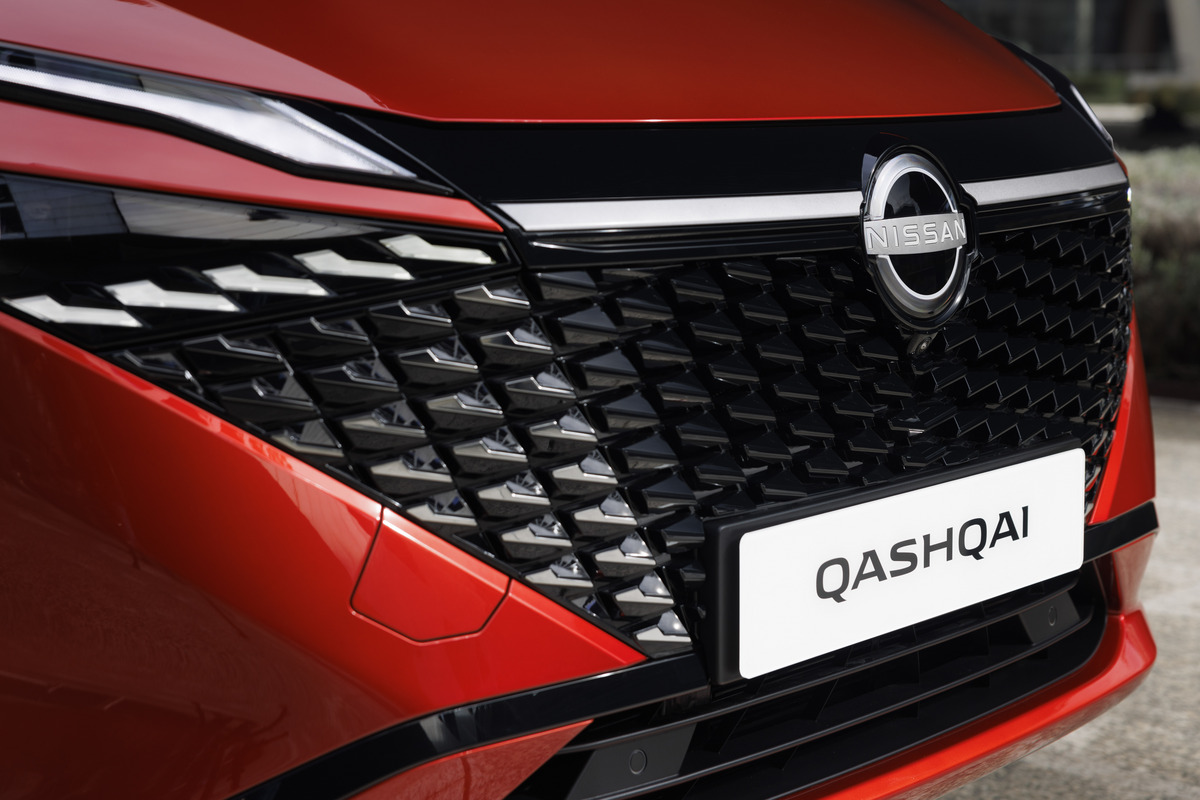
Regular, targeted maintenance keeps your Nissan Qashqai reliable for longer and prevents the most common issues. By checking and replacing oil level, filters, fluids and components on time, you minimise problems with the timing chain, gearbox and suspension. Want to know how to tackle this effectively?
Follow the service schedule strictly
The manufacturer’s service schedule is the basis for a healthy Qashqai. Nissan recommends checks and replacements every 15,000 kilometres or at least once a year. These intervals are not optional, especially for critical wear-sensitive components. Use the built-in maintenance reminders in your dashboard so you don’t miss a service. This function will automatically warn you about oil changes, filter replacement and tyre checks. Have your service book stamped at certified garages to preserve your warranty.
Also keep your own log of maintenance carried out. This helps when selling the car and gives you an overview of replacements and repairs. For DIYers: combine minor and major services to save costs and focus on wear parts such as brakes, tyres and filters.
‘ A level that’s too low can lead to serious engine damage. ’
Change engine oil and filter on time
Loss of power and hesitation are often caused by engine oil that is too old or too low. The oil lubricates moving parts and cools the engine. As oil ages its viscosity decreases and carbon deposits form, especially in turbo models. Replace oil and filter according to the schedule, usually every 15,000 kilometres or annually.
Some Qashqai models are equipped with an Oil Condition Supervisor (OCS). This function measures oil quality and indicates when replacement is needed. Reset the counter after each oil change via the menu in your dashboard. Check the oil level at least once a month with the dipstick, especially before longer trips. A level that’s too low can lead to serious engine damage.
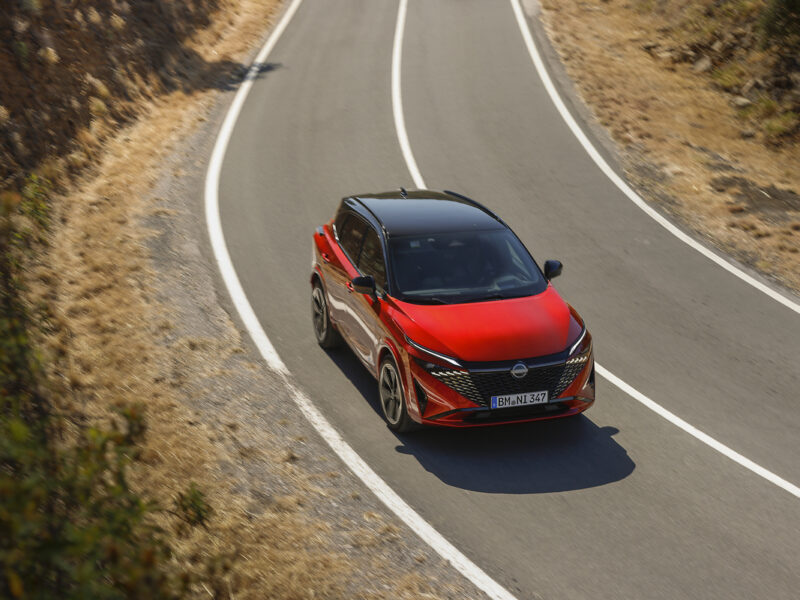
Replace air and fuel filters regularly
Dirty filters disrupt the air and fuel supply to the engine. As a result the engine idles unevenly, performs worse and fuel consumption may increase. Replace the air filter according to the service schedule, usually every 30,000 to 40,000 kilometres. In very dusty conditions or dusty environments, it may need replacing sooner.
The fuel filter stops dirt that can clog the injectors. Combine filter replacement with a check of the spark plugs for optimum performance. Add an injector cleaner to the fuel from time to time to keep the system clean and improve lubrication, especially on older models or with long-term use.
Check and top up transmission fluid
The Xtronic CVT gearbox in many Qashqai models needs attention. Jerky shifting, vibrations or leaks indicate problems with the transmission fluid. Regularly check for fluid leaking under the car and have the level checked if in doubt. Too little fluid can lead to overheating and damage to the gearbox.
Top up or replace the fluid according to Nissan’s recommendations. If complaints such as juddering or delayed response to the accelerator persist, have a specialist inspect the gearbox. Timely repairs or a fluid change can prevent costly replacements.
‘ Brakes are critical for safety and must never be put off. ’
Inspect brakes and brake fluid
Wear on brake pads and discs is normal, but needs regular checks. Have the thickness of the brake pads checked at least once a year and replace them when worn. Also check the brake discs for grooves or irregularities. Brake fluid absorbs moisture and therefore loses effectiveness. Replace the fluid every two years to guarantee optimum braking performance.
If you experience vibrations when braking or reduced braking power, have them checked immediately. Brakes are critical for safety and must never be put off.
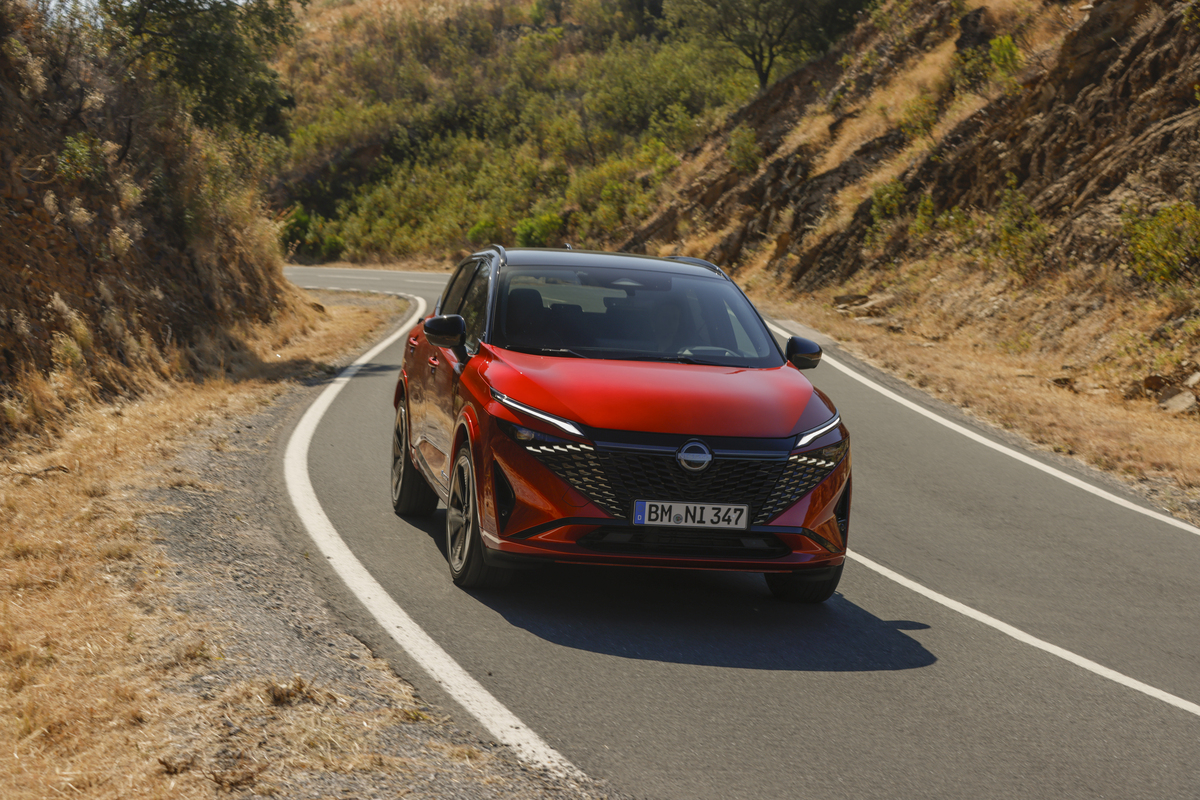
Check battery and electrical systems
Electrical faults such as failing window operation, locking or infotainment systems are fairly common on the Qashqai. The cause is often a flat battery or blown fuses. Check the battery annually, especially before winter. A weak battery discharges faster in cold weather.
Replace faulty fuses yourself using the correct amp rating. Also check the battery terminals for corrosion and clean them if necessary. If electrical problems persist, have the battery and alternator tested by a mechanic.
Protect the turbo on turbo models
Turbo models need extra care after intensive use. After motorway journeys or towing a trailer, let the engine idle for two to three minutes before switching it off. This prevents the turbo from overheating and extends its lifespan. Carbon build-up in the turbo occurs due to too little or aged oil. Fresh oil and filters keep the turbo clean and efficient.
‘ Too little pressure increases fuel consumption and worsens handling. ’
Rotate tyres and check pressure
Uneven tyre wear shortens tyre life and affects handling. Rotate the tyres every 10,000 kilometres according to the pattern in your service book. Check tyre pressure monthly and adjust it when temperatures change. Too little pressure increases fuel consumption and worsens handling.
Also check the tread: 1.6 millimetres is the legal minimum, but it’s best to replace tyres at around 3 millimetres for optimum grip. For alloy sports wheels, use a torque wrench set to 113 Nm and follow the tightening sequence from the handbook to avoid misalignment.
Have suspension and steering checked
Thudding noises over bumps or rough surfaces often point to worn suspension components. Bushes, control arms and anti-roll bar links wear out over time. Have the suspension checked annually and replace defective parts immediately. This prevents further damage and keeps the car comfortable and safe.
Steering issues such as play or a vibrating steering wheel also need inspection. Worn track rod ends or joints can cause dangerous situations.
Winter protection for sensitive components
Salt and grit attack components such as the exhaust, galvanised parts and fog light covers. Treat these parts before winter with white petroleum jelly, wax-based products or special protective agents. Rinse the underside of your car regularly after winter journeys to remove salt build-up.
When replacing bulbs, do not touch the glass with your fingers. Grease residues shorten the life of halogen bulbs such as H7 headlamps. Use gloves or a cloth and solder wires with heat-shrink tubing for long-lasting insulation.
‘ This function helps you forget nothing and keeps your car in top condition. ’
Use the maintenance mode in the dashboard
The Qashqai features a maintenance mode that reminds you about replacement of the air filter, tyres, wiper blades and drive belt. Set reminders based on mileage or time and reset them after each replacement. This function helps you forget nothing and keeps your car in top condition.


Common problems and preventative measures
- Engine: Loss of power and hesitation due to dirty filters or too little oil. Check oil level and replace filters and spark plugs on time.
- Electrical: Failing windows or locking due to a flat battery or blown fuses. Test the battery annually and replace fuses yourself.
- Gearbox: Jerks and vibrations due to too little transmission fluid. Check for leaks and top up or replace the fluid.
- Suspension: Thudding noise over bumps caused by worn components. Have an annual inspection carried out and replace defective parts.
- Turbo: Lack of oil due to carbon build-up. Let the engine idle after heavy load and change oil on time.
Combine DIY with professional help
You can carry out many maintenance tasks yourself, such as replacing filters, wiper blades and bulbs. For more complex jobs such as transmission inspections, suspension repairs or turbo issues, call in a specialist. Follow step-by-step guides for DIY maintenance and always use the right parts and tools.
A combination of DIY maintenance and professional services keeps costs manageable and ensures a reliable Qashqai. Schedule major services at a certified garage and do the smaller jobs yourself between services.
On the Carnews website you’ll find much more information about Nissan models, maintenance tips and common car problems. Discover useful articles, comparisons and practical advice to help you look after your car.
Frequently asked questions
Essential maintenance tasks include replacing engine oil and filter on time, and regularly renewing air and fuel filters (possibly together with a spark plug check). Check and replace the Xtronic/CVT transmission fluid to prevent jerky shifting and gearbox problems. Have brakes, suspension and steering inspected periodically and address wear immediately. Also check the battery and fuses in case of electrical faults and, on turbo models, let the engine idle for a few minutes after heavy use to cool down.
Watch out for new or changing noises (droning, thudding, ticking), especially when steering, braking or driving over speed bumps. If you notice loss of power, hesitation or jerky shifting, the engine, filters or transmission fluid may need attention. Check for dashboard warnings, vibrations in the steering wheel or pedals, and an increased stopping distance or squealing brakes. Also look out for a battery that discharges quickly, faults in windows/infotainment and irregular tyre wear as early warning signs.
Yes, there are specific maintenance routines for the CVT (Xtronic) transmission: the transmission fluid must be checked periodically for level, leaks and jerky shifting, and topped up or changed if necessary. If vibrations or jerks persist, it is advisable to have a mechanic check it to prevent gearbox damage. Other critical components with fixed routines include engine oil and filter, brakes and brake fluid, battery/fuses and (on turbo models) the turbo, all of which must be checked according to the factory service schedule. By following this schedule in terms of mileage or time (e.g. every 15,000 km or annually), many common Qashqai problems can be prevented.
Follow Nissan’s service schedule strictly (based on mileage and time) and replace engine oil, oil/air/fuel filters and spark plugs on time to limit engine problems and wear. Have the CVT/transmission fluid, brakes, suspension and steering checked regularly and replace parts in good time when early symptoms such as vibrations, thudding or jerky shifting appear. Keep tyres at the correct pressure, rotate them and monitor tread wear to improve driving stability and safety. Record all services in a log book and use the maintenance reminders in the dashboard so you don’t miss any intervals, which maximises the lifespan and reliability of your Qashqai.
Check the oil level, coolant level and screenwash level monthly, and keep an eye on the maintenance reminders in the dashboard. Inspect the condition and pressure of the tyres yourself (tread, cracks, correct tyre pressure) and watch for irregular wear. Regularly look at the brakes (wear indicators on the pads, rust on the discs) and listen while driving for thudding or grinding noises from the suspension or steering. Finally, check the battery for corrosion on the terminals, test the operation of lights and fuses, and keep a log of all maintenance.