
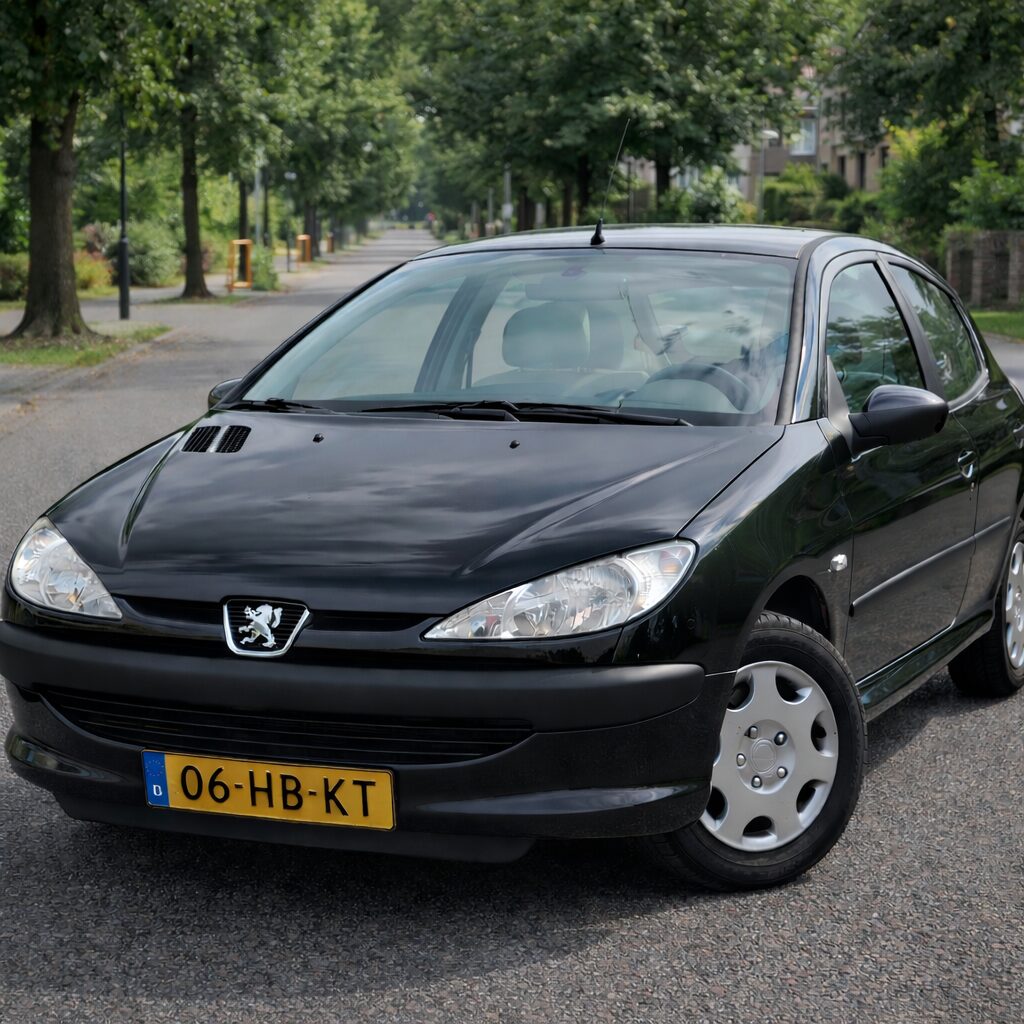
The Peugeot 206 regularly suffers from moisture ingress in the interior due to blocked drainage channels, leaking seals and weak ventilation. This leads to wet carpets, mould growth and rust, especially in models from the production period 1998–2012. Sound familiar? Then you’re not the only one.
Many owners of the Peugeot 206 report problems with moisture in the footwell, especially on the passenger side. The cause is often clogged drain channels beneath the windscreen base. Leaves, dirt and pollen accumulate here and block the natural water drainage. Rainwater that runs down from the windscreen can then no longer escape and seeps into the interior.
In addition to blocked drains, worn rubbers around doors, windows and the sunroof cause further leaks. With intensive use in wet climates these seals wear quickly. Water then finds its way inside via the A- and B‑pillars or along the windscreen.
Recognising and tackling moisture in the footwell
Wet carpets and mats are the first sign of moisture ingress. The floor covering absorbs water quickly, which leads to musty smells and damp patches. Especially after rainy periods, the interior smells stale and the windows remain fogged up for a long time, even with the air conditioning on.
Lift up the carpets and mats to check for traces of moisture. Look under the seats for rust around the pedals and mounting points. Rust in these areas can damage electronics such as the ECU or speakers that are mounted low in the bodywork.
To clean blocked drains, proceed as follows:
- Remove leaves and dirt from the channel beneath the windscreen
- Flush the drainage channels through with a garden hose
- Check that the water flows away freely by the wheel arches
- Repeat this cleaning at least twice a year
Replace the pollen filter annually. A clogged filter impedes air circulation and increases moisture build-up in the ventilation system. The filter is usually located behind the glovebox and is easy to replace yourself.
‘ The seams around the windscreen are a weak point. ’
Leaks in the Peugeot 206 CC
The CC version with folding roof suffers from specific leakage problems. The drains of the soft‑top mechanism become blocked more quickly than in the regular version. Water collects in the roof storage compartments and leaks into the interior via the side panels.
Regularly check the drain hoses near the folding‑roof compartment for cracks or disconnection. These hoses drain rainwater towards the wheel arches, but over time they can become brittle. Replace damaged hoses immediately to prevent water damage.
Apply silicone spray to all roof rubbers. This keeps the seals supple and prevents small cracks. Pay extra attention to the rubbers around the front and rear windows, where the roof structure joins the bodywork.
Checking gutters and seams
The seams around the windscreen are a weak point. Sealant can come loose after years of exposure to UV radiation and temperature changes. Water then trickles down along the A‑pillar straight into the footwell.
If in doubt, have the windscreen resealed by a specialist. This prevents structural moisture damage to the bodywork. At the same time, check the roof gutters for rust, a common problem in older examples.
Ventilation problems worsen moisture issues
The 206’s ventilation system does not circulate enough dry air to remove moisture effectively. This problem occurs mainly in the 1.4 and 1.6 petrol versions, where the air conditioning performs worse than in the diesel models.
Fogged‑up windows that do not clear indicate inadequate ventilation. Air circulation is too limited to remove condensation, causing moisture to accumulate in textiles and upholstery. This creates ideal conditions for mould growth.
Consider upgrading the blower motor for better air circulation. A more powerful fan improves airflow through the interior and helps moisture evaporate more quickly. This modification costs a few tens of euros and is relatively easy to carry out.
Seat problems and seating comfort
The seats of the 206 offer only moderate seating comfort for longer journeys. Lumbar support is minimal and the seats sag quickly with intensive use. This is not directly related to moisture problems, but it does affect overall interior comfort.
Damp seat upholstery makes the situation worse. Water that enters the footwell through leaks is drawn up into the seat fabrics. This leads to mould patches on the seat bases and backrests, especially with fabric upholstery.
Treat the upholstery with an anti‑mould agent if you discover damp patches. Dry the seats completely before refitting them. For long‑term protection, you can treat the fabric with a water‑repellent spray.
Preventive measures for a dry interior
Park the car with the windows slightly open for better ventilation, especially in damp periods. This prevents condensation and keeps the interior drier. Place a moisture absorber in the cabin to capture any remaining moisture.
When buying a used 206, always inspect the interior thoroughly:
- Lift all carpets and mats
- Look for rust marks under the seats
- Smell the interior for musty odours
- Test the ventilation on all settings
- Check whether the windows demist normally
A thorough inspection prevents you from buying a car with hidden moisture damage. Moisture problems are so widespread in the 206 that preventive checks are always sensible.
‘ Many owners report that this modification significantly reduces the moisture problems. ’
Limiting damage through regular maintenance
Regular maintenance prevents most moisture problems. Clean drainage channels twice a year and replace the pollen filter according to schedule. Treat rubbers annually with silicone spray to keep them supple.
Remove damp carpet at the first signs of leakage. Allow it to dry completely before refitting. Treat the floorpan with rust‑preventive primer if you discover rust. This prevents corrosion from spreading to structural parts.
Install extra ventilation grilles in the side panels for better air circulation. Many owners report that this modification significantly reduces the moisture problem. The grilles are inexpensive and easy to fit.
Find out more about the Peugeot 206
Moisture problems are a recurring theme with the Peugeot 206, but with the right approach they are manageable. By cleaning blocked drains in good time and maintaining seals preventively, you keep the interior dry and avoid costly damage.
On the Carnews website you will find much more practical information about the Peugeot 206 and other popular models. Discover useful maintenance tips, familiar problems and solutions you can apply yourself. Dive into the knowledge and keep your car in top condition.
Frequently asked questions
Lift the floor mats and carpet to see where it is really wet (front, rear, left/right); that’s your first clue to the specific source (door, windscreen, heater unit, roof). Then check the door and window rubbers for cracks or gaps, see whether water runs along the A‑pillar or at the windscreen after rain or when washing the car, and look for drip marks. Clean the pollen‑filter housing and the drainage channels under the wipers and check that water flows away freely there. Finally, dry the interior as well as possible (heater/air con, moisture absorber) and see whether and where it becomes wet again to confirm the leak location.
Effective DIY solutions include replacing the pollen filter annually and thoroughly flushing and clearing all water drains under the windscreen. Replace worn door and window rubbers, reseal weak seams around the windscreen and treat all rubbers with silicone spray. Remove the interior carpet completely, dry it (if necessary using a heater/dehumidifier) and treat carpet and upholstery with an anti‑mould and water‑repellent spray. Combine this with structurally better ventilation (use the air con, add an extra ventilation grille or leave the windows slightly open when parked) to prevent moisture problems from returning.
Long‑term moisture problems noticeably reduce the market value of a Peugeot 206, because buyers fear rust, mould and electrical issues. The driving experience deteriorates due to fogged‑up windows, musty air and possibly faulty electronics (such as the blower or ECU) that can cause malfunctions. The interior ages faster: upholstery, carpet and headlining become damaged, discolour and may start to mould. Untreated rust on the floorpan and under the seats can eventually lead to MOT failure or expensive welding repairs.
Yes, in the Peugeot 206 there are model‑specific weak points such as fast‑wearing door and window rubbers, poor sealing around windscreen/sunroof and blocked drains near wipers and pollen filter that can cause moisture problems. Preventively, you can replace the pollen filter annually and clean the drainage channels under the windscreen, as well as check the heater/air‑con condensate drain. Regularly treat all rubbers with silicone spray, replace dried‑out rubbers and reseal seams around the windscreen and doors if necessary. Periodically check under the floor mats for early signs of damp and dry/air out the car immediately at the first signs of condensation or musty odour.
Moisture in a Peugeot 206 can cause corrosion and short circuits in connectors, wiring, ECU and speakers, and can lead to mould, bad smells and peeling fabric or foam in the upholstery. Start by eliminating the cause: check and replace or reseal door and window rubbers, unblock drains and replace the interior/pollen filter. Remove wet carpets and upholstery as far as possible, dry everything thoroughly (preferably indoors with a heater/dehumidifier) and treat textiles with an anti‑mould agent. Clean affected connectors and electronics with contact spray or, where there is visible corrosion/damage, replace components (such as speakers or modules).