
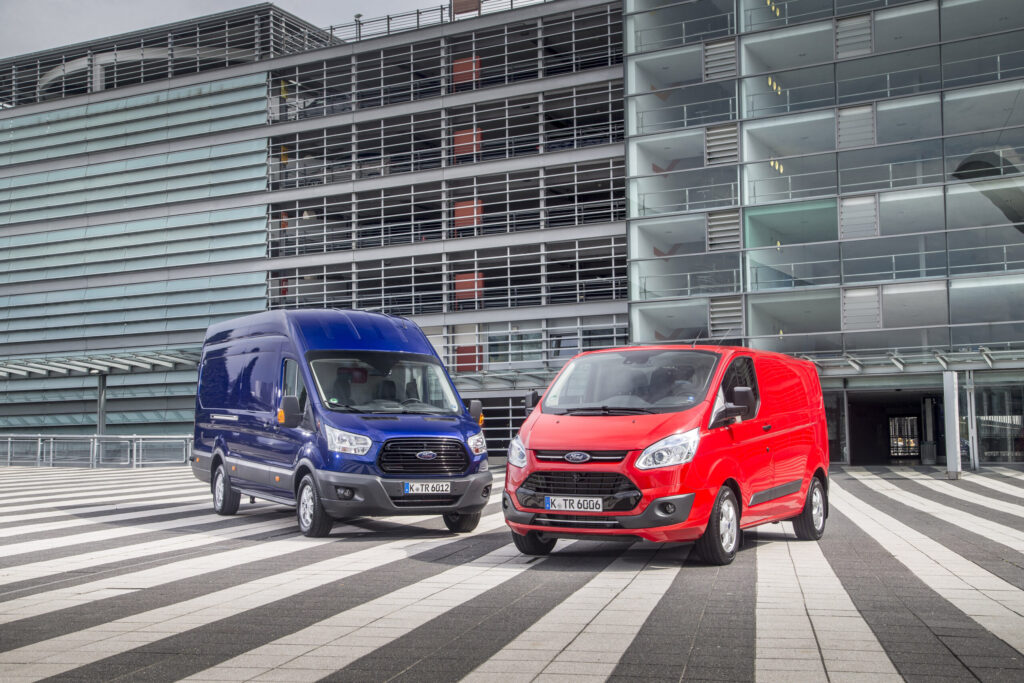
A Ford Transit with more than 200,000 kilometres on the clock is far from the end of its life. Specific wear to brakes, bearings, shock absorbers and driveshaft boots can, however, cause unpleasant surprises at the MOT. Oil leaks and exhaust leaks are common issues that owners of high‑mileage vans regularly encounter. Discover which parts need extra attention and how to avoid costly failures at the test.
Common wear that leads to MOT failure
On a Ford Transit with a high mileage, certain components are under more stress than on passenger cars. The combination of weight, load capacity and intensive use is demanding. This leads to faster wear of critical components. Problems during the MOT are common, especially when preventative maintenance has been postponed.
The risk of failure increases significantly as the mileage builds up. Many owners underestimate the impact of wear on components that go largely unnoticed in daily use. During a thorough MOT inspection they are rejected straight away. Timing and prevention make the difference between a successful test and expensive emergency repairs.
Brakes and discs
The brake discs and pads of a Transit wear faster than on ordinary passenger cars because of the higher weight. Mileages above 200,000 kilometres are common. At this mileage, the brake components will often already have been replaced several times. During the MOT the thickness of the brake discs is measured and the pads are checked for sufficient thickness.
Watch out for grooves, cracks or uneven wear in the brake discs. These are immediate reasons for failure. Shuddering or squealing brakes also point to problems. Sort these out before the MOT. Replace brake pads and discs in good time to guarantee safety and avoid a test failure.
Wheel bearings and driveshaft boots
Wheel bearings fail over time under intensive use and high loads. A rattling or droning noise while driving indicates worn bearings. During the MOT the tester will rock the wheels to check for play; even minimal movement can lead to failure.
Driveshaft boots often split due to age and exposure to dirt and moisture. As soon as a boot tears, dirt gets into the joint and accelerates wear. Regularly check for splits or leaking grease around the driveshafts. Replacing a boot is relatively inexpensive, but if you wait too long you often end up having to replace the complete driveshaft.
Shock absorbers and suspension
Shock absorbers lose their damping effect after many kilometres. Leaking shock absorbers are an immediate reason for MOT failure. You can recognise worn shock absorbers by a wallowy or floating driving feel, especially over bumps.
On Transits that are regularly heavily loaded, shock absorbers and suspension components wear more quickly. Visually check the shock absorbers for oil leaks and have the damping tested during a service. Replacement not only avoids failure, but also greatly improves stability and ride comfort.
‘ This creates a fire risk. ’
Engine oil leaks at high mileage
Oil leaks are a common issue on high‑mileage Ford Transit engines. Worn gaskets, rocker cover gaskets and oil seals allow oil to escape, which is picked up during the MOT. Serious oil contamination leads to failure, as it is considered a safety risk.
Regularly check the oil level and inspect the engine for wet patches. Oil loss on the top of the engine is often caused by worn rocker cover gaskets. This is relatively simple and affordable to repair. Oil loss on the underside points to problems with the sump or the crankshaft main oil seal. These repairs are more labour‑intensive.
Deal with oil leaks in good time to prevent consequential damage. Escaping oil can end up on hot components. This creates a fire risk. A low oil level can also lead to engine damage. Have a mechanic trace the source of the leak and make sure the repair is completed before you present the Transit for its MOT.

Identifying and repairing exhaust leaks
Exhaust leaks occur due to corrosion and vibration, especially on high‑mileage vehicles. A leaking exhaust produces a ticking or puffing noise, particularly when starting or accelerating. During the MOT, the exhaust system is checked for leaks and corrosion.
There are some well‑known weak spots on the Transit exhaust. These are often at the joints between the silencer, front pipe and flexible coupling. The mounting brackets also frequently rust through, causing the exhaust to sag or knock against the bodywork. Visually inspect the exhaust for rusty areas, holes and loose‑hanging parts.
Small leaks can sometimes be repaired with an exhaust repair kit. In cases of severe corrosion, parts of the exhaust or the entire system will need to be replaced. Make sure the exhaust is securely mounted and free from cracks or holes before going for the test. A leaking exhaust also affects emission values, which is another ground for failure.
Maintenance tips for Transits over 200,000 kilometres
Preventative maintenance is the key to a successful MOT for high‑mileage vans. Schedule regular major services and follow Ford’s service schedule. This includes replacing wear‑and‑tear parts before they start causing problems.
Important maintenance points for Transits with more than 200,000 kilometres:
- Replace brake fluid every two years to ensure proper braking performance
- Check and, if necessary, replace the timing belt according to the schedule
- Inspect all rubber components, boots and gaskets for cracks and leaks
- Regularly test the performance of the shock absorbers and suspension
- Lubricate control arm bushes and other moving parts
- Check the oil level frequently and top up if necessary
Have a pre‑MOT inspection carried out before the official test. Many garages offer this for a small fee. During a pre‑check, the garage inspects your vehicle for potential issues. The official MOT then follows afterwards. This gives you the chance to carry out repairs without the pressure of an immediate failure.
Particulate filter and emission issues
On diesel versions of the Transit, the particulate filter (DPF) is a key point of attention at high mileage. A blocked filter leads to increased soot emissions, which can cause MOT failure. This problem is more common on vehicles that mainly do short trips, because the filter does not get hot enough to regenerate (burn itself clean).
A blocked particulate filter produces various symptoms. Watch out for loss of power, increased fuel consumption and a warning light on the dashboard. Regularly make longer motorway journeys to allow the filter to regenerate. In cases of severe blockage, professional cleaning or replacement is necessary. Costs for this start at around €500.
Turbo and EGR valve maintenance
Turbo problems occur at high mileages due to wear on the bearings and seals. A failed turbo has several consequences: the engine loses power, produces smoke and has increased emissions. Have the turbo checked during services and pay attention yourself to unusual noises or reduced performance.
The EGR valve becomes clogged with exhaust gases, which can cause it to stick. This leads to increased nitrogen oxide emissions (NOx), which are measured during the MOT. If the EGR valve is causing issues, have it cleaned or replaced. Regular maintenance of the intake and exhaust system is important and prevents many problems with the turbo and EGR valve.
‘ With this preparation you significantly increase the chances of passing the test first time. ’
Preparing for the MOT
Book a check at a trusted garage about a week before the MOT. Drive your Transit there for a thorough inspection. Check all lights yourself. Also test the windscreen wipers and warning signals. Make sure the windows are clean and that the number plates are clearly legible.
Test the handbrake on a hill and then check whether the parking brake can hold the vehicle. Top up the screenwash. Check the tyre pressures. Measure the tread depth of the tyres: they must have at least 1.6 millimetres of tread. Replace them if they are below 3 millimetres. This ensures optimum grip and safety.
Tidy up the load area. Loose items can slide around during the brake test, so remove them. Check that a fire extinguisher and warning triangle are present and easily accessible. With this preparation you significantly increase the chances of a successful test.

More information on Carnews
On the Carnews website you will find extensive information on servicing, common issues and practical tips for various car makes and models. You can also read other articles on vans and maintenance for more concrete help in keeping your vehicle in top condition.
Frequently asked questions
On a high‑mileage Ford Transit, a blocked particulate filter (DPF) and a dirty EGR valve are common MOT failure points due to increased emission values. Turbo problems can also lead to failure because of loss of power and excessive smoke or emissions. In addition, overdue replacement or wear of the timing belt and general emission issues caused by engine wear often play a role. Preventative maintenance on the DPF, EGR valve, turbo and timing belt significantly reduces the risk of MOT failure.
Yes, with preventative maintenance you can clearly reduce the risk of MOT problems on a high‑mileage Ford Transit. Schedule regular major services and specifically have the particulate filter (DPF), EGR valve, turbo and timing belt checked and replaced in good time if necessary. Try to avoid lots of short trips to limit blockage of the DPF and ensure the engine is driven fully up to temperature. At high mileages, consider having an emissions test done in advance so that any emission problems can be tackled before the MOT.
For a high‑mileage Ford Transit, the costs of getting it through the MOT, including fixing common faults, are generally roughly between €300 and €1,000, depending on condition. This includes a major service (around €325–€350) plus targeted repairs. If larger components such as the particulate filter (from around €500) and possibly the timing belt (from around €500) need replacing, the total costs can easily rise to well over €1,000. Regular and preventative maintenance keeps MOT‑related costs considerably lower.
On a high‑mileage Ford Transit, the particulate filter (DPF), turbo and EGR valve in particular need extra attention, because blockage or contamination here leads to increased emissions and thus MOT failure. The timing belt is also critical: if it has not been replaced on time, there is a serious risk of engine damage, and if this is noticed during the test it can lead to failure or an urgent advisory. In addition, the overall engine condition (oil consumption, smoke) is important at high mileages, as it is closely linked to exhaust gas measurement results. Extra checks and, where necessary, preventative maintenance on these components increase the chances of the Transit passing the MOT in one go.