
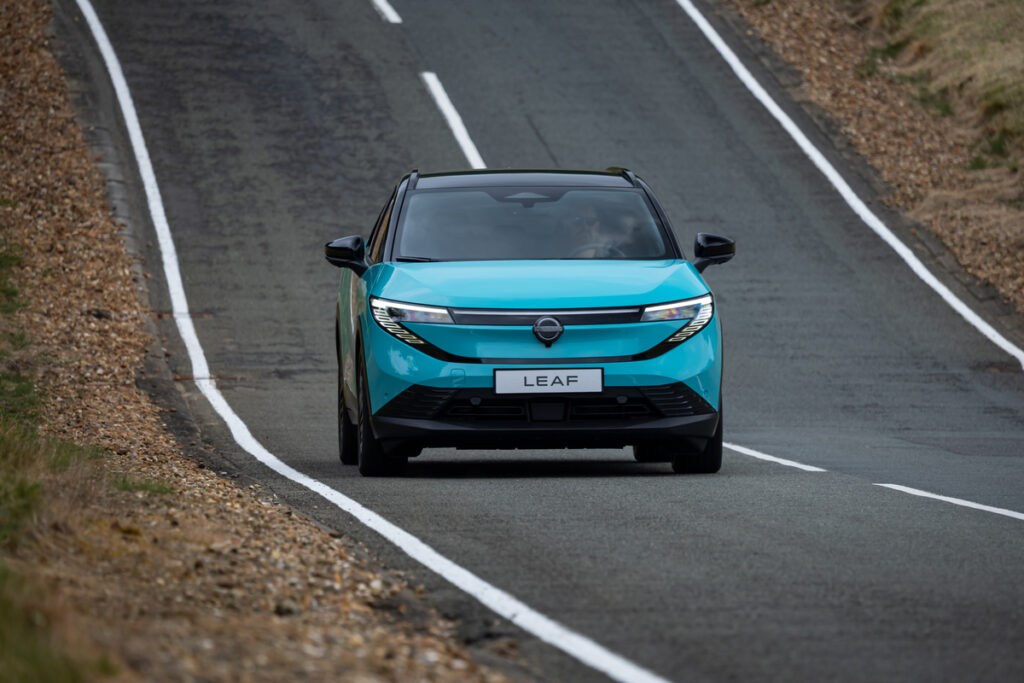
The Nissan Leaf faces considerable challenges in wintry conditions, mainly due to reduced driving range, limited battery performance and heating issues at low temperatures. Cold battery warnings and sometimes more than a 50% reduction in range limit the usability of this electric car during the colder months. For owners and anyone interested, it is sensible to know how these problems arise and what you can do about them.
Why batteries perform worse in the cold
The Leaf’s lithium-ion batteries are sensitive to low temperatures. Internal resistance increases as the mercury drops, meaning the battery can deliver less energy. This effect already becomes noticeable below 17 degrees Celsius and grows stronger as the temperature falls further.
The battery management system plays an important role here. It protects the battery by limiting regenerative braking and fast charging when the battery is cold. These protective mechanisms prevent damage, but can be surprising for drivers who are used to strong recuperation and rapid charging. In extreme cold below -25 degrees the battery can freeze completely, temporarily making charging and driving impossible.
More car problems with the Nissan Leaf become visible during the winter months, because various systems are more sensitive to temperature fluctuations. The combination of cold batteries and increased energy use for heating means your range can sometimes drop considerably compared to the summer months.
Getting optimum range in wintry conditions
Planning and preparation make all the difference for winter journeys. A fully charged battery before departure gives you the best starting point, especially when the car is cold. This lets you maximise the available range right from the start.
Practical tips for optimum range:
- Preheat the battery and interior before departure via the app or by timed charging while the car is plugged in
- Switch the heating on briefly several times a day to keep the battery at temperature, improving recuperation and charging performance
- Drive defensively and avoid hard acceleration or braking on slippery surfaces
- Plan routes with a generous buffer, especially with 24 kWh battery models that warm up slowly
- Use fast charging to warm up the battery more quickly on longer trips
Energy use for climate control at temperatures below zero guzzles extra power. This effect is unavoidable, but by preheating smartly while the car is plugged in you save valuable kilometres of battery power while driving.
Heating system failure after intensive use
The Leaf’s electric heating elements often fail after 70,000 to 110,000 kilometres. This leads to weak interior heating, which is particularly annoying during cold winter months. The defect shows up as slow cabin warm-up or complete failure of the heating system.
In addition to the elements, faults in the air-conditioning compressor can also occur. Although these problems are more common in warm weather, they also affect heating performance in changeable winter weather. The combination of a limited heating system and high energy use for climate control puts extra pressure on battery range.
Regularly check the 12V auxiliary battery, which often fails after 60,000 to 100,000 kilometres. In cold conditions a weak auxiliary battery can shut down the entire car, meaning you can neither drive nor charge. Preventive replacement avoids unexpected issues during wintry conditions.
Tips to prevent the charging port from freezing
Frozen charging ports are a practical problem in severe frost. The mechanical parts of the charging port can freeze solid, meaning you cannot connect or disconnect the charging cable. This problem is made worse by moisture build-up in and around the port.
Preventive measures against freezing:
- Keep the charging port dry by wiping away rainwater or snow before closing the flap
- Use silicone spray on the rubber seal and mechanical parts to repel moisture
- Thaw frozen ports carefully with lukewarm water, never boiling water, to avoid material damage
- Whenever possible, park the car with the charging port out of the wind to reduce ice formation
Door handles also regularly freeze after 30,000 to 50,000 kilometres due to seized, frozen mechanisms. Lubricate them preventively or thaw them carefully when stuck. Forcing them can cause permanent damage to the handle or locking mechanism.
‘ On slippery winter roads you also need to be extra careful with recuperation. ’
Regenerative braking in wintry conditions
The regenerative braking system – which feeds braking energy back into the battery – works less effectively when the battery is cold. After 80,000 to 120,000 kilometres it can sometimes behave erratically with reduced energy recovery. This effect is amplified at winter temperatures because the battery management system deliberately limits recuperation to prevent damage to the cold battery.
On slippery winter roads you also need to be extra careful with recuperation. Regenerative braking can reduce grip on slippery surfaces, especially if you suddenly lift off the accelerator. Anticipate this by braking gradually and leaving more distance to the vehicle in front.
Other winter ailments to watch out for
Tyre pressure sensors can fail after 50,000 to 80,000 kilometres. In cold temperatures tyre pressure also drops quickly, often faster than the sensors can detect. Check the pressure manually at the start of winter and during longer periods of frost.
Corrosion on the underside accelerates in environments where road salt is used in winter. After 100,000 to 150,000 kilometres this becomes visible, especially on parts that are regularly in contact with salty road spray. Regular cleaning of the underside during and after the winter months limits this effect.
Stopping distances increase on slippery surfaces. Wet ice and black ice greatly reduce grip, meaning you must keep more distance and anticipate braking earlier. Avoid cruise control in slippery conditions and always brake sooner than you are used to. Wheelspin from aggressive acceleration also lengthens the stopping distance and increases the risk of skidding.
Real-world experiences from owners in Dutch winters
Forum posts show that the Leaf remains usable on a daily basis during Dutch winters, as long as you take range limitations and cold-battery margins into account. Commuting trips work fine with good planning, but extreme cold below freezing really tests the limits of its range.
Owners report good results by preparing the car with preheating and charging to 100% before departure. Fast charging helps warm up the battery on longer trips, improving charging performance and recuperation. For emergencies some owners have bought power stations or jump packs, although these are rarely needed in normal use.
Parking outside can reduce range further because the car cools down completely overnight. Where possible, parking indoors or in a sheltered spot helps improve your starting situation. However, the Leaf remains usable even when parked outside, as long as you have realistic expectations of its winter range.
‘ “From battery problems to winter driving advice and technical specifications: the website offers in-depth knowledge for car enthusiasts and owners.” ’
More information about your car
On the Carnews website you will find extensive information about electric cars, maintenance tips and real-world experiences with different models. From battery problems to winter driving advice and technical specifications: the website offers in-depth knowledge for car enthusiasts and owners. Discover more about your car and stay up to date with practical tips that improve your everyday driving experience.
Frequently asked questions
In winter the range of a Nissan Leaf often drops by 30–50% because the cold increases the internal resistance of the battery and heating uses extra energy. This effect is greatest in frost, especially when the car is parked outside for long periods. Effective strategies are: preheating while plugged in via the app, driving smoothly and steadily, keeping tyre pressures up and preferring seat and steering wheel heating over high cabin heating. It also helps to set off with a full battery and extra margin, and to park the car indoors or in shelter where possible.
In cold weather the internal resistance of the Leaf’s battery rises, so the BMS limits the charging current and fast charging often starts more slowly and takes longer, especially with a completely cold battery. Regenerative braking can also be limited, meaning the battery warms up less quickly while driving and rapid charging speed falls further behind. You can optimise charging speed by preconditioning the car and battery before departure or before fast charging (for example via the app or while charging at home) and by driving for a while first so the battery reaches operating temperature. In low temperatures, plan in extra charging time and, if possible, choose a (partially) covered or sheltered charging spot to reduce further cooling.
Prolonged exposure to low temperatures temporarily reduces the capacity of the battery pack due to higher internal resistance, causing a clear drop in immediate range. The BMS also limits charging and regenerative braking with a cold battery to prevent damage, which further reduces usable capacity. In the long term, repeatedly leaving the car standing in extreme cold (particularly around -25°C and below) can accelerate battery ageing, especially if the car is empty or almost empty. Under normal Western European winter use, with occasional preheating and charging, the impact on the overall lifespan of the Leaf battery is, however, limited.
The heating of a Nissan Leaf can use roughly 1–3 kW in winter, which on short journeys can consume a significant portion of the available energy and therefore of the driving range. Especially at temperatures around or below freezing this can cost tens of percent of range, particularly if the car is started cold each time. Preconditioning (preheating the interior and – indirectly – the battery while the car is still connected to the charger) is therefore highly effective: a large part of the heating energy then comes from the grid instead of from the traction battery. This leaves more battery capacity for driving, warms the battery up more quickly and makes the range noticeably easier to manage.