
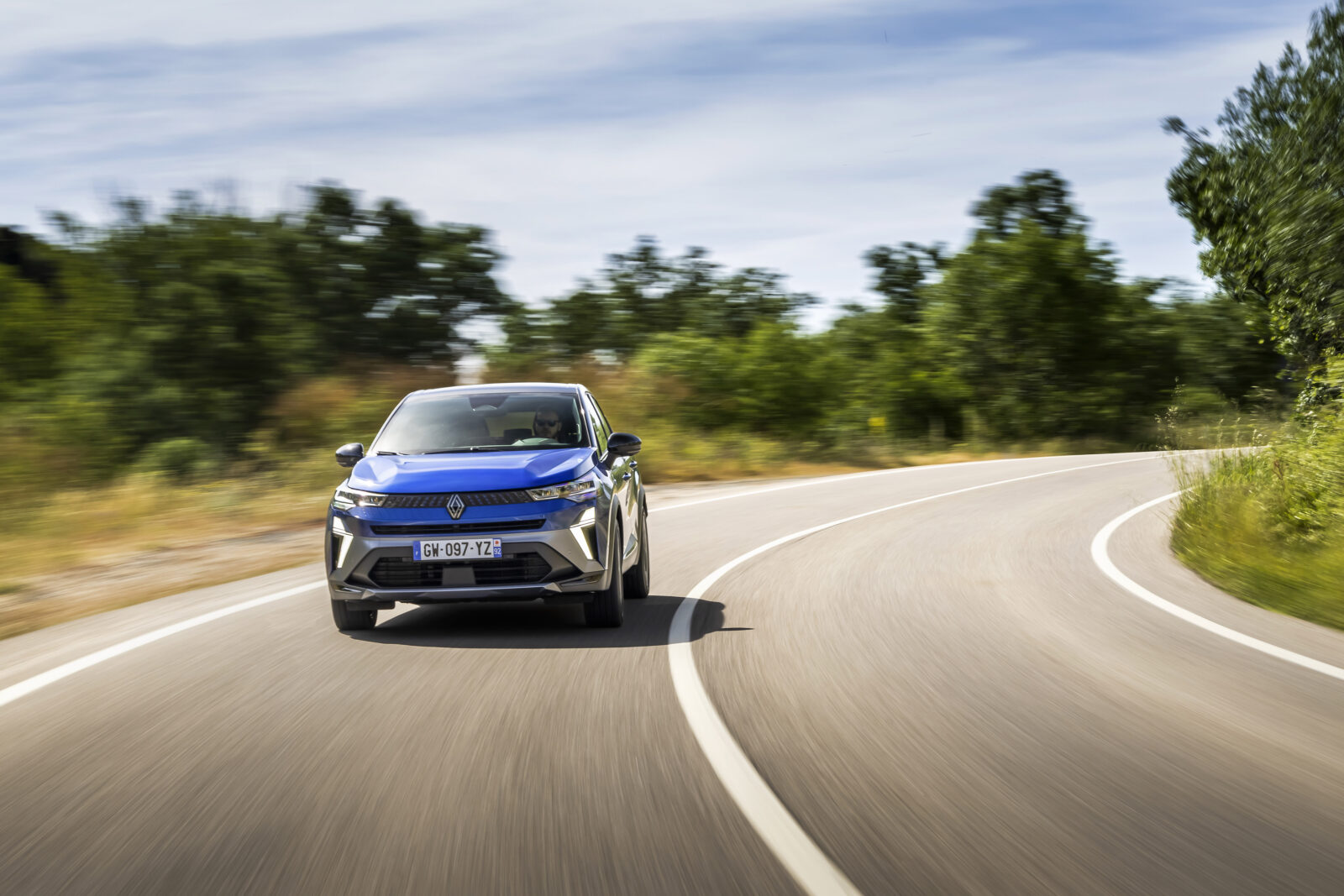
The Renault Captur with 1.5 dCi 110 engine produces in real-world driving up to 16.5 times more NOx emissions (nitrogen oxides, harmful exhaust gases) than allowed by the legal Euro 6 limit (European emissions standard for exhaust gases) of 80 mg/km. This serious emission problem led to recall campaigns. Tens of thousands of owners are struggling with faults, MOT failures and high repair costs. Read on to find out where things go wrong and how to recognise and tackle the problems.
Why does the dCi 110 emit so much NOx
Diesel engines naturally produce more nitrogen oxides because combustion takes place at high temperature with a lot of oxygen. Renault therefore built in several systems to limit emissions: exhaust gas recirculation (EGR), a particulate filter and a Lean NOx Trap (a storage system that temporarily captures NOx in the exhaust). Together these technologies should ensure that the engine complies with the Euro 6 standard. In practice these systems regularly fail, especially during cold starts and in urban traffic.
Tests show that emissions when you start the car with a cold engine can rise to 1310 mg/km, more than sixteen times the permitted value. Even after warming up, emissions often remain around 800 mg/km. This is because the emission control systems only work properly at higher temperatures. As a result, the Renault Captur with dCi 110 engine regularly fails the inspection and is no longer allowed to drive in some low-emission zones.
NOx sensors in the exhaust system measure the values and control the AdBlue injection, but these sensors in particular often break down. If the sensor is defective, the engine management receives incorrect information and emissions increase further. This explains why many owners only discover at the inspection that their car no longer meets environmental standards.
‘ Yet these measures do not always solve the problem permanently, as is clear from ongoing complaints on owner forums. ’
Common causes of high NOx levels
A dirty EGR valve (exhaust gas recirculation valve that returns exhaust gases to the engine) is one of the most common culprits. Because of soot build-up, the valve can no longer close properly, so too little exhaust gas is returned to the engine. This leads to higher combustion temperatures and therefore to extremely high NOx levels. Cleaning or replacing the valve usually provides relief, but also check the supply channels as these can also become clogged.
Defective sensors are a second major source of problems. The NOx sensor and lambda sensor (sensor that measures the oxygen content in the exhaust gases) work together to control the engine management. Incorrect measurements disrupt the entire emission control system. The engine then does not run efficiently and emits more than necessary. Replacing these sensors costs between 250 and 800 euros each, depending on the type and the workshop.
The NOx filter system that removes nitrogen oxides from the exhaust gases can also fail. Renault specifically recalled Captur and Kadjar models to repair this component. In this campaign the software was often adjusted or physical components were replaced. Yet these measures do not always solve the problem permanently, as is clear from ongoing complaints on owner forums.
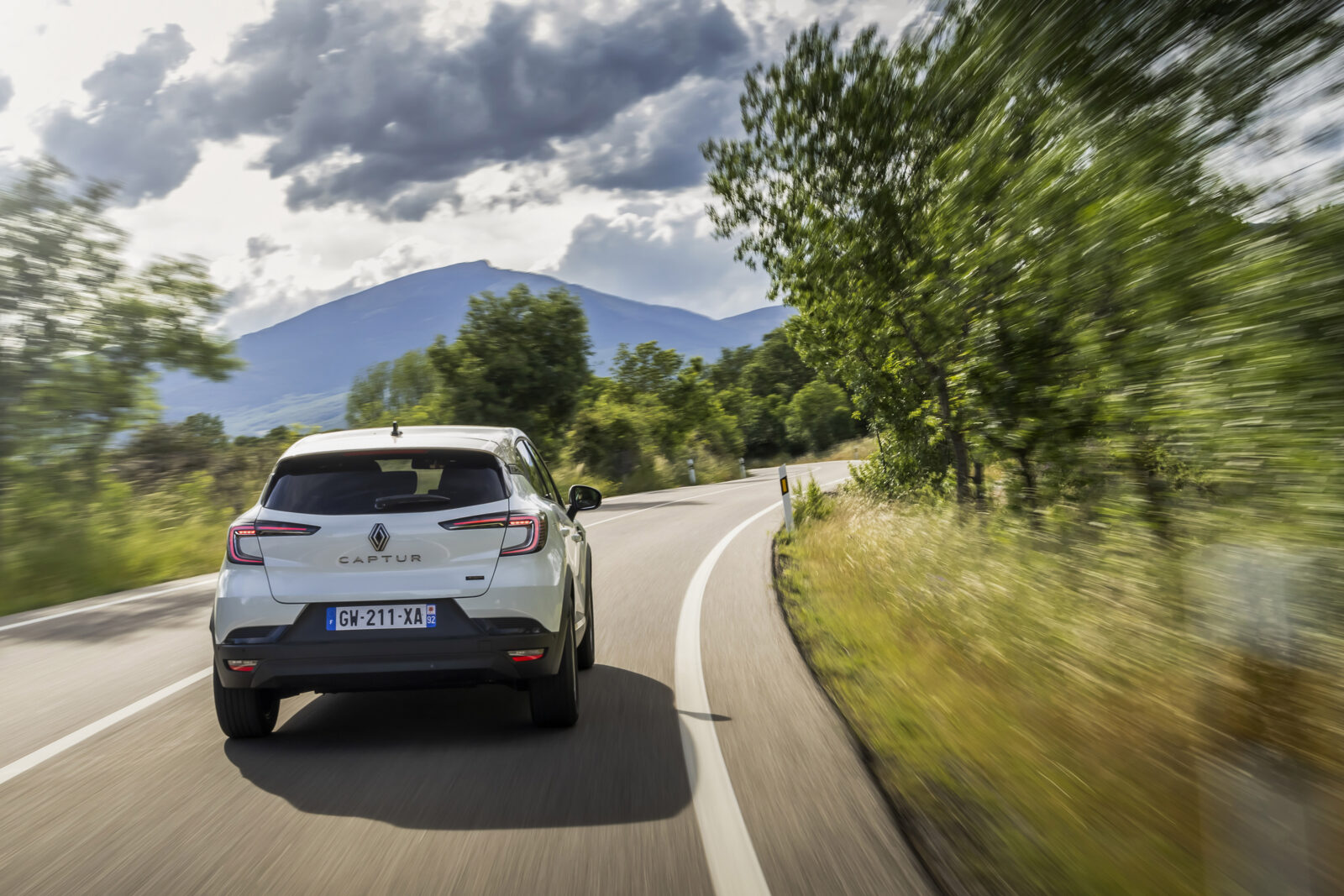
Do you recognise these symptoms in your Captur
Owners regularly report that their car goes into limp mode (engine safety mode with limited power). The engine warning light comes on and the power is severely reduced. This happens because the system detects that the emission values are too high and the engine automatically scales back to prevent further damage. This problem occurs mainly in city traffic and after short trips.
Failing the MOT is another clear signal. During the MOT the tester measures the exhaust gases and the NOx emissions often turn out to be well above the permitted value. This leads to a fail and a ban on using the car on the road until the problem has been fixed. For many owners this comes as a surprise, because at first sight the car drives normally.
When you start the engine while it is still cold, emissions peak even more. The engine then needs time to reach operating temperature, but precisely in that phase the emission systems do not yet work properly. Anyone who mainly makes short trips and never lets the engine warm up properly makes the problem worse. The Lean NOx Trap works best from 80 to 100 degrees Celsius, which means that the engine has to run for at least ten to fifteen minutes before the system becomes effective.
Practical solutions for dCi 110 owners
Start with a thorough diagnosis at a workshop familiar with Renault diesel engines. A fault code scan gives insight into which components are defective. Also have an exhaust gas test carried out on a rolling road (test bench on which the car is loaded while stationary as if it were driving), because only then can you measure the actual NOx levels under realistic conditions. This test costs between 50 and 150 euros but prevents you from replacing parts that are actually still in good condition.
If the EGR valve is dirty, cleaning can sometimes help. Some workshops use special cleaning fluids that dissolve soot build-up. If the valve is too badly affected, you will have to replace it. Expect costs between 400 and 800 euros including labour. Also immediately check the supply channels and the EGR cooler, because if these are clogged the problem will quickly return.
For the NOx sensor, replacement is often the only option. These sensors are sensitive and fail over time due to the high temperatures and aggressive gases in the exhaust system. A new sensor costs 250 to 800 euros, depending on the type. Some cars have two NOx sensors, which doubles the cost.
The AdBlue system (urea fluid that reduces NOx emissions in the exhaust) requires regular maintenance. Always top up in good time and use only certified AdBlue to prevent contamination of the system. Have the AdBlue injectors checked every 30,000 kilometres, as they can become clogged. Faults in the AdBlue system can lead to repairs costing 1000 to 3000 euros.
‘ Yet the recall does not always solve all problems. ’
What to do with a recall
Renault launched recall campaigns for certain Captur models with the dCi 110 engine from the period 2009 to 2019. Check whether your car is covered by the campaign by having the registration number or chassis number checked by a Renault dealer or on the RDW website. The dealer will then install a software update or replace the NOx filter at no cost to you.
Even so, the recall does not always solve all problems. Many owners report that although emissions fall after the update, they still remain above the limit. In that case inspection remains an issue and you can consider additional measures. Some workshops offer a more extensive overhaul of the emission control system, but this can run to several thousand euros.
A last resort is deactivation of certain emission systems via software modifications or RDW homologation. This is only permitted if the car is converted, for example into a classic car or for non-public roads. For normal use on public roads, deactivation is illegal and will lead to fines and the car being uninsurable.
Prevent future problems
Avoid short trips as much as possible. The engine needs to run for at least ten to fifteen minutes to reach operating temperature and allow the emission systems to function optimally. Anyone who only drives short distances every day never lets the engine warm up properly and thereby increases the risk of contamination of the EGR valve and particulate filter.
Have the system that keeps the exhaust gases clean checked regularly, for example annually or at every major service. A preventive check of the EGR valve, NOx sensors and AdBlue system prevents expensive repairs and unexpected MOT failures. Also ask the mechanic to read out the fault codes, as these often provide early warning of developing problems.
In the case of persistent problems, consider selling or trading in the car. Because of the system faults, the Renault Captur dCi 110 continues to pose a risk for low-emission zones and inspections. Anyone who drives a lot in urban traffic or depends on a reliable car is better off switching to a model without this emission history.
Find out more on Carnews
NOx emission problems are not limited to the Renault dCi 110. Other diesel models also struggle with similar emission faults and recalls. On the Carnews website you will find extensive information about common car problems, maintenance advice and tips to avoid costly repairs. Take a look at the overview page of common problems by car brand to check whether your car is known for specific faults.
Frequently asked questions
The NOx emission problem with the dCi 110 engine means that your diesel engine in real-world use emits far more nitrogen oxides than allowed under the Euro 6 standard, especially with a cold engine and in urban traffic. This is often due to poorly functioning components such as the EGR valve, NOx sensor(s) and the NOx/exhaust aftertreatment system, which do not work properly under realistic driving conditions. Possible consequences include warning lights, limp mode, potential MOT failure and restrictions in low-emission zones. In many cases there are (or have been) recall campaigns and targeted repairs or software updates may be needed to reduce emissions.
The increased NOx emissions have been identified in Renault models with the 1.5 dCi 110 bhp engine, in particular the Renault Captur (and related SUVs such as the Kadjar) from roughly 2009–2019. For the Nissan models with the same dCi 110 engine, no specific model designations are given in the available source.
Possible solutions to reduce NOx emissions include cleaning or replacing the EGR valve (usually several hundred euros) and replacing defective NOx or lambda sensors (roughly 250–600 euros per sensor, including labour). Modifications to the NOx or AdBlue/SCR system itself, such as replacing the NOx filter or components, can range from around 500 to as much as 3000 euros. Software updates or adjustments are sometimes carried out free of charge by the manufacturer as part of a recall campaign, but outside warranty this can also cost several hundred euros. Structural maintenance (regularly topping up AdBlue, preventing excessive soot build-up) reduces the likelihood of expensive interventions.
A software update or recall campaign for the dCi 110 is usually aimed at reducing NOx emissions, which can sometimes result in slightly lower engine power or a less immediate throttle response. In some cases fuel consumption may therefore increase slightly, because the engine is calibrated to be “cleaner” but delivers a bit less power per litre. The service life of the engine itself is generally not shortened and can actually benefit if the exhaust and EGR system operate more cleanly and reliably. The concrete effect differs per update and per car and can only really be determined by comparing tests (consumption, performance) before and after.
The NOx emission problem with the dCi 110 engine generally leads to a lower residual value, because potential buyers fear additional risks and possible repair costs. In addition, recall campaigns, negative publicity and stricter low-emission zones can reduce demand for these diesel models. Banks, leasing companies and traders often take this into account in their valuation models. As a result, depreciation may be faster than with comparable engines without NOx issues.