

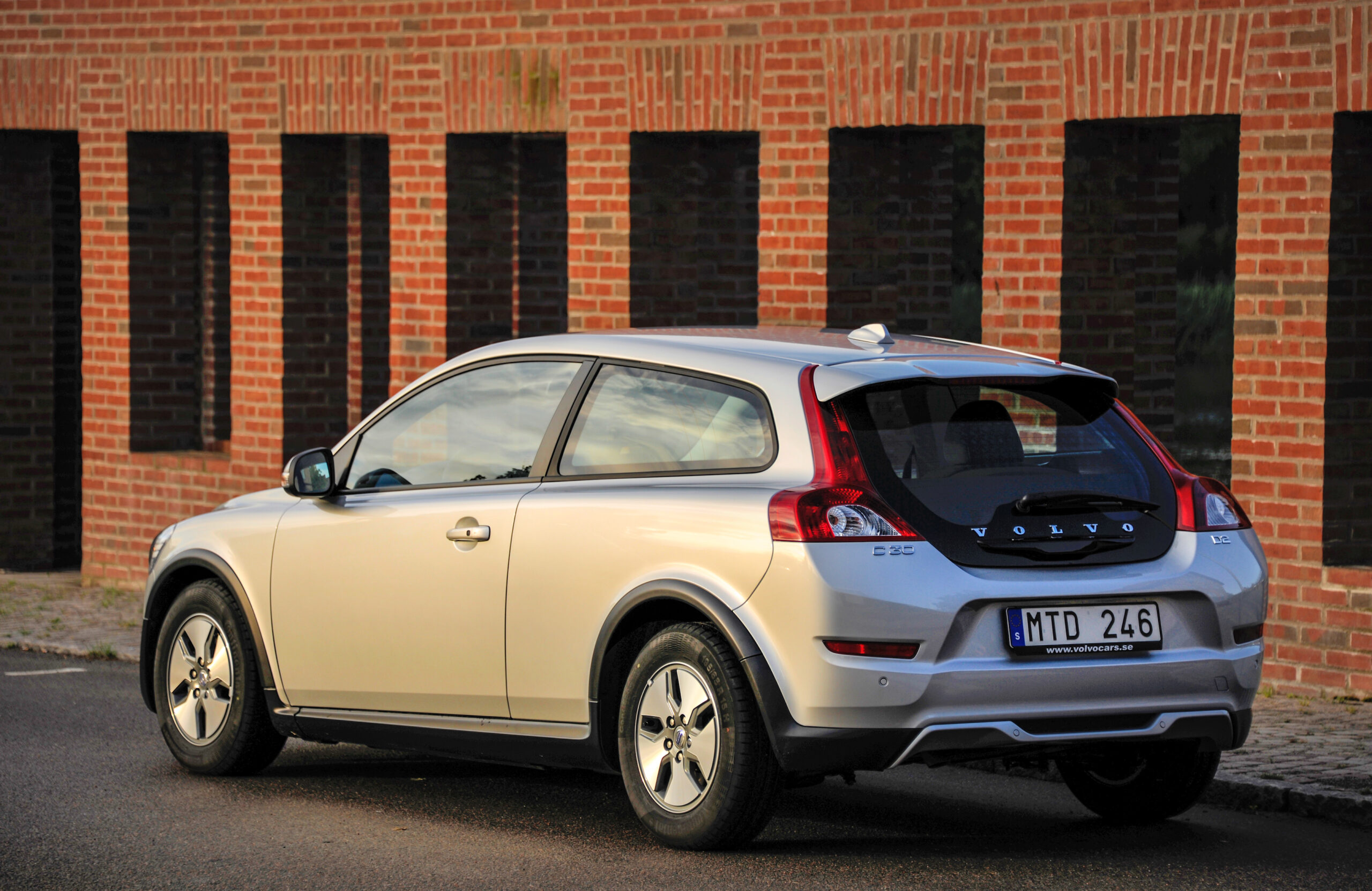
The Volvo C30 regularly suffers from excessive oil consumption, especially in models with a 5-cylinder engine. Owners report figures from 1 litre per 3,000 kilometres to even 1 litre per 300 kilometres during intensive motorway use. The cause usually lies in sticking or worn piston rings and leaking valve stem seals, which leads to oil burning in the engine. Do you recognise the warning signs? It is important to intervene in good time.
Oil consumption is a well-known pain point with the Volvo C30, especially for cars with an unclear service history. Owners often report that the oil level drops quickly during motorway journeys or after periods with lots of short trips. This points to internal engine wear. That can gradually lead to costly damage to the catalytic converter (a component in the exhaust that converts harmful gases) and other parts.
Most complaints come from drivers who use their car daily and regularly cover long distances. The problem does not always show itself straight away. It develops gradually. That makes it difficult to intervene in time before the damage becomes severe.
Why does the C30 use so much oil?
The main causes of high oil consumption lie within the engine itself. Sticking piston rings are a common problem, especially in cars with old or contaminated engine oil. Normally, the piston rings make sure that oil is kept out of the combustion chamber. If they stick due to carbon deposits, oil can pass the pistons and enter the combustion chamber.
Another cause is wear of the piston rings themselves or of the cylinder walls. This is caused by a high mileage or doing a lot of driving while towing a trailer. Too much play in connecting rod bearings can cause oil to be flung against the cylinder wall. The oil scraper rings cannot cope with this. The result is that oil is burned along with the fuel during the combustion cycle.
Valve stem seals also play a role. These rubber seals prevent oil from the valve train area from leaking into the combustion chamber. Over time they harden and shrink, causing them to lose their sealing function. This problem gets worse in engines that often run at high revs or are frequently started from cold and then cooled down again.
Recognisable signs of oil consumption
There are clear warning signs that point to excessive oil consumption. The most important is visible smoke from the exhaust, often bluish-grey in colour. This smoke is caused by burnt engine oil and is especially noticeable when accelerating or after a long motorway run. Some owners report a jet-black, oily exhaust as an additional warning sign.
Another sign is a rapidly dropping oil level. If you regularly have to top up oil between services, that is a clear indication. Under normal operating conditions, an engine should use at most a few hundred millilitres of oil per 10,000 kilometres. Consumption of more than 1 litre per 3,000 kilometres is considered problematic.
Also keep an eye out for the following symptoms:
- Black or oily deposits around the tailpipe
- Rough running after a cold start
- Reduced performance at high revs
- Burning oil smell in the exhaust gases
What are the consequences for the car?
Prolonged excessive oil consumption affects not only the engine, but also other systems. The catalytic converter can become heavily contaminated or even fail due to the oil that is burned in the exhaust. This leads to reduced exhaust gas aftertreatment and can cause faults in the engine management electronics.
A too low oil level causes insufficient lubrication of the engine. As a result, wear on bearings, camshafts and other moving parts increases rapidly. In the worst case, this can lead to engine damage where the cost of repair exceeds the value of the car.
Damage to the catalytic converter is often a hidden cost. Owners sometimes only notice the problem at the MOT test, when the emission values turn out to be too high. Replacing a catalytic converter quickly costs several hundred to more than a thousand euros, depending on the engine type.
How can you determine oil consumption?
The simplest method is to check the oil level regularly. Do this every 500 to 1,000 kilometres, especially with a C30 with an unknown service history. Note how much oil you top up and calculate the consumption per 1,000 kilometres. This gives you an objective picture of how serious the problem is.
A compression test (a measurement to check the pressure in the cylinders) carried out by a garage offers more certainty. This test measures the pressure in each cylinder and shows whether there is leakage due to worn piston rings or valves. The test takes little time and helps to spot wear on cylinders or piston rings at an early stage.
Also check for external leaks. Look under the car and around the engine block for oil stains. Pay particular attention to the valve cover, the oil filter housing and the sump. An external leak is usually cheaper to repair than internal engine wear.
Have the crankcase ventilation system (a system that removes excess pressure from the engine block) checked if oil consumption increases without any obvious leak. A blocked or faulty crankcase ventilation system causes overpressure in the crankcase, which forces oil past seals or draws it in through the intake.
‘ Preventive maintenance offers the best protection against high oil consumption. ’
Possible solutions and repair costs
The solution depends on the exact cause. In the case of sticking piston rings, it can help to carry out an engine treatment with special additives that dissolve carbon deposits. This works mainly in mild cases and costs a few tens of euros.
If the piston rings or valve stem seals are worn, repairs are necessary. Replacing valve stem seals usually costs between 500 and 1,000 euros, depending on the model and the garage. This is a relatively straightforward repair that does not require the complete removal of the cylinder head.
In the case of severe wear of piston rings or cylinder walls, an engine rebuild is required. The cost varies from 2,000 to 4,000 euros or more, depending on the condition of the engine and the parts required. In many cases, it is then cheaper to fit a used engine.
Preventive maintenance offers the best protection against high oil consumption. Replace the engine oil at the recommended intervals and choose high-quality oil that meets Volvo specifications. Cars that often make short trips benefit from shorter oil change intervals because the oil becomes contaminated more quickly.

Things to look out for when buying a used C30
If you are considering buying a Volvo C30, pay close attention to signs of oil consumption during the test drive. Start the engine from cold and watch for smoke from the exhaust. Accelerate firmly while driving and check in the rear-view mirror whether blue smoke appears.
Check the service book and ask for evidence of regular oil changes. Cars with a full service history are less likely to suffer from problems with sticking piston rings. Also ask whether the current owner has had to top up the oil regularly.
Look inside the exhaust. A black, oily deposit indicates oil burning. Also check the oil level immediately after the test drive. If the level is conspicuously low, this may point to structural oil consumption.
Practical tips for C30 owners
Keep a close eye on the oil level, especially before and after long journeys. Top up with the correct specification oil if necessary. Do not drive with a too low oil level, as this accelerates wear and increases the risk of engine damage.
Avoid, where possible, lots of short trips one after another. In that case the engine does not reach full operating temperature, which leaves condensation and contamination behind in the oil. Plan an occasional longer drive to allow the engine to get properly warm.
At the first signs of increased oil consumption, consult a specialist straight away. Early diagnosis can prevent a small issue from growing into a major and expensive repair. A compression test and a check of the crankcase ventilation system cost relatively little and provide quick clarity.
Consider shorter oil change intervals if the car is often used under harsh conditions, such as in city traffic or when towing a trailer. Change the oil every 10,000 kilometres instead of the standard 15,000 or 20,000 kilometres.
Would you like to know more about other common problems with Volvo models, or are you curious about maintenance and buying tips? On the Carnews website you will find extensive information about technical issues, maintenance advice and experiences from other car enthusiasts. Discover more and stay up to date with everything you need to know about your car.
Frequently asked questions
The most common causes of high oil consumption in a Volvo C30 are sticking or worn piston rings, internal wear (including too much play in bearings), leaks and problems with the crankcase ventilation system; prolonged oil consumption can also damage the catalytic converter. You can recognise this by a rapidly dropping oil level, blue or dark smoke when accelerating (especially after longer journeys), a black or oily exhaust and sometimes an oil or burning smell behind the car. Lots of short trips and oil change intervals that are too long increase the likelihood of these problems. A compression test and checks for external leaks and crankcase ventilation issues help to identify the exact cause.
In the long term, excessive oil consumption can lead to accelerated wear or damage to piston rings, cylinder walls and bearings, ultimately with a risk of serious engine damage or even seizure. In addition, prolonged oil burning can contaminate and damage the catalytic converter and exhaust system, which increases emissions and makes the car more likely to fail emissions tests. Reliability also decreases, because the oil level can reach a critically low point more quickly, especially if it is not constantly monitored. As a result, the service life and residual value of the engine drop significantly.
A car enthusiast can closely monitor the oil level (for example every 500–1,000 km) and record how much oil is topped up to map out consumption, while also watching for blue/dark smoke and a black or oily exhaust as signs of internal oil burning. Check yourself for visible oil leaks around the engine, valve cover and oil filter, and make sure oil changes are carried out on time with the correct specification oil to help prevent or limit sticking piston rings. Adjust your driving style by not revving a cold engine hard and limiting short trips, so that the engine oil becomes contaminated less quickly. In the event of persistently high consumption, it is wise to have a targeted compression test and crankcase ventilation check carried out, so that any wear or blockage is detected early.
It is advisable to call in a professional as soon as you have to top up oil more often than once every 1,000 km, see blue or dark smoke, notice a clearly falling oil level, or when there has been inexplicably high oil consumption for some time. An initial diagnosis including a compression test and checks for leaks/crankcase ventilation issues is relatively inexpensive (usually a few tens of euros up to around €100). Common follow-up work such as replacing or cleaning crankcase ventilation components and gaskets/seals generally ranges from a few hundred euros, depending on labour time and brand parts. In cases of severe internal engine wear (for example piston rings or an overhaul), you should reckon with amounts of roughly €1,000 to well over €2,000.