
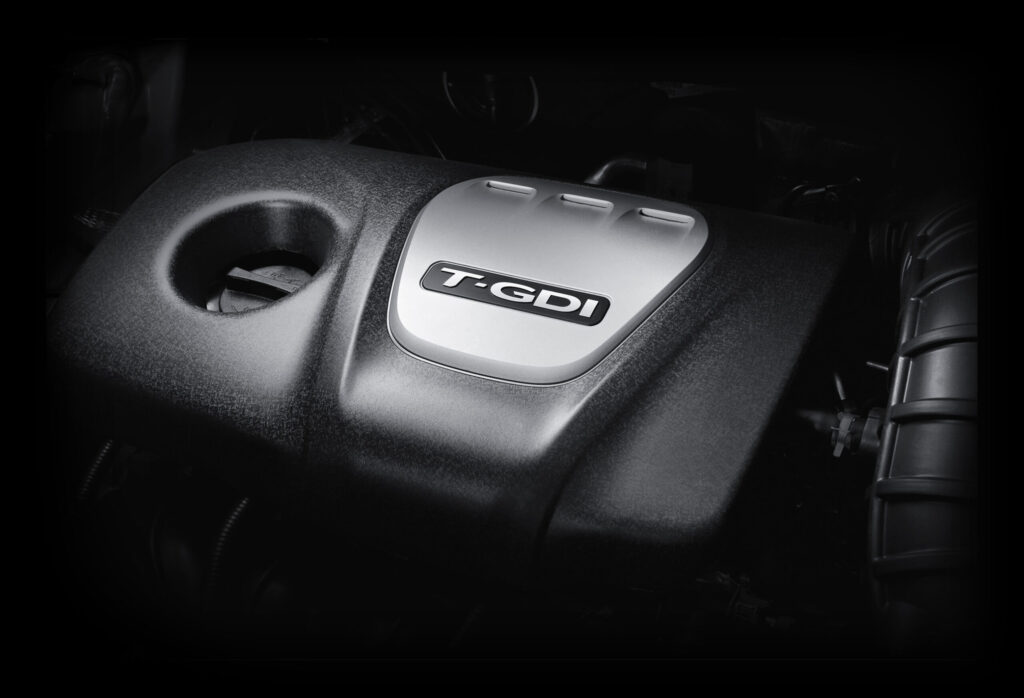
Oil leakage onto the clutch plate, persistent engine noises and catalytic converter failure due to fragments in the engine are known problems with the Kia Soul, especially in older 1.6 petrol engines. These faults lead to rapid wear and costly repairs if they are not identified in time. Do you recognise these signs in your car? Then it is important to act quickly.
How do you recognise oil leaks in the Kia Soul?
Oil leakage is a common problem in the Kia Soul, particularly in models from the 2008–2014 period. The leak is often caused by worn gaskets, defective seals or small cracks in the engine block. What makes it even more annoying is that oil leaking onto the clutch plate causes rapid wear and can make the clutch slip completely.
You can recognise oil leaks by several signs. Regularly check for oil stains under the car after parking. Place a piece of cardboard under the engine to trace the exact location of the leak. A falling oil level without visible external leakage may indicate internal problems. Also pay attention to the smell of burning oil in the cabin or under the bonnet, which indicates that oil is getting onto hot engine parts.
In the Kia Soul these causes are the most common:
- Worn gaskets around the engine block, rocker cover or sump due to heat and age
- Cracked sump due to grounding or corrosion
- Loose or damaged oil filter after an oil change
- Defective oil pump hoses at higher mileages
- Microcracks in the engine block, which are sometimes replaced under warranty
Check the oil level with the dipstick every week. Loss of more than half a litre per 1,000 kilometres is worrying and requires immediate action. Clean the engine with degreaser and drive 100 kilometres to pinpoint the leak accurately.
What causes engine noises in the Kia Soul?
Engine noises in the Kia Soul are often caused by a combination of oil leaks and poor lubrication. If the engine has too little oil, friction between moving parts increases. This leads to audible ticking, rattling or knocking sounds from the engine compartment.
The 1.6 petrol engine (1.6-litre petrol engine variant) is particularly sensitive to this type of problem. Owners regularly report strange noises associated with timing chain wear, turbo issues in Gamma engines and ECU faults (malfunctions in the electronic engine management). In some cases the noises are caused by piston rings that wear out more quickly due to high oil consumption.
Overheating also plays a role. Too little oil leads to higher engine temperatures, causing parts to seize or deform. This problem is most common in cars with more than 100,000 kilometres on the clock. Wear accelerates if the problem is not addressed, which can lead to complete engine failure.
You can recognise engine noises from these characteristics:
- Ticking noises that increase at higher revs
- Rattling noise when starting a cold engine
- Knocking or banging sound while accelerating
- Whistling sound indicating turbo problems
Take these noises seriously. Have the engine checked by a specialist with experience of Kia engines. A pressure test or inspection with UV dye in the oil can reveal hidden leaks.
Is catalytic converter failure a known problem in the Kia Soul?
Catalytic converter failure occurs regularly in the Kia Soul with the 1.6 petrol engine (1.6-litre petrol engine variant). The greatest risk arises when the catalytic converter disintegrates internally and fragments enter the engine. These metal particles cause serious damage to cylinders, pistons and valves, often resulting in a total loss of the engine.
The cause usually lies in a combination of factors. Oil leaks can lead to incomplete combustion, overloading the catalytic converter and causing it to wear out more quickly. Shorter journeys where the engine does not fully warm up also accelerate wear. In some models manufacturing defects in the catalytic converter itself are the cause of premature failure.
Symptoms of a defective catalytic converter include:
- Engine management warning light on the dashboard
- Loss of power while driving
- Rattling noise under the car when starting
- Increased fuel consumption
- Issues with the MOT emissions test due to excessive emissions
When the catalytic converter sheds fragments that end up in the engine, costs can rise to several thousand euros. In severe cases a complete engine replacement is needed. Kia offers extended engine warranties in some countries because of these known problems, so check whether your car qualifies.
Diagnosis and repair options
A systematic approach helps to limit costs and prevent further damage. Start with a visual inspection underneath the car. Look for fresh oil stains and check whether gaskets or hoses are damaged. Clean contaminated parts to make it easier to trace new leaks.
Follow these steps for a thorough diagnosis:
- Check the oil level with the dipstick and top up to the maximum level
- Inspect the oil filter and drain plug for leaks or loose fastening
- Have a smoke test carried out at the garage to detect hidden leaks
- Ask for a pressure test of the oil system if problems persist
- Check the exhaust gases for increased emissions that indicate catalytic converter problems
Repair costs vary widely. A simple replacement of the oil filter or drain plug costs between 20 and 50 euros if you do it yourself. Replacing gaskets is between 300 and 800 euros, depending on location and complexity. A new catalytic converter costs 600 to 1,200 euros including installation. In the case of severe engine damage caused by fragments in the engine, a new engine block may be required, with costs starting from 4,000 euros. These costs are sometimes partly covered by the Kia warranty up to 7 years or 150,000 kilometres.
Some repairs are suitable to carry out yourself. Always use a new O-ring (sealing ring) when replacing the drain plug and tighten it with a torque wrench to 20 to 25 Nm (newton metres, a unit of tightening torque). Fit the oil filter hand-tight and then turn it a further three-quarters of a turn. Avoid overfilling the engine with oil, as this can lead to extra pressure on seals.
Prevention and maintenance tips
Regular maintenance prevents many problems. Change the oil every 10,000 kilometres using high-quality synthetic oil with specification 5W-30. During each service have hoses and gaskets inspected for cracks or wear. Check the oil level weekly, especially in cars with more than 100,000 kilometres on the clock.
Adjust your driving style to reduce wear. Short trips where the engine does not fully warm up increase the risk of condensation in the oil and accelerated wear of gaskets. Avoid parking on very hot surfaces immediately after driving, as this can damage rubber seals.
When buying a used Kia Soul, these checks are important:
- Ask for the full service history with proof of regular oil changes
- Check the floor under the engine for oil stains or signs of leaks
- Have a pre-purchase inspection performed by a specialist
- Test the car for unusual engine noises with a cold start and when the engine is warm
- Check whether there are any open recalls or Technical Service Bulletins (technical service notices from the manufacturer) for the model
Kia Soul models with more than 150,000 kilometres have twice the risk of oil leaks. Be extra alert with these cars and schedule regular checks. Joining owners’ forums can help you stay informed about known problems and effective solutions.

When should you go to the garage?
Certain symptoms call for immediate professional help. Go to a garage if the engine warning light stays on or comes on regularly. A rapidly dropping oil level without visible leakage also requires a thorough inspection. Engine noises that grow louder or change in character may indicate serious internal damage.
Choose a garage with experience of Kia engines. They have access to specific diagnostic equipment and know the common weak points of the Soul. Ask for a cost estimate in advance and discuss which repairs have priority. In warranty cases contact an official Kia dealer, as certain engine problems are covered by extended warranty schemes.
Do not ignore these problems. A small oil leak can quickly escalate into expensive engine damage. Taking timely action not only saves money, but also keeps your Kia Soul safe and reliable on the road.
On the Carnews website you will find much more information about common car problems, maintenance tips and technical background information for different makes and models. Discover more useful articles that help you keep your car in top condition.
Frequently asked questions
Early signs of oil leaks in a Kia Soul include oil spots under the car, oil smells in or around the car, visible oil traces around the rocker cover, sump or oil filter and a falling oil level between services. Impending engine problems can be recognised by ticking or rattling sounds (especially when cold starting), loss of power, louder engine noise, an oil pressure warning light and possibly higher engine temperatures. Specific risks for the Kia Soul include known leaks at gaskets and the sump, increased oil consumption due to piston rings and, in some build years, even microcracks in the engine block, which can lead to serious engine damage or the need for engine replacement. Older models and cars with high mileage are particularly at risk and require frequent checking of the oil level.
Common causes of oil leaks in the Kia Soul include worn or defective gaskets and seals (such as rocker cover and sump gaskets), problems with the sump or drain plug and sometimes manufacturing defects or microcracks in the engine block. An incorrectly fitted oil filter or ageing oil lines can also cause leaks. These leaks typically occur around the rocker cover, along the engine block, at the sump and drain plug, and at oil cooler/oil line connections. Undetected leaks then lead to a low oil level, which can cause poor lubrication, overheating and accelerated wear or even seizing of the engine.
A car enthusiast can start by cleaning the (cold) engine with degreaser, then going for a drive and inspecting the engine bay and underside for fresh oil traces around the oil filter, drain plug, rocker cover and sump. Then regularly check the oil level with the dipstick and top up to the correct level, while noting consumption (more than about 0.5 litres per 1,000 km is suspicious). Simple causes such as a loose oil filter or drain plug can be fixed by tightening them with the correct torque and, if necessary, replacing the sealing ring (O-ring/copper washer). If the leak persists or oil is coming from the engine block or gaskets, it is wise not to use the car any further and to consult a specialist.
Oil leaks reduce oil pressure and lubrication, causing engine performance to drop (less power, rough running) and fuel consumption to increase due to extra friction and inefficient combustion. Continual oil shortage makes components wear more quickly, which significantly shortens the engine’s service life and can, in extreme cases, lead to seizure. Professional help is unavoidable as soon as you see oil spots under the car, notice a rapidly falling oil level or warning lights for oil pressure/engine fault light come on. If consumption exceeds roughly 0.5 litres per 1,000 km or when the source of the leak is not immediately clear, the car should be taken straight to a specialist.