
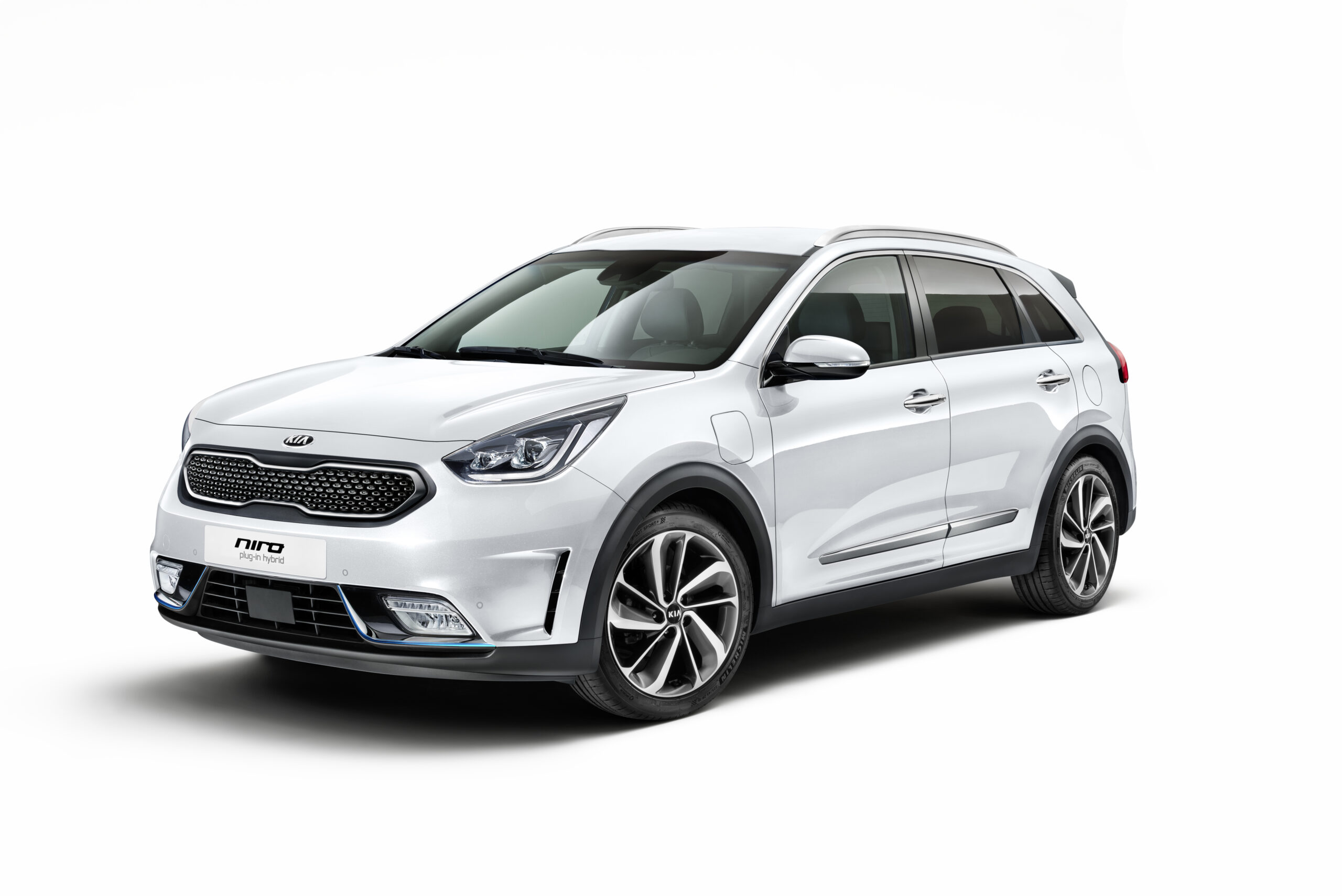
The overheating of the Kia Niro engine is often caused by a faulty relay or starter battery. Early models from 2016–2017 were particularly prone to this. In some vehicles, there was even a potential fire risk. Most problems have been resolved after recall actions. Owners of older models can still suffer from cooling fan issues and relay failures. Read on to discover how to recognise and prevent these problems.
Why does the Kia Niro overheat
The Kia Niro regularly struggles with overheating issues due to faults in the cooling system. This occurs mainly in hybrid and electric versions. The most common problem is a faulty relay for the cooling fan. This relay switches the fan on when the engine gets too hot. If it is defective, the fan stays off, meaning too little air passes through the radiator and the engine temperature rises quickly.
Besides relay issues, there are several other causes of overheating. Coolant leaks often occur at the water pump, radiator or hoses. Models from 2017 have a unique exhaust heat exchanger in the exhaust system. This can fail. Coolant then evaporates through the exhaust. A faulty thermostat prevents proper coolant circulation. A dirty or blocked radiator obstructs the airflow.
The optimal engine temperature is around 90°C. When idling or in traffic jams the engine is under extra strain. A properly working fan is then essential. Early Niro models from 2016–2017 also suffered from battery and relay failures. These led to overheating and even fire risk. Kia has carried out recall actions for this, but owners of older models must remain alert to symptoms such as a rising temperature gauge or warning lights on the dashboard.
‘ This part costs little and prevents expensive engine damage from overheating. ’
How to recognise a faulty relay
A faulty relay is not always immediately visible, but there are clear signs. The cooling fan should switch on when the engine gets warm. This mainly happens after longer drives or when stationary. If you do not hear any fan noise under the bonnet with a warm engine, there is probably a problem with the relay or the fan itself.
A warning light will often appear on the dashboard. This happens when the engine temperature rises too high. You must take this light seriously. Owners report that overheating due to relay faults mainly occurs after roughly 50,000 kilometres. Replacing the relay is relatively simple and inexpensive, and in many cases solves the problem immediately.
You can test the relay yourself by activating the fan manually. You can also use a multimeter. If in doubt, you can replace the relay as a precaution. This part costs little and prevents expensive engine damage from overheating.
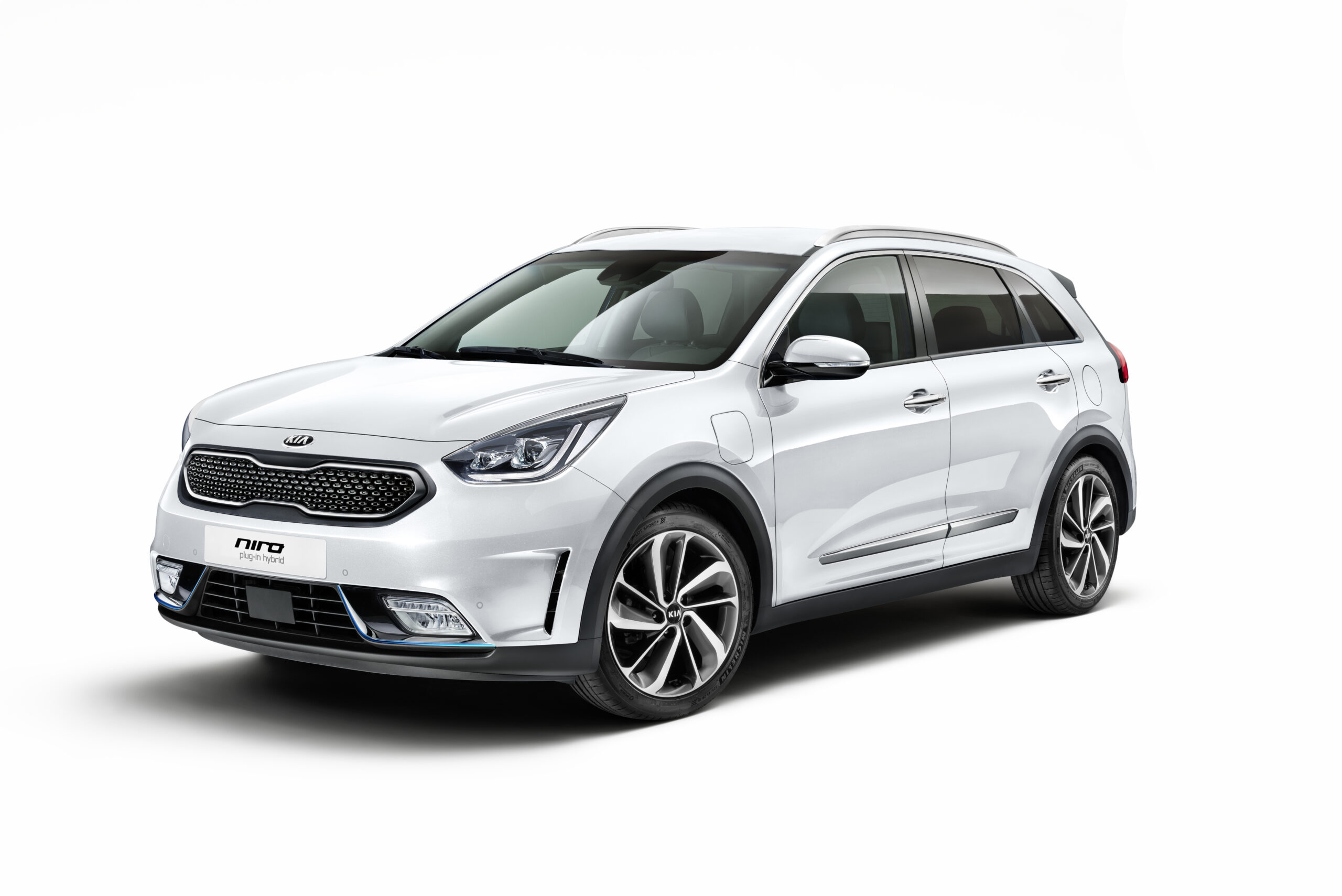
What to do if you overheat on the road
Overheating requires immediate action to prevent engine damage. Switch off the air conditioning. Turn the heater fully on. This may seem counterintuitive. The heater helps to remove heat from the engine. Drive calmly to a safe place. Avoid high revs.
Switch off the engine as soon as you can stop safely and let it cool down completely. Never open the radiator cap when the engine is hot. This carries a risk of severe burns from hot steam and coolant. Wait at least 30 minutes before opening the bonnet.
Wait until the engine has cooled down. Then check the coolant level in the reservoir. The level should be between the minimum and maximum markings, preferably in the middle. Top up with high-quality coolant. Do not use tap water or distilled water. Check whether the fan is working. Also check that the belts are tight. Does the temperature gauge rise again while driving? Then have the car towed to a garage.
Preventive maintenance prevents overheating
Regular maintenance is the best protection against overheating problems. Check the coolant level every two weeks. This is especially important for long journeys. Top up the reservoir to the correct level and replace the coolant every 50,000 kilometres or every two years. Use only good-quality coolant. Choose coolant suitable for hybrid or electric vehicles.
The radiator fins must remain clean. This ensures optimum airflow. Remove leaves, mud and dust. Use a soft brush for this. You can do this at every check. Also test regularly whether the cooling fan switches on. Do this when the engine is warm. Replace the relay as a precaution if you doubt its operation.
The exhaust heat exchanger is a point of attention for the Niro Hybrid. If it fails, this component can be bypassed with a temporary hose layout. This bypass prevents coolant loss through the exhaust. You then avoid an expensive replacement. Also have the hoses, belts and oil level checked. A low oil level contributes to overheating. Regular maintenance prevents around 80 per cent of overheating problems. That is what owners report.
‘ In some cases there was a fire risk. ’
Have problems been solved in newer models
The early Kia Niro models from 2016 and 2017 had known problems with relays, battery and overheating. In some cases there was a fire risk. Kia has carried out recall actions to resolve these issues. Later models have improved cooling systems and more reliable components.
Cooling fan and relay problems still occur occasionally. This also applies to newer versions. Manufacturers have addressed structural weaknesses. Owners are better informed about preventive maintenance. Are you buying a used Niro from 2016 or 2017? Then check whether all recall actions have been carried out.
Do you have persistent overheating problems? Then a thorough diagnosis is necessary. Have the cooling fan and relay fully checked by a professional garage. Also have the thermostat and cooling system inspected. Early detection prevents serious engine damage. This also saves you costly repairs.
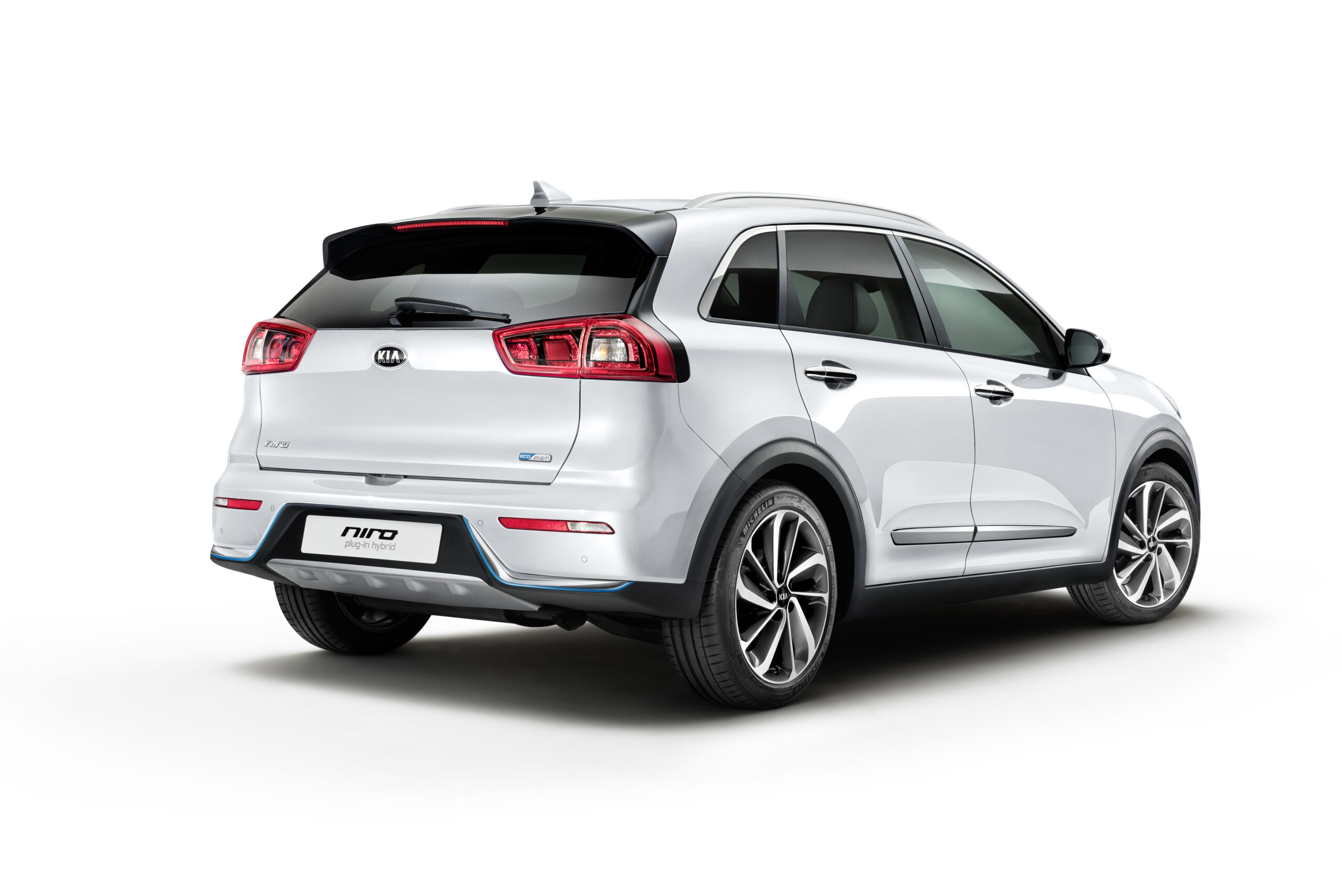
Practical tips for Kia Niro owners
Routine maintenance is essential. There are also specific actions you can take as a Niro owner. Always check the coolant before long journeys. Check the oil level. Check that the cooling fan is working. Keep the reservoir between the markings and replace old, contaminated coolant in good time.
Watch out for warning signs such as a rising temperature gauge or warning lights. Also look out for steam under the bonnet. Act immediately if you notice these symptoms. Store the number of a breakdown service in your phone for emergencies.
Do you often sit in traffic jams? Then you need to be extra alert. Do you drive in warm weather? Extra vigilance is needed then too. The cooling fan has to work harder. A faulty relay will show up more quickly. Replace the relay at the first signs of a fault. This saves bigger repairs.
On the Carnews website you will find much more information. You can read about common car problems there. The website also contains maintenance tips. In addition, you will find information about specific models such as the Kia Niro. Discover more articles and stay up to date with everything you need to know as a car enthusiast.
Frequently asked questions
The most common causes of engine overheating in a Kia Niro are coolant leaks (including at the water pump, hoses or heat exchanger), a faulty thermostat, problems with the cooling fan or relay, and a blocked or dirty radiator. A poorly functioning water pump or loose/worn belt can also reduce cooling. Early symptoms are a temperature gauge that rises higher than normal, the cooling fan cutting in irregularly or not at all, and a dropping coolant level without visible leakage. In addition, warning lights or messages on the dashboard and a slight smell of hot fluid or metal can be the first signs.
The essential relays for cooling the engine of a Kia Niro are the relays that control the electric radiator cooling fan(s). If such a cooling fan relay fails, the fan will not switch on or will switch on too late, resulting in insufficient airflow through the radiator. This can cause the coolant temperature to rise too high, leading to engine overheating.
You can first suspect a potentially faulty cooling fan relay if the engine gets warm but the fan does not switch on (listen to see whether it starts running as soon as the engine gets hot or the air conditioning is on). In the fuse and relay box, check the cooling fan relay, and if possible compare it with an identical relay by swapping them and seeing whether the problem moves with it. To replace it, usually you disconnect the battery terminal, open the relay box, pull the old relay straight up and out, and push an equivalent new unit back into the same position. If the fan still does not work afterwards, the problem may also be in the fan motor, wiring or temperature sensor, and further diagnosis by a mechanic is advisable.
If your Kia Niro overheats, immediately switch off the air conditioning, turn the heater on full, drive slowly to a safe place, switch off the engine and let it cool down completely without opening the radiator cap. Afterwards, check the coolant level, operation of the cooling fan and the condition of hoses and belts; only top up coolant once the engine has cooled and, if necessary, drive (preferably have the car towed) to a garage. To prevent overheating in future, check the coolant level every few weeks, clean the radiator regularly, have the coolant changed on time and have the fan and relay inspected. For hybrid models, pay extra attention to known weak points such as the exhaust heat exchanger and, if in doubt, have a specialist check the car.
Repeated overheating can lead to warping or cracking of the cylinder head, burning through of the head gasket and damage to pistons, cylinder walls and valves, resulting in loss of compression and power. In addition, components of the cooling system (radiator, hoses, water pump, thermostat and fan relay) can wear out or start leaking more quickly. The engine oil also ages and burns off faster, reducing lubrication and potentially causing bearing damage. In extreme cases this can result in seizure or the need for a complete engine overhaul/replacement, as well as possible damage to adjacent systems such as the exhaust and hybrid-specific exhaust heat exchangers.