
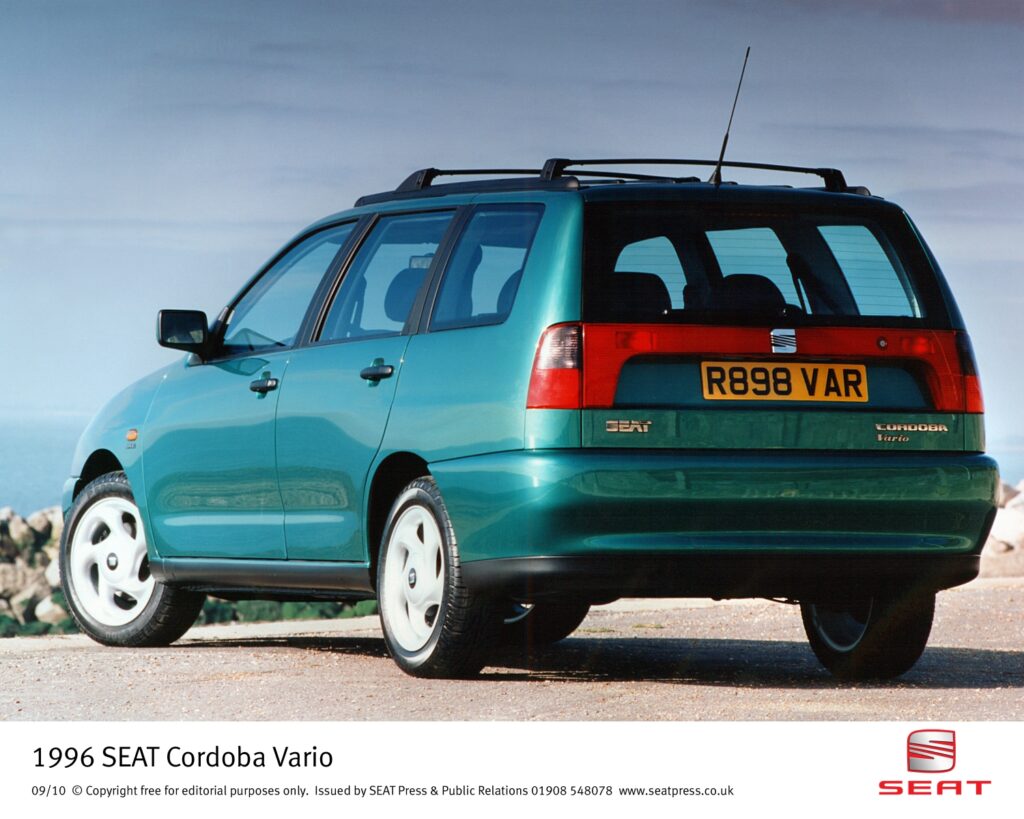
A leaking cooling system is the main cause of overheating in the Seat Cordoba. The temperature sensor on the radiator and vulnerable coolant hoses often give up at just 80,000 kilometres, causing coolant to leak away and the system to build up overpressure. This can lead to serious engine damage if you ignore the first warning signs. Read on to discover how to recognise and prevent these common problems.
Why the Seat Cordoba is prone to cooling issues
The Seat Cordoba, especially models from 1993 to 2002, regularly suffers failures in the cooling system. The temperature sensor on the radiator is a weak point that develops small cracks over time. Coolant hoses become brittle and come loose, especially when the system is under pressure.
The engine warning light often comes on before you notice coolant under the car. At that point the system is already building up overpressure, a sign that internal components are not functioning properly. This problem typically shows up between 70,000 and 100,000 kilometres, depending on the maintenance history.
The sealing ring (gasket) between cooling system components wears out due to repeated temperature fluctuations. When this seal fails, different fluids can mix or coolant can escape to the outside. Replacing the sealing ring then becomes necessary to prevent further damage.
Recognisable symptoms of cooling system leakage
The first signs of a leak in the cooling system are usually subtle. You may notice a small puddle under the car after parking. This fluid is often green, pink or orange, depending on the type of coolant. The level in the expansion tank will then also drop faster than normal.
The engine warning light comes on when the temperature rises above the normal value. This often happens while driving, especially in traffic jams or in warm weather. The temperature gauge on the dashboard rises into the red zone, a clear signal that you must act immediately.
You can recognise overpressure in the system by a rock-hard expansion tank and sometimes even by coolant spraying out when you open the cap of the tank. This points to serious problems that require professional attention:
- Visible leakage under the front of the car
- Falling coolant level without obvious external leaks
- Engine warning light that stays on or flashes
- Temperature gauge reaching the red zone
- Steam coming from under the bonnet when stationary
- Overpressure in the expansion tank
Faulty temperature sensor as a common culprit
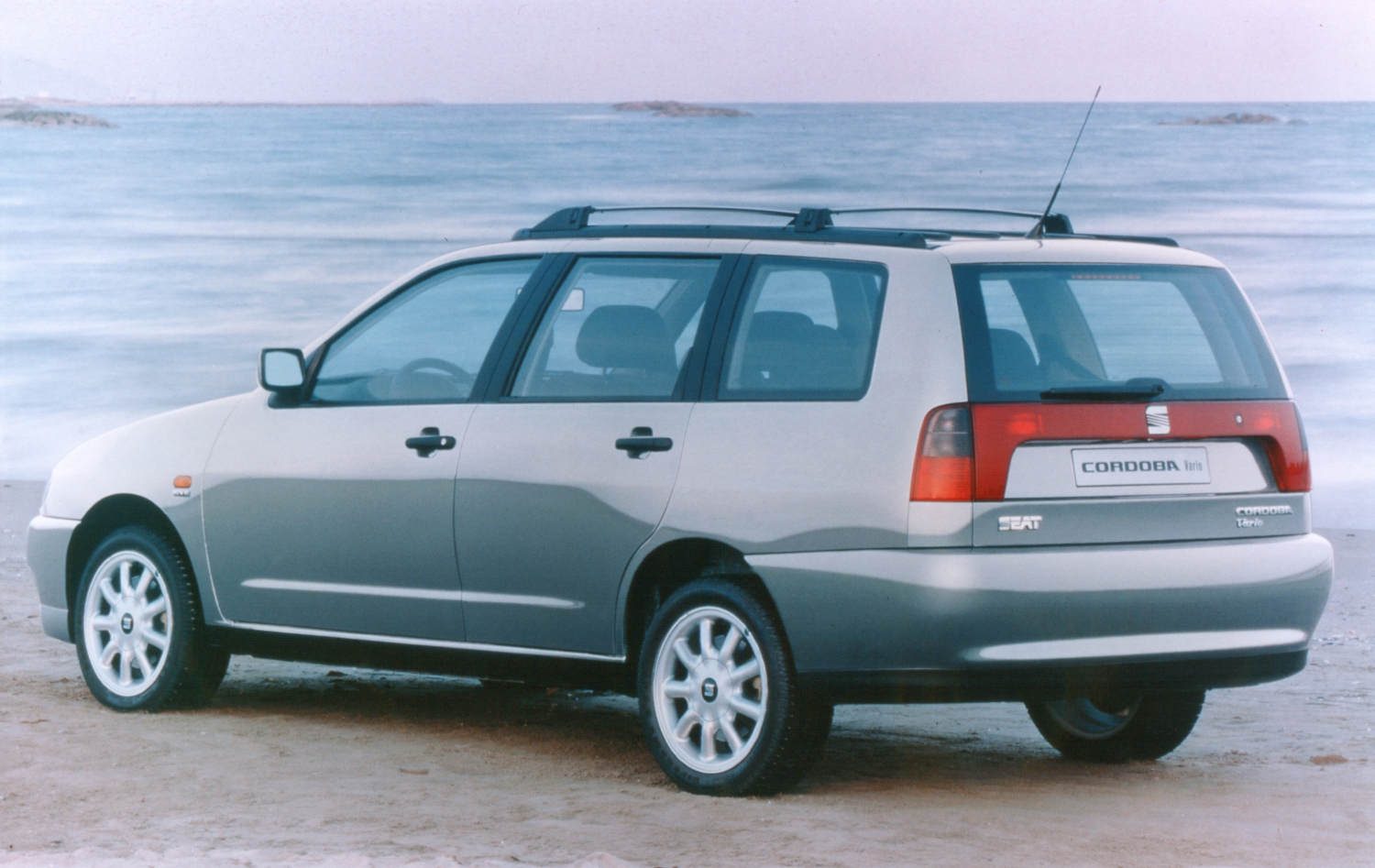
The temperature sensor on the radiator of the Seat Cordoba is prone to leakage. The material around the sensor becomes brittle after years of exposure to temperature changes. Cracks in the housing allow coolant to escape, often in small amounts that only become noticeable after some time.
A broken sensor also sends incorrect readings to the engine computer. As a result, you do not get a reliable picture of the actual engine temperature. This can lead to situations where the engine overheats without the warning lights coming on in time.
Replacing the temperature sensor is relatively straightforward, but it does require partially draining the cooling system. After replacement the system must be refilled and bled. This prevents air pockets that impede cooling and cause new problems.
Coolant hoses and their critical role in leaks
Coolant hoses connect the different components of the cooling system and are constantly under pressure. The rubber hardens due to temperature fluctuations and exposure to chemicals in the coolant. After around eight to ten years of service, the hoses often show cracks or weak spots.
The connection points where hoses join the radiator, engine or thermostat are particularly vulnerable. Clamps can come loose or the rubber can start to detach there first. A suddenly splitting coolant hose leads to rapid coolant loss and immediate overheating.
Preventive replacement of coolant hoses during a major service at around 100,000 kilometres prevents a lot of hassle. Opt for quality hoses that can withstand the specific temperatures and pressure of the Cordoba cooling system.
‘ The costs vary, but it is always cheaper than repairing engine damage caused by prolonged overheating. ’
The role of the sealing ring in sealing issues
The sealing ring acts as a seal between metal components of the cooling system and must withstand both high temperatures and pressure. Over time this thin part loses its elasticity and tiny channels form through which fluid can leak.
A leaking sealing ring often appears as an internal leak. You will not see coolant under the car, but the level will steadily drop. In more serious cases, coolant can enter the combustion chamber, recognisable by white smoke from the exhaust.
Replacing a sealing ring requires partial disassembly of the cooling system. The costs vary, but it is always cheaper than repairing engine damage caused by prolonged overheating. Schedule this repair as soon as you suspect that the sealing ring is no longer doing its job properly.
What to do in case of acute overheating
Stop immediately when the temperature gauge reaches the red zone. Driving on with an overheated engine can cause permanent damage within minutes. Pull over safely to the side of the road and switch off the engine.
Wait at least thirty minutes before opening the bonnet. The cooling system is under high pressure and hot steam can cause severe burns. Never open the cap on the expansion tank when the engine is hot.
Once it has cooled down, check the coolant level in the expansion tank. In an emergency you can top up with water to drive the car to a garage, but preferably use coolant with the correct specification. Bear these steps in mind in case of acute problems:
- Stop immediately at any signs of overheating
- Allow the engine and cooling system to cool down completely
- Check the coolant level carefully
- Look for visible leaks under the car
- Only continue driving if the level is correct and there is no active leak visible
- Schedule a garage visit immediately for diagnosis
Preventive maintenance for a reliable cooling system
Weekly checks of the coolant level help you avoid surprises. Open the expansion tank when the engine is cold and check whether the level is between the minimum and maximum markings. A steadily falling level indicates a leak that needs attention.
Change the coolant according to the maintenance schedule, usually every three to four years. Old coolant loses its protective properties and can cause corrosion. This affects metal parts and rubber hoses from the inside out.
Have the cooling system checked regularly at a garage that has experience with Seat models. A pressure test reveals small leaks before they turn into major problems. Clean the radiator from the outside to ensure optimal airflow, especially after winter when salt and dirt build up.
Invest in quality parts when replacing components. Cheap sensors or hoses often fail more quickly and ultimately cost you more time and money. An approved garage can advise you on the best parts for your Cordoba model.
‘ This test provides clarity about the exact repair required. ’
Diagnosis via fault codes and sensor tests
Modern diagnostic equipment reads fault codes from the engine computer that point to specific problems. Code P1482, for example, indicates a fault in the control of the radiator fan. These electrical problems lead to insufficient cooling, especially when stationary in traffic jams.
A mechanic can test the temperature sensor by measuring the resistance values at different temperatures. Abnormal values point to a defective sensor that needs replacing. This sometimes explains warning messages on the dashboard while there is no visible leakage.
A pressure test of the entire cooling system reveals exactly where the leak occurs. The mechanic seals the system and pressurises it. This makes it visible whether the radiator, hoses, sealing rings or other components are leaking. This test provides clarity about the exact repair required.
Costs and planning of repairs
The costs for replacing a temperature sensor are between fifty and one hundred and fifty euros, including labour. A complete set of new coolant hoses costs around one hundred to two hundred euros, depending on the model and the quality of the parts.
Replacing a sealing ring requires more work and is therefore more expensive. Expect to pay three hundred to five hundred euros for parts and labour. In case of structural damage or blockage, a new radiator is needed. This costs between two hundred and four hundred euros excluding installation.
Do not postpone repairs to the cooling system. Small leaks become bigger problems, and overheating can lead to engine damage costing thousands of euros. A cracked cylinder head or blown head gasket (the sealing surface between the cylinder head and engine block) are direct consequences of ignoring cooling problems.
When temporary solutions are acceptable
Leak-stop additives designed for cooling systems can temporarily seal small cracks. These products work by reacting with air at the point where coolant escapes. They are suitable as an emergency solution to get to a garage or to tide you over for a weekend.
Only use leak-stop additives for small leaks without structural damage to parts. They are not suitable for split hoses or large holes in the radiator. Read the instructions carefully and never exceed the recommended dose to avoid blocking the system.
Never regard these products as a permanent solution. Schedule a professional repair within a few weeks. Long-term use of leak-stop additives can damage other parts of the cooling system and lead to new problems.
‘ The owner stresses the importance of taking quick action at the first warning signs. ’
Real-world experiences from Cordoba owners
Owners regularly report overheating after longer journeys in warm conditions. The problems often start subtly with a slightly raised temperature gauge. Within a few weeks this escalates to warning lights on the dashboard and puddles of coolant under the car.
A diesel version with 80,000 kilometres on the clock suddenly suffered severe overheating with clear leakage at the temperature sensor. After replacing the sensor and thoroughly checking the system, the problem disappeared completely. The owner stresses the importance of taking quick action at the first warning signs.
Other users warn about unnoticed fan failures in city traffic. The engine then stays too warm without this being immediately obvious while driving. When stationary in traffic jams, the temperature rises quickly. Their tip is to park in the shade and let the engine cool down as soon as you get early warnings.
On the Carnews website you will find much more information about common problems with Seat models, from electrical faults to maintenance tips. Discover which other technical challenges the Cordoba presents and how best to tackle them.
Frequently asked questions
The most common causes of overheating in a Seat Cordoba are coolant leaks and overpressure in the cooling system, often around 80,000 km. In addition, faulty temperature sensors or coolant level sensors and failures in the radiator fan regularly cause excessive engine temperatures. Problems with the coolant flange or a leaking/blocked radiator are also common. Poor coolant quality and insufficient cooling of the engine oil further increase the risk of overheating.
You can recognise a failing cooling system or overheating in your Seat Cordoba by a rapidly rising coolant temperature gauge, an illuminated engine or temperature warning light and possibly the radiator fan not switching on. Also watch out for coolant leaks under the car, a sweet smell or visible steam from the engine bay. Overpressure in the expansion tank (hoses going rock hard, bubbling or spraying when you open the cap) can also point to problems. If you notice these symptoms, stop driving immediately and have the cooling system checked.
Turn the heater immediately to maximum hot with the fan on full, and pull over as soon and as safely as possible. Switch off the engine but leave the ignition on for a short while so that the fan can keep running if needed. Do not open the expansion tank straight away; wait at least 20–30 minutes until the engine has cooled, and only then check the coolant level and look for visible leaks. Do not continue driving if the temperature rises quickly again, but have the car recovered to a garage so that the cooling system (radiator, hoses, sensor, fan) can be checked.
Check the coolant level weekly, look under the car for signs of leaks and only top up with coolant of the correct specification. Have the cooling system flushed periodically (for example every few years) and the radiator, hoses, coolant flange and cap checked for blockages, ageing and hairline cracks. Test whether the cooling fan switches on in time and, if in doubt, have the temperature sensor(s) and any fault codes (such as P1482) read out. Keep the radiator and fan free of dirt for good airflow, and go straight to a garage if the engine temperature starts to rise, you see vapour, or a warning light comes on.
In the Seat Cordoba, leaking coolant (for example at the radiator or coolant flange) and the resulting overpressure are known weak spots. Faulty temperature sensors or coolant level sensors are also relatively common and can lead to apparent or actual overheating. In addition, the radiator fan and its electrical control (such as fault code P1482) regularly cause problems, which can make the engine too hot in traffic jams or when stationary. So pay extra attention to coolant level and traces under the car, correct operation of the fan and reliable temperature indication.
Possible upgrades for the cooling system of a Seat Cordoba for better performance or track use include a larger or more efficient aluminium radiator and a sport thermostat with a lower opening temperature. In addition, you can fit a more powerful or extra cooling fan with manual or modified control for greater airflow. Using high-grade (possibly waterless) coolant and fitting silicone coolant hoses also helps to maintain more stable pressure and temperature. Finally, a separate oil cooler is recommended to keep oil temperature better under control under heavy loads.