
A wiper system that does not provide sufficient visibility is a common problem that directly affects safety. Worn wiper blades, faulty motors or a dirty windscreen can all make it hard to see the road, especially in rain, fog or oncoming traffic. Streaks, smears and water films scatter light and drastically reduce visibility. Fortunately, most problems are easy to solve with timely maintenance and checks.
Why good visibility via your wipers is important
Wipers are a direct safety feature. They keep the windscreen clean and improve visibility in rain, snow and spray. Poorly functioning wipers greatly reduce visibility, especially in the dark when oncoming traffic becomes extra dazzling through a wet or dirty screen. Even light spray from lorries can already cause problems if the wipers do not work properly.
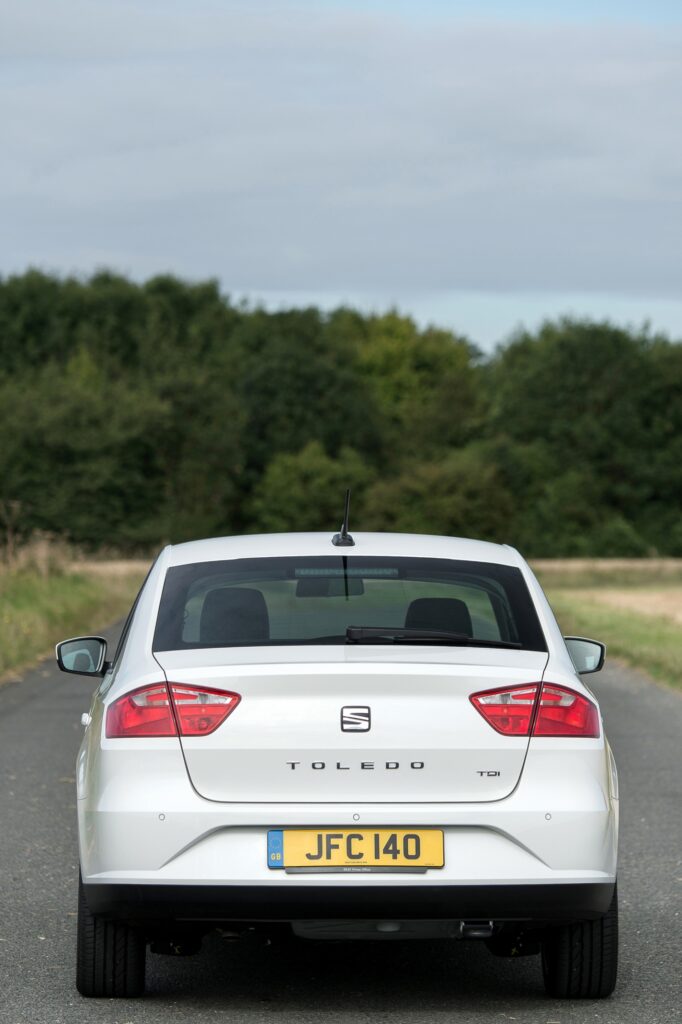
In various models, such as the Seat Toledo, automatic rain sensors are used that adjust the wiping frequency to the amount of water on the screen. However, these sensors have a supporting function and do not detect every situation perfectly. Manual adjustment therefore remains necessary, especially in fog, road spray or sudden showers.
Many motorists underestimate how quickly wiper blades wear out. Owners often replace them too late. This strongly affects visibility. A well-maintained wiper set not only makes driving in the rain safer, but also helps with night-time visibility because headlight glare is less scattered by streaks and film on the glass.
When you should replace your wipers
Dirty or worn wiper blades leave streaks or smears. These are clear signs that replacement is necessary. Old rubber can squeak, judder or clean poorly, which immediately reduces visibility. Check wiper blades at least once a year. Replace them if in doubt.
There are several signs that indicate replacement is needed:
- Visible streaks or smears after wiping
- Squeaking or juddering movement of the wiper blades
- Torn, hardened or deformed rubbers
- Uneven contact with the windscreen, leaving areas uncleared
- Skipping or jumping over parts of the screen while wiping
If the wiper blades show any of these symptoms, replace them immediately. Waiting to replace them increases the risk of poor visibility and dangerous traffic situations. Wiper blades are relatively inexpensive and easy to replace, making this a quick maintenance job.
Common causes of poorly working wipers
Besides worn wiper blades, there are several other causes that reduce visibility. Water film and dirt on the windscreen scatter the light from oncoming traffic and cause annoying glare. Snow, ice or caked-on dirt can hinder or even block the movement of the wiper. A dirty windscreen on the inside can make the effect even worse.
Technical problems can also play a role. A faulty wiper motor means the wipers do not move or move irregularly. This is common in older cars. Newer models can also suffer from it due to moisture ingress or electrical faults. When the motor does not work properly, you will notice slow movements, jerky operation or wipers that have stopped working altogether.
Other possible causes are:
- Empty or almost empty washer reservoir so the screen is not being wetted
- Blocked washer jets that do not spray water onto the screen
- Worn wiper arms that do not apply enough pressure
- Damaged rubbers due to extreme temperatures or UV radiation
Why is my wiper motor not working properly
A wiper motor can fail for several reasons. Moisture ingress is a common culprit, especially in cars that are parked outside or often driven in bad weather. Moisture can damage the motor and electrical connections, leading to rust and short circuits.
In addition, the motor can wear out after years of use. Internal components such as the motor itself, the gear mechanism or the electrical connections can break over time. Sometimes a blown fuse or faulty relay is the cause. This is easier to fix than a failed motor.
Symptoms of a faulty wiper motor are:
- Wipers that do not move at all when you switch them on
- Slow or irregular movement of the wiper blades
- Wipers that get stuck in the wrong position
- Strange noises or knocking sounds coming from the motor area
Check the fuse and relay first before replacing the motor. If these are in order, then the motor itself is faulty and needs to be replaced. This is not an easy repair for inexperienced DIYers. The job requires technical knowledge and the right tools.
‘ Always compare prices at several garages and ask about the warranty on both the part and the labour. ’
How much does it cost to replace the wiper motor
The cost of replacing a wiper motor varies by car make, model and garage. On average you can expect to pay between €150 and €400, including parts and labour. For more expensive brands or luxury models, costs can rise to €600 or more.
The motor itself usually costs between €80 and €250. This depends on the brand and whether you choose an original part or an alternative brand. Labour costs are often between €70 and €150. How accessible the motor is partly determines this. In some models the motor is behind the dashboard or under the bonnet. This requires more working time.
Always compare prices at several garages and ask about the warranty on both the part and the labour. Some garages offer discounts if you opt for alternative parts. This lowers costs without reducing quality.
Can you replace this yourself
Replacing wiper blades is a simple job that most motorists can do themselves. New wiper blades usually click into place without tools, and the car’s manual often explains how it works. This saves money and time. You can replace the wiper blades as soon as you see streaks or smears.
Replacing the wiper motor is much more complex. This repair requires technical knowledge, specific tools and access to the motor. The motor is often located under the bonnet or behind the dashboard. For the average car owner this is not a suitable DIY job. Incorrect installation can cause further damage to electrical systems or mechanical parts.
Are you unsure whether the problem lies with the wiper blades or the motor? Start by replacing the wiper blades. This is cheap and quick to do. Does the problem persist? Then have a garage perform a diagnosis. This prevents unnecessary costs. The repair will then be carried out correctly.
Practical tips for optimum visibility
Clean the windscreen and wiper blades regularly if you see streaks or smears. Use a soft cloth and a mild cleaning agent to remove dirt and deposits from the rubbers. Also check the washer reservoir and top it up with screenwash, especially in winter when frost can block the water.
Adjust the sensitivity of automatic wipers properly. This prevents the wiper from operating too late or too often. In fog, road spray or heavy rain, use the wipers manually. The rain sensor does not always respond optimally in those conditions. You then need to intervene yourself to maintain sufficient visibility.
Do not forget the rear wiper. Good rear visibility remains important when reversing in the rain. Check the rear wiper regularly and replace it if necessary. First remove snow, mud and ice. Only then use the wipers. This prevents wear and blockages.
Checklist for good wipers
Use this checklist to check whether your wipers are working properly:
- Do the wipers work without streaks across the entire windscreen
- Does the automatic setting respond quickly enough to rain
- Are the rubbers still soft and not torn or deformed
- Is the windscreen clean both outside and inside
- Is the rear wiper working properly
- Is the washer reservoir sufficiently filled
- Do the washer jets spray water correctly onto the screen
Carry out this check at least twice a year, preferably before and after winter. This way you ensure that your wipers always perform optimally and you can drive safely, whatever the weather.
On the Carnews website you will find much more information about car problems, maintenance tips and practical advice for different models. Discover more about how to keep your car in top condition and prevent expensive repairs through timely maintenance.
Frequently asked questions
Wipers with a modern automatic rain sensor function, combined with well-maintained, streak-free blades, deliver the best performance at high speeds and in extreme weather conditions. It is important that the rubbers are not worn or dirty, so they do not create streaks or smears that reduce visibility. In heavy rain or when there is a lot of spray, it is often better to set the wipers manually to a higher speed rather than relying entirely on the automatic setting. Regular cleaning and timely replacement of the wiper blades remain essential for optimum visibility.
Clean the wiper blades and windscreen regularly to remove dirt, insect remains and salt so they continue to wipe without streaks. Check the rubbers for drying, cracks and deformation and replace the blades at least once a year, or earlier in case of clear wear. Always remove ice, snow and caked-on dirt with an ice scraper or brush before using the wipers to prevent damage and overload. Do not let the wipers run dry or on an almost dry screen for long periods, as this accelerates rubber wear.
You can recognise worn wiper blades by streaks or smears on the screen, squeaking or jerky movements, and dried-out, cracked or frayed rubbers. If they smear the water rather than clearing it, or leave parts of the screen unwiped, they also need to be replaced. Worn wipers greatly reduce visibility, especially in the dark and in rain, snow or road spray. This increases the risk of glare from oncoming traffic and makes it harder to spot the reactions of other road users and obstacles in time, with a direct negative impact on driving safety.
Yes, there are technological developments in wiper systems that improve visibility, such as automatic wipers with rain sensors that adjust the wiping speed to the amount of rainfall. The finely adjustable sensitivity of these sensor systems also helps to wipe more quickly and appropriately in a wide range of weather conditions. In addition, improved rubber compounds and aerodynamic wiper blades provide a cleaner, streak-free screen, which particularly at night increases visibility. Regular maintenance and timely replacement of the blades are still crucial to benefit fully from this technology.
Flat wipers (flat blades) have a curved, spoiler-like strip without metal hinges, making them fit the screen more evenly and making them quieter and more aerodynamic. Traditional wipers have a metal frame with several hinge points, are often cheaper but more sensitive to ice, wind and uneven pressure. Hybrid wipers combine a (partly) traditional frame with an aerodynamic cover, making them quieter and more stable than classic blades, but usually slightly more expensive. In most cases, flat or hybrid wipers are the most recommended for modern cars because of their better wiping performance, low noise and longer lifespan, provided they are chosen in the correct size and fitting for your specific model.