
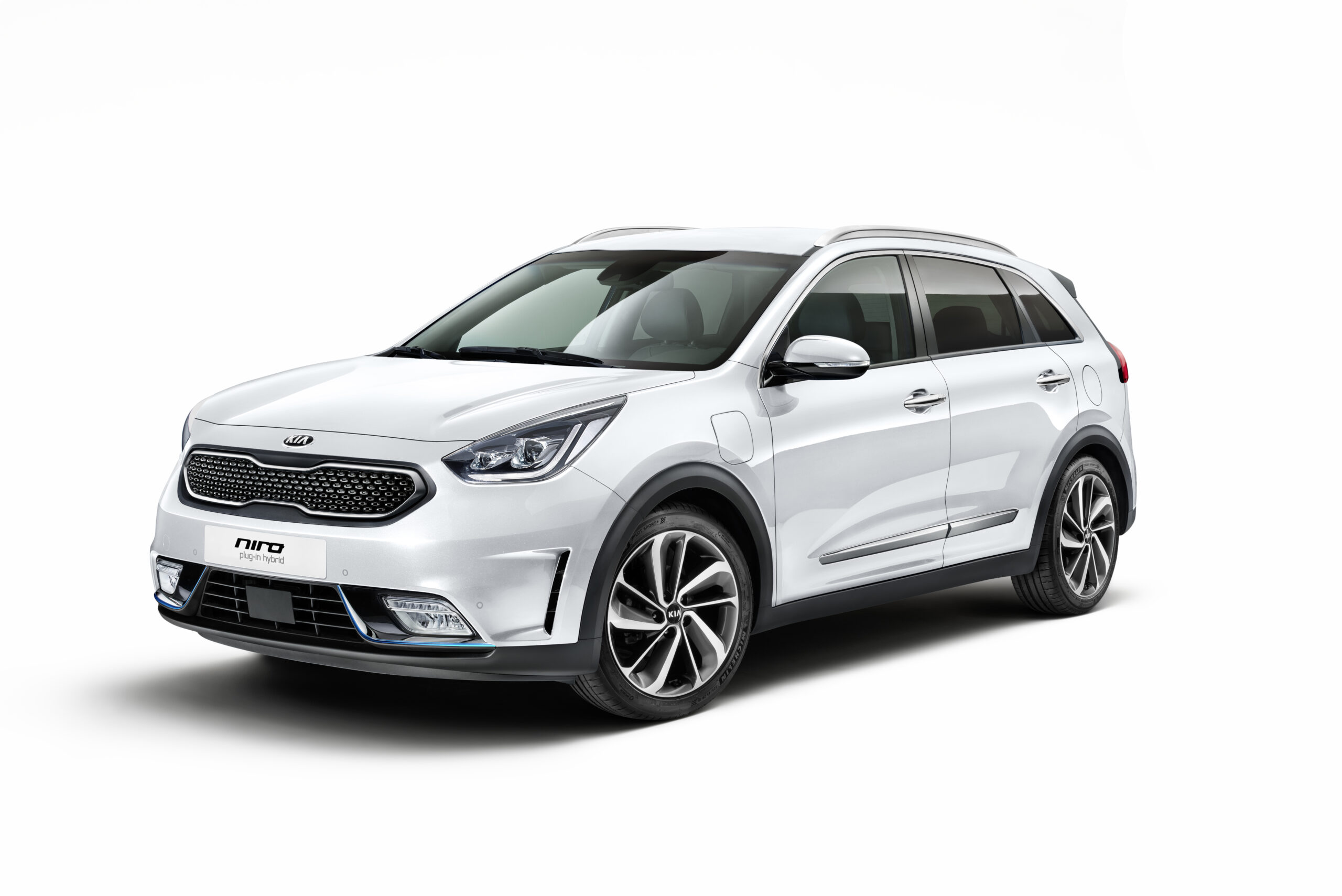
Recalls for faulty plug connections and brake hoses that have vibrated loose have led in some Kia Niro models to failure of the power steering and reduced braking force. These problems mainly affect older hybrid and plug‑in hybrid versions from 2016–2017, and sometimes also occur on later models. Do you want to know whether your car is at risk and how to prevent this?
Why does the power steering fail on the Kia Niro
On hybrid Kia Niro models from 2017, the electric power steering would sometimes fail completely while driving. This problem mainly occurs at low speeds. The steering wheel then suddenly becomes extremely heavy. The cause lies in a faulty plug connection in the power steering system. The connection can come loose or corrode. When that happens, the electric assistance cuts out without warning.
The manufacturer has carried out a recall for this problem. Owners of affected models received a notification. The dealer checked and replaced the plug connection. The recall covered a relatively small number of vehicles. Are you considering a used car from this period? Then check this with the dealer or via the RDW (Dutch vehicle authority).
Besides the plug connection, Niro models from 2016–2017 suffered from another issue: a faulty hydraulic clutch booster (a component that makes the clutch lighter to operate) with an internal leak. This sometimes led to short circuits and, in extreme cases, a fire risk. Kia also launched a recall for this. When buying a used Kia Niro, check whether both recalls have been carried out.
‘ The problem is often caused by a faulty steering sensor or damaged wiring in the steering column. ’
Recognisable symptoms of steering problems
Owners occasionally report on various forums that the steering is heavy on cold starts or at low speeds. These complaints are more common with electric power steering. The problem is often caused by a faulty steering sensor or damaged wiring in the steering column. Replacing the sensor or repairing the wiring usually fixes it.
When buying a used car, always test the steering effort in an empty car park at low speed. Listen for unusual noises coming from the steering column, such as creaking or grinding sounds. These may indicate an emerging problem with the power steering. Ask the dealer about any outstanding recalls and check whether servicing has been carried out according to schedule.
How to check brake hoses on a used Kia Niro
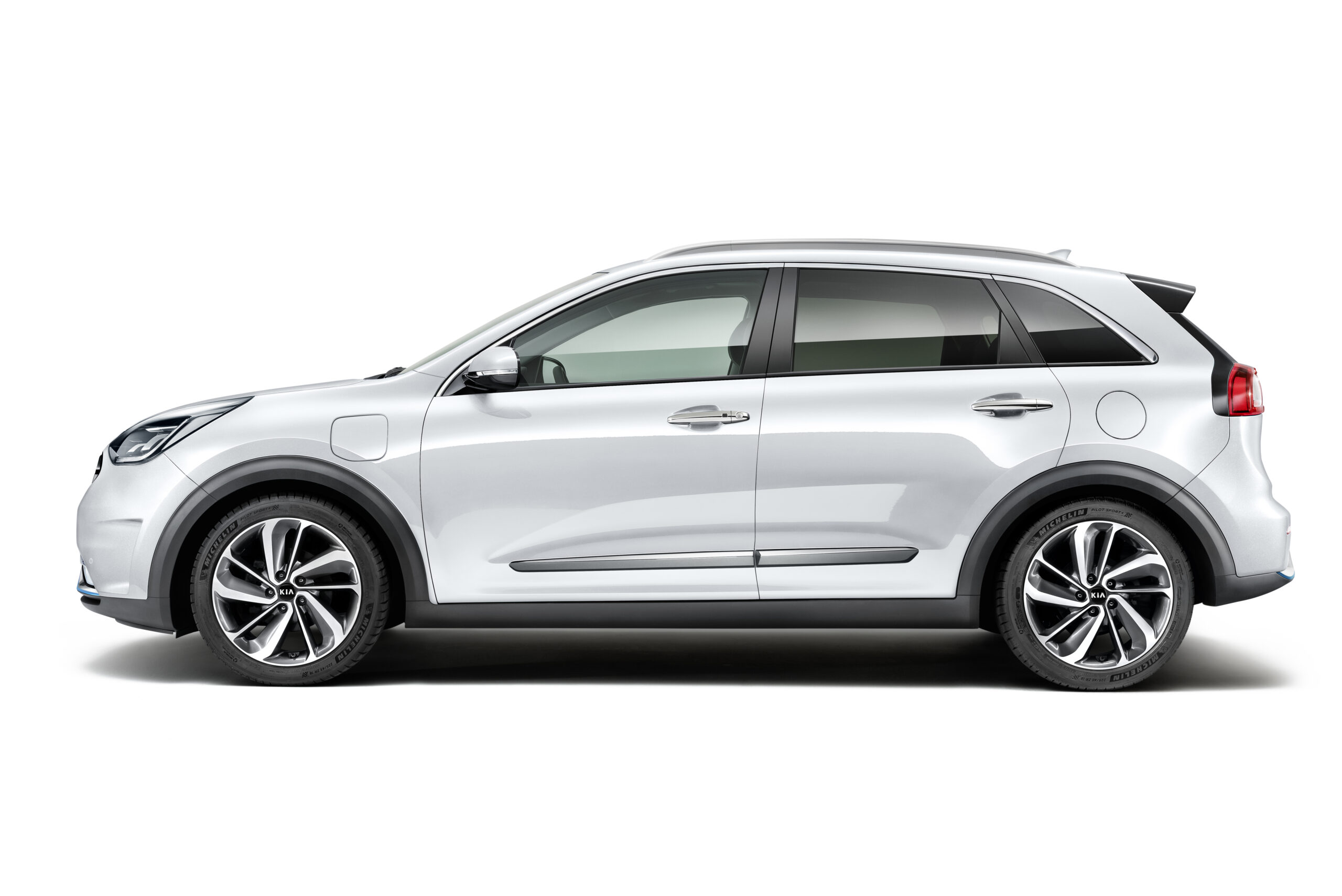
On some Kia Niro models, brake hoses can work loose due to vibrations while driving. This problem mainly occurs on older models that are regularly driven on poor road surfaces. Brake hoses that have vibrated loose lead to reduced braking force and, in serious cases, complete failure. That is why you should always check the condition of the brake hoses when buying a used car.
During an inspection, look at the mounting points of the brake hoses at all four wheels. Check whether the hoses are securely attached and that there are no visible cracks, splits or leaks. Also look out for rust around the retaining clips. If in doubt, it is sensible to have a dealer or garage check the brake hoses with the vehicle on a lift.
Besides the brake hoses, the rear brake callipers are prone to corrosion, especially on cars that are often driven in winter. Salt and moisture can attack the callipers, reducing braking force. Replace parts that rust quickly with corrosion‑resistant alternatives as a preventive measure. This significantly extends the service life of the braking system.
Have brake problems been solved after 2019
Models from 2018 and later have fewer problems with brake hoses and power steering. Kia improved the mounting of the brake hoses and reinforced the wiring of the power steering. Even so, there are still occasional complaints about how the brake pedal feels on hybrid and plug‑in hybrid models.
The spongy feel of the brake pedal is caused by the combination of regenerative braking (where the car recovers energy while slowing down) and mechanical braking. During regenerative braking, kinetic energy is used to charge the battery. This system feels different from traditional braking and sometimes gives a less direct response. Some owners solve this by upgrading the brake pads to pads that bite more strongly and more directly.
The brake fluid on hybrid models deserves extra attention. Always use DOT4 brake fluid (a widely used type of brake fluid) and have it checked annually. If there are fault codes in the electric power steering system, it is useful to fully charge the 12V battery. A low battery voltage can indirectly affect the operation of the power steering.
‘ The car then brakes to a standstill without using the brake pedal. ’
Regenerative braking and its impact on the braking system
All Kia Niro models use regenerative braking to recover energy while slowing down. This significantly reduces wear on the brake pads, but does take some getting used to. The effect feels like stronger engine braking and is especially noticeable in town and on descents.
Using the left shift paddle you activate single‑pedal driving (driving where you mainly slow down and brake with the accelerator pedal). Hold the paddle for about half a second to switch the system on. The car then brakes to a standstill without using the brake pedal. This is handy in city traffic and further reduces the load on the mechanical braking system. Switch back to normal braking with the right paddle.
The driving modes influence how strongly the car slows down on the engine. In ECO+ mode, regeneration is set as strong as possible for extra battery range. Sport mode gives the impression that the brakes bite more quickly, with greater use of the mechanical brakes. Choose the driving mode that suits your driving style and the conditions.
Common complaints and solutions
Owners regularly report inconsistent braking force, especially in hilly terrain or on wet roads. This is caused by the interaction between regenerative and mechanical braking. The car automatically switches to mechanical braking when the battery is full or extra braking force is needed. This transition sometimes feels abrupt.
A practical solution is to drive anticipatively. Anticipate traffic lights and slow down gently to optimise regeneration. This not only delivers more energy, but also results in a smoother braking experience. Avoid sudden braking in ECO mode, because the system then struggles with the transition to mechanical braking.
- Test the steering effort at low speed in a car park
- Check brake hoses at all four wheels for cracks and leaks
- Have outstanding recalls carried out by the dealer
- Replace brake fluid annually and use DOT4 quality
- Regularly clean the sensors behind the grille for optimal operation of safety systems
Maintenance tips for a reliable braking system
Preventive maintenance prevents many problems with power steering and brakes. At every service, have the brake hoses, brake fluid and power steering components checked. For a used car from the 2016–2018 period, set aside roughly five hundred to one thousand euros for possible updates to the braking and steering systems.
Check the 12V battery regularly, especially if there are electric power steering problems. A weak battery can cause faults in electrical systems. Fully charge the battery or replace it if the voltage remains too low. This prevents many electrical faults.
For safety systems such as adaptive cruise control and autonomous emergency braking, it is important that the sensors remain clean. Regularly clean the sensors behind the grille, especially after driving in muddy or dusty conditions. Dirty sensors can trigger false warnings or switch the systems off.
‘ Find out more and stay informed about common car problems. ’
Find out more about Kia Niro problems
On the Carnews website you will find extensive information about various problems that can occur with the Kia Niro and other car models. From engine issues to electrical faults, you can read practical tips and experiences from other owners. Find out more and stay informed about common car problems.
Frequently asked questions
The most commonly reported power steering issues on the Kia Niro are the (temporary) failure of the electric power steering, especially on 2017 models, causing the steering to suddenly become very heavy, often due to a faulty plug connection or steering sensor/wiring. In addition, there are reports of heavy steering on cold starts or at low speed. On the braking side, drivers mainly mention a “spongy” or unpredictable brake pedal feel, caused by the combination of regenerative and mechanical braking. Furthermore, corroding rear brake callipers (especially in salty winters) and consequently poorer functioning rear brakes are frequently reported.
For the power steering, watch out for a steering wheel that suddenly becomes noticeably heavy, especially at low speed or on a cold start, and for fault messages or warning lights on the dashboard. Unusual noises from the steering column (creaking, humming) or vibrations in the steering wheel can also indicate an (early) fault. Early signs of brake problems include a spongy or deeper‑travel brake pedal, squealing or grinding brakes, or a longer stopping distance. A pulsing brake pedal, irregular deceleration or a car that pulls to one side when braking are also signals to have the brakes checked immediately.
Possible causes of power steering problems on the Kia Niro include a faulty plug connection or electrical fault in the EPS, and on older model years also issues with the hydraulic assistance. Brake problems can arise from the combination of regenerative and mechanical braking, which can lead to a spongy pedal feel, irregular braking force or sticking/corroding rear callipers. The hybrid system plays a major role because, through regenerative braking, it distributes the braking force electronically and therefore affects both the feel and effectiveness of the brakes. Faults in the hybrid or 12V system can also indirectly limit both power steering assistance and brake assistance.
Faulty power steering can cause the steering to suddenly become very heavy or to fail, which poses an acute risk when steering and swerving. Brake problems (including those caused by the combination of regenerative and mechanical braking) can result in a spongy pedal feel or varying braking force, which can extend your stopping distance. If you experience heavy steering, loss of power steering or unpredictable braking, drive as carefully as possible to a safe place and avoid further driving if it feels unsafe. Contact a Kia dealer or approved garage immediately to check for outstanding recalls and to have the steering and braking system inspected and repaired.
Yes. For the Kia Niro there have been known recalls concerning the power steering, particularly on hybrid models from around 2017 where the electric power steering could unexpectedly fail due to a faulty plug connection. In addition, there were earlier actions involving a hydraulic clutch booster with leakage and a potential fire risk, which could indirectly affect brake control. There are also user reports of inconsistent brake feel (due to the combination of regenerative and mechanical braking), but these appear mainly to be tackled through service updates and routine maintenance rather than through major official recalls.
Check the brake fluid (DOT4) annually, have the braking system visually inspected for wear and corrosion on the callipers and regularly apply some firmer braking so that the brake discs and pads stay clean. At every service, have the electric power steering (EPS), plug connections and steering column checked for play, unusual noises and fault codes. For a used Niro, check with the dealer or RDW whether all recalls for power steering and brake/clutch components have been carried out. Keep the 12V battery in good condition, as a weak battery can negatively affect electronic power steering and brake assist systems.