
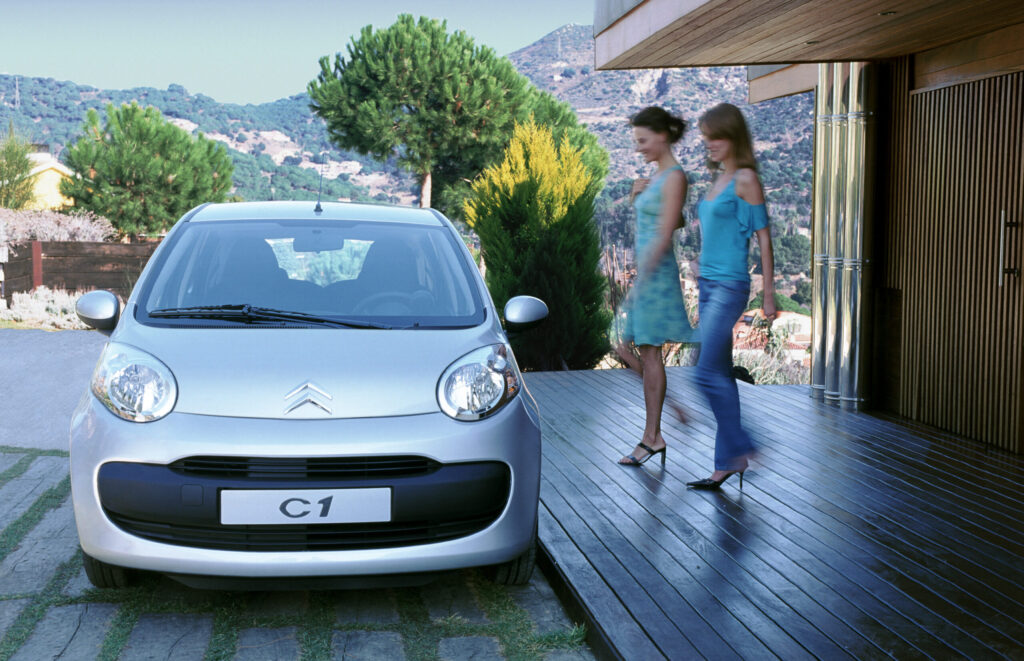
The Citroën C1 suffers from recurring problems with the electric power steering, rapid wear of the rear brakes and worn wheel bearings directly linked to the suspension. These three weak spots not only affect driving comfort, but also pose a risk to road safety. Find out why these problems occur and what you can do about them.
Power steering failure: recognising the symptoms
The Citroën C1 is equipped with electric power steering, a system that is also used in the Toyota Aygo and Peugeot 107. This system operates via an external ECU module that controls the steering motor. With the engine running it provides smooth steering, but without the engine the steering wheel is heavy to turn. That is normal behaviour.
Problems with the power steering often arise due to faults in the ECU. The module is mounted externally and is prone to electronic failures. Owners of the Citroën C1 regularly report that the steering feels stiff or does not automatically return to the straight-ahead position. While driving you then constantly have to correct, which is tiring and can become dangerous.
Sudden loss of power assistance also occurs. The steering then suddenly becomes heavy, which is particularly risky at higher speeds or in bends. This often points to a defective ECU or a fault in the control of the steering motor.
Causes of power steering problems
The most common cause is a defective ECU module. This module fails due to electronic faults or corrosion on the connectors. In addition, wear on the track rods or steering rack can resemble a power assistance problem. First check for play in the steering system before replacing the ECU.
Real-world experience shows that refurbished ECUs are an affordable solution. For 100 to 300 euros a refurbished module is often available that is directly plug-and-play. Use an OBD scanner to read fault codes before you start replacing parts.
‘ This driving style significantly accelerates brake wear. ’
Rear brakes wear quickly: why does this happen?
The Citroën C1 is a light city car that is mainly used for short urban trips. That means frequent braking, many stops and sometimes emergency braking. This driving style significantly accelerates brake wear. Owners report that the brake pads already need replacing after 20,000 to 30,000 kilometres.
The C1 has disc brakes at the front and drum brakes at the rear. The front brakes do most of the work and therefore wear faster. Aggressive braking or driving with a heavy load speeds up this process even more. Warped discs due to overheating also occur, which further increases wear.
Practical tips to reduce rapid brake wear
Always replace brake pads in sets, both front and rear. Each time you replace them, also check the discs for grooves and measure their thickness. The minimum thickness for the front brake discs is 9 millimetres. Choose low-dust brake pads to reduce wear on the wheels and extend service life.
Anticipatory driving helps as well. Brake gently and avoid hard braking where possible. Some owners upgrade to drilled discs for better heat dissipation and a longer lifespan. Bleed the brakes annually and replace the brake fluid to prevent a spongy feel in the brake pedal.
The C1 shares brake components with the Aygo and 107, which makes parts cheap and widely available. Premature wear often points to warped discs or worn pads. Check this regularly to avoid unexpected costs.
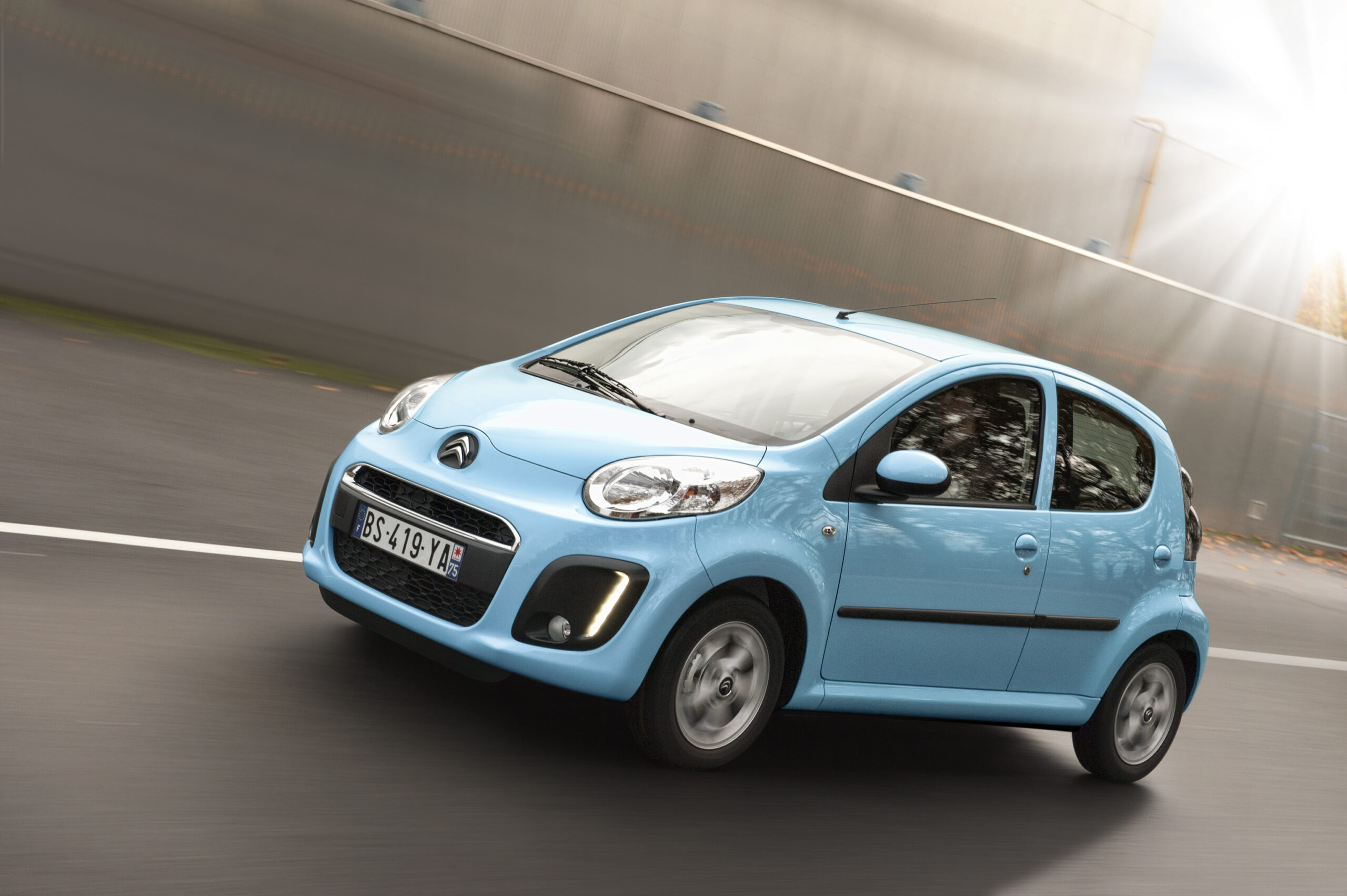
Wheel bearing replacement: costs and necessity
Worn wheel bearings are another common problem on the Citroën C1. This is often caused by wear in the suspension, which puts extra strain on the wheel bearings. You can recognise a defective wheel bearing by a droning or roaring noise while driving. This noise becomes louder at higher speeds or in bends.
A broken wheel bearing affects road safety. It can lead to play in the wheel, making the steering behaviour unpredictable. In extreme cases the wheel can even come off. Always have a defective wheel bearing replaced immediately.
Costs of replacing wheel bearings
The cost of replacing a wheel bearing on the Citroën C1 ranges from 150 to 300 euros per wheel, depending on the garage and the brand of part. Labour makes up the largest part of the bill, because replacement takes time. Ideally replace both wheel bearings on the same axle at the same time to avoid having to go back for a second repair shortly afterwards.
Regularly check for play in the wheels by shaking the wheel while the car is on the lift. If you hear a droning noise while driving, have the wheel bearings checked immediately. Early replacement prevents more serious damage to the suspension and keeps repair costs down.
Maintenance tips for a safe Citroën C1
Regular maintenance extends the lifespan of your Citroën C1 and prevents expensive repairs. Every six months, check the power steering by turning the steering wheel with the engine running. If the wheel does not return smoothly, have the sensors and ECU checked.
Inspect the brakes at every service. Check the thickness of the brake discs and the condition of the pads. Replace parts in good time to prevent brake failure. Also watch out for unusual noises when braking, such as squealing or grinding.
You can check wheel bearings by listening for droning noises while driving. Also shake the wheels to detect play. Clean the connectors of the power steering ECU to prevent corrosion. Avoid extreme loads on the steering system, especially in tight bends at low speeds.
DIY checks for owners
- Connect an OBD scanner to read any fault codes in the power steering system
- Test the steering with the engine both running and switched off to check how the power assistance works
- Check pads and discs for wear every time you switch to winter tyres
- Listen for unusual noises while driving, especially droning or squealing
- Shake the wheels to detect play in the wheel bearings
Do not continue driving with faulty power steering or broken wheel bearings. This greatly increases the risk of an accident. Have problems read out at a garage immediately and replace defective parts as soon as possible.
‘ Choose high-quality bearings to guarantee a longer service life. ’
Solutions and next steps
For power steering problems, a refurbished ECU or a second-hand steering rack are available. Both options are affordable and can often be fitted straight away. Have a specialist reflash the ECU if possible; this is cheaper than replacing it.
In the case of rapid brake wear, anticipatory driving and the use of quality brake pads help. Replace the brake fluid annually and check the discs for warping. Consider drilled discs for better performance and longer life.
It is best to replace wheel bearings per axle. This prevents you from having to go back for a second repair shortly afterwards. Choose high-quality bearings to guarantee a longer service life. At the same time, check the suspension for wear, as this is often the cause of accelerated wheel bearing wear.
On the Carnews website you will find much more information about common car problems, maintenance tips and practical advice for various makes and models. Discover more articles and expand your knowledge of car maintenance and repairs.
Frequently asked questions
Typical signs of power steering problems on a Citroën C1 include a steering wheel that feels heavy or stiff, does not return to the centre position properly by itself and/or sudden loss of assistance while driving. You will notice increased brake wear through reduced braking power, a longer stopping distance, squealing or grinding noises when braking and visible wear or grooves on the brake discs or pads.
The power steering on the Citroën C1 is prone to faults because it is an electric power steering system with an external ECU, and this electronic control unit and its connectors are precisely the components that often fail or corrode. You can limit problems by having the ECU and plug connections checked regularly and fault codes read, and by not continuing to drive if the steering feels noticeably stiff or cuts out. You mainly prevent premature brake wear by driving anticipatorily and avoiding hard, late braking, especially in city traffic. In addition, have the brakes checked regularly, use high-quality (optionally low-dust) brake pads and ensure that the brake fluid and the guide pins of the callipers are properly maintained.
Regularly checking the brakes visually, renewing the brake fluid annually, driving anticipatorily (less hard and abrupt braking) and using high-quality, optionally low-dust brake pads all extend brake life on a C1. For common power steering problems, the cost of repairing or replacing the EPS ECU or related components typically ranges between €100 and €300 when using refurbished or used parts.
Yes, there are specific aftermarket brake components that can improve performance and durability, such as pads that produce less dust and wear, and drilled or grooved discs for better heat and water dissipation. On the Citroën C1 (and the equivalent Toyota Aygo/Peugeot 107) many owners opt for such sportier discs and high-grade pads to reduce warping and rapid wear. The quality of the brake fluid and regular changes also contribute to durable braking behaviour. Be sure to choose A-brand components that are explicitly suitable for the C1/Aygo/107 platform.
Failing power steering increases the risk of losing control when swerving or cornering, because the steering then suddenly becomes much heavier and you react more slowly. Stop as soon and as safely as possible in a quiet place and do not continue driving if the steering feels unsafe. Check whether the problem occurs immediately on start-up or cuts out while driving and note any warning lights. Then have the car read out and inspected at a garage as soon as possible, preferably with a diagnosis focused on the power steering ECU.