

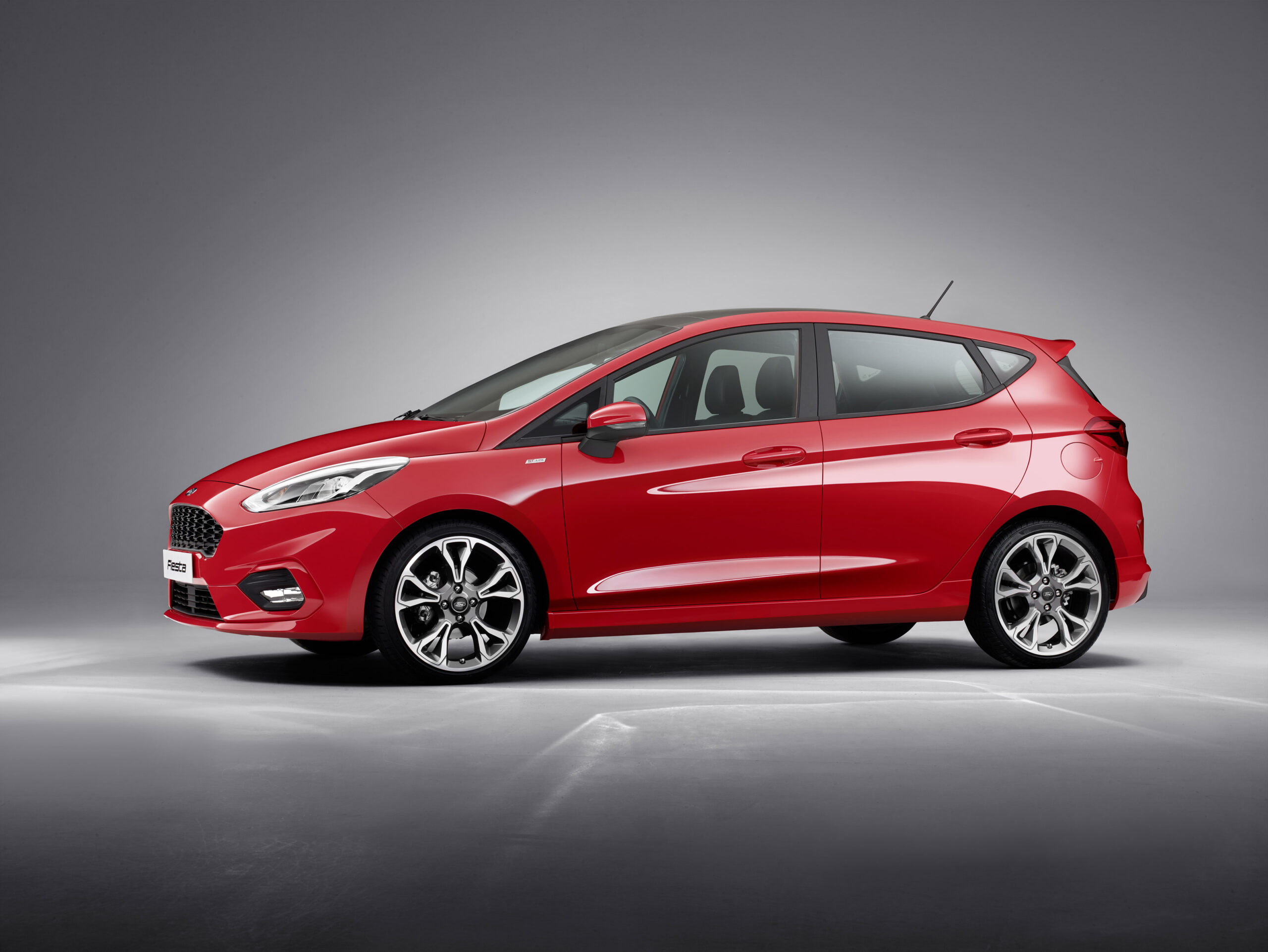
Power steering faults at low speed cause heavy, jerky steering when parking and manoeuvring. This not only affects your control and agility in tight bends, but also poses a real safety risk. The Ford Fiesta in particular regularly suffers from this problem, where drivers suddenly experience a much heavier steering wheel while parking or driving off. Squeaking noises in cold weather make the situation even more frustrating. Why do these faults occur specifically at low speed and what can you do about them?
Why you mainly notice this at low speed
At low speed your car demands maximum assistance from the power steering. When parking, pulling away or taking sharp bends in town, the system has to assist the most. If that assistance drops off or disappears, you immediately feel the steering becoming heavier. At higher speed, power assistance is less prominent, so a problem is much less noticeable.
This explains why many drivers discover the fault while in traffic jams, parking or manoeuvring in tight spaces. The assistance may even switch off temporarily when the car detects a voltage or sensor problem. This almost always happens at low speed, because that is when the assistance is most clearly noticeable.
Recognisable signs of power steering problems
There are several ways in which a defective power steering system shows itself. Common signs are:
- A heavy steering wheel at low speed
- A steering wheel that suddenly becomes heavier while driving
- A power steering warning light on the dashboard
- Squeaking noises when steering, especially in cold weather
- A brief interruption of assistance while manoeuvring
- Jerky or irregular steering behaviour
With electric power steering, the assistance can temporarily disappear if the system detects a problem. This often happens without any clear warning, leaving you suddenly with an unexpectedly heavy steering wheel.
Common causes of power steering problems
Weak battery or charging problems
Low voltage is a very common cause. Electric power steering is sensitive to a weak battery, poor battery terminals or problems with the alternator. If the voltage drops, the system may switch itself off or provide less assistance. This mainly occurs after a cold start, when the battery delivers less power.
Typical indications are several electrical faults at the same time and assistance that cuts in and out. If the power steering fails intermittently, it is wise to have the battery and charging system tested.
Defective steering motor or control module
In electric systems, the motor that provides the assistance can fail. The control unit or microprocessor can also develop faults. In that case, the assistance sometimes works and sometimes doesn’t, or stops working altogether. Drivers often report that the car works normally again for a short time after restarting, which points to an electrical problem.
Sensor problems
The power steering uses sensors to determine how much assistance is needed. If a torque sensor or steering angle sensor provides incorrect information, the system may limit or even switch off the assistance. These sensors can be damaged by vibrations, moisture or wear.
Wiring and connectors
Corrosion, loose connectors or damaged cables can cause the assistance to be interrupted. This can especially occur with vibrations, moisture or temperature fluctuations. Check that connectors are fitted firmly and look for moisture, rust or damaged wiring around the steering system.
Hydraulic problems in older models
If your car has a hydraulic system, these components can also be the culprit:
- Low fluid level
- Leaks around pump, hoses or reservoir
- Worn pump
- Slipping or worn auxiliary belt
With hydraulic systems you often hear a humming or groaning noise while steering. Regularly check the fluid level and look for leaks.
What you can check yourself
Before going to the garage, there are a few things you can check yourself. Measure or have the battery tested and check the battery terminals for oxidation. See whether the alternator is charging sufficiently, because low voltage often causes power steering problems.
Check whether the power steering warning light is on. Are there also faults with ABS, ESP or the engine? Have fault codes read with a diagnostic tester, as this often saves unnecessary parts replacements.
Inspect the wiring around the steering system. Check that connectors are firmly attached and look for moisture, rust or damaged wiring. In hydraulic systems, check the fluid level, look for leaks around pump and hoses, and examine the condition of the auxiliary belt.
‘ A defective power steering system is a safety risk, especially in emergencies where you need to react quickly. ’
When you should go straight to the garage
Have the car checked quickly if the steering suddenly becomes much heavier or if the fault keeps returning. Do not continue driving for long with heavy steering, especially if the problem suddenly gets worse. A defective power steering system is a safety risk, particularly in emergencies where you need to react quickly.
Even if the warning light stays on, you notice several electrical problems or the steering feels jerky and unpredictable, professional diagnosis is required. A diagnostic check for fault codes often quickly reveals the cause and prevents you from having unnecessary parts replaced.
Practical tips for drivers
Make a note of when the problem occurs: cold, warm, after rain, after longer journeys or just after short trips. This information helps the mechanic trace the cause. If the problem only occurs at low speed, it often points to an electrical or voltage-related issue.
With electric power steering, it is also sensible to check voltage and earth connections. Always start with the battery, fault codes and connections, as in practice this often provides the quickest clues.
Real-world experiences
Drivers often report a pattern where the power steering is only heavy now and then at first, then shows a warning light, and sometimes works normally again for a short time after restarting. This pattern usually indicates an electrical or voltage-related problem, rather than immediate, complete mechanical failure.
In cold weather, squeaking noises from the steering system are reported. This may point to a stiff steering motor or a hydraulic problem where the fluid has become too thick. After the car has warmed up, the noise often disappears temporarily.
‘ Always start with diagnosis and a thorough check of the battery and electrical connections, as this prevents expensive repairs that later turn out not to have been necessary. ’
Repair costs
The costs vary greatly depending on the cause. A new battery costs between €80 and €150, while a defective steering motor or control module can cost between €400 and €1,200 including labour. Sensor problems are often solved by replacing them, typically costing between €150 and €400.
In hydraulic systems a new pump costs between €300 and €600, while repairing a leak is often cheaper. Always start with diagnosis and a thorough check of the battery and electrical connections, as this prevents expensive repairs that later turn out not to have been necessary.

Find out more about car problems
Power steering problems at low speed are often caused by a weak battery, charging issues, a defective steering motor or control module, sensor or wiring problems, or in older models a hydraulic fault. Because the problem is most noticeable when driving slowly, a good diagnosis is important.
On the Carnews website you will find much more information about common car problems, maintenance tips and technical background information. Discover which faults occur more often with your car brand and learn how to recognise problems at an early stage. Stay informed about the latest developments and practical advice for car enthusiasts.
Frequently asked questions
The most common causes are voltage issues, such as a weak battery or an alternator that does not charge sufficiently, causing the electric power steering to work less or not at all for a time. In addition, defects in the electric steering motor or control unit are common, as are faults in torque or steering angle sensors and poor earth or connector connections. In older hydraulic systems, a low power steering fluid level, leaks, a worn pump or a slipping auxiliary belt often play a role.
Bring the car to a halt, leave the engine running and turn the steering wheel from lock to lock while stationary and at very low speed; if this feels heavy, jerky or produces squeaking/humming noises, there may be a power steering problem. While parking and manoeuvring, pay attention to moments when the steering suddenly becomes much heavier or the assistance drops out briefly. Check whether a power steering or other warning light on the dashboard comes on. In hydraulic systems you can additionally check the fluid level and look for leaks around the pump, hoses and reservoir.
Keep the battery and charging system in good condition by having a battery test carried out regularly and having oxidised battery terminals cleaned. If possible, have fault codes and the operation of the power steering module and sensors checked periodically, so that early-stage faults are detected in good time. Check that connectors and wiring around the steering rack and power steering are dry, clean and firmly in place, and in hydraulic systems have the fluid level, pipes and auxiliary belt inspected regularly. Do not continue driving unnecessarily with noticeably heavy or jerky steering, but have the system checked immediately to prevent further damage.
Yes, there are clear differences. With hydraulic power steering, diagnosis focuses on mechanical and fluid-related aspects, such as oil level, leaks, pump performance and auxiliary belt, and problems are often audible as humming or groaning noises at low speed. With electric power steering, diagnosis focuses mainly on voltage (battery/alternator), fault codes, sensors, steering motor and wiring/connectors, with faults often being intermittent and sometimes disappearing after a restart. The solution for hydraulic systems is usually to repair leaks, replace or top up fluid or replace pump/belt, whereas electric systems are more likely to need software updates, repair of power or earth points, sensor replacement or complete steering rack/steering motor replacement.