
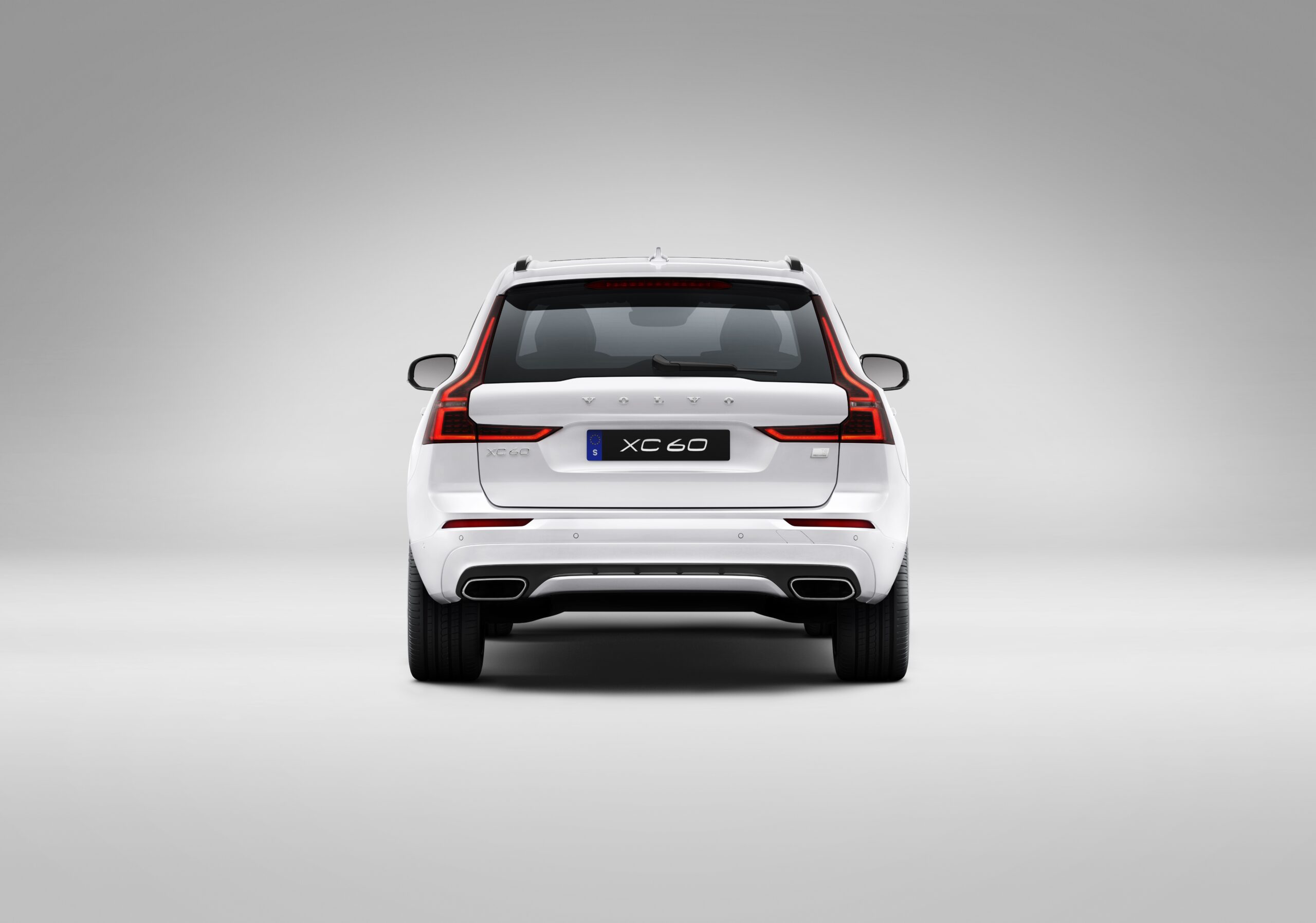
The rear brakes of the Volvo XC60 wear out strikingly quickly, often after just 60,000 kilometres, while the front brakes last much longer. The electronic parking brake and stability systems load the rear brakes more heavily than on older models, which leads to reduced braking power and safety issues. Recognise the warning signs and prevent this.
Why do the rear brakes wear so quickly?
On most cars the front brakes do the heaviest work. They provide around 75 percent of the braking force, so in theory the rear brakes should last longer. With the Volvo XC60 that principle does not apply. Owners report that they have to replace rear pads and discs up to four times more often than the front brakes.
The main culprit is the electronic parking brake. This system activates the rear brakes much more often and more forcefully than a traditional handbrake. Every time you park the car, the system applies extra pressure to the rear brake discs and pads. This also happens without you noticing when stability systems intervene while driving.
Newer models have also been fitted with smaller rear brakes. The dimensions were adjusted so that front and rear brakes would wear more evenly, but in practice the electronic systems actually accelerate wear at the rear. Sometimes the discs even wear faster than the pads. Owners see thicknesses drop to 20 millimetres while the pads still have 3 millimetres remaining.
Driving conditions that accelerate wear
Your driving style also plays a major role. Short trips in town, where you constantly brake for traffic lights and other road users, create extra friction. The brakes hardly get a chance to cool down properly. Aggressive braking leads to uneven wear and warping of the discs.
Warped or worn brake discs cause vibrations in the steering wheel or brake pedal. That distortion then accelerates the wear of the brake pads. It becomes a vicious circle that you can only break by intervening in time.
‘ You must not ignore this symptom, because it directly affects your braking performance. ’
Symptoms that point to brake wear
Modern Volvo XC60 models have built-in wear indicators. When your brake pads become too thin, you will hear a squealing noise when braking. That is the metal tab that touches the disc and warns you that replacement is due.
Vibrations in the steering wheel or brake pedal indicate warped or unevenly worn brake discs. You must not ignore this symptom, because it directly affects your braking performance. In the case of severe wear you hear a scraping, metal-on-metal sound. At that point the pads are completely worn out and you further damage the brake discs with every braking action.
You can also carry out a visual check yourself. Look through the spokes of your wheels at the brake discs. New pads are about 12 millimetres thick; at 3 millimetres or less they need to be replaced. Brake discs often show more wear on the outside than on the inside.
Test your brake balance yourself
Look for a quiet gravel road or an empty road with a 50 kilometres per hour speed limit. Brake firmly and check whether all four wheels are braking. If you feel that one or more wheels are providing less braking force, have a specialist check your braking system as soon as possible.
Prevention and maintenance tips
Regular checks are the best protection against unexpected problems. Have your brakes inspected at every service, preferably by a Volvo specialist. They know the specific weak points of the model and can assess whether replacement is necessary.
Volvo recommends approved brake pads for optimal functioning of all electronic systems. Premium-brand parts from reputable manufacturers often offer better durability than the cheapest alternatives. Do not cut corners on safety by choosing the lowest price.
Bedding in after replacement
New brake pads and discs need to be properly bedded in before they perform at their best. After installation, drive a few hundred kilometres calmly and brake deliberately a bit harder on the pedal. This allows pad and disc to wear in evenly and gives you the best braking performance.
Avoid extreme braking in the initial period. Think of full-on braking from high speed or prolonged braking downhill. Give the brakes time to get used to each other.
Adjusting your driving style
Anticipatory braking significantly prolongs the life of your brakes. In town, let your car coast instead of braking at the last moment. On the motorway you can often just lift off the accelerator instead of braking straight away.
Use engine braking where possible. Change down in good time with manual gearboxes, or use the tiptronic function on automatics. The engine then helps to slow you down without loading the brakes.
Replacement costs and a practical approach
The cost of brake maintenance on the Volvo XC60 varies. Replacing just the rear brake pads costs between 200 and 400 euros, depending on the pad brand and your garage’s labour rates. When the brake discs also need replacing, you will soon be paying 500 to 800 euros for the rear axle.
At 240,000 kilometres, owners have reported that they had to replace the rear brakes four times, while the front brakes only needed doing once. That means a service to the rear brakes on average every 60,000 kilometres. These costs add up over the lifetime of your car.
Dealing with the electronic handbrake
The electronic parking brake requires special attention during maintenance. Manually pushing the pistons back often does not work because of the electric control. Use the on-board computer to retract the pistons before fitting new pads.
Some owners choose to use the parking brake less often. On level surfaces they park in gear or in Park only, without activating the handbrake. Do note that this is only safe on completely level ground.
‘ Owners describe the situation aptly: the electronic handbrake “eats brake discs for breakfast”. ’
What dealers and Volvo say
Dealers and the importer often regard the rapid wear as normal wear and tear. Even after 8,000 kilometres some dealers advise replacing the rear brakes, despite 20 millimetre discs and 3 millimetre pads. Compensation for premature wear is rare.
Owners describe the situation aptly: the electronic handbrake “eats brake discs for breakfast”. This applies especially to models from 2018 onwards, when Volvo switched to fully electronic parking systems combined with smaller rear discs.
Keep a detailed service history. Document every replacement with invoices and note the mileage. In cases of extremely rapid wear you can use this information in discussions with your dealer or when making warranty claims.
Safety first
Brake wear has a direct impact on your safety. Reduced braking power increases your stopping distance and reduces your margin to react in emergencies. Shuddering brakes give you less control over your car, especially during sudden manoeuvres.
Never postpone maintenance. The cost of timely replacement does not compare to the risks of failing brakes. You also prevent further damage to more expensive parts such as callipers or ABS sensors.
Check your brakes at least once a year, even if you do not hear or feel any warning signs. A visual inspection takes little time and can prevent a lot of trouble. If in doubt, always let a professional take a look.
On the Carnews website you will find more information about maintenance, common problems and practical tips for various Volvo models. Discover what other owners experience and how to look after your car in the best possible way.
Frequently asked questions
Specific causes of premature brake wear on a Volvo XC60 include the electronic parking brake, which applies the rear brakes frequently and with a lot of force, and the stability systems that cause additional, unnoticed use of the rear brakes. In addition, the smaller rear brakes play a role, meaning they are relatively more heavily loaded than expected. Short city trips, frequent braking and aggressive driving increase friction and speed up wear. Warped brake discs can also cause vibrations and thereby additional and uneven wear of pads and discs.
You mainly recognise premature brake wear by squealing or scraping noises when braking, vibrations in the steering wheel or pedal, and by a visual check where the brake pads are below around 3 mm or the discs clearly show grooves or a lip on the edge. At every service, have the (rear) brakes on your XC60 checked specifically, because the electronic parking brake and stability systems put extra load on them. Adjust your driving style by driving more anticipatively and avoiding unnecessary hard or frequent braking – especially in town. After replacement, it is important to bed the brakes in properly (build up calmly over a few hundred kilometres) and preferably use premium-brand or Volvo-approved brake parts.
Choose Volvo-approved or high-quality premium-brand brake pads and discs (for example ATE, Brembo or genuine Volvo) that are specified specifically for the XC60, as these are matched to the electronic parking brake and stability systems. Avoid cheap own brands, as they can wear faster and are more likely to squeal or cause vibration. Have the brakes checked at every service and ensure correct bedding in after replacement (build up calmly over a few hundred kilometres) to limit early wear. Adjust your driving style by braking anticipatively and avoiding unnecessary hard or frequent braking, especially in urban traffic.
Ignoring premature brake wear on a Volvo XC60 can lead to reduced braking performance, longer stopping distances and, in extreme cases, failure of one or more brakes, which seriously compromises road safety. Worn or warped discs cause vibrations in the steering wheel and pedal, reducing control of the vehicle, especially during emergency stops. Ongoing wear can also create an uneven brake balance, causing the vehicle to step out or pull to one side under heavy braking. In the end this can lead to more expensive repairs because discs, pads and possibly parts of the electronic handbrake need to be replaced prematurely.
Premature brake wear, especially on the rear brakes, is a relatively common problem on the Volvo XC60. It is mainly associated with models that have an electronic parking brake and extensive stability systems, which use the rear brakes more intensively. Owners report that on these (newer) generations the rear brakes sometimes need replacing as early as around 60,000 km, more often than the front brakes. Exact, clearly defined problem years are not mentioned in the sources, but the complaints are concentrated on the modern XC60 models with an electronic handbrake.