
Tears in the upholstery, sagging padding and faded fabrics are typical of ageing car seats, but you can slow down or even reverse this process. Seat wear is not an unavoidable fate and directly affects the comfort and appearance of your interior. You may drive daily or only now and then. Either way, tears and bare patches appear after years of use due to a combination of friction, sunlight and moisture. Discover how to prevent this and what to do once the damage is already visible.
How exactly does seat wear occur
Seat wear shows up in different ways. The upholstery develops tears or bare patches, especially on the edge of the seat cushion and on the side bolsters. Fabric starts to bobble and thin out, while leather becomes dry and brittle and begins to crack. The padding also loses its resilience, causing the seat to sag and giving you less support while driving.
The causes are simple but unavoidable with normal use. Getting in and out creates friction on the outer edge. The material wears there first. Sunlight dries out the upholstery and fades colours, especially in cars that are often parked outside. Moisture and temperature changes accelerate this process further, particularly in regions with changeable weather.
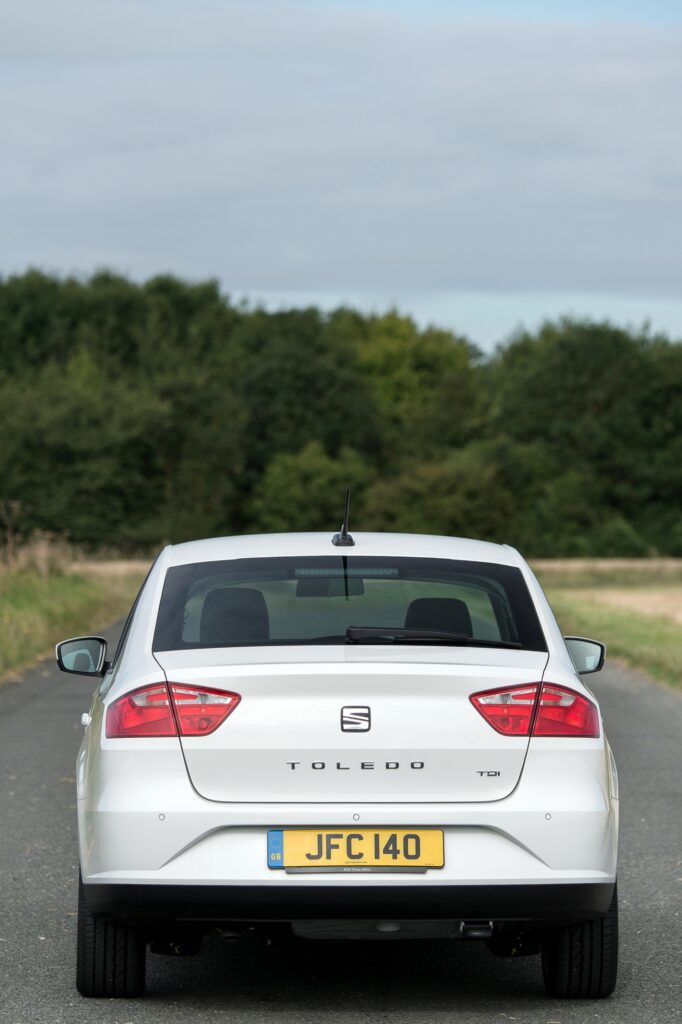
The driver’s seat suffers the most. This seat is used most often. With models such as the Seat Toledo from the periods 1999–2009 and 2012–2019, owners regularly report wear after 150,000 kilometres or more, with collapsed side bolsters and tears in the covers. The average lifespan of fabric or leather is between 7 and 15 years, depending on maintenance and use.
Common signs that your seats need attention
You often only notice wear when it has already become quite obvious. So keep an eye out for these signs:
- Bare patches or pilling on fabric upholstery, especially on the seat and armrests
- Tears or small cracks in leather, often on the sides and edges
- Sagging padding so you feel less support while driving
- Squeaking or creaking noises when you shift your weight. This points to structural problems.
- Loose upholstery that no longer fits tightly around the seat
Check the seats by pressing on the cushions and rocking the backrest. Does the seat feel stable? Does the material spring back? Then the structure is still sound. If you feel little resistance or the seat moves too much, the frame or the padding may be damaged.
What can you do to prevent seat wear
Prevention is easier than repair. Start with seat covers, which protect the upholstery directly from friction and sunlight. Choose water-repellent material for daily use, especially if you travel with children or pets. A set of covers costs between 50 and 100 euros and can be fitted in half an hour.
Park in the shade whenever possible or use a sunshade behind the windscreen. This limits direct exposure to UV radiation, so leather and fabric dry out and discolour less quickly. Keep the interior clean by vacuuming regularly, so sand and dirt do not rub into the fabric when you sit down.
Clean stains immediately with a mild soapy solution and dry the material straight away. Avoid aggressive chemicals on leather, as they dry out the material and make it more brittle. Treat leather upholstery a few times a year with a special leather cream to keep it supple.
Options for repairing damaged seats
If the damage is already visible, you have several options. The choice depends on how severe the wear is and on your budget.
Seat covers are the quickest and cheapest solution. They conceal the damage and protect against further wear, but they do not always fit perfectly and sometimes feel less premium. This option works well for cosmetic problems without structural damage.
Reupholstering is a professional intervention in which the old upholstery is replaced with new material. You can choose between fabric, synthetic leather or real leather, depending on your preference and budget. This fully restores the appearance and extends the life of the seat by years. Expect to pay 200 to 500 euros per seat at a specialist upholsterer.
The padding may have sagged while the upholstery is still fairly intact. In that case, you can have just the padding replaced. This costs between 100 and 300 euros and significantly improves seating comfort. The seat does, however, have to be removed. With models that have integrated airbags this work may only be carried out by a specialist.
‘ Professional help is needed for structural problems such as a broken frame, wobbly backrests or complex reupholstery work. ’
Doing it yourself or calling in professional help
DIY repairs are feasible for small tears. You can also tackle loose upholstery yourself. Remove the seat from the car by undoing four bolts and take off the covers via the staples underneath. You can seal small tears with fabric glue or leather repair paste, available from car accessory shops. Do be careful with models that have side airbags in the seats, as damage to the wiring can be dangerous.
Professional help is required for structural problems such as a broken frame, wobbly backrests or complex reupholstery work. Specialists have the tools and expertise to dismantle seats completely. They can repair the seats without damaging other systems. Some owners opt for second-hand original covers from scrapyard cars, which is an affordable way of preserving the authentic look.
Costs and insurance cover for seat wear
Seat wear falls under normal wear-and-tear maintenance and is almost never covered by car insurance. Wear from daily use is regarded as part of owning a car, similar to tyre wear or brake maintenance. Only damage from an accident or a specifically covered event will have its repair costs reimbursed by the insurer.
Repair costs vary considerably:
- Seat covers: 50 to 100 euros per set
- Reupholstering per seat: 200 to 500 euros
- Replacing padding: 100 to 300 euros
- DIY repair with glue or leather paste: 10 to 30 euros
For larger projects, costs can rise to over 1,500 euros. Think of reupholstering all the seats in leather. Consider whether this investment suits the value of your car. For older models, it may be wiser to choose covers or simpler repairs.
Practical tips for long-lasting comfort
Invest in good lumbar support if you frequently make long journeys. This prevents back pain and reduces pressure on specific parts of the seat cushion, so the padding wears more evenly. Ergonomic seat covers with integrated lumbar supports are available from around 60 euros.
Change your sitting position now and then on long drives to reduce pressure on the same points. This extends the life of both the padding and the upholstery. Test the seats regularly for resilience by pressing on them and checking whether everything still feels stable and comfortable.
Take seasonal influences into account. In summer the interior dries out more quickly, which means leather needs extra care. In winter, moisture from wet clothing can damage fabric upholstery, so ventilate the car regularly and wipe damp spots dry straight away.
On the Carnews website you will find much more information about interior problems, maintenance tips and model-specific issues. Discover how to keep your car in top condition and which practical solutions exist for common complaints. Explore the site for more inspiration and advice.
Frequently asked questions
Early signs of seat wear include flat or sagging cushions, visible wear patches or bobbling on the entry edges, and squeaking or creaking noises when you move. With sporty driving, rapid entry/exit and lateral forces increase wear on side bolsters and edges. Prevent this by using sturdy, well-fitting seat covers in good time, regularly cleaning and caring for the seating surface (especially leather), and not always getting in and out over the same outer edge. At the first signs of sagging padding, you can have it topped up or replaced to limit further structural wear.
Common interior problems such as small cracks in leather can be tackled yourself with leather repair kits (filler and colour restorer) and by regularly cleaning and conditioning the leather. Stains in fabric can often be removed with a mild soapy solution and a soft brush, possibly followed by a fabric cleaner. For deeper tears, sagging or collapsed cushions and visible damage to the seat frame, professional help is necessary. If the seats contain side airbags or if most of the upholstery needs to be replaced, a specialist is the safest choice.
With intensive use, leather is generally the most durable against wear, followed by high-quality alcantara/microfibre and then standard fabric, provided the leather is regularly nourished. Maintain leather with a special leather cleaner and a leather conditioner every two to three months, and avoid aggressive cleaning products and prolonged strong sunlight. Clean alcantara/microfibre with a soft brush and a mild fabric cleaner, always using little moisture and dabbing dry immediately. Maintain fabric by vacuuming frequently, treating stains straight away with a mild upholstery cleaner and, if necessary, using a protective spray against dirt and moisture.
Severe seat wear usually only slightly reduces the residual value, as long as the car is technically sound, but it can reduce saleability because it is immediately visible. For a car enthusiast, investments are economically most worthwhile if they either clearly improve driving comfort (restoring padding) or significantly enhance the appearance (neatly reupholstering the driver’s seat). Inexpensive solutions such as tidy seat covers or a used seat from a scrapyard are often enough to limit loss of value. Fully professional reupholstery of several seats usually only pays off for rare, youngtimer or enthusiast cars that you plan to keep longer.
Common causes of interior wear in popular sports cars include intensive getting in and out (especially with sports bucket seats), UV radiation and heat, abrasive clothing/belts, and the use of aggressive cleaning products on leather and plastics. This results in wear patches on the sides of the driver’s seat, sagging cushions, dried-out and cracking leather and creaking interior panels. You can tackle this by using protective covers in good time, cleaning the interior regularly with gentle, suitable products, nourishing leather with conditioner and having vulnerable parts (padding, upholstery, clips) repaired or reupholstered in a targeted way. Parking in the shade or using a sunshade and getting in carefully (without “rubbing” over the side bolster) reduces future wear.