

An MOT failure (the annual vehicle test in the United Kingdom) is often caused by small, avoidable defects in the lighting, tyres or emissions system. With a thorough inspection beforehand you can detect and repair many fail points in time, preventing unexpected costs and downtime. Discover which checks make the difference.
Why does the Peugeot Expert often fail its MOT?
The Peugeot Expert is a popular van that is often used intensively. Because of lots of city driving, heavy loads and frequent use of sliding doors and lighting, small defects build up quickly. Owners regularly report failures due to broken lights, worn tyres and emission issues. These defects are often cheap and quick to fix, but will still cause a fail if they are not spotted in time.
With vans like the Expert, testers pay extra attention to the condition of safety features. Seats that are not securely mounted, seat belts that do not click in properly and loose interior parts can all lead to a fail. Number plates that are illegible due to dirt or damage are also a very common reason for rejection.
The most common reasons for failure
Certain parts cause failures more often than others. By checking these items systematically, you increase your chances of passing first time.
Lighting and signalling
Broken or poorly functioning lights are the most common reason for MOT failure. Check all lights carefully:
- Main beam and dipped beam headlights
- Brake lights and rear lights
- Front and rear indicators
- Fog lights and daytime running lights
- Number plate lighting
A single defective bulb can cause the whole vehicle to fail. Replace broken bulbs immediately and test all functions before you go for the test.
Tyres and tyre pressure
Tyres must have sufficient tread and be in good condition. Check the following points:
- Minimum tread depth of 1.6 mm across the full width of the tyre
- No visible damage, cracks or bulges
- Correct tyre pressure according to the manufacturer’s specifications
- Even wear without flat spots
Uneven wear can indicate an underlying problem with the suspension or wheel alignment. Have this checked in good time, because both the tyres and the root cause can lead to a fail.
Emissions and engine problems
For both diesel and petrol engines, the exhaust gases are measured. An engine that does not burn cleanly or idles roughly can fail due to excessively high CO values. Owners report that testers pay extra attention to idling behaviour and the overall running of the engine.
Make sure the engine is properly warmed up before you go for the test. Some drivers use cleaning products or additives to improve combustion, but this is no substitute for mechanical repair if there is a structural problem.
Number plates and registration
Number plates must be clean, legible and securely fixed. Damaged plates, loose fixings or characters that are illegible due to dirt lead to an instant fail. This is easy to prevent by cleaning the plates beforehand and checking them for damage.
What to do if your car fails its MOT
If your car fails, the severity of the defect determines whether you are still allowed to drive it. A major or dangerous defect means you are not allowed to use the vehicle until the repair has been carried out.
Immediate steps to take
- Ask for a detailed list of all fail points
- Check whether it concerns a minor, major or dangerous defect
- Have safety-related items such as brakes, lights and tyres repaired immediately
- Request a retest after the repair
The result of the retest is recorded in the MOT database. If you disagree with the failure, you can appeal against the test result.
How to prepare the Peugeot Expert for its MOT
A systematic check beforehand prevents many failures. Work through this checklist before you go for the test.
Carrying out a complete pre-check
- Test all lights, including brake lights and indicators
- Check wipers and washers
- Test horn and mirrors
- Check that all seat belts click in properly
- Make sure locks and doors close correctly
- Look for any loose interior parts
Checking tyres and running gear
Check the tyre pressures and adjust them to the manufacturer’s specifications. Inspect the tread and look for visible damage. Watch out for uneven wear, as this may indicate a problem with the alignment or suspension.
Test whether the vehicle drives straight and brakes stably. Check for any visible leaks under the vehicle, especially around the engine, gearbox and brake fluid reservoir.
Engine and emissions
Look out for warning lights on the dashboard. An illuminated engine warning light almost always leads to a fail. Have the fault code read and the cause repaired before you go for the test.
Make sure the engine is properly warmed up. A cold engine can run roughly and show higher emission values. Drive for at least ten to fifteen minutes before you arrive for the test.
Cleaning and tidying
Present the vehicle clean and tidy. This not only helps you spot defects more easily, but also makes a better impression during the test. Remove loose items and check that all parts are firmly secured.
‘ Loose fixings or damaged seat belts lead to an immediate fail. ’
Specific points of attention for vans
Vans such as the Peugeot Expert are often heavily loaded. This increases wear on certain parts.
Brakes and shock absorbers
Because they regularly carry heavy loads, brakes and shock absorbers wear out more quickly. Check whether the vehicle brakes straight and stably without pulling to one side. Listen out for unusual noises when braking, as this may indicate worn brake pads or discs.
Seat mounting and load area
With vans, testers pay extra attention to the mounting of seats and fittings in the load area. Seats must be firmly mounted and seat belts must work correctly. Loose fixings or damaged seat belts lead to an immediate fail.
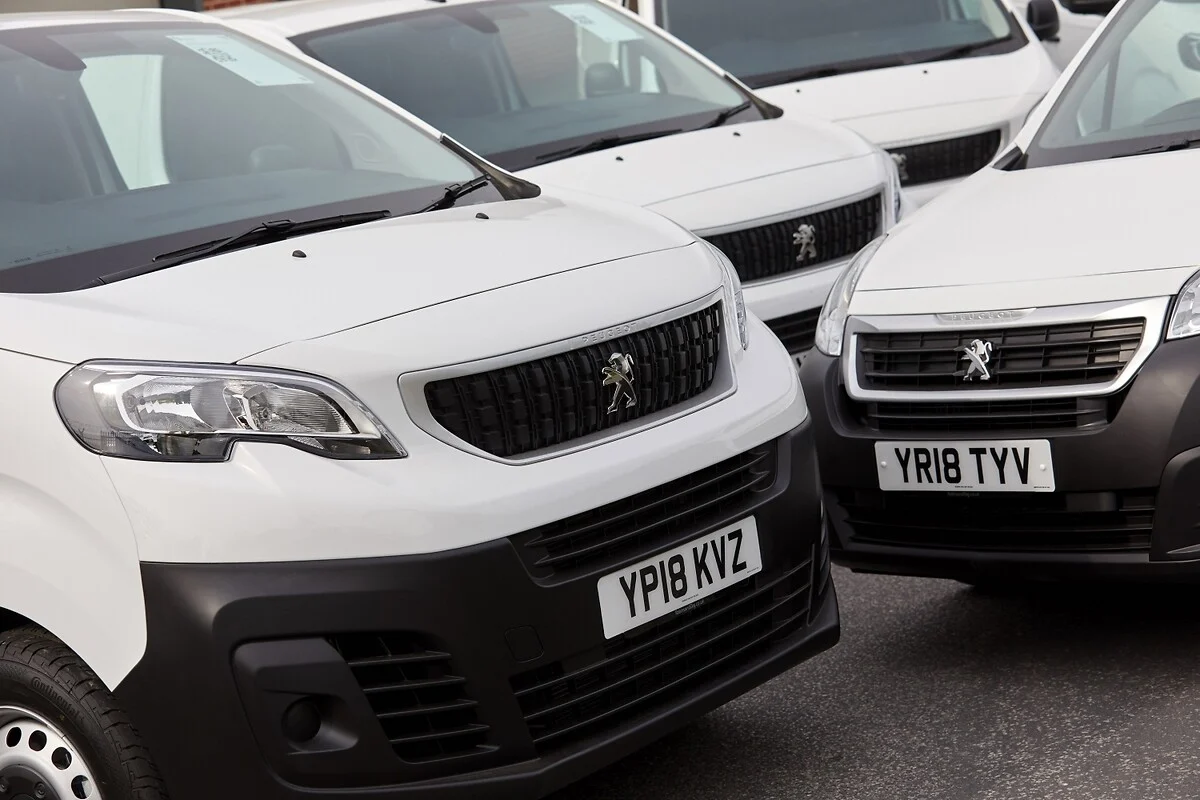
Prevention is cheaper than failing
A quick inspection before the MOT often saves a lot of time and money. By systematically carrying out all the checks, you avoid unexpected failures and retests. Many fail points are simple and cheap to fix if you spot them early.
Do not book the test at the very last minute. Give yourself enough time to carry out minor repairs and replace parts. This increases your chances of passing first time and keeps your Peugeot Expert safe and reliable on the road.
On the Carnews website you will find much more information about maintenance, common problems and practical tips for your car. Explore more articles and stay up to date with everything you need to know as a car enthusiast.
Frequently asked questions
The most common MOT fail points you can check yourself are defective or badly adjusted lights (headlights, brake lights, indicators and number plate lights) and worn or damaged tyres with too little tread or incorrect tyre pressure. Vehicles are also often failed because of poorly legible or loose number plates, worn or ineffective wiper blades and cracks or damage in the windscreen within the driver’s field of view. Loose or damaged seat belts, seats that do not lock properly and a non-functioning horn are also typical points you can check in advance. Finally, you can check yourself for obvious leaks under the vehicle and loose bodywork or exhaust parts that may rattle or fall off.
Before the test, check all lights, wipers, horn, seat belts, mirrors and number plates, and make sure there are no warning lights illuminated on the dashboard. Keep the tyres in good condition with sufficient tread and the correct pressure, and make sure the vehicle is clean and free from loose or damaged parts. Safety-related components such as brakes, steering and suspension, tyres and seat belts deserve extra attention, as failures are often recorded here. Also check for leaks and rough idling, because these can indicate emission or engine problems that may result in MOT failure.
Modifications such as a sports exhaust or lowering kit are allowed in principle, but they increase the risk of MOT failure if they do not comply with legal requirements (noise, emissions, sharp edges, ride height, lighting, handling). For example, a sports exhaust must not produce excessive noise and must not invalidate emission components (such as the catalytic converter or particulate filter). A lowering kit must not make the car so low that the lighting, bumper height, suspension or tyre contact become unsafe or fall foul of the rules. Always have modifications inspected/fitted by a specialist who knows the MOT requirements, and make sure that parts have proper approval (including type approval).
Common MOT repairs include lights (around €10–€40 per bulb, often done immediately), wiper blades (€20–€50 per set, within half an hour), brake pads/discs (€150–€400, about 1–2 hours) and tyres (€70–€150 per tyre, about 30–60 minutes). Minor jobs such as bulbs and wiper blades are relatively cheap and quick and can usually be done the same day. Doing it yourself is only cheaper for simple tasks (bulbs, wiper blades, sometimes brake pads) if you have the right tools, knowledge and time. For brakes, suspension and emission problems, having the work done professionally is usually wiser and, in the end, often more cost‑effective because of quality and safety.