

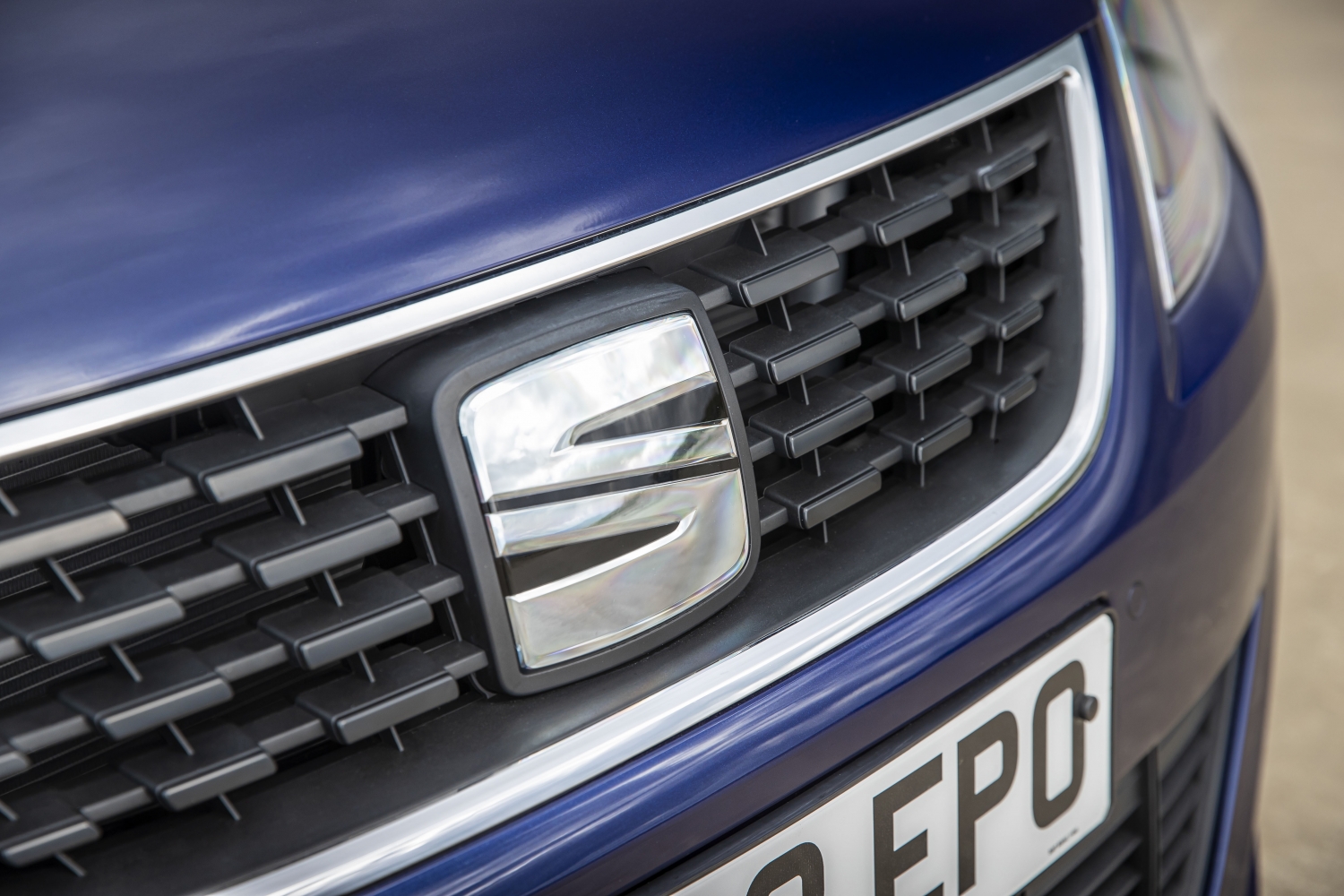
A leaking panoramic roof allows water to seep into the interior, resulting in wet footwells and potential electronic failures. The problem is common in models with this option, such as the Seat Alhambra, and calls for vigilant maintenance. Find out how to recognise leaks and what you should look out for.
How do you recognise leaks from the panoramic roof?
Water leaks from a panoramic roof often appear in subtle ways. The first signs are damp patches in the interior, especially in the footwells or under the seats. After heavy rainfall, water can accumulate at low points in the car. A musty smell indicates prolonged damp, even if the source is not immediately visible.
When opening the roof you may sometimes hear creaking noises or feel resistance. This points to mechanism issues that can indirectly lead to leaks. Regularly check the headlining in the car. Stains, discolouration or sagging trim are clear signs that water is getting in. After rain, test by parking the car on a slope and see where water collects.
Pay particular attention to electrical issues such as flickering displays, faulty control units or warning messages without an obvious cause. Water often seeps into modules under the seats, such as the towbar control unit, leading to faults. This damage develops gradually and only becomes noticeable when components fail.
‘ The roof then no longer closes seamlessly, allowing water to get in. ’
What causes leaks in the panoramic roof?
Blocked drainage channels are the main cause of water ingress. The panoramic roof has small hoses that drain water to the underside of the car. Leaves, dirt and dust build up in these channels, preventing water from draining away properly and allowing it to enter the interior through openings. This occurs especially in cars that are parked outside or under trees.
Worn seals also cause problems. The rubber around the roof shrinks over time due to weather influences and temperature fluctuations. Cracks and gaps appear, giving rainwater a direct route inside. This process is accelerated in cars that spend long periods in the sun or are exposed to extreme temperatures.
Mechanism problems contribute to leaks as well. Sticking rails or unlubricated components cause wear in the system. Opening and closing the roof places extra pressure on the seals, causing them to wear out more quickly. The roof then no longer closes seamlessly, allowing water to get in.

Solutions for water damage caused by panoramic roofs
Cleaning the drainage channels is the most important preventive measure. Do this twice a year with a soft cloth and water. Remove leaves and dirt from the rails and openings around the roof. Flush the hoses through with a thin tube or compressed air to remove build-up. Check that water drains away smoothly by pouring a small amount of water into the drainage channels and seeing whether it exits again by the wheels.
Seals require regular inspection and treatment. Check the rubber for shrinkage, cracks and hardening. Replace damaged sections in good time to stop water ingress. Treat intact rubbers with a suitable care product to keep them supple. This extends their lifespan and prevents problems.
Lubricating the mechanism keeps the system running smoothly. Use a product suitable for rubber and metal, following the instructions in the manual. Apply it to the rails and moving parts. A well-lubricated system reduces wear and provides a better seal. Open and close the roof regularly to keep the mechanism in good condition.
If there is already water damage, you should act quickly. Thoroughly dry wet areas with a towel and ventilation. Remove trim where possible to allow underlying layers to dry. This prevents mould and persistent odours. Have electronic components checked by a specialist to identify faults before they lead to failures.
Common mistakes in maintenance
Many owners neglect the drainage channels because they are out of sight. The problem is only noticed once water is already entering. Regular inspections prevent expensive repairs. Do not wait for leaks to occur; include preventive maintenance in your maintenance schedule.
Using the wrong cleaning products damages rubber. Aggressive cleaners attack the seals and speed up shrinkage. Only use products suitable for automotive rubber. This preserves the elasticity and effectiveness of the seals.
Owners sometimes ignore creaking noises or resistance when opening the roof. These signs point to early mechanism problems that can lead to leaks. Have any issues investigated immediately to prevent more serious damage. Timely action saves on repair costs.
‘ If you are willing to check regularly and carry out preventive maintenance, you can enjoy years of trouble-free use. ’
Is a car with a panoramic roof a risk?
A panoramic roof requires maintenance, but it does not have to be a deal-breaker when buying a car. Problems are more common in older models or cars that have not been maintained regularly. With used cars, this deserves extra attention during the inspection. When buying, check the condition of the drainage channels and seals. Test the roof for smooth operation and water leaks.
Repair costs vary greatly. Simple cleaning and replacing rubber seals costs a few tens of euros. Damage to electronics or the mechanism can run into hundreds of euros. Water damage to modules such as control units requires expensive replacement. Weigh these risks against the comfort and experience that a panoramic roof offers.
For buyers who want to spend little time on maintenance, a model without a panoramic roof may be the wiser choice. If you are willing to check regularly and carry out preventive maintenance, you can enjoy years of trouble-free use. The choice depends on your maintenance routine and how willing you are to accept potential costs.
When professional help is needed
Some problems require specialist knowledge. You cannot always reach deep blockages in the drainage hoses yourself. A specialist has the tools to flush the entire system. This is advisable in the case of persistent leaks that do not disappear after your own maintenance efforts.
Electronic failures caused by water damage require diagnosis with specialist equipment. Testing and reprogramming modules is carried out at a workshop. Do not wait too long to seek professional help if you see warning messages or systems have failed. Water in electronics causes corrosion that spreads, resulting in more extensive damage.
Problems with the mechanism, such as seized rails or broken parts, should be entrusted to a mechanic. Dismantling and repairing the panoramic roof system requires experience. Intervening incorrectly can lead to further damage or safety issues. Leave complex repairs to professionals.
Practical checklist for panoramic roof maintenance
Use this checklist to keep your panoramic roof in good condition:
- Clean drainage channels and rails twice a year with water and a soft cloth
- Flush drainage hoses with water or compressed air to prevent blockages
- Check rubbers for cracks, shrinkage and hardening at every service
- Treat seals with a suitable care product to keep them supple
- Lubricate rails and mechanism according to the manual to limit wear
- After heavy rain, check for water collecting in the footwells and boot
- Use the roof regularly to keep the mechanism in good working order
- Have unusual noises or resistance investigated immediately
This maintenance takes little time but prevents annoying problems. Fifteen minutes every six months can save you hundreds of euros in repair costs. Note these checks in your maintenance diary so you do not forget them.
‘ From electronic faults to mechanical issues, discover practical solutions and preventive measures. ’
Want to know more about car problems and maintenance?
On the Carnews website you will find extensive information about common car problems, maintenance advice and tips for different makes and models. From electronic faults to mechanical issues, discover practical solutions and preventive measures. Explore the website to learn more about your car.
Frequently asked questions
Prevent leaks by cleaning the drainage channels and rubbers at least twice a year with water and a soft cloth so that dirt and leaves do not cause blockages. Gently flush the drainage hoses (for example with a thin tube or low-pressure compressed air) so that water can drain away properly. Lubricate rails and moving parts with a suitable lubricant and regularly check the rubbers for cracks or shrinkage, replacing them if necessary. After heavy rain, check that there is no damp or standing water in the footwells or the boot.
A developing leak in a panoramic roof is often noticeable from light damp patches or rings on the headlining, wet or clammy floor mats/footwells and sometimes a slight musty smell after rain. Start with a visual check of the rubbers around the roof for cracks, shrinkage or dirt and see whether water or dirt remains in the channels around the glass. Then carefully pour some water into the drainage channels (preferably at each corner) and check whether it flows quickly and cleanly out from underneath the car. If water remains or runs into the interior, the drainage channels are probably blocked or split and you will need to clean or check them (or have this done).
Common repairs include cleaning and clearing the drainage channels, readjusting or lubricating the mechanism, and (partially) replacing rubbers and seals. Cleaning and flushing the drains at an independent garage usually costs from a few tens of euros up to around €150. Replacing rubbers and adjusting the roof is often between roughly €150 and €400, depending on the make and labour time. In the case of serious damage to the glass or mechanism, costs can rise by several hundred euros more.
An untreated panoramic roof leak can soak the interior, leading to mould, unpleasant odours and the trim and headlining coming loose or discolouring. Water can run down via the roof edges and pillars and pool in the footwells and boot, causing carpets and insulation to remain damp for a long time. In addition, water ingress can damage electronic modules and wiring, resulting in faults in comfort functions or, for example, the towbar control unit. Prolonged leaking also increases the risk of corrosion on metal parts under the floor covering.
With a panoramic roof leak you can clean the drainage channels yourself (removing leaves and dirt, gently flushing hoses or using low-pressure compressed air) and clean and lightly treat the rubbers. You can also visually inspect the seals for cracks or shrinkage and have them replaced if necessary. In the case of persistent leaks, damaged rubbers or problems with the mechanism (rails, motor, alignment), it is sensible to call in a specialist. If you are unsure of the cause or there is already water damage to the electronics, always consult a professional.