
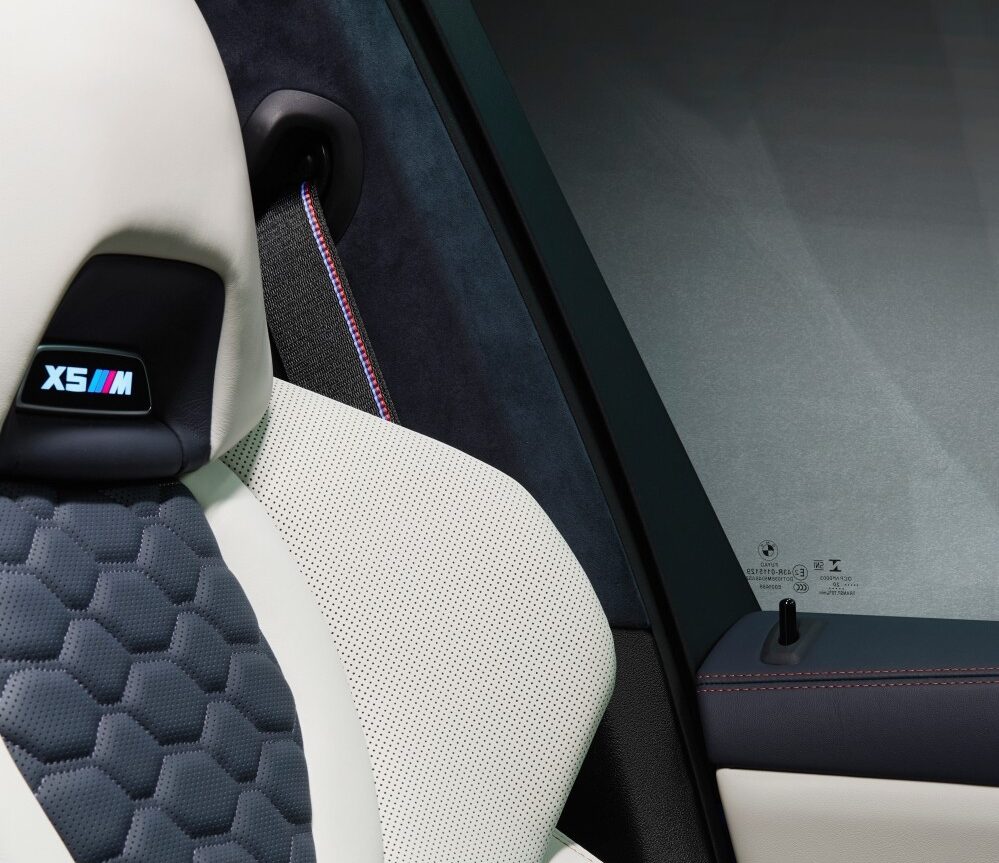
A leather steering wheel that becomes shiny, sticky or shows bare patches is a sign of premature wear of the leather surface. This problem affects both the aesthetic appearance and driving comfort. On some premium cars, including the BMW X5, this occurs unusually often, even on relatively young models. With the right knowledge you can slow down wear and repair damaged leather without immediately having to buy an expensive new steering wheel.
Why does the leather steering wheel wear out so quickly?
The rapid wear of a leather steering wheel often has several causes. Sweat and acids are the main culprits. The acidity of hand sweat affects the leather surface during prolonged contact. The material becomes bare and starts to come loose. This process accelerates with intensive use, for example during long journeys or in warm conditions where you sweat more.
Mechanical factors also play an important role. Nails, rings, watches and other jewellery cause scratches and scuffing while turning the wheel. The grips are subject to constant friction. This leads to flaking patches. On models with perforated leather, wear progresses more quickly because of the ventilation holes in the material.
Environmental influences reinforce the problem. Moisture and heat make the leather sticky. Extreme dryness makes it brittle instead. In winter, a sticky feeling can occur which disappears again as soon as the wheel dries. If maintenance is inadequate, dirt accumulates in the pores of the leather. This disrupts the natural oil balance and leads to drying out.
Recognising wear on the steering wheel
Wear on a leather steering wheel is easy to recognise by clear signs. Bare, fibrous patches where the leather comes loose or sticks to your hands indicate advanced deterioration. These areas feel rough and usually differ in colour from the rest.
Other signs of wear are:
- Stains caused by a build-up of dirt or sweat residue that no longer comes off
- A shiny surface on the most frequently used grips
- Small cracks or split areas in the leather
- A sticky feeling while steering
- Loose or flaking layers of leather
On older models, wear can already be visible after 9 years. Some owners report problems at around 170,000 kilometres. Other steering wheels last much longer without visible damage if they are properly maintained.

Prevention through regular maintenance
Regular maintenance prevents your leather steering wheel from wearing out prematurely. Start by cleaning it with a mild leather cleaner. For stubborn stains use a vinegar-based cleaner. Avoid aggressive products that can damage the leather. Always dry the wheel after cleaning with a soft, lint-free cloth.
Regularly apply a leather protection cream. This prevents a build-up of grease and drying out of the material. After application, allow the cream to cure for 7 days for optimal protection. Repeat this treatment several times a year, depending on how intensively you drive.
Everyday habits make the difference. Wash your hands before driving to minimise acids and dirt. Polish the steering wheel weekly with a soft brush to remove surface dirt. On models with high mileage, above 150,000 kilometres, pay extra attention to early signs of wear.
Can I repair my steering wheel myself?
You can repair a damaged leather steering wheel yourself with the right materials and technique. The repair requires precision, but the job can be done well without professional help. Start by preparing the surface. Sand gently with 320-grit sandpaper. This sandpaper is suitable for wet and dry use. Apply a little extra pressure to the damaged areas to create a smooth surface.
Then apply leather binder with a sponge. Work in light, thin layers. Rub the binder thoroughly into the fibres. This strengthens the leather surface. Allow each coat to dry for at least 3 hours before applying the next one. After the final coat, the wheel needs 7 days to fully cure.
Finish with a protective leather cream. The steering wheel can be used immediately after finishing, but it achieves the best results after a week. The repair restores the visual appearance and prevents further deterioration of the leather. In the case of deep damage, marks will remain visible, but the feel and protection improve significantly.
‘ This option is only necessary in cases of very severe damage where the leather can no longer be saved, or where there are structural problems with the steering wheel itself. ’
How much does steering wheel restoration cost?
The cost of steering wheel restoration varies greatly between professional repair and a DIY approach. Professional repair by a specialist company costs between 120 and 150 euros excluding VAT. This rate includes the full treatment of the steering wheel, including sanding, repair and protective finishing.
Doing the repair yourself saves money. You do not pay labour costs and only spend money on materials. You will need sandpaper, leather binder, sponges and protection cream. Together, these materials cost between 30 and 50 euros. These are one-off investments and are often sufficient for several treatments. However, it does take time and care to achieve a professional result.
A completely new steering wheel is the most expensive option. Depending on the make and model, this can cost between 300 and 800 euros, excluding fitting. This option is only necessary in cases of very severe damage where the leather can no longer be saved or where there are structural problems with the steering wheel itself.
How do I make my steering wheel last longer?
You can extend the lifespan of your leather steering wheel with consistent preventive maintenance. Clean the wheel every 2 to 4 weeks with a suitable leather cleaner. Remove dirt and sweat regularly. Otherwise these substances penetrate deep into the leather and cause permanent damage.
Avoid wearing rings, bracelets or watches while driving. These accessories can damage the leather by causing scratches and significantly accelerating mechanical wear. Make sure your hands are clean before you drive, especially after eating or working with greasy or acidic substances.
Protect the leather from extreme conditions. Preferably park your car out of direct sunlight to prevent drying out. Treat the steering wheel 3 to 4 times a year with a nourishing leather cream that keeps the material supple. On BMW X5 models with perforated leather, be especially careful, because these wear faster due to the ventilation holes in the material.
Are there alternatives to replacing the steering wheel?
Besides repair and replacement, there are practical alternatives for dealing with a worn steering wheel. A steering wheel cover provides immediate protection and hides existing damage. These covers are available in leather, faux leather or textile and cost between 15 and 40 euros. They are easy to fit and replace without tools.
Having the steering wheel professionally reupholstered is a more durable solution. This treatment often lasts 10 years or more and delivers a better result than doing the repair yourself. Specialist companies remove the old leather completely, then apply new leather. This treatment costs between 200 and 350 euros but gives the steering wheel a factory-fresh appearance. The result is comparable in quality to a new steering wheel at lower cost.
Intensive restoration solves less serious problems without complete replacement. The existing leather is thoroughly cleaned, then restored with special fillers. Finally, it is recoloured. The costs are between 150 and 250 euros. This approach works well for light to moderate wear and largely preserves the original leather.
‘ You can only conceal these marks through restoration or replacement. ’
Real-world experiences with steering wheel wear
Owners of cars with leather steering wheels report mixed experiences. On older models, peeling leather after 9 years is a common occurrence, especially on the most frequently used grips. Intensive cleaning with suitable cleaning products often solves this problem. In many cases, repair is then unnecessary.
A sticky steering wheel in winter often dries out by itself as soon as the material dries. This indicates moisture build-up in the leather and rarely causes permanent damage. Regular polishing with a dry cloth largely prevents this inconvenience.
Some steering wheels remain free of visible wear well beyond 170,000 kilometres when they are maintained consistently. Weekly cleaning and treatment with protection cream every three months ensures long-lasting good results. Stains often disappear with a strong leather cleaner. In the case of deep damage to the leather surface, marks remain visible. You can only conceal these marks through restoration or replacement.
On the Carnews website you will find extensive information on maintenance, repair and common problems for various car makes and models. Discover more practical tips and advice to help you keep your car in top condition.
Frequently asked questions
The most common causes of wear on a leather steering wheel are sweat and skin oils, whose acids slowly attack the leather. In addition, mechanical influences such as friction, nails and jewellery cause scratches and bare patches. Environmental factors such as heat, UV light, moisture and drying out accelerate this process. Insufficient or incorrect maintenance (aggressive cleaners, no protection) worsens the wear.
Clean the leather steering wheel regularly with a mild leather cleaner and a soft cloth, and avoid aggressive cleaning products. Periodically apply a suitable leather protection cream to prevent drying out and grease build-up. Drive as much as possible with clean hands and watch out for sharp rings, watches or nails that can cause scratches and wear. Check the wheel regularly for early signs of wear and tackle small damage immediately with suitable leather products to slow down further deterioration.
Yes, in many cases you can refurbish a worn leather steering wheel yourself. This is often done using a leather repair or colour restoration kit consisting of cleaner, fine sanding pads (e.g. 320 grit), leather binder and leather dye/cream in the correct colour. The usual procedure is: thorough cleaning, light sanding, applying several thin coats of leather binder, then recolouring and finishing with a protective cream. In cases of very severe or torn upholstery, professional reupholstery or a specialist leather repair set may be required.
From an economic point of view, restoration is more sensible when the leather is mainly cosmetically worn (bare or sticky patches) but the basic structure of the steering wheel is still sound, because this is cheaper than full replacement. Aesthetically, restoration is suitable if you want to retain the original wheel and factory look, for example with a relatively new or original example. Replacement is more logical economically if both the leather and the underlying foam or structure are badly damaged or deformed, making restoration very labour-intensive. Aesthetically, you choose replacement if you want a different look or a thicker, more modern wheel than the original.
Use a mild leather cleaner developed specifically for automotive leather (e.g. water- or light vinegar-based) for regular cleaning of the leather steering wheel. Then choose a high-quality leather protection cream or conditioner that nourishes the leather and provides a protective layer against moisture, sweat and UV radiation. Apply the cleaner with a soft microfibre cloth or soft brush and gently loosen dirt without using aggressive solvents or all-purpose cleaners. Always finish with a thin layer of leather protector and allow it to absorb properly for optimal and long-lasting effect.