
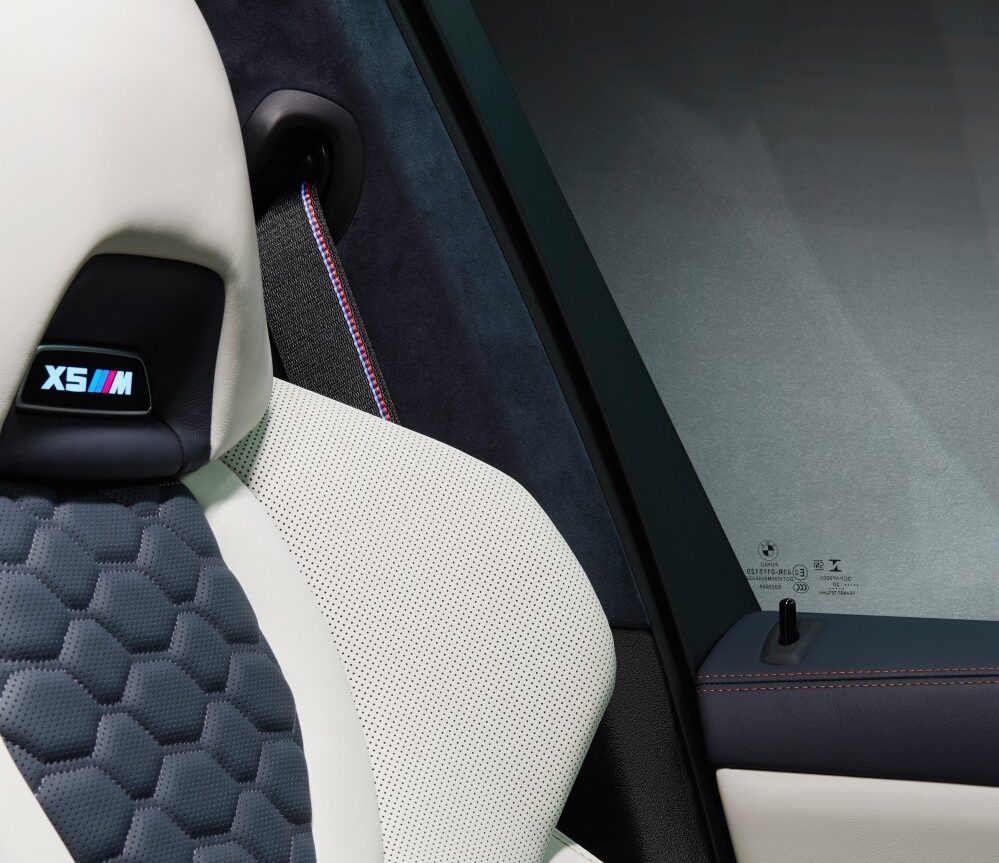
Panoramic roofs and window mechanisms often fail after years of faithful service due to wear, freezing or cable breakage. These are separate problems, each with its own cause. Failure leads to windows that no longer work, whistling noises and, in some cases, the complete replacement of the mechanism. These problems are particularly well documented on the BMW X5. Find out how to recognise faults and which solutions are available.
Window no longer works: causes
A window mechanism works with a drive cable that moves inside a plastic sheath. Over time, this cable can break or jam. In cold weather the cable can sometimes freeze inside the plastic channel, preventing the window from opening or closing. This regularly happens on older models where the plastic has become porous or where moisture has penetrated.
In addition to freezing, broken plastic guides can also cause problems. These small components hold the glass pane in place. If they break, the window tilts at an angle or gets stuck. You will often notice this through uneven movement or a grinding noise when operating the window.
Electrical faults are less common, but can still block the window function. A defective switch or a fault in the control module means the signal does not reach the motor. A diagnosis by a specialist will quickly reveal whether the cause is mechanical or electrical.
‘ Bear in mind that some garages want to replace the entire door unit, even though a targeted repair is also possible. ’
Window mechanism repair costs
The cost of repairs depends on the cause and the make of the car. If a cable has broken, the entire mechanism usually needs to be replaced. This costs between €300 and €800, depending on the model and the workshop. For a BMW X5, costs are at the upper end of this range because of the complexity of the system.
Smaller repairs, such as refitting a loose sealing strip or replacing plastic guides, can be carried out for €100 to €200. This job takes about an hour and often prevents more serious damage. Bear in mind that some garages want to replace the entire door unit, even though a targeted repair is also possible.
For some makes of car, parts kits are available that allow you to replace only the defective components. This saves money and is more sustainable. Always ask for a detailed quotation and compare different workshops before making your choice.
Repairing a frozen window mechanism yourself
A frozen window mechanism is often temporary. Let the car warm up in a heated garage or use a hairdryer on a low setting to gently warm the door panels. Never force the window, as this can permanently damage the cable. Try the mechanism again after a few minutes without applying pressure.
If warming it up does not work, the problem lies deeper. Moisture in the channel may have frozen into ice that does not melt quickly. In that case, the door panel must be removed to check and defrost the mechanism. This requires technical knowledge and tools, so consider calling in a specialist.
Preventive maintenance helps to avoid freezing. Lubricate the guides annually with silicone spray and check that the drain holes in the door are clear. Standing water can freeze and put pressure on the mechanism. Keep the rubber seals clean and supple with a special rubber care product.
Causes of squeaking window mechanisms
Squeaking noises are usually caused by dry or shrunken rubber seals. Especially on cars older than ten years, sealing strips shrink due to weather exposure. This causes friction between the glass and the rubber, resulting in a high-pitched squeak when opening or closing.
The guide rails can also squeak if they are not sufficiently lubricated. Dust and dirt accumulate in the rails, causing the cable to move with friction. This not only produces noise, but also extra wear which eventually leads to breakage. Clean the rails with a soft cloth and then apply lubricant.
In some cases, squeaking indicates a poorly adjusted mechanism. The glass then does not run parallel in the rails, which causes additional friction. A specialist can adjust the mechanism and check the rubbers. This takes about half an hour of work and often eliminates the squeaking completely.
Repair costs for the panoramic roof
Panoramic roofs are more complex than ordinary window mechanisms. This complexity makes them more expensive to maintain. A defective panoramic roof can have several causes. The following problems occur regularly:
- Broken drive cables that block the sliding or tilting mechanism
- Blocked drains that lead to water leaks inside the cabin
- Defective rubbers that cause whistling noises at higher speeds
- Seized panels due to broken plastic guides
- Software faults that activate the anti-trap protection (a safety system that stops the roof if there is an obstruction)
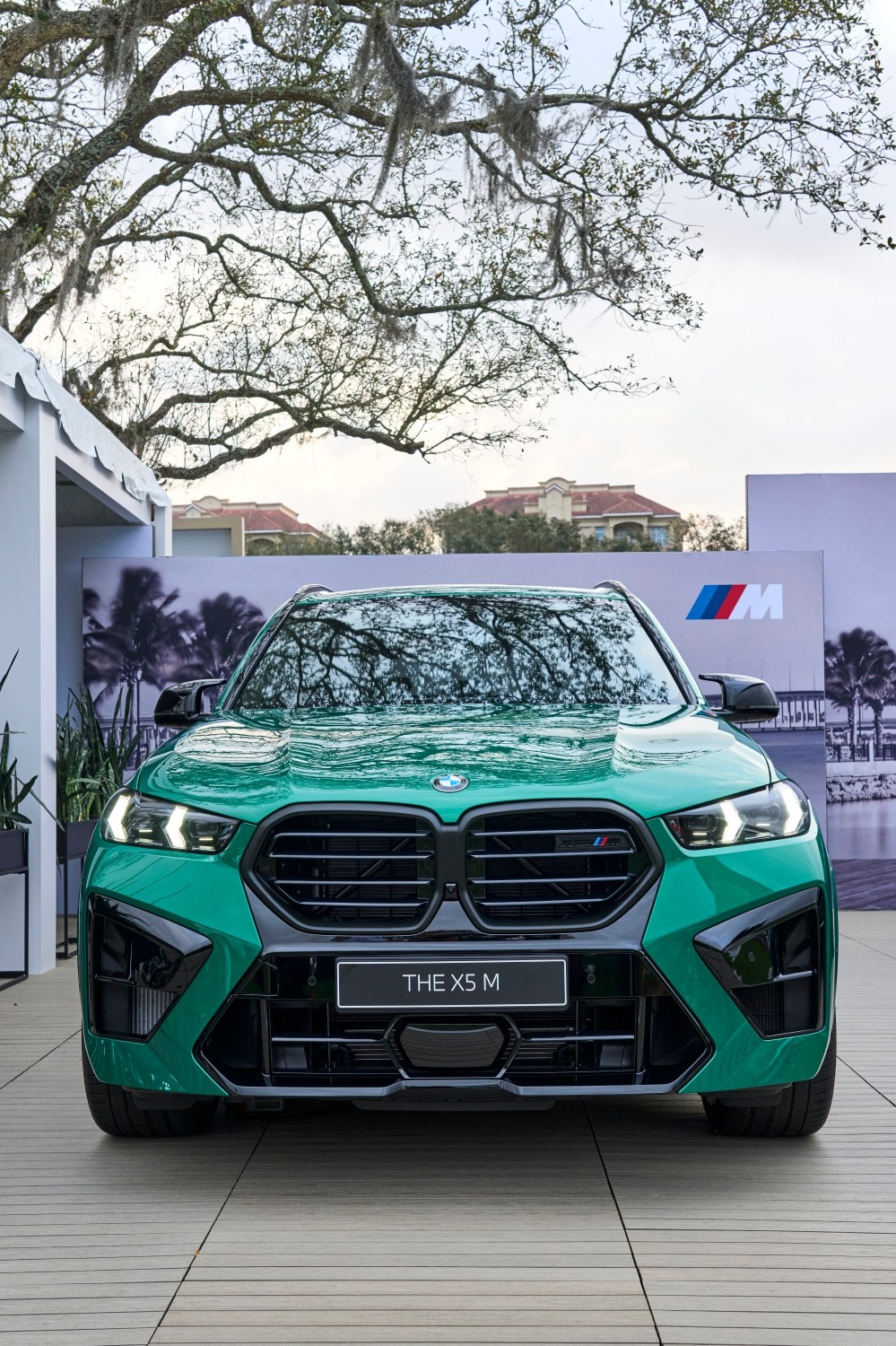
The cost of repairing a panoramic roof varies greatly. Carrying out a factory reset or unblocking drains costs little to nothing and you can do it yourself. Replacing drive cables or the entire mechanism costs between €800 and €1,500. On BMW X5 models built before 2012, problems are widespread due to the complex system with multiple cables.
Preventive maintenance significantly reduces costs. Clean the rails and drains once a year, especially after leaf fall or long dry periods. Check whether the rubbers are still intact and have them replaced if necessary before they cause water damage. Avoid opening the roof in dirty conditions to limit wear.
Maintenance tips and quick fixes
A factory reset can solve many software problems. Turn the ignition key to the on position without starting the engine. Press and hold the close button while the roof fully opens, slides backwards, tilts and closes again. This restores the alignment and resolves many faults.
Blocked drains are common on panoramic roofs. Jack up the car, remove the wheel and take off the inner liner. Flush the drain with hot water or a thin hose until the water flows away freely. This prevents water leaks that can damage the interior.
For a temporary fix when guides are broken, you can cut a thin plastic piece from a clothes hanger to size. Clip this onto the cracked component to hold the panel in place. This emergency solution will work until you can have a permanent repair carried out.
Have a specialist adjust the roof if you hear whistling noises. This takes about half an hour and greatly reduces wind noise. Also check whether the sealing strip is properly secured. You can often press loose strips back onto the clip yourself.
Spotting problems early
Pay attention to changes in the behaviour of your windows or panoramic roof. Slower response, irregular movement or strange noises are early warning signs. If you act on these in time, you can stop small issues turning into expensive repairs.
Regularly check whether the rubbers are still supple. Hardened or cracked rubbers let water through and cause noise. Replace them before they lead to rust or water damage to the electronics in the door or roof.
Test the emergency closing function of the panoramic roof. This function allows you to close the roof manually in the event of a fault. Make sure you know where the emergency lock is and how to use it. This can be important in sudden rain or before you park the car.
On the Carnews website you will find more information about common car problems and maintenance advice for various makes and models. Discover practical tips and experiences from other car enthusiasts to get even more out of your car.
Frequently asked questions
The most common problems with panoramic roofs are broken or worn drive cables and guides (roof moves slowly or sticks), worn or shrunken rubbers (wind noise, poor sealing), and blocked drains (damp or water leaks inside the cabin). You recognise cable and guide problems by panels that stutter or run crooked and by clicking or grinding noises when opening or closing. Rubber problems show up as whistling or squeaking wind noise, especially at higher speeds, and visible cracks or loose seals around the glass. Blocked drains can be recognised by damp patches, misted-up windows, a musty smell and sometimes water droplets near the headlining or A/B pillar.
Start with a factory reset: switch the ignition to “on” and hold the close button for the roof or window until the full open, tilt and close cycle has completed. Check and clean the rails and rubbers, and clear any drain channels so that dirt or water does not block the mechanism. Lightly lubricate the guide rails with a suitable lubricant to reduce stiff operation. If the problem persists or you hear grinding noises, have a specialist check the roof or window mechanism as soon as possible to prevent further damage.
Clean the guide rails and drains of the panoramic roof thoroughly at least once a year so that dirt and leaves do not accumulate and cause leaks or blockages. Regularly check the rubbers for cracks or shrinkage, clean them and lightly lubricate them with a suitable rubber or silicone product to reduce drying out and wind noise. Have the roof and window mechanisms periodically checked, adjusted and lubricated by a specialist, especially on older models or with intensive use. Avoid frequently opening the roof fully in very dirty or sandy conditions to prevent extra wear on cables and rails.
It is necessary to call in a professional when the panoramic roof or window mechanism is mechanically defective, for example in the case of broken drive cables, torn guides or severe wear of rails and rubbers. Professional help is also needed in the case of recurring leaks due to blocked drains or a loose seal that you cannot fix properly yourself. If software resets and simple cleaning have no effect and the roof or window continues to stutter, jam or not close fully, specialist diagnosis is required. Finally, professional adjustment and lubrication is advisable if wind noise, whistling or unexplained faults keep coming back.
Possible repair costs for panoramic roof and window mechanism problems range roughly from a few tens of euros for DIY cleaning, unblocking drains and refitting rubbers to around €200 excl. VAT for specialist adjustment, lubrication and replacing or repairing rubbers. If drive cables or guides are broken, costs can rise further, depending on the parts required and labour time. Options include doing your own maintenance (cleaning rails and drains, performing resets, pressing rubbers back), calling in an independent specialist for adjustment and lubrication, or visiting a dealer or specialised workshop in the event of serious mechanical damage. Preventive annual maintenance can help to avoid expensive repairs caused by leaks and wear.