
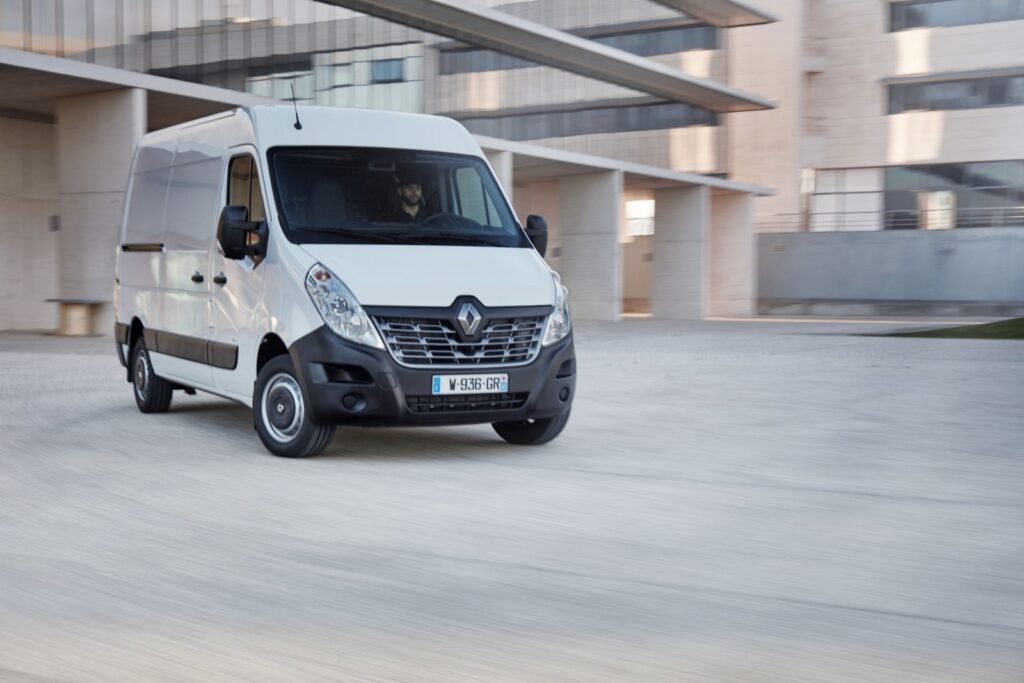
Regular maintenance on your Renault Master prevents common problems such as battery failures, transmission defects and engine damage. By systematically changing fluids, checking filters and replacing wear parts on time, you significantly extend the lifespan of your van. Discover how a smart maintenance schedule can help you avoid expensive repairs.
Why preventive maintenance deserves extra attention on a van
The Renault Master is often heavily loaded. Lots of cargo, stop-and-go traffic, short trips and towing trailers all cause increased wear to engine oil, filters, brakes, clutch and suspension. With intensive daily use, it is wise to carry out maintenance earlier than the maximum interval in the service booklet. Many owners shorten the intervals by around 50 percent for heavy commercial use.
Preventive maintenance is not just about mileage. Usage intensity, load and driving conditions also determine how much attention the van needs. Anyone who uses the Master every day as a workhorse notices that small problems can quickly grow into breakdowns. By intervening in time, you limit unexpected costs and keep your vehicle reliable.
Many drivers of a Renault Master say that consistent maintenance is what makes the difference between a van that just keeps going and one that is constantly in the workshop. With commercial vehicles every day of downtime counts, so planning ahead pays off.
What is a sensible maintenance schedule for the Renault Master?
The maintenance intervals depend on the year of manufacture, engine variant and how the vehicle is used. With gentle use, longer intervals may be possible. For heavy commercial use, an interval of around 20,000 kilometres is often used as a starting point. That is lower than for a passenger car, because a van has to cope with more stress.
Do not determine your maintenance timing based on mileage alone. Also take these usage characteristics into account:
- Many short journeys where the engine does not reach proper operating temperature
- Regular idling
- Driving with a full load
- Towing a trailer
- Driving in dusty conditions, traffic jams or urban traffic
- Frequent cold starts
If one or more of these factors apply, it is wise to shorten the maintenance interval. In practice this means, for example, changing oil and filters after 15,000 instead of 30,000 kilometres.
Which parts need the most attention?
On a Renault Master certain parts wear out faster due to intensive use. Engine oil, oil filter, air filter and fuel filter need changing regularly. Brakes, tyres and suspension are also put under extra stress by the weight and the type of work the vehicle does.
Fluids and filters that should be changed regularly
During every service, engine oil and oil filter are normally replaced. In addition, these items deserve attention:
- Check the air filter and replace it if it is dirty
- Check the fuel filter, especially on diesel variants
- Replace the cabin filter for a healthy interior climate
- Check the coolant level and quality
- Check brake fluid and replace it according to schedule
- Top up windscreen washer fluid
With many short journeys, engine oil becomes contaminated more quickly by soot and condensation. Diesel engines are particularly sensitive to this. A shorter interval prevents dirty oil from causing additional wear.
Technical checkpoints that must not be skipped
A service is not just about changing oil and filters. Technical checks are also important to detect problems at an early stage:
- Check brakes and brake discs for wear
- Inspect tyres for tread depth, pressure and uneven wear
- Check suspension and steering components for play and damage
- Test lighting and electronics
- Check the battery and charging system
- Inspect exhaust and emissions system
- Check driveshafts and CV boots for cracks
- Trace leaks at engine, transmission and hydraulic systems
There are extra points of attention with a van. Think of the clutch, which wears faster when pulling away under heavy load, and the suspension, which is more heavily stressed. The load area and tie-down points also deserve a visual inspection.
How do you avoid expensive repairs with preventive maintenance?
Expensive repairs often arise because small problems are not recognised in time. A leaking CV boot on a driveshaft may seem harmless, but can lead to a failed driveshaft. A dirty air filter reduces engine performance and increases fuel consumption, but can also cause damage to the turbo.
By acting preventively, you prevent small defects from turning into major expenses. Some examples:
- Regular oil changes prevent engine damage due to wear
- Replacing brakes on time prevents damage to brake discs
- Checking the battery prevents starting problems and breakdowns
- Checking coolant prevents overheating and head gasket failure
- Inspecting suspension prevents expensive repairs to the wheel suspension
Certain problems are fairly common on the Renault Master. Contaminated EGR and intake systems with lots of city driving, battery problems with short trips and faults due to poor contacts or ageing sensors. By actively checking these points, you avoid unpleasant surprises.
The right engine oil makes a big difference
Engine oil is one of the most important parts of preventive maintenance. Modern Renault Master engines require a specific oil specification. The wrong oil can lead to additional wear or problems with after-treatment systems such as the particulate filter.
At every service, also check the oil level between maintenance intervals. Any oil consumption patterns or leaks at the sump, filter housing and turbo connections are warning signs you should not ignore. With intensive use, it can be wise to change oil and filter after only 10,000 to 15,000 kilometres.
‘ By taking these symptoms seriously, you avoid having to replace the entire clutch at an awkward moment. ’
Transmission and drivetrain: often-forgotten maintenance
Under heavy use, transmission oil also deserves attention. A Renault Master that often drives with a heavy load or regularly tows a trailer generates more heat in the drivetrain. As a result, the oil ages faster. It is advisable to have the gearbox oil checked or changed earlier than the standard schedule recommends.
The clutch wears faster with lots of pulling away under load. Signs that the clutch needs attention include slipping, a high bite point, vibrations and difficult gear changes. By taking these symptoms seriously, you avoid having to replace the entire clutch at an awkward moment.
Brakes and tyres: safety and efficiency
Brakes and tyres on a van often wear faster than on a passenger car. The weight and load demand more of these components. Do not wait until you notice noise, vibrations or reduced braking performance. By then, the damage is often already worse than necessary.
Watch out for these signs:
- Squealing or scraping when braking
- Longer braking distance
- Uneven tyre wear
- Vibrations in steering wheel or pedal
- Pulling to one side while braking
- Irregular tyre pressure
A Renault Master often carries a lot of weight. Tyres and brakes are therefore not only important for safety, but also for fuel consumption and handling. Correct tyre pressure reduces wear and improves grip and stability.
Practical tips from owners and mechanics
Many Renault Master drivers say that a van stays reliable for longest if it is maintained not only at fixed intervals, but also based on how it is used. Some frequently mentioned tips:
- Keep your own maintenance logbook to spot patterns
- Check tyre pressure, oil level and lights weekly
- Have heavily loaded vehicles serviced a little earlier
- Use only fluids with the correct specification
- If in doubt, have preventive diagnostics done instead of waiting
- Do not ignore service and oil warnings
- Schedule maintenance outside busy periods to limit downtime
A commonly heard experience is that a Master which consistently gets oil, filters and brakes on time has significantly less unexpected downtime than a van that is driven until a warning light comes on.
‘ Advantages include fixed monthly costs, fewer surprises, servicing on schedule and better planning of vehicle utilisation. ’
Maintenance contract: interesting for business users
For those who use the Renault Master for business, a maintenance contract can be an attractive option. It makes maintenance costs predictable and allows you to schedule periodic servicing at fixed times. This is convenient for entrepreneurs who need their vehicle every day and do not want unexpected workshop bills.
Advantages include fixed monthly costs, fewer surprises, servicing on schedule and better planning of vehicle utilisation. It also makes administration easier, because all maintenance costs are included in a fixed amount.
Checklist for preventive maintenance
To keep an overview, you can use this checklist for regular maintenance on your Renault Master:
Every week or before a long trip
- Check tyre pressure
- Check oil level
- Check lights
- Top up windscreen washer fluid
- Visually check for leaks or damage
Every service
- Replace oil and filter
- Check air and cabin filters
- Inspect brakes
- Check suspension and steering components
- Test battery and charging voltage
- Read fault codes
- Check tyres and wheel alignment
With heavy use
- Shorten the maintenance interval
- Give extra attention to transmission oil
- Inspect brakes and tyres more often
- Have suspension and clutch checked preventively
A well-maintained Renault Master is a better van: safer, more economical and more reliable in daily use. Those who plan ahead instead of repairing afterwards earn that back in less downtime and fewer unexpected costs.
On the Carnews website you will find much more information about maintenance, common problems and practical tips for your van. Discover more articles and stay up to date with everything you need to know about cars and automotive technology.
Frequently asked questions
The critical maintenance points are changing engine oil and oil filter in good time (possibly with shorter intervals under heavy use), and regularly checking and replacing air, fuel and cabin filters. In addition, brakes and tyres (including correct tyre pressure and alignment) are crucial both for safety and for limiting wear. Extra attention to suspension, steering components, clutch and gearbox oil with heavy or loaded use extends lifespan considerably. Finally, it helps to check oil level, tyre pressure and lights weekly and not to wait until fault or service warning lights come on.
For preventive maintenance on the Master, Renault generally uses intervals of around 20,000 km, depending on year of manufacture, engine variant and operating conditions. In the case of heavy or intensive use (many short trips, full load, trailer, lots of city driving), in practice it is often decided to shorten this interval by about 50%. These intervals are important to detect wear to the engine, brakes, suspension and transmission in good time and to replace parts preventively. This helps to prevent downtime, keep operating costs lower and maintain a high level of reliability for the Master.
Preventive maintenance keeps the Renault Master in good technical condition, which prevents major damage and costly downtime and lowers the total cost of ownership over the years. Because the engine, drivetrain, brakes and suspension are demonstrably well maintained, the van remains more attractive to buyers and the residual value is higher. A complete maintenance history with a reliable garage is an important selling point in this regard. Periodic maintenance costs are somewhat higher, but they usually more than pay for themselves through fewer unexpected repairs and less depreciation.
Yes, there are a few common points of attention on the Renault Master: contamination of the EGR and intake system (especially with lots of city trips) and accelerated wear of brakes and tyres due to heavy loading. Suspension and clutch also have a harder life under intensive use and deserve extra checks. The battery and electronics (sensors, contact points) can become prone to faults with many short journeys and periods of standing still. Furthermore, oil quality and oil change interval are critical, especially on diesel engines with many short or heavy trips.
A handy DIYer can regularly check and top up engine oil level, coolant, windscreen washer fluid and tyre pressure himself. Replacing wiper blades and the cabin filter, and for the more capable, the air filter, is also easy to do yourself. In addition, they can periodically check lights, tyre tread, visible brake parts and inspect the vehicle all around for leaks or damage. By carrying out these checks and simple replacements themselves, they save on labour costs and prevent more serious damage.
Ignoring preventive maintenance on a Renault Master increases the risk of unexpected breakdowns and expensive, major repairs (such as engine, brake or clutch damage). Parts such as brakes, tyres, suspension and drivetrain continue to wear unnoticed, which negatively affects safety and handling. Aged oil and clogged filters can also cause extra engine wear, higher fuel consumption and faults in systems such as EGR or emissions control. For business users, this also means loss of availability, turnover and reliability towards customers.