
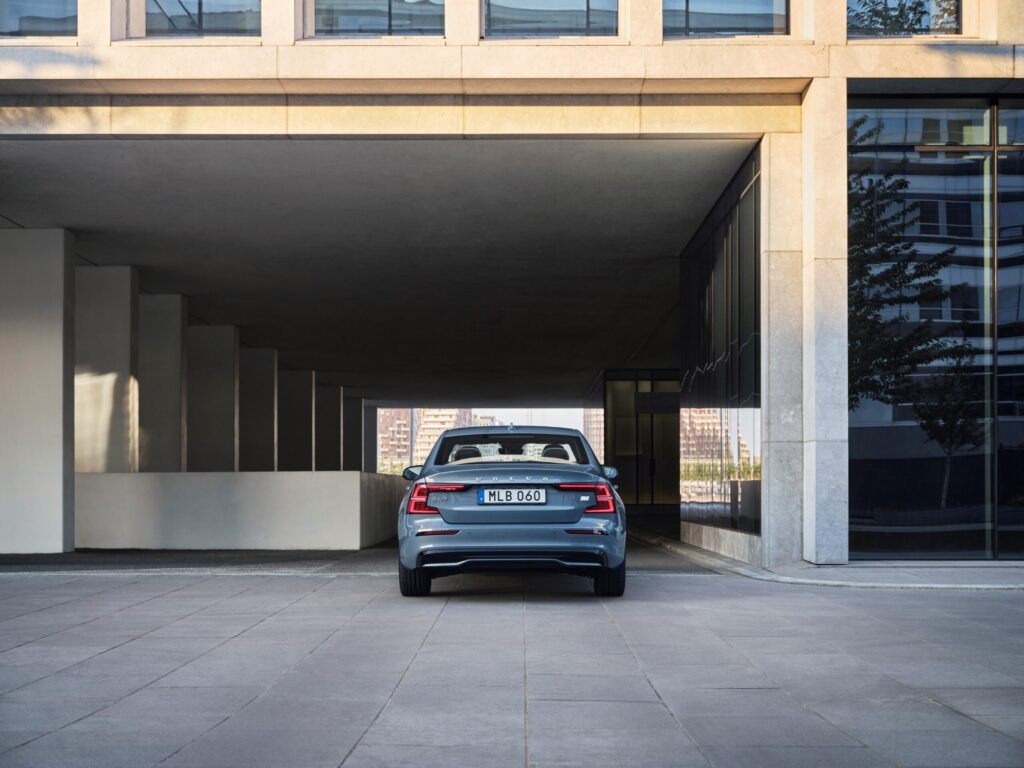
A smart maintenance schedule prevents expensive repairs and extends the lifespan of your Volvo S90. Replacing transmission oil between 60,000 and 80,000 kilometres, cleaning the EGR valve regularly, adjusting valve clearance and checking rubber bushes and turbo: these preventive measures keep mechanical problems at bay. Discover which components need extra attention and when you should act.
Why preventive maintenance pays off for the Volvo S90
The Volvo S90 is designed as a reliable and comfortable long-distance car. That is precisely why it is wise not to wait for warning lights on the dashboard, but to inspect and replace in advance. Preventive maintenance keeps mechanical components in optimal condition and prevents small defects from developing into costly repairs. Owners who carry out regular maintenance notice that their S90 continues to drive more smoothly and suffers less from faults.
In practice, this means that in addition to the normal service interval you pay extra attention to specific components that are prone to wear or contamination. For the Volvo S90 these include the transmission, the EGR system (exhaust gas recirculation system), the valve clearance and parts of the turbo and suspension. By checking these components according to a strict schedule and touching them up where necessary, you keep the car in fresh condition.
Volvo states that the regular maintenance programme is based on an interval of 30,000 kilometres or 1 year. Many specialist Volvo garages also recommend a minor service at around 15,000 kilometres or annually, especially in the case of intensive use or lots of short trips. This shorter interval helps to detect contamination and wear at an earlier stage.
‘ Contaminated or aged transmission oil can cause jerky gear changes, delayed responses and, in the long run, damage to the automatic gearbox. ’
Replace transmission oil between 60,000 and 80,000 kilometres
Many manufacturers claim that automatic transmissions are ‘maintenance-free for life’, but in practice regularly changing the transmission oil ensures a longer lifespan and smoother gear changes. With the Volvo S90 it is advisable to replace the transmission oil between 60,000 and 80,000 kilometres. This prevents the oil from becoming contaminated and wear particles from accumulating in the system.
Contaminated or aged transmission oil can cause jerky gear changes, delayed responses and, in the long run, damage to the automatic gearbox. By flushing and changing the oil preventively, you keep the internal components clean and protected. Some owners opt for an intermediate step at around 50,000 kilometres, only replacing the filter and part of the oil, but a full flush gives the best results.
Always have the transmission flushed and refilled by a specialist who uses the correct specifications and oil quality for the S90. Preferably use original or equivalent quality oil that meets Volvo’s requirements. A transmission flush costs on average between 300 and 500 euros, depending on the type of gearbox and the garage.
Clean the EGR valve regularly
The EGR valve (Exhaust Gas Recirculation) ensures that exhaust gases partially go back into the combustion process to reduce emissions. In diesel engines and some petrol engines this valve can become contaminated by soot build-up. This leads to loss of power, rough idling, black smoke or a warning light on the dashboard.
For the Volvo S90 with diesel engine it makes sense to have the EGR valve inspected and cleaned every 60,000 to 80,000 kilometres. With many short trips or city driving, contamination can occur more quickly, making an inspection after 40,000 kilometres advisable. Specialists clean the valve with a special fluid or blow it clean with compressed air. In severe cases the valve must be replaced.
A clean EGR valve ensures optimal combustion, less contamination of other components such as the intake manifold and turbo, and a more stable engine idle. The cost of cleaning is usually between 100 and 250 euros. Replacing the valve costs between 300 and 600 euros, depending on the version and labour costs.
Symptoms of a contaminated EGR valve
- Irregular idle speed
- Black smoke from the exhaust
- Loss of power when accelerating
- Engine management warning light on the dashboard
- Increased fuel consumption
Adjusting valve clearance: how often and why
Valve clearance determines the distance between the camshafts and the valves. If the clearance is too large, you get ticking noises and the valves work less efficiently. If the clearance is too small, valves may not close properly, which leads to loss of power, overheating and possible damage to valves and camshafts. Not all engines in the Volvo S90 require valve clearance adjustment; many modern Volvo engines use hydraulic valve lifters that adjust automatically.
For older engine types or specific versions it may be necessary to check and adjust the valve clearance manually. This is usually done every 80,000 to 120,000 kilometres, depending on the specifications in the service manual. Always check whether your engine has hydraulic or mechanical valve clearance before planning a service.
A mechanic measures the clearance with special tools and adjusts it by replacing shims (thin plates) or adjusting the set screws. The work costs on average between 200 and 400 euros, depending on the complexity of the engine and the labour time. Correctly adjusted valve clearance ensures a quiet, efficient engine and prevents expensive damage.
Check rubber bushes and turbo
Rubber bushes in the suspension provide comfort and damping while driving. These bushes are found, among other places, in control arm joints, anti-roll bars and shock absorbers. Over time the rubber can tear or harden, leading to creaking noises, poor roadholding and uneven tyre wear. With the Volvo S90 it is advisable to visually inspect these bushes every 60,000 to 80,000 kilometres.
Have a mechanic inspect the suspension during a regular service. Torn or worn bushes must be replaced to ensure comfort and safety. Costs range from 50 to 150 euros per bush, plus labour. A complete suspension service with replacement of multiple bushes can come to 400 to 800 euros.
The turbo is another critical component that requires extra attention. Contamination, oil leaks or wear on bearings can lead to whistling noises, loss of power or smoke. Check the condition of the turbo and have the oil lines inspected at every major service. A healthy turbo ensures optimal power and efficient combustion. Replacing a turbo is expensive and on average ranges from 1,500 to 3,000 euros, so preventive inspection pays off.
Signs of worn rubber bushes
- Creaking noises when cornering or driving over bumps
- Misalignment or uneven tyre wear
- Unsteady steering behaviour
- Visible cracks or loose rubber during inspection
Optimise the maintenance interval for the Volvo S90
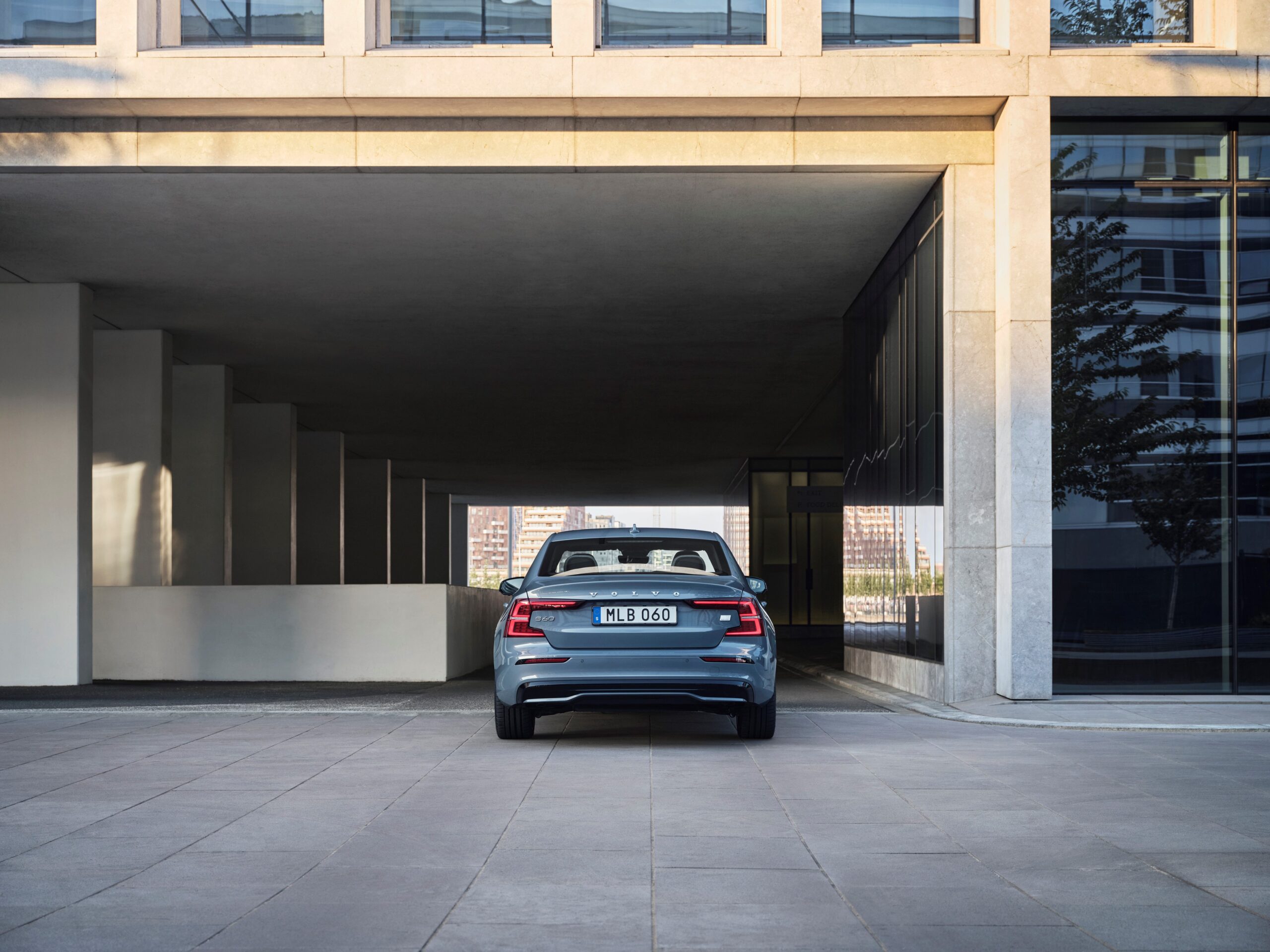
A standard service interval according to Volvo is 30,000 kilometres or 1 year. For owners who use their S90 mainly in the city, make short trips or drive the car less frequently, a shorter interval of 15,000 kilometres or annually is recommended. With short journeys the engine reaches operating temperature less often, which means oil and filters become contaminated more quickly and rust can form in the exhaust system.
Ideally plan maintenance before winter or before long holiday trips. That way you know for sure that the car is in top condition and unpleasant surprises on the road are avoided. Use a maintenance logbook to record which parts have been replaced or checked and when. This not only helps with planning future maintenance, but also increases the resale value if you trade in the car later.
Always choose original or equivalent quality parts for oil, filters, brakes and transmission. Cheap alternatives may seem attractive in the short term, but often provide less performance and protection. For the S90 it is especially important to adhere to the correct oil specifications, as modern engines are sensitive to incorrect lubrication.
Preventive flushing of the automatic gearbox in the Volvo S90
A frequently asked question is whether it makes sense to flush the automatic transmission preventively. The answer is yes, especially for owners who want to keep their S90 for the long term. Flushing removes contaminated oil and wear particles that accumulate in the gearbox and filter. This extends the lifespan of internal gears, clutches and hydraulic components.
The ideal time for a flush is between 60,000 and 80,000 kilometres. With intensive use or lots of city driving, an earlier flush at around 50,000 kilometres can be useful. Always have the work carried out by a garage with experience in Volvo transmissions. Use the correct oil that meets Volvo specifications. The wrong oil can cause damage to the clutch and other internal components.
A full flush with oil change and filter replacement costs on average between 300 and 500 euros. Compared with the cost of a new or reconditioned automatic gearbox, which can run to 3,000 euros or more, preventive flushing is a sensible investment.
‘ Mistakes in adjustment can lead to serious engine damage. ’
Can you adjust the valve clearance yourself on the Volvo S90
Many technically minded owners like to carry out maintenance themselves. Adjusting valve clearance, however, requires specific knowledge, tools and experience. For modern Volvo engines with hydraulic valve lifters, adjustment is usually not necessary. For older types with mechanical valve clearance it is possible to do this yourself, but the process is time-consuming and requires precision.
You will need, among other things, a feeler gauge, special spanners, a torque wrench and often shims to set the clearance precisely. Mistakes in adjustment can lead to serious engine damage. Owners who are unsure about their technical skills are better off calling in a specialist. Always have the valve clearance checked according to the schedule in the service manual for your specific S90 model.
If you decide to do it yourself, make sure you have the correct specifications from the manufacturer, work in a clean environment and take the time for careful measurements. After finishing, always check that the engine runs smoothly and does not make any abnormal noises. If in doubt, you can always have a test drive checked by a garage.

Discover more about your Volvo S90
On the Carnews website you will find much more information about maintenance, known problems, practical tips and fun facts about the Volvo S90 and other models. Whether you are looking for advice on repairs, experiences from other owners or answers to technical questions, there is always interesting content available. Stay up to date and discover everything you need to get the most out of your car.
Frequently asked questions
Essential but often forgotten items include periodic inspection and replacement of the interior/pollen filter and checking the cooling system (hoses, clamps and coolant quality). The condition of the brake fluid and a thorough brake inspection (not only discs and pads, but also lines and moving parts) are also regularly skipped. In addition, the condition of the battery and charging system, especially with many short trips, is often not checked systematically. Finally, many owners forget to include software updates and a systematic check of electronics and sensors in their maintenance schedule.
A strict preventive maintenance schedule extends the lifespan of your Volvo S90 because wear and early defects are detected and remedied at an early stage. By replacing oil, filters and wear parts in good time, the engine, transmission and braking system remain mechanically healthier, which prevents major and expensive damage in the long term. A complete and demonstrable maintenance history makes the car more attractive to buyers, which means the residual value can be noticeably higher than for comparable cars with incomplete history. Moreover, regular maintenance inspires confidence in buyers and dealers, which often results in a better trade-in or sale price.
For intensive use or a focus on performance, it is recommended to shorten the maintenance interval to roughly every 10,000–15,000 km or an annual minor service, instead of only following the official 30,000 km schedule. It also pays to change the oil and oil filter more frequently and to have the condition of brakes, tyres and suspension checked with extra care at every service. Regular inspection and replacement of air and interior filters and keeping software up to date (engine and transmission management) help support more consistent performance. With many short, sporty trips, it is wise to intervene earlier on the cooling system, battery and brake fluid to keep performance and reliability high.
Yes, there are various ‘do-it-yourself’ tasks that an experienced car enthusiast can carry out on a Volvo S90 without specialist tools. Think of checking and topping up engine oil, coolant and screenwash, checking tyre pressure and tyre wear, and going over the lights and windscreen wipers. Keeping a maintenance logbook and visually checking for leaks and wear (such as on brakes and suspension) are also easy to do yourself. For work such as changing oil, brake work and software updates, it is advisable to call in a specialist.
The most critical inspection points for a Volvo S90 with higher mileage are mainly the braking system (discs, pads and brake fluid) and the suspension/springs (control arms, bushes, dampers and ball joints) due to wear. In addition, the battery and charging system, the cooling system (hoses, radiator, water pump, leaks) and any oil consumption/leak points deserve extra attention. It is also sensible to have the drivetrain (gearbox oil on automatics, drive shafts, CV joints) and the electronics/software (faults, updates) checked preventively. Finally, at higher mileage it pays to check the tyres for irregular wear and the exhaust/particulate filter or catalytic converter extra carefully for blockages and rust.