
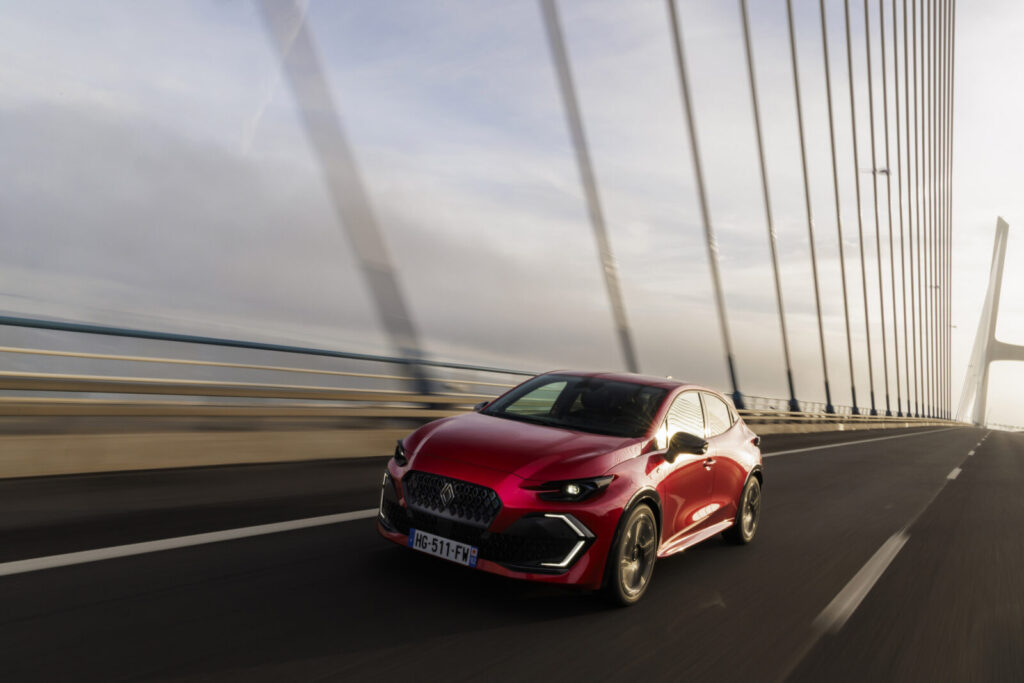
Regular preventive maintenance is the best way to avoid problems with your Renault Clio. By changing the oil every 15,000 km, you prevent timing chain stretch, oil consumption and other faults that are particularly common with the 1.2 TCe engines. Owners who consistently follow this schedule report significantly fewer engine problems. Discover how simple maintenance tasks can keep your Clio in top condition.
The Renault Clio is a popular car, but it does require attention. Many common technical issues can be prevented by not postponing maintenance. This applies to both older and newer models.
Sticking strictly to the recommended maintenance schedule saves you a lot of money and frustration in the long run. The cost of preventive maintenance does not compare with the repair costs of a stretched timing chain or an engine damaged by oil consumption.
Why regular oil changes are so important
Oil is the lifeblood of your engine. In the Renault Clio, and especially in the 1.2 TCe engines, oil quality plays an important role. Old or contaminated oil loses its lubricating properties, causing components to wear out faster.
Replace the oil every 15,000 km or at least once a year. Always use Renault-approved oil that meets the technical requirements (specifications) of your model. This prevents:
- Stretching of the timing chain due to insufficient lubrication
- Increased oil consumption due to wear on pistons and cylinders
- Blockage of oil channels due to deposits and contamination
- Engine damage due to overheating or lack of lubrication
Check the oil level regularly between services. With the TCe engines, oil consumption can occur, especially if the engine is a bit older. Topping up prevents the engine from running dry.
The official maintenance schedule for your Clio
For Clio models from 2012 onwards, Renault uses a flexible maintenance schedule with A services and B services. These services complement each other and together provide complete maintenance.
The A service includes safety and functionality checks. Hard-to-reach areas are cleaned, brakes are checked, drive shafts are inspected, lights are checked, tyres are inspected and fluids are topped up. The control units are also read to detect any fault codes.
The B service is more engine-focused and depends on the mileage. During this service, the oil and oil filter are replaced and extra attention is given to the power steering, clutch and suspension. All fluids are also topped up where necessary.
Recommended maintenance intervals in kilometres
Stick to the following intervals, adjusted to your driving style and usage:
- Every 15,000 km: Replace cabin filter, top up fluids
- Every 30,000 km: Replace air filter, cabin filter and oil filter, change oil
- Every 60,000 km: Check spark plugs and replace if necessary
- Every 240,000 km: Replace fuel pump with filter
- Every 6 years (automatic): Change automatic transmission oil to prevent slipping
Do you drive many kilometres per year or use the car intensively? Then schedule maintenance earlier. If you drive more than 12,000 km per year or make many short trips, it is advisable to shorten the intervals.
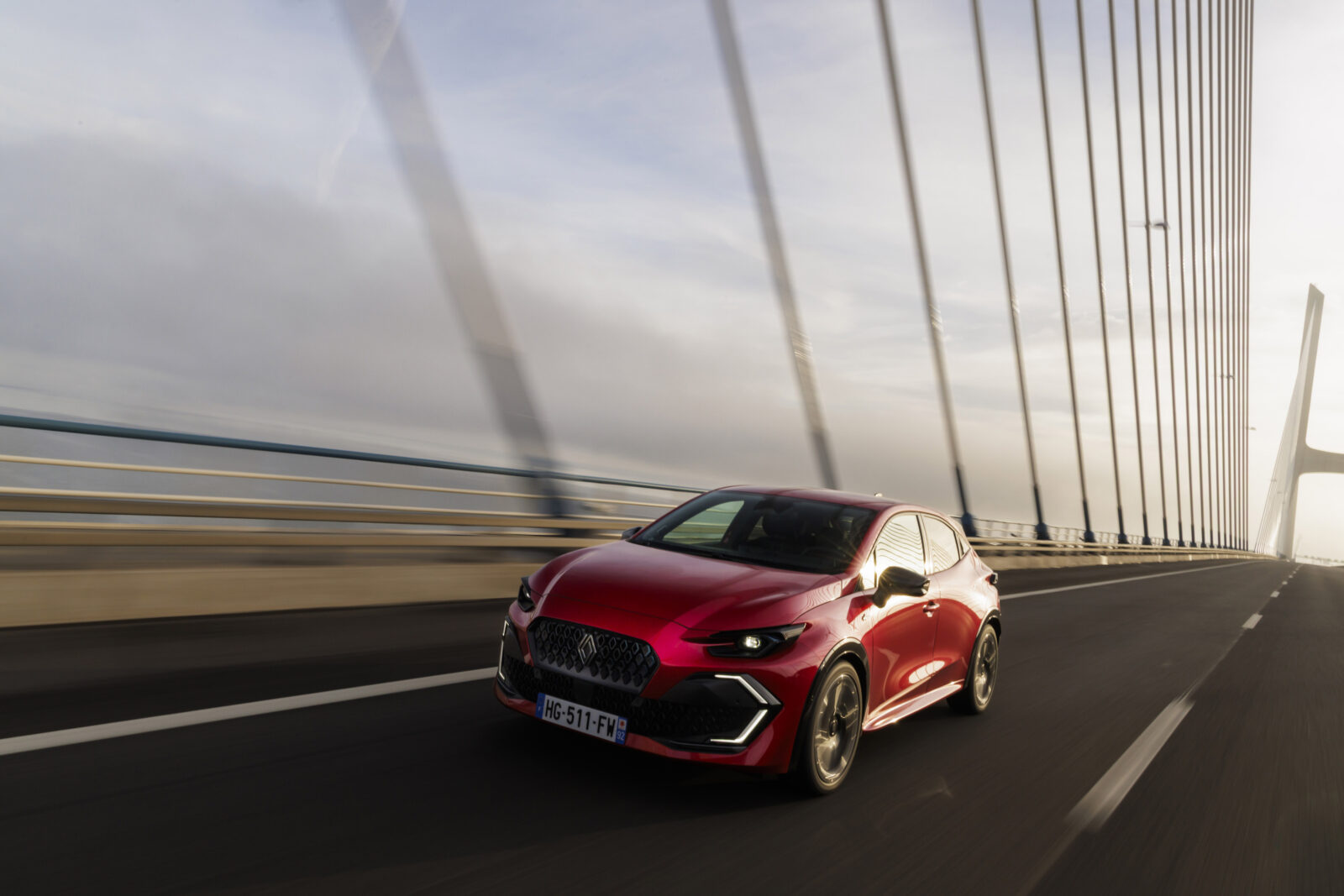
Costs of preventive maintenance
A minor service for the Renault Clio costs on average between 150 and 250 euros, depending on your choice of dealer or garage. This basic service includes an oil change, replacement of the oil filter, checking tyre pressure, topping up fluids and 33 check points.
A major service costs more, often between 300 and 500 euros. During this service, additional parts such as the air filter, spark plugs and sometimes brake fluid are replaced. Brakes, steering, suspension and drivetrain also get extensive checks.
These costs are low compared with repairs. Replacing a timing chain quickly costs between 800 and 1,500 euros. Engine damage due to oil consumption can run into several thousand euros. Preventive maintenance is therefore a sensible investment.
The timing chain requires extra attention
The timing chain is a component that regularly causes problems in the Renault Clio, especially with the 1.2 TCe engines. A stretched chain can lead to incorrect valve timing, poor performance and, in the worst case, engine damage.
Have the chain checked annually during servicing. The mechanic can use a special gauge or visual inspection to assess whether the chain is stretched. Early signs include a rattling noise when starting or an engine that runs unevenly.
Regular oil changes significantly extend the service life of the chain. Good lubrication prevents excessive wear and stretching. Always use the correct oil and replace it on time.
Practical tips for DIY maintenance
You can carry out some maintenance tasks yourself. This saves costs and gives you a better feel for the condition of your car. Do note: leave technically complex work to a professional.
Weekly checks you can do yourself
- Check the oil level with the dipstick while the engine is cold
- Check the coolant level in the expansion tank
- Inspect the brake fluid for level and colour (dark fluid needs replacing)
- Top up the screenwash with a suitable fluid
- Check tyre pressures according to the recommended values in the door opening
- Check that all the lights are working correctly
These simple checks only take a few minutes. They help you spot problems early, before they lead to a breakdown or damage.
Replacing filters for better performance
The pollen filter, also called the cabin filter, should be replaced every 15,000 km. This filter is often accessible behind the glove compartment. A dirty pollen filter reduces the air quality in the car and burdens the ventilation system.
On most Clio models, replacing the air filter is also straightforward. This filter is located in the air intake box near the engine. A clean air filter ensures better performance and lower fuel consumption. Replace it every 30,000 km, or earlier if you frequently drive in dusty conditions.

Checking brakes and suspension
Brakes and suspension are parts you cannot afford to experiment with. Have them checked annually by a reliable garage. The mechanic will then check the pad thickness, the condition of the discs and whether all components can move freely.
Brake wear depends on driving style. Aggressive braking significantly speeds up the wear of pads and discs. Short trips with lots of stopping and starting also cause more wear than long stretches on the motorway.
The suspension deserves just as much attention. Worn bushes, leaking shock absorbers or damaged bearings affect driving behaviour and safety. While driving, check whether you notice vibrations, knocking or unusual noises.
Specific points of attention for automatic models
Do you have a Clio with an automatic transmission? Then have the automatic transmission oil changed every 6 years. This prevents the gearbox from slipping and extends the service life of the system.
Automatic transmissions are more sensitive to contaminated oil than manual gearboxes. Old transmission oil loses its properties, causing gearchanges to become less smooth and components to wear faster.
Regularly check the level of the automatic transmission oil if your transmission allows this. Some models have a closed system without a dipstick. If in doubt, have a mechanic check the level.
‘ Stick with the dealer during the warranty period to retain your entitlements. ’
When you should choose the dealer
For some jobs, a Renault dealer is the best choice. Dealers have access to the full service history and can read control units using specific Renault software. This is especially important for newer models with complex electronics.
For warranty issues and technical campaigns, the dealer is often essential. Stick with the dealer during the warranty period to retain your entitlements. Once the warranty has expired, you can also go to an independent garage.
Independent garages are often cheaper and offer good service. Do choose a garage with experience of Renault models and make sure that all work is recorded correctly.
Signs that maintenance is needed
Don’t always wait until the scheduled service. Some warning signs call for immediate action. Watch out for the following:
- Warning lights on the dashboard
- Rattling noise when starting or at low revs
- Increased oil consumption or visible smoke
- Loss of power or a misfiring engine
- Leaks under the car after parking
- Abnormal noises when braking or steering
Do not ignore these signs. Early diagnosis prevents small problems from turning into major repairs. Make an appointment with the garage straight away if you notice any of these symptoms.
Discover more about your Renault Clio
Preventive maintenance keeps your Clio reliable, safe and retains its value. By changing the oil every 15,000 km and following the maintenance schedule, you prevent most problems. Check the fluids weekly and have all components inspected annually by a professional.
On the Carnews website you will find much more information about maintenance, known issues and practical tips for your Renault Clio. Discover which solutions other owners have found and stay up to date with the latest developments around your model.
Frequently asked questions
Common weak spots of the Renault Clio include wear on brakes and suspension, contaminated filters and the sensitivity of certain engines (such as the 1.2 TCe) when oil changes are delayed. By having minor and major services carried out on time, with regular replacement of oil and oil filter, you limit engine wear and faults. Periodically checking and replacing brake pads, discs, bearings and bushes prevents unsafe handling and expensive repairs. Regular checks of tyre pressure, fluids and filters ensure that many of these typical Clio issues are detected and resolved at an early stage.
The crucial thing is to follow the official maintenance schedule (A and B services) and to replace oil, oil filter, air filter and cabin filter on time to prevent engine and performance problems. Check weekly the oil level, coolant and brake fluid, screenwash and tyre pressure, and have brakes and suspension regularly inspected for wear and rust. Always use Renault-approved engine oil and observe transmission oil intervals (especially for automatics) to avoid wear and slipping. Adapt your maintenance frequency to your driving style and mileage, and have faults read out at an early stage to prevent major failures.
To avoid unexpected failures, it is wise to have the wear parts of a Renault Clio checked at least at every service, so roughly every 15,000 to 30,000 kilometres (or according to the manufacturer’s recommendations). If you drive many kilometres per year or use the car heavily (lots of city driving, towing, short trips), then have checks carried out closer to every 15,000 kilometres. In addition, it is advisable to have sensitive wear parts such as tyres and brakes visually checked in between, for example at a tyre change or at least once a year.
Early warning signs include unusual noises (squealing or grinding when braking, knocking or banging in the suspension) and warnings on the dashboard or frequent switching on of the cooling fan or engine management light. Noticeable changes in driving behaviour, such as steering wheel vibration, poor straight-line stability or a longer stopping distance, also point to upcoming maintenance. In addition, oil or coolant stains under the car, dropping fluid levels or a weaker starting engine are early clues. Loss of pulling power, higher fuel consumption or rough idling can also indicate emerging engine or ignition problems.
Regularly check the oil level, coolant, brake fluid, screenwash and tyre pressure (and tread depth) yourself. Keep the cabin and air filters clean and replace them on time, especially if you often drive in dusty or urban environments. Visually inspect the brakes (rust, condition of the discs, pad thickness) and suspension rubbers/bushes for cracks or excessive wear. Pay attention to unusual noises or vibrations while driving and have them investigated professionally at an early stage.