
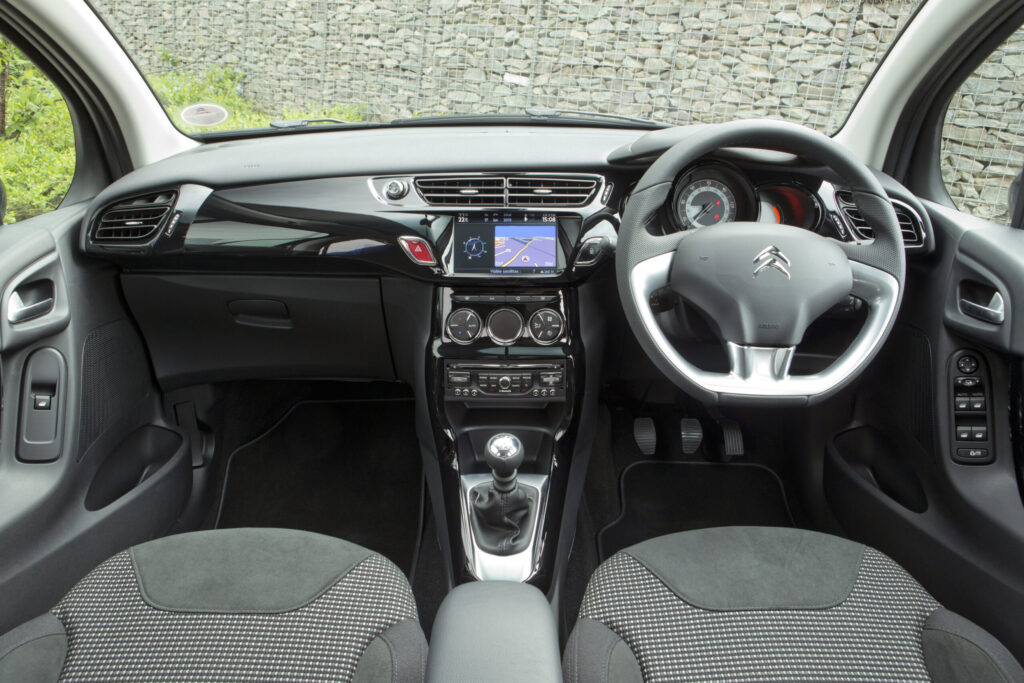
Clogged diesel particulate filters (DPF) and contaminated EGR valves (Exhaust Gas Recirculation) on the Citroën C3 Aircross diesel regularly lead to loss of power, warning lights and increased fuel consumption. Especially with lots of short trips and city driving the system cannot regenerate sufficiently, causing soot to build up more quickly. Want to know how to recognise, prevent and tackle these problems?
Why the particulate filter gets clogged
The diesel particulate filter (DPF) traps soot particles in order to reduce emissions. To keep the filter clean, the engine must regularly start a regeneration process in which the soot is burned off at a high temperature. In the Citroën C3 Aircross with BlueHDI engine (fuel-efficient diesel engine with particulate filter and AdBlue), problems arise when this regeneration happens too infrequently or is not completed properly.
This mainly occurs if you often drive short distances where the engine does not get warm for long enough. The filter then gradually fills up with soot, which obstructs flow. This creates back pressure in the exhaust system and the engine loses pulling power. In some cases the car can even go into limp mode or refuse to start.
Because of their efficiency, BlueHDI engines are more sensitive to this problem in city driving. Deferred maintenance, such as not replacing engine oil or air filters, increases the risk of faster soot build-up. A combination of urban journeys and neglected maintenance makes the problem worse.
Symptoms of a clogged particulate filter
There are various signs that indicate the DPF of your Citroën C3 Aircross is becoming clogged. The dashboard may show a warning light for the diesel particulate filter, often accompanied by an engine warning light. Both lights mean that the system needs attention.
In addition, you often notice that the car feels less powerful during acceleration. The engine responds slowly to the accelerator and during pulling away or overtaking the usual punch is missing. Fuel consumption increases noticeably because the engine has to work harder to overcome the back pressure.
Other recognisable complaints are:
- Black smoke when accelerating
- Irregular idle speed
- Vibrations or juddering while driving
- Louder engine noise due to increased back pressure
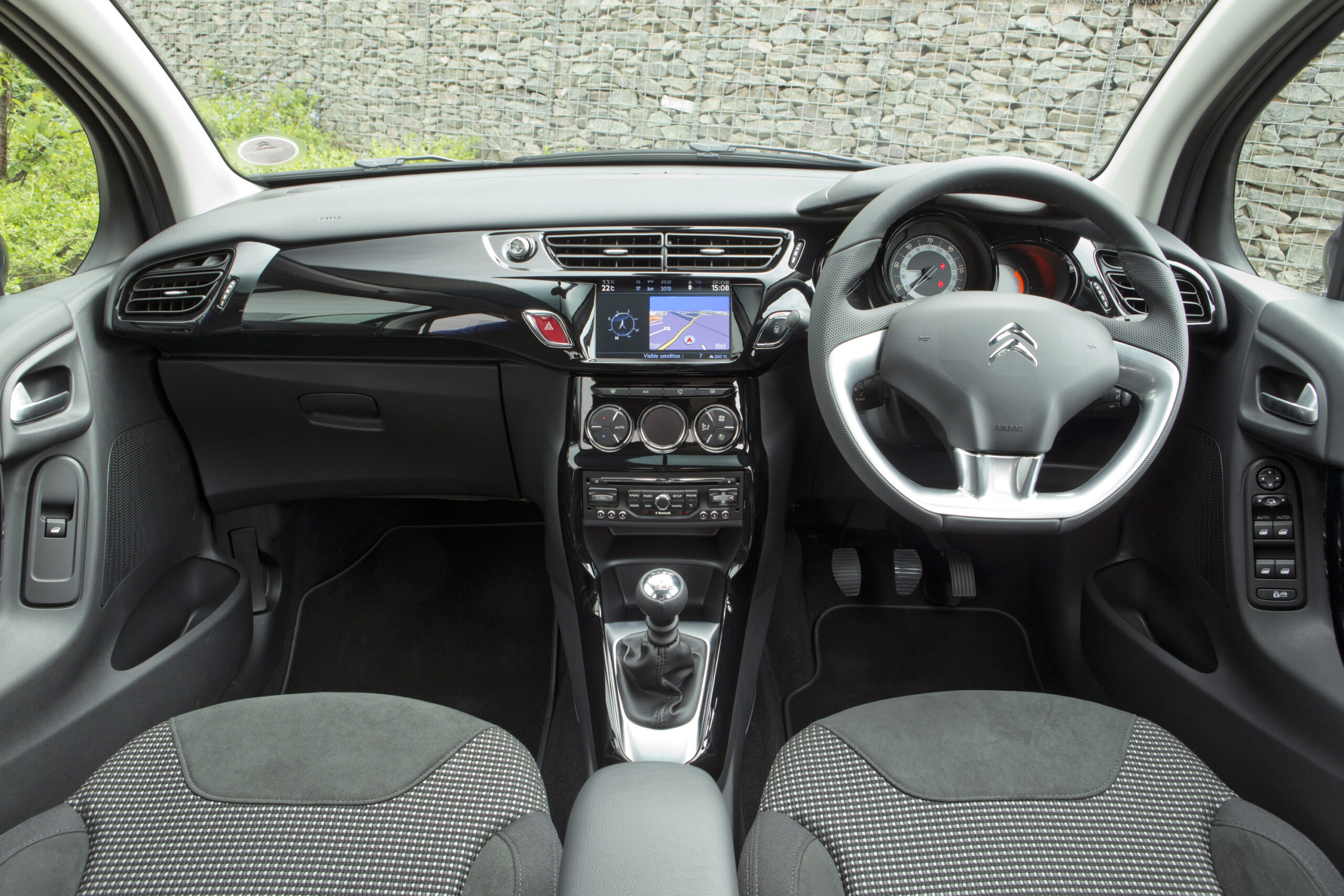
The role of the EGR valve
The EGR valve (Exhaust Gas Recirculation) routes part of the exhaust gases back to the engine to reduce nitrogen oxide emissions. In the Citroën C3 Aircross diesel this valve can become contaminated with soot and carbon deposits. This happens more quickly with a lot of short city journeys and low engine temperatures.
A contaminated EGR valve leads to hesitant acceleration, poor idling and sometimes stalling of the engine. The problem is often made worse because contamination in the EGR sends more soot to the intake, which in turn causes the DPF to fill up faster. DPF and EGR problems therefore reinforce each other.
Owners report that the irregular running is especially noticeable on cold starts and in the morning. The engine may hesitate while idling or feel jerky at low speed. These are clear indications that the EGR valve needs attention.
What to do when a DPF warning appears
When the DPF warning light comes on, it is important to act quickly. Immediately drive a longer journey on the motorway so that the engine gets fully warm and under load. This can start the regeneration process and burn off the soot.
Maintain a speed of at least 80 kilometres per hour for 15 to 30 minutes. Choose a lower gear than usual so that the engine speed is higher. This increases the exhaust temperature and promotes regeneration. If the light remains on after this trip, a professional diagnosis is needed.
Do not let the problem continue by only clearing the fault code. Without tackling the underlying cause, the warning will soon return and further damage can occur. A diagnosis with live data and fault codes will show whether it is a case of contamination, sensor issues or actual filter damage.
‘ If the EGR valve turns out to be too badly affected or mechanically defective, replacement is unavoidable. ’
Repairing EGR problems on the C3 Aircross
With EGR problems, cleaning is often the first step. A specialist can remove the valve and clean it mechanically to remove carbon deposits. This is significantly cheaper than replacement and in many cases solves the problem.
In some cases, removal of intake components is necessary because access is limited on compact PSA diesel engines. The procedure requires some technical knowledge, but can be carried out within a few hours. After cleaning, the valve operates smoothly again and throttle response improves immediately.
If the EGR valve turns out to be too badly affected or mechanically defective, replacement is unavoidable. A new valve fully restores correct operation. It is sensible to check the intake manifold and any hoses for contamination at the same time, because any remaining soot deposits can quickly contaminate the new valve again.
Costs of DPF and EGR repairs
The costs vary widely depending on the nature of the problem. A professional DPF cleaning or forced regeneration costs from a few tens to several hundred euros. This is often sufficient when the filter is not yet too badly damaged.
If the diesel particulate filter has to be replaced, you are faced with considerably higher costs. A new DPF including fitting can run into the thousands of euros. The price depends on the engine variant and the labour time required.
EGR cleaning is generally more affordable than replacement. Cleaning costs a few hundred euros, while a new EGR valve including fitting can cost between five hundred and a thousand euros. Early diagnosis and timely intervention prevent you from being hit with the highest bill.
Prevent problems by adapting your driving style
You can prevent many DPF and EGR problems by adjusting your driving style. Regularly make longer trips where the engine reaches full operating temperature and is under load. This gives the system the opportunity to regenerate properly.
Avoid only ever driving short distances in town. If you mainly use the Citroën C3 Aircross for short urban journeys, consider a weekly longer motorway trip of at least 20 kilometres. This helps keep the exhaust temperature up and limits soot build-up.
Also follow the maintenance schedule strictly. Have engine oil and filters replaced on time in line with the manufacturer’s guidelines. Clean oil and a properly functioning air filter reduce soot production and keep the exhaust system clean for longer.
‘ DPF and EGR problems can be symptoms of a broader technical issue that goes beyond just the exhaust system. ’
Importance of a good maintenance history
A fully documented maintenance history is valuable when it comes to preventing and resolving DPF and EGR problems. Deferred services increase the likelihood of contamination and faults. Regular maintenance ensures that small problems are detected in time before they escalate.
When buying a used Citroën C3 Aircross diesel, the maintenance history is an important check. Make sure all services have been carried out according to schedule and look for any previous DPF or EGR warnings. This gives you an idea of how the previous owner treated the car.
If problems keep recurring, do not just have the filter or valve checked. Also investigate sensors, the thermostat, the injection system and any turbo issues. DPF and EGR problems can be symptoms of a broader technical issue that goes beyond just the exhaust system.
Practical tips for C3 Aircross owners
Recognise the signs early and respond straight away. Ignoring or delaying a warning light often leads to more expensive repairs. When the first warning appears, schedule a diagnosis to determine the cause. This saves money and prevents further damage to engine and exhaust system.
Combine diagnosis with a thorough check of the entire emissions control system. In addition to DPF and EGR, have the turbo, sensors and injection system checked as well. Contamination and issues in one component can affect other components.
A few useful points to bear in mind:
- Drive at least one longer journey at higher speed each week
- Have maintenance schedules followed strictly
- Do not ignore warning lights and do not clear fault codes without fixing the cause
- When buying, check the maintenance history and ask about any previous DPF or EGR issues
- Consider a different powertrain if you mainly drive in the city
On the Carnews website you will find much more information about common problems with various car makes and models. Discover practical tips, maintenance advice and experiences from other owners to get the best out of your car.
Frequently asked questions
Regularly driving longer trips where the engine reaches full operating temperature (ideally several tens of kilometres at motorway speed) helps DPF regeneration to complete properly. Avoid mainly short city journeys and driving in very low revs “labouring” the engine, as this strongly promotes soot build-up in DPF and EGR. Keep up with maintenance strictly according to the manufacturer’s schedule, including timely oil and filter changes, and have fault codes read immediately if warning lights appear instead of continuing to drive. In case of repeated warnings, have the entire intake and exhaust system (DPF, EGR, sensors, thermostat, injection) checked so that the underlying cause is addressed.
With early DPF problems on your C3 Aircross you often notice that the engine warning or DPF light occasionally comes on, the car accelerates a bit less eagerly and fuel consumption increases, especially after many short trips. Initial EGR complaints show up more as irregular idling, slight juddering or hesitation when accelerating and sometimes a somewhat restless engine without a clear loss of power. Black smoke during hard acceleration, combined with loss of power or a warning light, can indicate the start of a blockage or disturbance in the DPF/EGR area. At these early signs, have fault codes read and regularly take a longer trip at motorway speed so that DPF regeneration can be completed.
The most common causes of DPF faults in the Citroën C3 Aircross diesel are clogging due to many short journeys, an engine that does not get warm enough and delayed servicing, meaning regeneration does not take place properly. EGR faults mainly arise from soot and carbon deposits in the valve and intake, again often worsened by city driving and dirty combustion. DPF and EGR influence each other: a contaminated EGR increases soot production, which puts extra strain on the DPF. Sources do not identify very specific, individual model years as clearly more susceptible; the risk is mainly linked to usage patterns and maintenance condition.
With DPF problems, a forced regeneration or professional DPF cleaning (from a few tens to several hundred euros) is usually the first step; only in the case of severe clogging or damage is the filter replaced, which can rise to (well) over a thousand euros. These cleaning options are generally effective as long as the filter is still structurally sound and the underlying cause (driving style, sensors, thermostat, injection) is tackled. With EGR problems the valve is often cleaned first; if that does not help or the valve is mechanically defective, it is replaced, which usually costs a few hundred to well over a thousand euros depending on type and labour hours. Cleaning is often temporarily effective when contamination is the main issue, while replacement is more expensive but more permanent when the EGR valve is really worn or jammed.
It is usually not worthwhile to have the EGR valve or DPF completely cleaned preventively if there are no complaints, fault codes or warnings. However, if you do a lot of short trips and city driving, it is sensible to be extra alert to symptoms (loss of power, warning lights, irregular running) and then have things checked quickly. A forced DPF regeneration is mainly recommended if the system indicates that the filter is becoming clogged or the automatic regeneration is often not completed. A preventive approach mainly lies in regularly driving longer trips and following the maintenance schedule, rather than dismantling or forcing regeneration without any indication.