
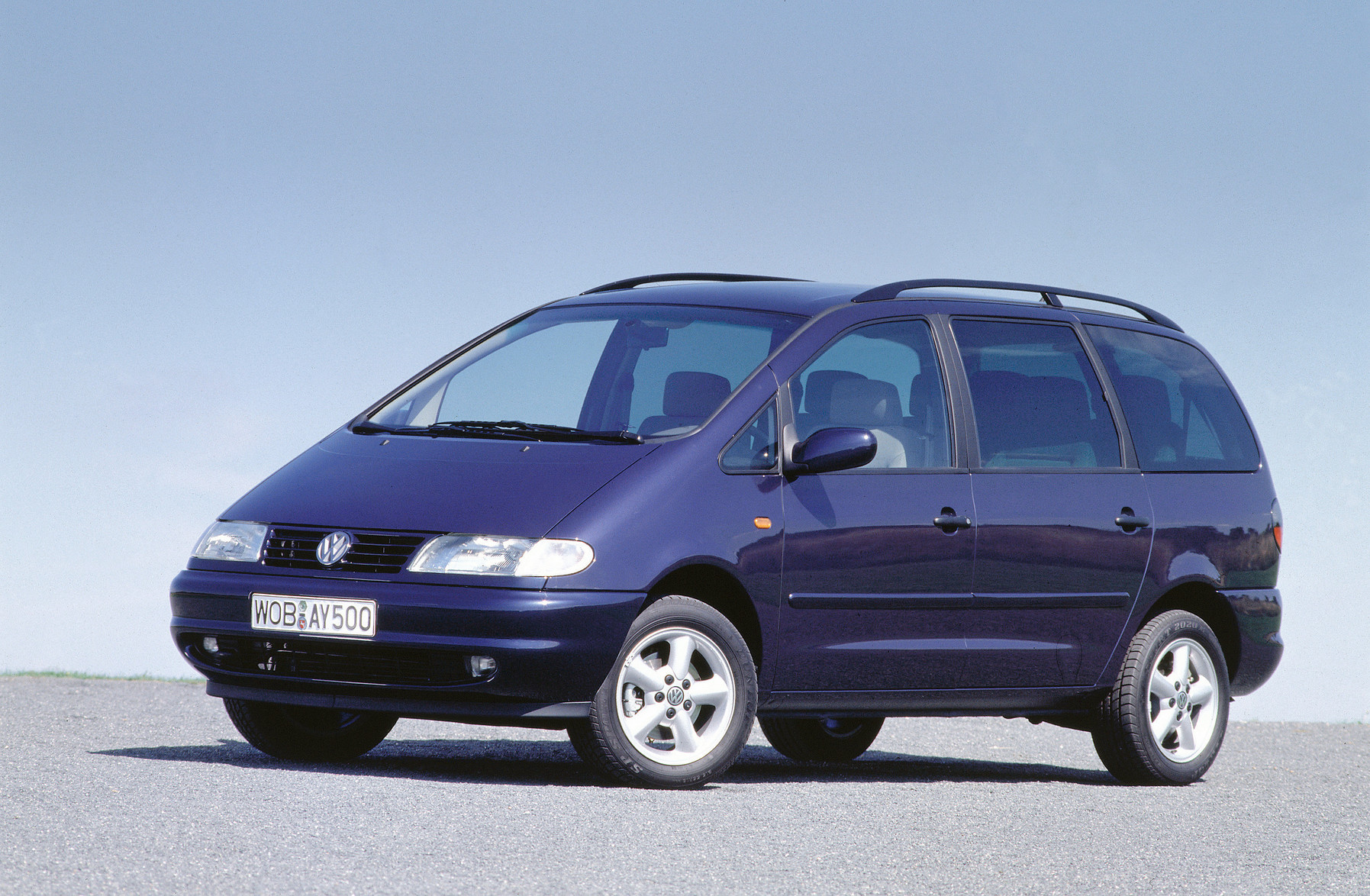
The diesel particulate filter of the VW Sharan regularly gets clogged due to soot build-up, which leads to warning lights, loss of power and doubled fuel consumption. This problem occurs mainly with Sharan models with the 2.0 TDI engine that are mainly used for short trips. Want to know how to prevent and solve this?
Recognising a clogged diesel particulate filter (DPF)
A clogged diesel particulate filter gives off clear signals. The DPF light on your dashboard flashes or stays on. Often the engine warning light appears at the same time. You notice a loss of power while driving, while black smoke comes from the exhaust and a strong diesel smell is noticeable.
Fuel consumption can double, even after long motorway journeys. In serious cases, the Volkswagen Sharan switches to an emergency programme. This is also called limp mode. The car then automatically limits speed and performance. A high pressure reading between 200 and 400 hectopascals (hPa) on the motorway points to a clogged filter.
‘ The diesel particulate filter system (DPF system) in VW diesels is known for persistent problems due to its design. ’
Why the diesel particulate filter gets clogged
The filter gets clogged when the self-cleaning process is not completed. This process is called regeneration. On short journeys the engine does not reach operating temperature and the soot is not burned off. The soot then builds up faster than it is removed.
A faulty pressure sensor disrupts the pressure measurement and blocks regeneration. Faulty EGR valves can also cause this problem. The diesel particulate filter system (DPF system) in VW diesels is known for persistent problems due to its design. Fault codes such as P2002 or P401 indicate a clogged filter or related components.
How to force a regeneration yourself
As soon as the DPF light comes on, you can take action yourself. Drive constantly on the motorway for 10 to 20 minutes at a minimum of 60 kilometres per hour. Ideally you drive at 120 kilometres per hour. This speed brings the exhaust gases to the right temperature to burn off the soot.
Repeat this if necessary, but do not ignore the light. This prevents the car from switching to an emergency programme. First check whether there are any engine faults or overdue maintenance. These block the regeneration process. Solve these first before forcing a regeneration.
When you need professional help
If the light stays on after several motorway journeys, professional help is needed. A garage can carry out a forced regeneration via diagnostic equipment (equipment for reading fault codes). This method is more effective than driving yourself when the filter is already heavily clogged.
Have the pressure sensor checked if problems persist. This sensor fails regularly and then has to be replaced. This often happens in combination with a professional DPF cleaning. Preferably choose diesel specialists or mobile technicians. They often offer affordable cleaning without dismantling the entire system.
‘ Weigh up this option against the value and remaining life of your Sharan. ’
Cleaning or replacing the diesel particulate filter (DPF)
Cleaning is the first option for a clogged filter. This can be done professionally without the filter having to be replaced. The costs of cleaning are lower than for complete replacement. Some specialists offer a mobile service, which is practical and cost-saving.
Replacement is necessary when the filter is irreparably damaged. This occurs after long-term neglect or several failed regeneration attempts. The cost of a new filter is considerably higher. Weigh up this option against the value and remaining life of your Sharan.
Prevent problems with the diesel particulate filter (DPF) with these tips
Plan regular longer journeys to enable passive regeneration (automatic self-cleaning of the filter while driving). Avoid mainly short city journeys if you own a diesel. Use quality fuel that causes less soot build-up. Regular maintenance helps prevent problems.
Pay attention to oil changes. Use engine oil with a low ash specification (low-SAPS oil, with few ash residues). The wrong oil can accelerate soot build-up. The DPF light (diesel particulate filter warning light) at 45 per cent soot loading is a signal to take action. Do not wait until the filter is 100 per cent full and the car switches to an emergency programme.
Experiences of Sharan owners
Owners report that the light sometimes stays on after 200 kilometres on the motorway. Soot build-up then progresses faster than regeneration. High pressure remains measurable despite repeated attempts. This points to a heavily clogged filter that requires professional cleaning.
Some owners report problems with the DPF sensor (pressure sensor at the diesel particulate filter). After replacing the sensor and cleaning the filter, the car works normally again. This prevents more expensive damage to other engine components. Black smoke and loss of power disappear after this intervention.
Sharan models with diesel engines regularly go into limp mode in case of severe clogging. Cleaning often solves this. It is costly, but cheaper than replacing the complete filter. Preventive maintenance and conscious driving habits help avoid this situation.
‘ Always choose legal solutions. ’
Be careful with extreme solutions
Some owners consider removing the DPF filter. This is not legal in the Netherlands and can lead to fines. You will also have problems at the periodic vehicle inspection (APK). The car will then fail the test. This solution solves the problem temporarily, but brings legal and financial risks.
Always choose legal solutions. Professional cleaning or replacement remain the best options. If in doubt, consult a garage for a diagnosis. That way you know exactly what the cause is and which solution suits your situation.

Discover more about your Volkswagen
Problems with the diesel particulate filter are not the only issues Sharan owners face. On the Carnews website you will find extensive overviews of known failures of turbochargers and EGR valves, practical advice on extending the life of your diesel engine, and experiences of other owners with garages and mobile specialists. Discover what other owners experience and which preventive measures you can take to avoid expensive repairs.
Frequently asked questions
Typical DPF fault symptoms on a VW Sharan are an illuminated or flashing DPF light (often together with the engine warning light), noticeable loss of power, higher fuel consumption, sometimes black smoke and a strong diesel smell. As the fault gets worse, the car can go into limp mode, with limited speed and poor acceleration. You can roughly assess the seriousness by the driving behaviour (normal → loss of power → limp mode) and how quickly the light returns after a longer motorway run in which you try to force regeneration. If the light stays on or comes back after such a journey, or you experience limp mode, then the fault is serious and an immediate diagnosis by a specialist is needed.
Many short journeys, cold starts and mainly city traffic increase the risk of DPF problems, because the engine and exhaust do not stay warm long enough for a complete regeneration. Driving at low revs and frequently interrupting journeys as soon as the DPF light comes on also prevents the filter from burning itself clean. You can prevent this by regularly making longer motorway journeys (10–20 minutes at a constant higher speed and engine speed), filling up with good quality fuel and fixing engine faults in good time so that regeneration is not blocked. Do not ignore a DPF warning, but immediately plan such a longer trip or have a forced regeneration/check carried out by a specialist.
The most effective methods are: a forced regeneration via diagnostic equipment (often €100–€250), a professional DPF cleaning with removal (about €250–€450) or complete replacement of the DPF filter (usually €900–€1,800 depending on brand and workshop). Forced regeneration and cleaning can often extend the life of the existing filter up to a total of around 180,000–250,000 km, provided mainly longer trips are driven afterwards. Replacement with a new original DPF generally gives a comparable factory service life again (around 200,000 km or more, depending on use). In case of persistent faults, the pressure sensor and EGR system must also be checked and replaced if necessary to prevent renewed clogging.
Yes, in addition to regularly allowing regenerations to complete, there are extra maintenance tips. Always use good quality diesel fuel and oil with the correct (low-ash) specification to limit additional soot and ash formation. Avoid, as far as possible, only short city trips and regularly plan longer motorway journeys so that the filter can regenerate passively. If you have complaints, also have the pressure sensor and EGR system checked in good time, because defects in these can block regeneration and cause the DPF to clog prematurely.