

A faulty thermostat or incorrect temperature reading disrupts your engine’s temperature management. The engine then stays too cold or overheats. This causes higher fuel costs, more wear and, in serious cases, even engine damage. Many car enthusiasts only notice these problems when the heater gives poor warmth or the temperature gauge behaves strangely. Discover what the warning signs are, how to carry out an initial check yourself and when professional help is essential.
How to know if your thermostat is broken
The thermostat controls the flow of coolant through the engine and directly affects the operating temperature. When it fails, this valve often gets stuck. It can be stuck open. It can also be stuck closed. A thermostat that stays open lets coolant circulate constantly, so the engine barely warms up or warms up very slowly. A thermostat that stays closed blocks circulation and causes overheating.
You can recognise this problem by the following symptoms:
- The engine still has not reached normal operating temperature after 10 to 15 minutes of driving
- The temperature gauge stays low, even on a longer journey
- The heater in the cabin only blows lukewarm air because the engine stays too cold
- The engine warms up too quickly and the temperature gauge rises towards the red zone
- The temperature gauge fluctuates or jumps illogically between values
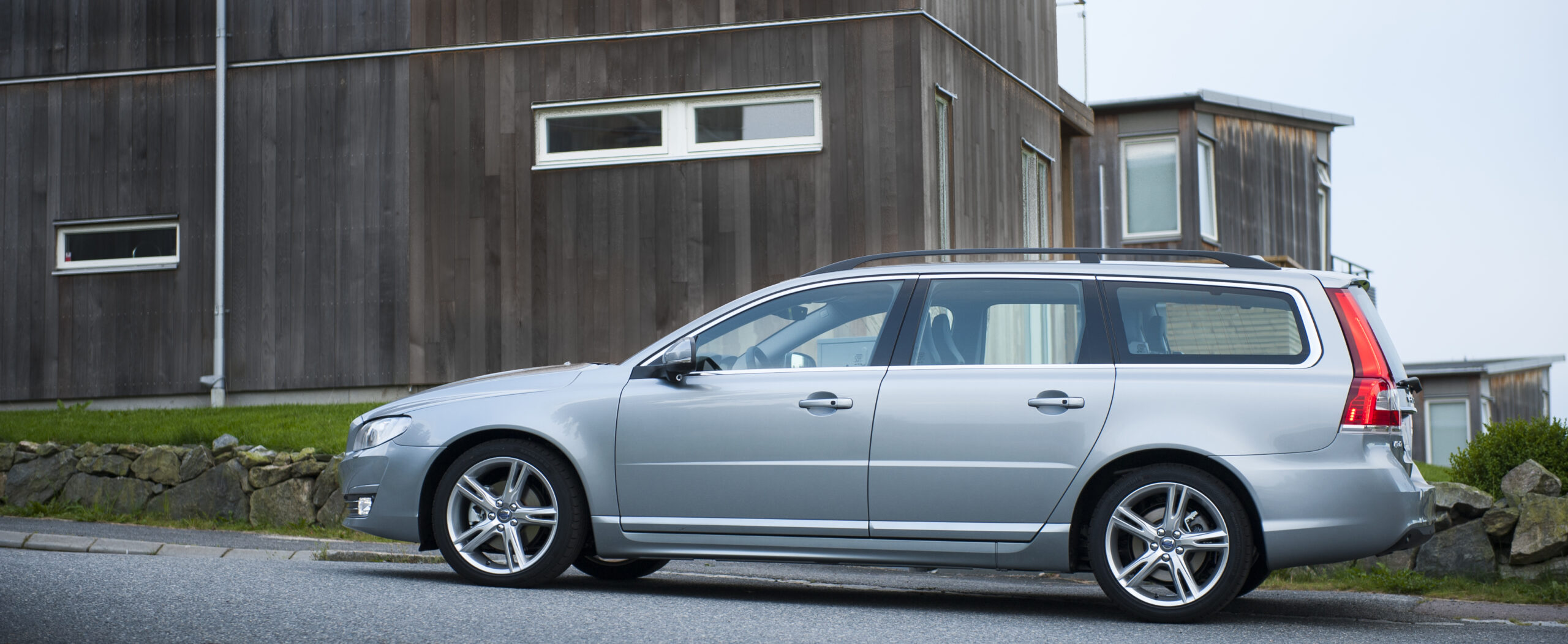
On models such as the Volvo V70, thermostat problems are regularly reported, especially on older examples. A simple first check is to observe how the engine warms up. Start the engine cold. Then pay attention to how long it takes for the temperature gauge to reach its normal position. If this takes longer than 15 minutes, the thermostat may be stuck open.
What are the symptoms of thermostat failure
Thermostat problems often give several signals at once. The most common symptom is an engine that comes up to temperature slowly or not at all. This noticeably increases fuel consumption because the engine runs longer in an inefficient cold phase. At the same time, the cabin heating works poorly, which is particularly noticeable in winter.
Other observable symptoms:
- Coolant leakage around the thermostat housing, often caused by ageing gaskets
- Irregular temperature readings on the dashboard
- The engine runs more roughly on a cold start and takes longer to run smoothly
- Increased emissions due to incomplete combustion in a cold engine
- When idling or at low revs, the temperature suddenly rises, indicating reduced coolant circulation
In addition to a faulty thermostat, incorrect temperature sensors cause the same symptoms. The sensor measures the temperature of the coolant and sends this information to the engine control unit and the dashboard. If the sensor is defective, you get incorrect readings, while the thermostat itself may still be working correctly. This makes diagnosis difficult without targeted checks.

How much does thermostat repair cost
The cost of replacing a thermostat varies greatly by model and workshop. For a standard passenger car, garages usually charge between 150 and 350 euros, including labour and coolant. The part itself costs between 30 and 100 euros, depending on make and type. Premium brands with more complex cooling systems often require more expensive parts and longer labour time.
Additional costs may arise when the temperature sensor, housing or hoses also need replacing. If the thermostat housing is leaking, gasket replacement is essential. This costs an extra 20 to 50 euros. Draining and refilling the cooling system with fresh coolant adds around 30 to 60 euros to the bill.
When replacing, always opt for original parts or high-quality alternatives that meet the manufacturer’s specifications. Cheap replacements may fail sooner or have different opening temperatures, affecting engine performance. For more complex repairs where several components are replaced at once, the total investment can rise to 500 euros or more.
How long do thermostats last
A thermostat has no fixed replacement interval but typically lasts between 80,000 and 150,000 kilometres. Service life depends on driving style, maintenance history and the quality of the coolant. Change the coolant regularly according to the manufacturer’s service schedule. This extends the life of the thermostat and other parts of the cooling system.
Factors that cause premature wear:
- Contaminated or old coolant with corrosive properties
- Frequent starting and stopping in urban traffic
- Heavy loads from towing trailers or driving in mountainous areas
- Poor quality coolant or coolant that does not meet the correct specifications
- Leaks in the system that cause air pockets
For cars older than ten years or with more than 120,000 kilometres on the clock, a preventive check of the cooling system is sensible. Many garages carry out this check during routine servicing. If you are unsure about the condition of the thermostat, request a visual inspection and, if necessary, a test drive. The mechanic will then observe how the temperature develops.
Can a faulty thermostat cause engine damage
Yes, a thermostat that remains stuck closed is a direct danger to the engine. Without coolant circulation, the temperature rises quickly and the engine can overheat. This can damage the cylinder head, head gasket and, in extreme cases, even crack the engine block. Never keep driving when the temperature gauge enters the red zone.
A thermostat that remains stuck open causes less acute damage but still increases wear. The engine constantly runs below optimal operating temperature, so combustion is less efficient. This results in higher emissions and increased fuel consumption. Deposits also build up in the engine. In the long term, valves, pistons and bearings wear out faster due to the suboptimal operating conditions.
Additional risks:
- Damaged cylinder head due to extreme heat when overheating
- Blown head gasket, allowing coolant to leak into the combustion chamber
- Warped engine components due to uneven expansion
- Increased oil consumption and dilution of lubricating oil
- Catalytic converter failure due to incomplete combustion at too low a temperature
Stop driving immediately at signs of overheating. Steam may come from under the bonnet. The temperature gauge may rise suddenly. You may also notice strange smells. Turn the heater to maximum to remove extra heat and let the engine cool down before driving on or calling for assistance.
Practical check tips for temperature problems
Regularly carry out simple checks to detect temperature problems at an early stage. Filling up your car? Then check the coolant level in the expansion tank. The level should be between the minimum and maximum markings when the engine is cold. If the level drops regularly, there is probably a leak in the system.
While driving, keep an eye on how the temperature gauge behaves. After 10 to 15 minutes of driving it should reach a stable position and stay there, whether you are driving in town or on the motorway. Fluctuations indicate problems with the thermostat or sensor. Issues with coolant circulation can also cause fluctuations.
Visually check for leaks under the car and around hoses, the radiator and thermostat housing. Coolant is often a distinctive colour such as green, pink or orange and leaves visible stains. Do you smell a sweet odour in the cabin? Do you see condensation on the windscreen? This may indicate a leak in the heater matrix.
When you should go to the garage
Some temperature problems require immediate professional diagnosis. Go to the garage if the engine overheats, the temperature gauge shows illogical values or the heater continues to perform poorly despite normal temperature readings. Repeated loss of coolant without a visible cause also calls for a thorough inspection.
Modern cars often display fault codes. Sensors measure abnormal values. Have these codes read at the garage, as they indicate exactly which component is not functioning correctly. This prevents unnecessary replacement of parts that are still working properly. On older models without extensive electronics, experience with the specific model is valuable for a quick diagnosis.
When repairing, ask for original parts. High-quality alternatives with the correct specifications are also suitable. The thermostat’s opening temperature must match the factory specification exactly, usually between 80 and 95 degrees Celsius. Thermostats with different settings affect engine performance and can cause faults in modern engine management systems.
‘ Your car has many more areas that need attention. ’
Discover more about car problems on Carnews
Temperature control is just one aspect of car maintenance. Your car has many more areas that need attention. On the Carnews website you will find extensive information on common problems, maintenance tips and practical advice for different makes and models. Discover more about how to keep your car in top condition and which warning signs you should never ignore.
Frequently asked questions
Watch for unusual temperature deviations on your dashboard, such as an engine that warms up very slowly or quickly approaches the red zone. Regularly check the coolant level and look for leaks, white deposits or damp spots around hoses, radiator and thermostat housing. Signs such as a poorly functioning interior heater, an unstable temperature gauge or bubbling noises under the bonnet indicate that the cooling system is not working properly. Stop driving immediately and have the system checked if the engine overheats, to prevent serious engine damage.
The most common causes of temperature control problems are a faulty or sticking thermostat, issues with coolant circulation (e.g. water pump, air in the system, leakage) and incorrect temperature readings due to sensors or wiring. As a result, the engine may remain too cold or overheat, leading to increased wear, higher fuel consumption and loss of power. Driving for long periods with too high or strongly fluctuating engine temperature increases the risk of damage to the head gasket, cylinder head and other vital components. This directly shortens the engine’s service life and can ultimately lead to an expensive overhaul or engine replacement.
You can check the coolant level yourself, look for leaks and, during a 10–15 minute drive, observe whether the engine reaches normal temperature and whether the temperature gauge remains stable. If the engine clearly stays too cold or warms up quickly towards the red, the thermostat may be defective and you can (with the right basic knowledge and tools) open the thermostat housing and replace the thermostat following a workshop manual or instruction video. Go straight to a garage if the engine overheats, the temperature gauge fluctuates strongly or there is visible coolant leakage. If you are unsure about the cause or lack mechanical experience, it is wiser to involve a garage.
Regularly inspect coolant level, quality and hoses/radiator for leaks, discolouration or corrosion, and change the coolant according to schedule (or more often for motorsport). Make sure the radiator and intercooler are clean and free from dirt, leaves and stone chips, and check that the fan(s) switch on in good time. Have the thermostat and temperature sensor tested or replaced periodically if the engine warms up too slowly or too quickly, or if the gauge is unstable. For intensive use or track work, it is advisable to fit a larger-capacity radiator, improved ducting and possibly an oil cooler, and always allow the engine to cool down gently after heavy driving.
Yes, there are different types of thermostats, tailored to specific car models, engine variants and desired operating temperature or performance requirements (for example standard, “low temp” or performance thermostats). When choosing a replacement part, it is important to pay attention to OEM specifications, opening temperature, fit and compatibility with the cooling system and engine management. For an upgrade, your driving style, load (e.g. towing or sporty driving), tuning and the general condition of the cooling system also play a role, so that the engine does not run structurally too cold or too hot. Prefer quality brands and, if necessary, also replace the housing, gaskets and coolant to prevent leaks and unstable temperature control.