
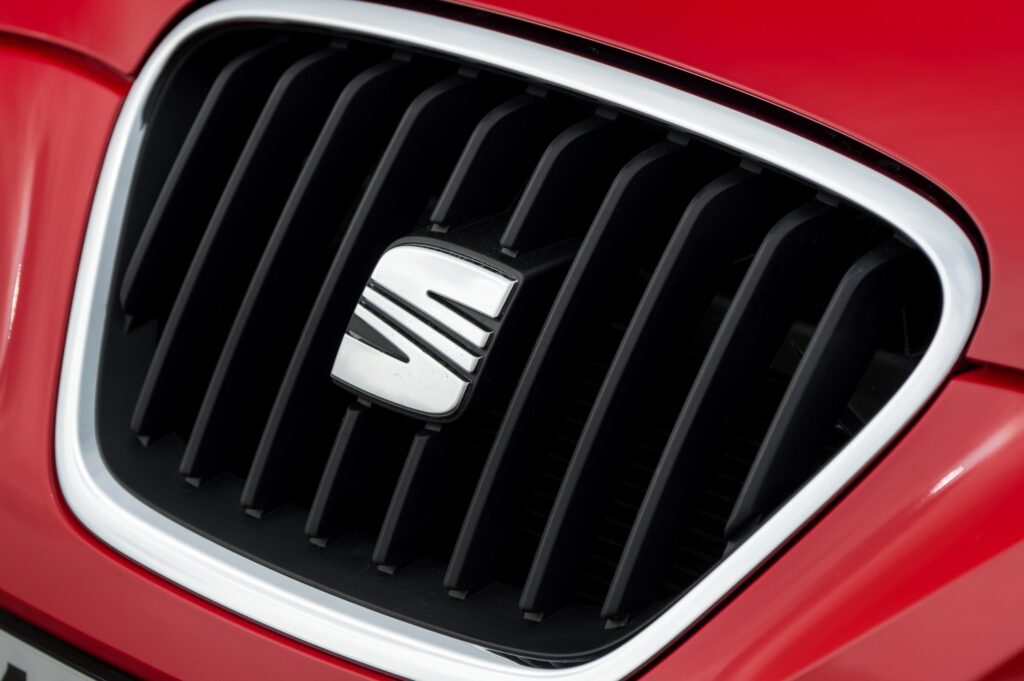
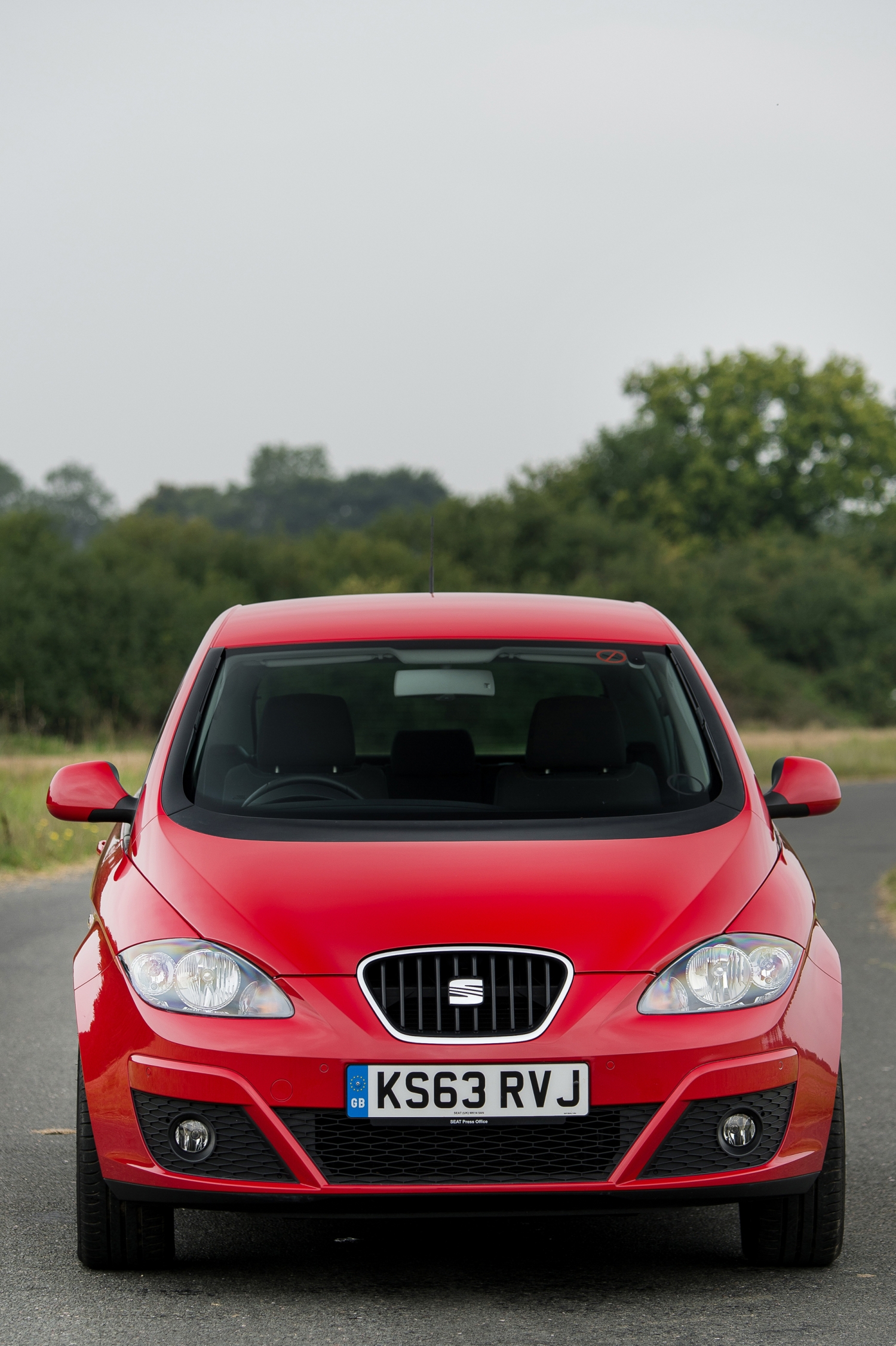
A thorough inspection before you buy a used Seat Altea prevents expensive repairs later on. The Seat Altea is a practical compact MPV with a spacious interior, but it has specific points to watch, such as turbo issues, transmission faults, water leaks and electronic malfunctions. By checking these vulnerable components in a targeted way, you can avoid costly surprises after purchase.
This checklist helps you identify potential problems before you sign on the dotted line. Whether you carry out an inspection yourself or have a technical inspection done, the following points deserve extra attention. The Seat Altea has well-known weak spots that must be carefully checked when buying one.
Administrative checks beforehand
Start with a registration check before you go to view the car. This will show you the number of previous owners, any accident history and whether the mileage logically matches the age of the vehicle. You can also see whether any damage claims have been recorded.
On site, check that the registration document matches the car and that the seller is actually the owner. The MOT inspection report must be available and recently dated. Pay attention to the details: chassis number and paint codes must correspond with the paperwork.
The service book is particularly important for the Altea. A regularly serviced example indicates careful ownership. Check whether the mandatory services have been carried out according to the manufacturer’s requirements, with special attention to the timing belt and clutch. Ask where the maintenance was done and whether major work is documented.
‘ Black or thick oil indicates overdue maintenance. ’
Critical points for engine and drivetrain
The turbo deserves extra attention on the Altea. Start the engine from cold and listen for unusual whistling or squealing noises. These can indicate turbo damage. During the test drive, check that the turbo comes in smoothly without hesitation or smoke coming from the exhaust.
Test the gearbox thoroughly while driving. In manual versions, the clutch should feel smooth without slipping or juddering. Gears should engage without force. In automatics, watch out for jolts during gear changes or a delayed response to accelerator input.
Open the bonnet and check all fluid levels. The engine oil should be between minimum and maximum and have a clear colour. Black or thick oil indicates overdue maintenance. Also check coolant and brake fluid for correct levels and colour. Inspect all hoses for cracks or weakness and look for oil leaks under the engine.
How to spot water leaks
Water leaks are a known problem on the Seat Altea. Start your inspection in the interior by lifting all the floor mats. Damp spots, musty smells or water residue indicate leaks. The boot must also be dry, including the space under the boot floor where the spare wheel is kept.
Check the headlining for loose sections or stains that indicate moisture ingress. Pay particular attention to areas around window frames and door seals. Condensation on the inside of the windows can also point to a leak problem.
From the outside, lift the rubber trim around the doors and windows. Moisture often collects here if the sealing is defective. Check the drain holes in the doors and wheel arches; these sometimes become blocked so water cannot drain away and ends up in the interior.
Windscreen and demisting system
Test the windscreen demisting system by turning the heater to the highest setting. The windscreen should clear of condensation completely within a few minutes. Slow or uneven demisting can indicate a defective system, which can be expensive to repair.
Inspect the windscreen itself for stone chips or cracks, especially in the driver’s field of vision. Even small chips can spread and cause MOT issues.
Thoroughly testing suspension and chassis
Check the suspension by pushing down on each corner of the car. The car should return smoothly without bouncing. Excessive bouncing indicates worn shock absorbers.
During the test drive, deliberately drive over different road surfaces. Pay attention to speed bumps, traffic humps and uneven roads. Knocking sounds, thumps or squeaks can indicate worn bushes, ball joints in the steering components or other suspension parts.
Test whether the car continues to drive in a straight line without you having to constantly correct the steering. Pulling to the left or right indicates alignment issues or worn components. Also check whether the steering wheel vibrates while driving, which may indicate wheel imbalance or problems with the suspension.
Wheels and tyres
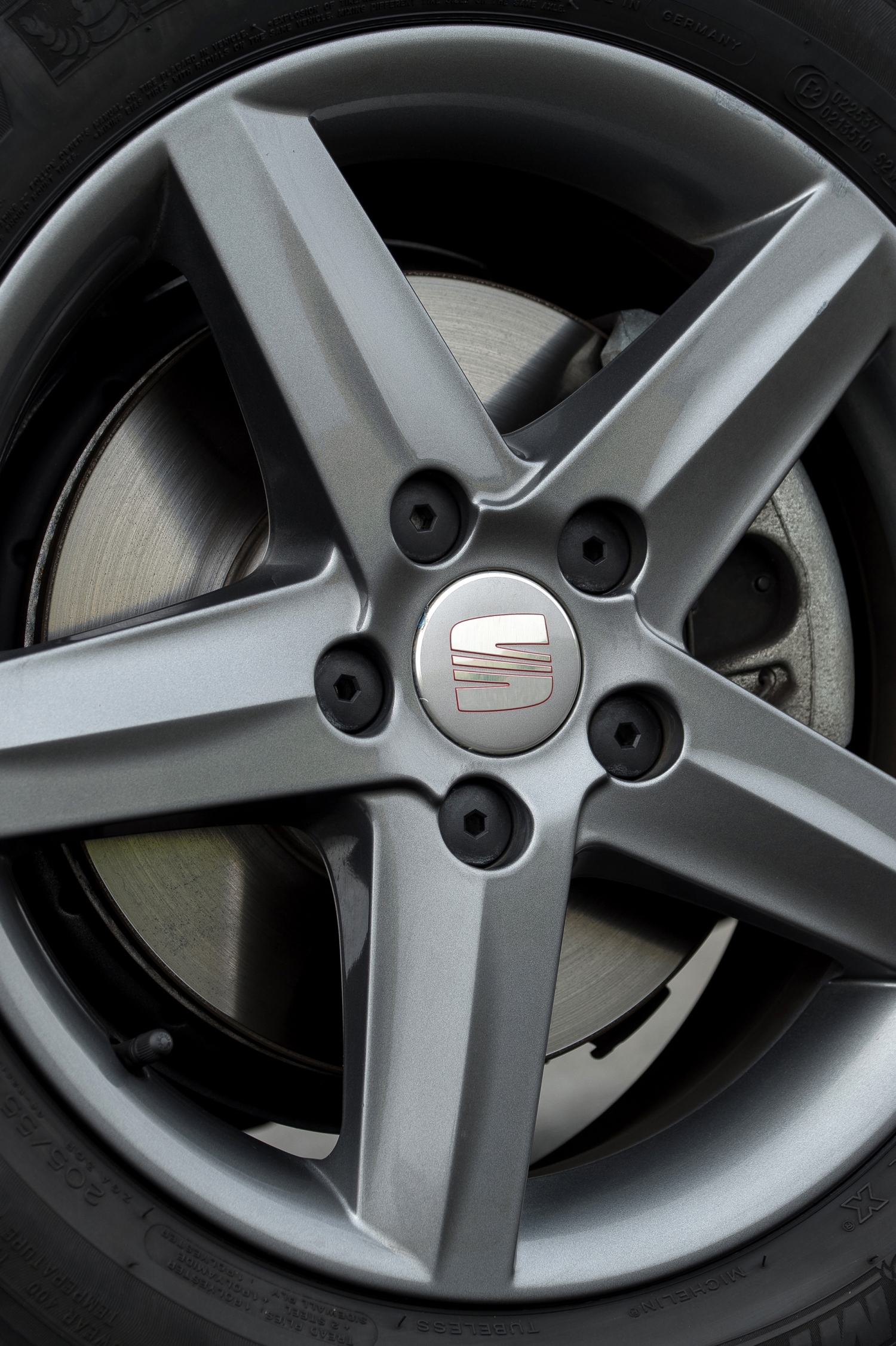
Inspect all four tyres for wear. The tread depth must at least meet the legal minimum, but on older tyres replacement is often due soon. Check whether wear is even across the width of the tyre. Uneven wear indicates incorrect tyre pressure, alignment issues or damaged suspension components.
Check that the spare wheel is present and properly inflated. Many used cars have an unusable spare wheel due to years of pressure loss.
‘ This is a serious red flag that justifies more detailed investigation. ’
Airbags and safety systems
Start the engine and pay attention to the airbag warning light on the dashboard. It should light up for a few seconds and then go out. If the light stays on or does not come on at all, there is a fault in the airbag system.
A lit airbag warning light may indicate previous accident damage where airbags have deployed and were not correctly replaced. This is a serious red flag that justifies more detailed investigation. Ask about any accidents and check whether repair work was done professionally.
Also test the seat belts for smooth operation and locking. All safety systems must function flawlessly.
Checking electronic systems
The Seat Altea can suffer from various electronic faults. Start by testing all electric windows; they should open and close smoothly without hesitation. Check the central locking on all doors and the boot.
Test the climate control (the interior cooling system) by setting it to the coldest setting. Cold air should be noticeable within a few minutes. A poorly functioning system may indicate a leak or a defective compressor, both expensive to repair.
Try all lighting functions: headlights, dipped beam, indicators, brake lights and fog lights. Check that electrically adjustable mirrors work and that the mirror heating functions. Test any electric seat adjustment and seat heating.
Dashboard and warning lights
Pay close attention to which warning lights come on when starting. All lights should briefly come on for a self-test and then go out. If lights for the engine, ABS, ESP or other systems remain lit, there is a fault that needs further investigation.
Ask whether there have been any known electronic issues and how they were resolved. Some electronic faults on the Altea can be fixed by software updates, others require costly replacement of components.
Bodywork and exterior inspection
Carry out the exterior inspection in daylight for optimal visibility. Walk around the car and check for dents, scratches or colour differences in the paint. Resprayed panels can be recognised by subtle colour differences or differences in the paint structure.
Check that all doors, the bonnet and the tailgate open and close without difficulty. Panel gaps should be even, with no noticeably wider gaps on one side. Uneven gaps indicate accident damage or poorly executed repairs.
Inspect the wheel arches carefully for rust or damage. Put the car on a lift or crawl underneath to inspect the underside. Look for rust holes, damaged brackets or recently cleaned parts that look suspicious. A freshly cleaned underside can indicate that damage has been deliberately concealed.
‘ Excessive wear indicates heavy use and possibly clocked mileage. ’
Assessing interior and comfort
Check the seats for tears, wear or burn marks. Excessive wear indicates heavy use and possibly clocked mileage. Test all adjustable seats for smooth operation and check any heating functions.
The dashboard should look tidy without cracks or loose parts. The headlining should not be sagging or stained. Check that all switches and buttons work properly.
Smells in the interior can tell you a lot. A musty odour often points to moisture problems. Strong air freshener may have been used to mask undesirable smells. Trust your nose and investigate any noticeable odours.

The test drive as the deciding moment
Plan an extensive test drive over different types of roads. Drive through town, on the motorway and on winding roads. Test acceleration by accelerating firmly and pay attention to how the engine responds. Hesitation or lack of power can indicate problems.
Test the brakes at different speeds. The car should stay in a straight line under braking without pulling to one side. Vibrations in the brake pedal or steering wheel indicate worn brake discs or other braking issues.
Listen carefully while driving for all kinds of noises. Squeaks, knocks, rattles or other unusual sounds should be investigated. Ask the seller about any known noises and whether they are normal for this model.
After returning, check that no new leaks have appeared under the car. Inspect the exhaust for black soot deposits that can indicate problems with engine combustion.
Red flags that argue against buying
Certain signs should make you extra alert. A missing or incomplete service book is a serious red flag. Without documented maintenance, you do not know whether expensive components have been replaced on time.
Suspiciously low prices call for extra vigilance. If the price is significantly below market value, there is often a hidden reason. Ask probing questions and, if in doubt, have an independent inspection carried out.
Sellers who are in a hurry or put pressure on you to decide quickly are suspicious. A trustworthy seller will give you time to inspect the car thoroughly and ask questions. Resistance to a technical inspection is also a warning sign.
Missing keys, user manuals or tools such as a jack and wheel brace suggest careless ownership. Check that both car keys are present and test them both before you take over the car.
‘ The cost of an inspection does not compare to the potential cost of a car with hidden defects. ’
When a professional inspection is needed
If you have serious doubts about the condition of the car, an independent technical inspection is a sensible choice. This is especially true if you cannot establish a clear maintenance history or if concerns have arisen during your own inspection.
An approved garage can inspect the car on a lift and use specialised diagnostic equipment to detect hidden problems. The cost of an inspection does not compare to the potential cost of a car with hidden defects.
Some garages offer pre-purchase inspections specifically for used cars. These services systematically check all important components and provide a detailed report. This report gives you a strong negotiating position if problems are found.
Negotiating based on your findings
Defects you discover during the inspection are legitimate negotiation points. Calculate the estimated repair costs and discuss a price adjustment with the seller. You can ask for minor defects to be fixed before you take delivery of the car.
Major issues such as turbo problems, transmission faults or electronic malfunctions justify substantial price reductions. Use the findings from a professional inspection to support your offer.
If the seller is not prepared to adjust the price while there are clear problems, consider walking away from the purchase. There are more used Alteas on the market and a better deal is worth the wait.
The Seat Altea can be a reliable and practical car, provided you carry out the right checks before buying. By systematically working through all the points of attention, you prevent costly surprises and can drive away in your new purchase with peace of mind. On the Carnews website you will find more detailed information about specific car problems and maintenance advice for different makes and models. Discover more tips and facts to help you with your next car purchase.
Frequently asked questions
With the Seat Altea fitted with TSI engines, you should watch out for possible issues such as high oil consumption, carbon build-up on the intake valves and, in some model years, timing chain problems (chain stretch or rattling when starting from cold). With the DSG gearbox (particularly the 7-speed dry-clutch version), jerky gear changes, hesitation when pulling away and premature wear of the clutch and mechatronic unit can occur. Check that all DSG software updates and oil changes have been carried out strictly according to schedule. For TSIs, explicitly ask about engine overhauls, chain replacement and documentation of oil and spark plug changes.
During the test drive, pay attention to whether the car continues straight without pulling, how it responds in corners and during sudden manoeuvres, and whether the steering feels tight and direct without play or vibrations. Deliberately drive over speed bumps and uneven surfaces: a good chassis absorbs impacts in a controlled way, without harsh thuds, aftershocks or squeaks/creaks. Test the shock absorbers by feeling after a bump or pothole whether the car stabilises immediately (does not continue to bounce several times) and visually check for leakage along the dampers after the drive. Assess the tyres for even wear, sufficient tread and absence of cupping or flattened shoulders, as that may indicate alignment or suspension issues.
Crucial is a well-documented maintenance history with proof of all routine services, timely replacement of timing belt/chain, clutch and other major wear parts, preferably at an authorised garage. Check for gaps in the maintenance schedule and for postponed major repairs that will soon be due. Common modifications such as non-original wheels, lowering springs, remapping (chiptuning) or an aftermarket exhaust can negatively affect the reliability and service life of the engine, chassis and drivetrain. Always ask for invoices and inspection reports to rule out poorly executed modifications.
Check for visible rust, blistering under the paint or rusted-through sections on the underside and in the wheel arches. Make sure load-bearing sections (sills, chassis rails, suspension mounting points) are not affected by corrosion. For bodywork damage, look for cracks, dents, poor panel alignment and colour or texture differences in the paint that indicate earlier repairs. Also check for poorly repaired or rust spots in the wheel arches and on the floor that have been hidden with underseal or bitumen.
Yes, there are several additional engine and transmission checks that are important for long-term reliability. These include timely replacement of the timing belt/chain and water pump, regular renewal of engine oil and coolant (preferably using high-quality fluids that meet the prescribed specifications), and checking for oil leaks and abnormal engine or running noises. For the transmission, timely replacement of gearbox oil (even where it is claimed to be ‘filled for life’) and checking for smooth, jerk-free gear changes and clutch or automatic transmission slip are crucial. In addition, if in doubt it is sensible to have an independent, comprehensive pre-purchase or diagnostic inspection carried out, including reading out fault codes.