
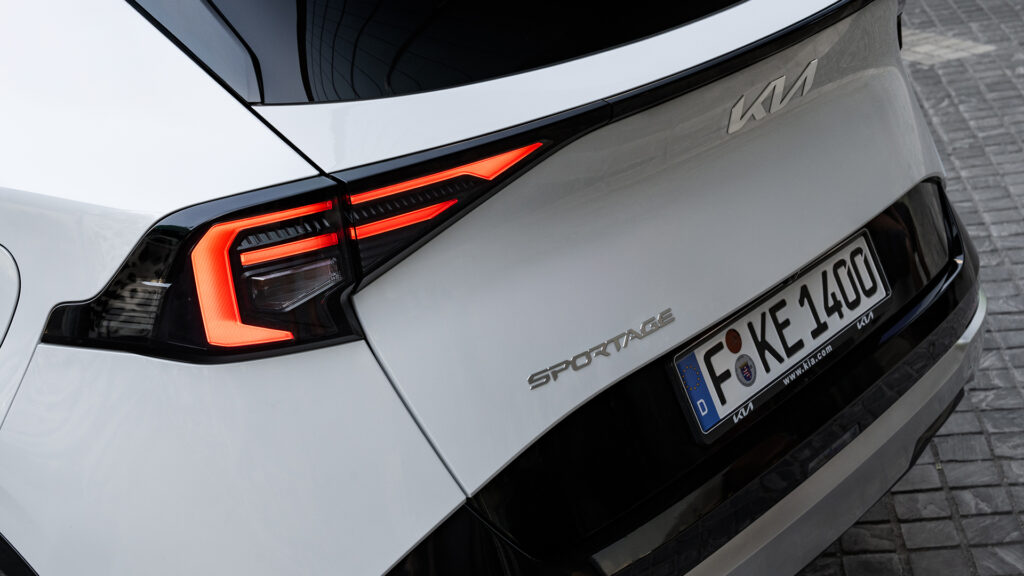
Turbo faults in the Kia Sportage are mainly caused by bearing wear, poor lubrication or oil leaks, and can lead to engine damage and reduced performance if they are not dealt with in time. The 1.6-litre turbo engines in hybrid and plug-in hybrid versions are particularly prone to this kind of problem. Do you recognise the warning signs in time? Then you can avoid expensive repairs.
What are the symptoms of a turbo fault?
A turbo fault usually has recognisable symptoms. Loss of power under acceleration is a very common early sign. The car responds more slowly than usual. The feeling of punch is missing. The turbo does not build up enough boost pressure, so it forces too little fresh air into the engine.
The engine warning light on the dashboard may also come on. The ECU logs fault codes relating to the turbo and boost control. Power delivery can feel jerky. Boost then builds up unevenly. This points to problems. In Kia Sportage models with the 1.6 T engine these complaints are not unusual. The hybrid system delivers 227 or 261 bhp.
Also listen out for unusual noises from the engine bay. A whistling, screeching or rattling noise can indicate wear in the turbo bearings. Problems with the wastegate (the valve that controls turbo pressure) can also cause noises. Smoke or increased oil consumption point to leakage in the turbo system. Do you recognise these signs? Then take action quickly.
‘ Poor maintenance plays a major role. ’
Common causes of turbo damage
Most turbo faults have their root in lubrication problems. A turbo spins at extremely high speed and depends on a constant supply of clean oil. Is the oil level too low? Is the oil poor quality? In that case, the bearings do not get enough lubrication. Heat builds up. Metal rubs on metal. Eventually, permanent damage occurs.
Oil leaks are a second major cause. Oil escapes via damaged seals or lines, meaning the turbo can no longer function properly. Contamination around the turbo and other parts of the turbo system is then often visible. Damage to the intake or turbo hoses can also lead to loss of boost pressure. Small cracks form. The pressure that has built up escapes.
Poor maintenance plays a major role. Owners skip service intervals. They use cheaper oil than specified. This increases the risk of turbo damage. In addition, switching the engine off immediately after driving hard can cause damage. The turbo then remains hot, while the oil circulation stops.
How do you prevent turbo damage caused by oil leaks?
Checking the oil level and oil quality is important. Check this at least once a month. Is the oil level between the minimum and maximum marks? Is the oil dark or thick? Does it contain metal particles? That is a warning sign. Change the oil at the prescribed intervals. Only use the specification recommended by the manufacturer. This is particularly important for the 1.6 T engine.
Regularly inspect the area around the turbo. Look for stains or damp patches. Do you see oil spots, damp areas or contamination? Then there is probably a leak in the seals or lines. Have this repaired immediately to prevent further damage. Check the intake hoses for cracks or loose connections. Also check the turbo hoses. Replace damaged hoses straight away.
Adapt your driving style to reduce the load on the turbo. Have you done a long motorway run? Or a steep climb? Then let the engine idle for a minute before switching it off. This gives the turbo time to cool down, while the oil still circulates. Avoid aggressive acceleration immediately after a cold start. The oil needs to reach operating temperature first; otherwise, it will not lubricate properly.
Repair costs for the turbo on diesel models
The cost of turbo replacement on the Kia Sportage varies. As a rule, it is between €1,200 and €2,500. This amount includes a new or reconditioned turbo, labour, the required seals and fluids. The exact price depends on the engine type. The model year also plays a role. In addition, it makes a difference whether you choose an original or aftermarket part.
For diesel variants, the costs can be higher. Turbos for diesel engines are more complex and therefore more expensive to buy. Labour rates vary per garage. Count on three to five hours of work for removal, installation and adjustment. Some garages offer reconditioned turbos at a lower price. Always ask about warranty and quality.
Sometimes a turbo fault does not require full replacement. The fault can be resolved by cleaning or replacing a sensor. Repairing a leak is sometimes enough. Have a diagnostic check carried out; the specialist will then determine whether complete replacement is necessary. Timely repair prevents consequential damage to the engine, which can drive up the total cost considerably.
‘ In the end, the turbo fails. ’
What does a turbo do and why does it wear out?
A turbo uses exhaust gases to drive a compressor. The compressor forces fresh air into the engine. More air means more oxygen. More fuel can be burned. The engine produces more power. This process exposes the turbo to extreme conditions: high temperatures, very high rotational speeds and constant load.
The turbine and compressor run on bearings. These bearings depend on a thin film of oil. At speeds of up to 250,000 revolutions per minute, perfect lubrication is essential. Heat attacks that lubrication, as do contamination and oil ageing. Metal wear then develops quickly. This can lead to vibrations and increased noise. In the end, the turbo fails.
The turbo sits directly in the exhaust gas flow, so contamination is also a factor. Soot deposits can block moving parts. Carbon build-up (black, burnt residues from fuel and oil) can cause the wastegate to stick. This reduces efficiency. The turbo can build up too much pressure or perform too weakly.
Checklist for used Sportage buyers
If you are considering buying a used Kia Sportage with the 1.6 T engine, pay extra attention to the turbo. Ask for the full service history. Check whether oil changes have been carried out on time. Are the documents missing? That may indicate poor maintenance.
Take a test drive. While doing so, pay attention to the following points:
- The car should pull strongly and smoothly when you press the accelerator. It must not hesitate.
- Listen for unusual noises from the engine bay, such as whistling or high-pitched howling.
- Watch for smoke when starting or accelerating.
- The engine warning light must not be on.
Are you unsure? Then have a specialist read out the fault codes. Stored codes relating to boost pressure are a warning sign. Codes for the mass air-flow sensor (measures the amount of air going to the engine) or the boost sensor (measures pressure in the turbo) are also warning signs. Either there are problems now, or there have been problems. Inspect the engine bay for oil stains around the turbo. Check that the intake hoses are in good condition. A good inspection beforehand can save you a lot of money later on, and it also helps you avoid a lot of hassle.
Useful maintenance tips to avoid turbo problems
Make sure you service the car regularly. Follow the manufacturer's schedule. Always use engine oil that meets the specification given by the manufacturer. Cheaper alternatives can lead to faster wear. Turbo bearings (the rotating parts in the turbo) then wear more quickly. Also replace the oil filter with every oil change; this helps prevent contamination.
Check whether the air filter is still clean. A clogged filter reduces airflow to the turbo, increasing the load. Check the filter annually and replace it if it is dirty. Also check the intercooler (cools the intake air) for leaks and contamination, as this affects the cooling of the intake air.
Avoid idling for long periods while the engine is working hard. This can lead to the turbo overheating because there is insufficient cooling. Do not immediately floor the throttle after a cold start. Give the engine time to reach operating temperature. These simple steps will significantly extend the life of the turbo.
‘ Early diagnosis prevents a small problem from becoming a big one. ’
When should you go straight to the garage?
Is the engine warning light on? Then have the fault codes read. Early diagnosis prevents a small problem from becoming a big one. This way you can avoid serious engine damage. Immediate intervention is also essential in the event of sudden loss of power. The same applies to unusual noises or visible smoke.
Do not keep driving if the car goes into limp mode. The engine will then run more slowly and produce little power. This is a safety mode designed to prevent further damage to the car. Long-term use in this state can still cause problems. Have the car checked and repaired, and only then resume normal journeys. Turbo faults worsen quickly. They can lead to damaged pistons and valves and can also cause other engine components to fail.
On the Carnews website you can find much more information. You will find common car problems and maintenance tips there, as well as experiences from other owners. Discover more articles and learn more about your car.
Frequently asked questions
The most common symptoms of a turbo fault on a Kia Sportage are noticeable loss of power and irregular or jerky build-up of boost pressure when accelerating. This is often accompanied by the engine warning light coming on and fault codes relating to the turbo or boost control. In addition, unusual whistling, howling or rattling noises can come from the engine bay. Smoke from the exhaust or increased oil consumption can also indicate problems with the turbo.
Important factors are insufficient or irregular maintenance, in particular changing the oil too late or using the wrong oil specification, which causes turbo bearings to wear faster. Lots of short journeys and heavy loads (for example frequent hard acceleration or high speeds with a cold engine) place extra thermal stress on the turbo. Cooling down is often neglected: switching the engine off straight after heavy use can burn the oil around the turbo and cause internal blockages. Finally, leaks or hairline cracks in intake and turbo hoses, contaminated sensors and incorrect boost control can overwork the turbo and so accelerate 'turbo wear' and failure.
You can extend the service life of the turbo in your Kia Sportage by strictly using the specified oil grade, checking the oil level regularly and not exceeding the service intervals. After a motorway journey or heavy use, always let the engine idle gently for 30 seconds to a minute before switching it off, so the turbo can cool down. Regularly check the intake and turbo hoses for cracks, leaks and loose clamps, and if you notice strange noises, loss of power or an engine warning light, have the fault codes read immediately. Also keep the air filter clean and replace it in good time, so the turbo does not suffer extra wear from dirt and dust particles.
For a defective turbo on a Kia Sportage, you should roughly allow €1,200–€2,000 for full replacement at an independent garage, and often more at a main dealer because of genuine parts and higher labour rates. Overhauls or reconditioned turbos are usually cheaper, often in the €700–€1,400 range in total, depending on engine type and damage. Sometimes a partial repair (hoses, actuator, wastegate, sensors or oil feed) is enough, in which case a few hundred euros may cover it. The exact costs depend on the model year, type of turbo (with or without hybrid system) and whether there is collateral damage to, for example, the catalytic converter or engine.
On the Kia Sportage, turbo problems occur mainly with the 1.6 T-GDI engines in the hybrid and plug-in hybrid versions, particularly in model years where this 1.6-litre turbo is the main engine option. The naturally aspirated (non-turbo) petrol versions are in practice much less prone to this type of complaint. In user reviews, turbo issues are most often reported on the more powerful 1.6 turbo variants (Hybrid and PHEV).
The most sensible choices are reliability upgrades: always use the specified, high-quality engine oil, change it on or before schedule and keep the oil system (filter, feed and return lines to the turbo) spotlessly clean. Regularly check intake and turbo hoses, intercooler and clamps for leaks, and replace worn rubber components at an early stage. After hard driving or motorway use, let the engine idle briefly so the turbo can cool down gradually, and avoid going full throttle with a cold engine. Any software upgrades (remaps) should stay conservative in terms of boost pressure, so they do not push the standard turbo beyond its design margins.