
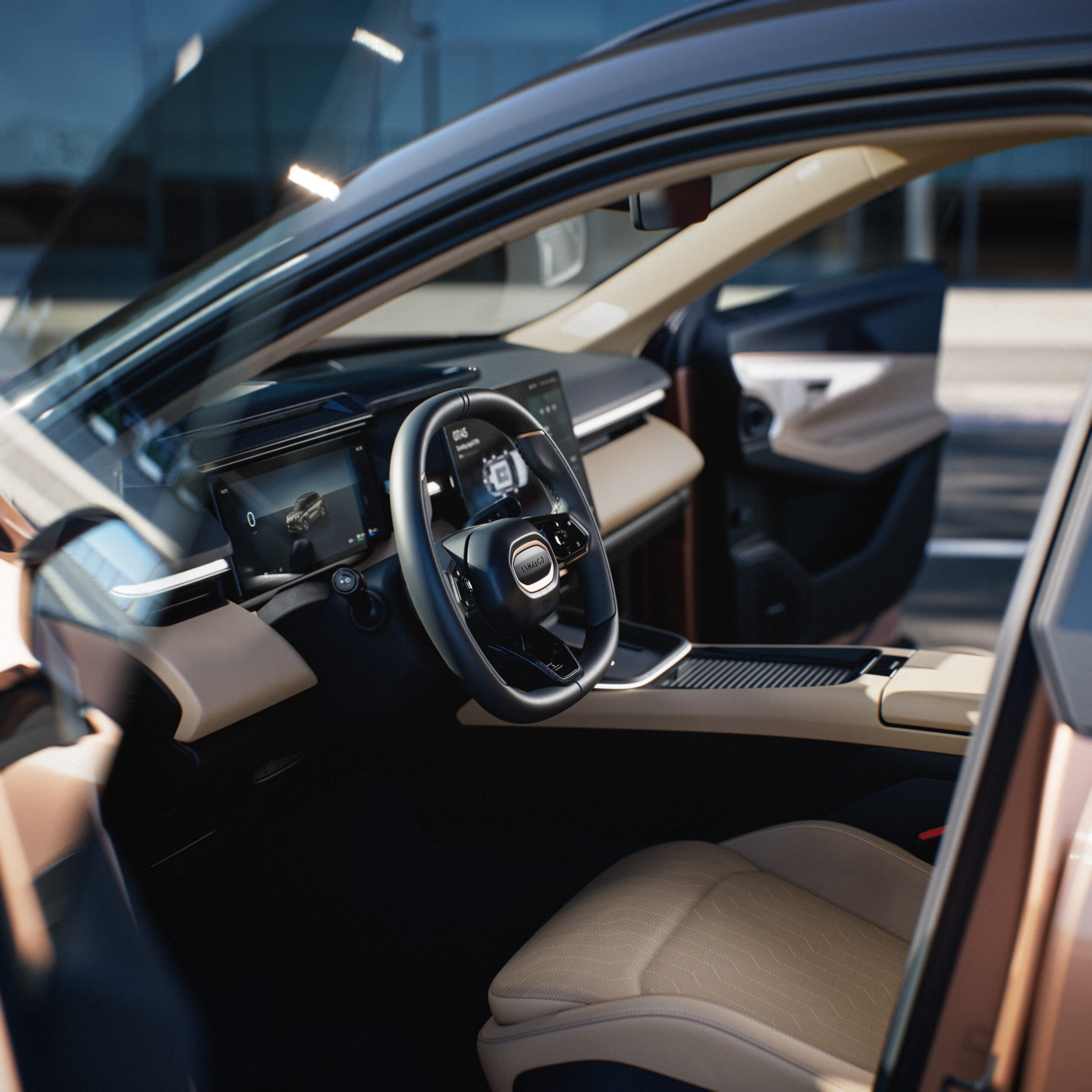
The air conditioning of the Lynk & Co 08 fails due to refrigerant leaks, compressor defects or clogged filters, especially with intensive use of the hybrid system. This affects driving comfort. It points to underlying issues with the complex cooling system of this plug-in hybrid SUV. Know what to do if the cooling cuts out.
Why does the air con fail on the Lynk & Co 08
The Lynk & Co 08 combines a 1.5-litre petrol engine with an electric motor. The battery has a capacity of 40 kWh. This hybrid system places high demands on cooling. The air conditioning system cools the cabin. It also supports temperature management of the battery and electric motor.
During prolonged electric driving or rapid charging, the cooling system becomes overloaded. The compressor that drives the air con operates differently in hybrid cars than in traditional petrol cars. This leads to specific faults. You encounter these faults less often in conventional cars.
The system sometimes switches abruptly to petrol drive. This happens to prevent overheating. This safety mode temporarily switches off the air conditioning. That leads to frustration for owners who are not expecting it.
Recognisable symptoms of air conditioning problems
Various signs point to problems with the air conditioning system. Watch out for these symptoms:
- The air con does not cool enough, even on the highest setting
- A strange, musty smell when you switch on the climate control
- Warning lights on the dashboard about cooling system faults
- Damp patches under the car after using the air con
- Unusual noises when starting the climate control
- Condensation forming on the inside of the windows while the air con is on.
These symptoms occur more often in warm climates or after short trips. On short trips the system does not fully reach operating temperature. Early production models show these problems more often due to software bugs. The link between the electric drivetrain and the cooling system shows irregularities.
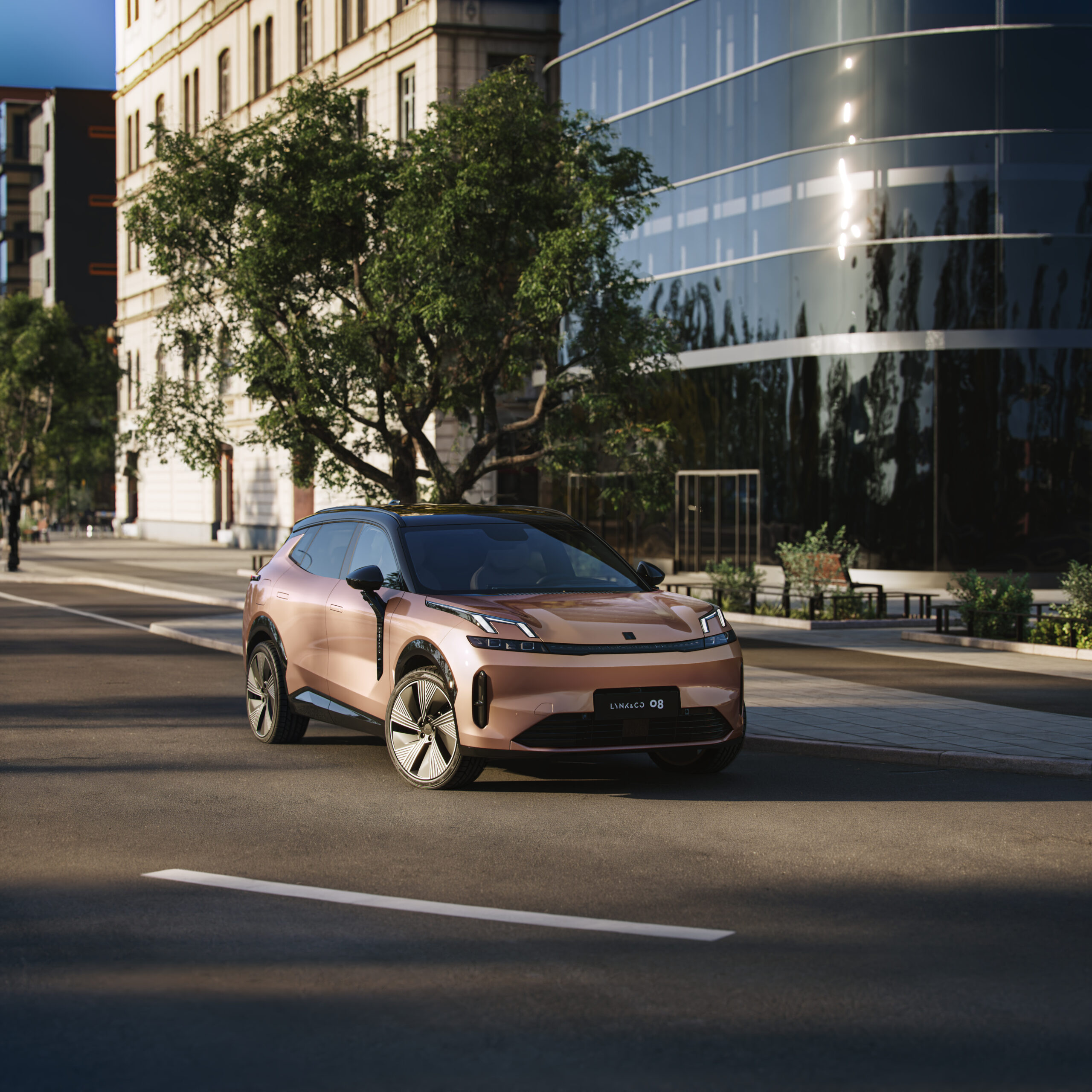
Tracing and fixing refrigerant leaks
Refrigerant is needed to remove heat from the cabin. When there is a leak, the amount of refrigerant decreases. Cooling performance deteriorates. This process is often gradual. You only notice the problem at a late stage.
Leaks usually occur at connections between cooling hoses or at the condenser behind the grille. The evaporator in the dashboard is also a candidate. In the Lynk & Co 08, vibrations from the hybrid system lead to weakened connections. Regularly check for oily residue around cooling hoses and connection points. Refrigerant contains oil. This leaves visible traces.
A garage uses a leak detector to determine where the refrigerant escapes. After repairing the leak, the mechanic refills the system with refrigerant. Always use the type of refrigerant recommended by the manufacturer. This prevents damage to the hybrid cooling circuit.
Compressor defects and their causes
The air con compressor compresses the refrigerant so that it can release heat. In hybrid cars the compressor is powered by the high-voltage battery. This creates a different load than in traditional cars.
The air con is left on during prolonged idling. This puts a heavy load on the compressor. The system has to produce cold air while the electric motor is barely running. Over time this leads to internal wear. Defective electrical components in the compressor also occur.
A clicking noise when switching on the air con is an early warning sign. Intermittent operation also points to problems. The compressor fails completely. The air conditioning no longer works at all. Replacing the compressor is expensive and often requires imported parts. Repair times are extended.
‘ Preventive maintenance avoids costly repairs. ’
Dealing with clogged filters and hoses
The cabin filter cleans the air before it enters the cabin. Without proper maintenance this filter becomes clogged with dust and pollen. Leaves and debris also build up. This reduces airflow. The air con has to work harder for the same cooling result.
Replace the cabin filter according to the service schedule. For the Lynk & Co 08 this means: every year or every 15,000 kilometres. A clogged filter also causes the characteristic musty smell. Many owners report this.
AC hoses become porous over time. They are damaged by heat from the hybrid system. Check the hoses for cracks or swelling. Also look out for hard, brittle areas. Preventive maintenance avoids costly repairs. It keeps the system working properly.
Software issues affecting the cooling system
The Lynk & Co 08 controls the cooling system using software. This coordinates electric and petrol drive. In early models this software activates the cooling system too late. It also switches it off too quickly under varying loads.
This results in fault codes. These block the air conditioning. The 11 kW AC charger (AC charger for home charging) interferes with cooling management in some software versions. This happens when charging and using the climate control at the same time.
Regular software updates solve many of these issues. You can install the updates via the app. Download updates as soon as they become available. Install them according to the instructions. If problems persist, the dealer will carry out a diagnosis using professional equipment. This device reads fault codes. It also resets them.
Preventive maintenance for long-term performance
Day-to-day maintenance extends the life of the air conditioning system. Check the coolant level in the expansion tank (the reservoir that holds excess coolant) every month. Use only the coolant specified by the manufacturer. This prevents corrosion in the hybrid cooling circuit.
Have the air con function checked at every service. Also have the filter replaced. Test the air con every month, even in winter. This keeps internal components moving freely. Seals dry out. They develop cracks. You can prevent this.
Adjust your driving behaviour in extreme temperatures. Park in the shade where possible. Ventilate the cabin briefly before switching on the air con. This reduces the initial load on the system. Fully charging the battery at high outside temperatures generates additional heat. The cooling system has to remove this.
‘ Don’t see it as the solution. ’
Carrying out your own diagnosis with OBD2
An OBD2 scanner (a device you can borrow or buy that reads fault codes via the diagnostic connector) gives access to the vehicle’s fault codes. For the Lynk & Co 08, codes relating to the cooling system are relevant. Codes for the air conditioning are also important. Code P0A08 indicates problems with battery cooling, while B10A0 points to a compressor defect.
Connect the OBD2 scanner to the diagnostic connector under the dashboard. Read the stored codes. Write these codes down before you clear them. If the vehicle is still under warranty, bear this in mind. The dealer can use this information to diagnose the problem more quickly.
The cause of the fault code must be known first. Do not reset fault codes without this knowledge. This makes warranty claims more difficult. It masks underlying problems that will recur. Use the OBD2 tool as an information source. Don’t see it as the solution.
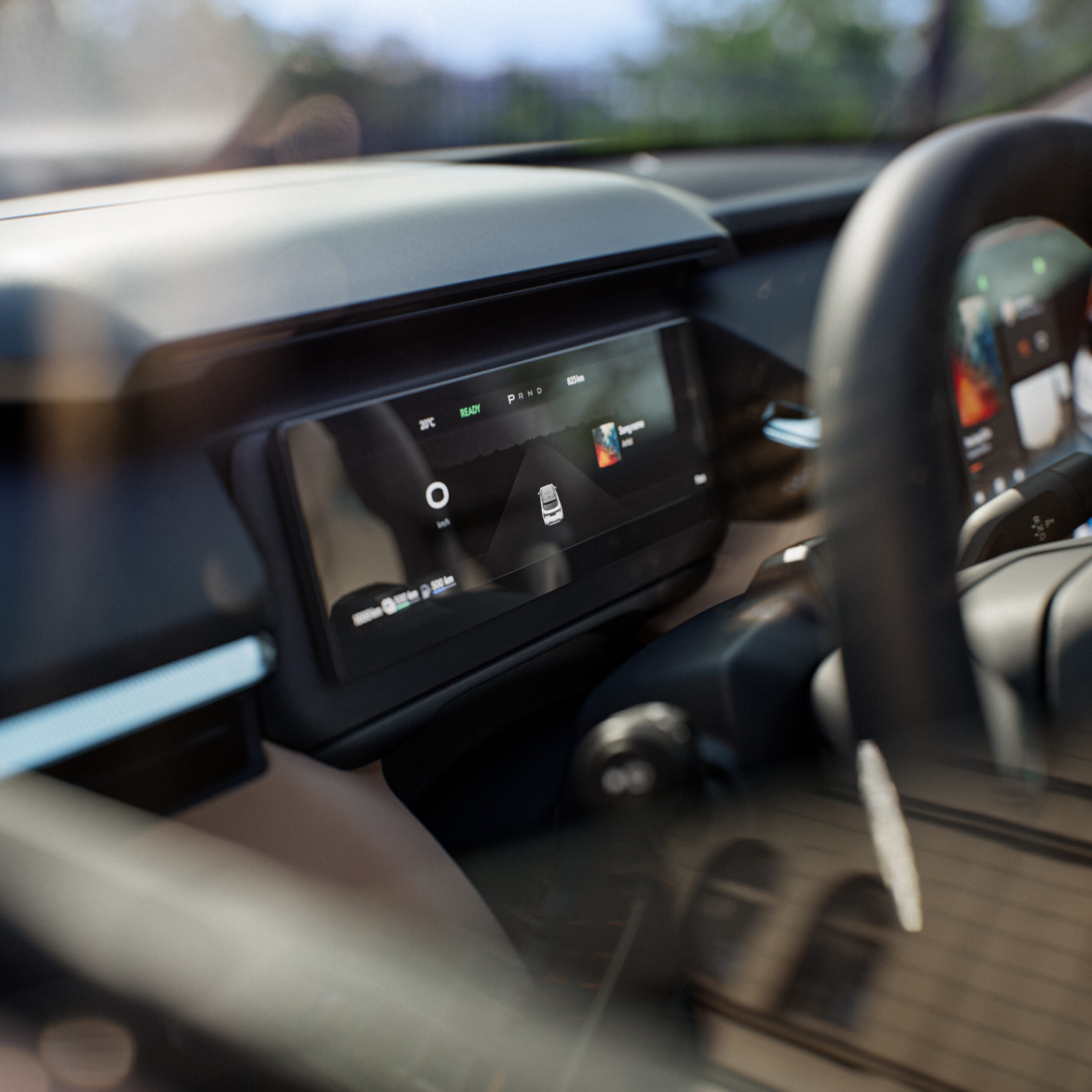
Estimating repair costs
Repair costs vary widely. The type of fault determines the cost. Topping up the refrigerant costs between €75 and €150. A leak check is included. Replacing the cabin filter costs €50 to €100 at an official dealer.
A new compressor is more expensive. Costs range from €800 to €1,500 including labour. Repairing AC hoses (air conditioning hoses through which refrigerant circulates) costs on average €200 to €400. On the Lynk & Co 08, delivery times for imported parts can run to several weeks. The total duration of the repair increases.
Warranty covers many of these problems. The vehicle has been purchased recently. Check the warranty conditions. Report complaints to the dealer in good time. Keep all service records. This shows that you have maintained the system according to the instructions.
Tips when buying a used car
When buying a used Lynk & Co 08, always test the air conditioning thoroughly. Do this during a test drive. The test drive should last at least 30 minutes. Set the air con to the coldest setting. Check whether the temperature drops quickly. Pay attention to strange smells or noises when starting.
Inspect the engine bay for signs of leaks around the radiator and cooling hoses. Also check the expansion tank. Ask for the service history. Check whether the air conditioning system has been serviced regularly. Missing maintenance points to future problems.
Use OBD2 to check whether any fault codes are stored. The warning light is not always illuminated. Carry out the check anyway. Some codes remain stored. This also happens after temporary problems have been remedied. It gives you insight into the vehicle’s history.
‘ Fresh outside air helps remove moisture. ’
Winter conditions and condensation
In cold periods the air conditioning plays a different role. The system removes moisture from the air. This prevents condensation on the windows. In the Lynk & Co 08 you can activate the pre-heating function via the app. This minimises condensation in the air con system.
Start this function 10 to 15 minutes before departure. This warms up the cabin. It also allows the cooling system to reach operating temperature. All components work properly right from the start of the journey.
Use recirculation mode sparingly in winter. Fresh outside air helps remove moisture. It prevents condensation building up in the system. You maintain a healthy balance by alternating the settings.
On the Carnews website you will find extensive information about service schedules. Common problems with hybrid cars are also discussed. In addition, you will find practical tips for owners of different makes and models. Discover more about how to maintain your car. Learn to recognise problems in good time.
Frequently asked questions
Early symptoms include an air con that blows less cold than normal, has fluctuating cooling power or takes longer to cool the cabin. Also watch for strange noises coming from the engine bay or air vents, a musty or chemical smell from the air con and misted-up windows. Warning lights or messages about the drivetrain or cooling system on the dashboard, especially in warm weather or during rapid charging, are also a sign. In that case, check the coolant level and arrange a diagnosis with the dealer as soon as possible.
The most common causes are overloading or overheating of the cooling system, especially of the high-voltage battery, during prolonged electric driving or rapid charging. Coolant leaks and blockages in the cooling system (for example at the evaporator) also occur regularly, preventing the air con from cooling properly. Faults in the hybrid air con compressor and software errors that limit the air con or drivetrain as a precaution can likewise lead to a non-working air conditioning system or overheating. Insufficient or incorrect maintenance, such as not replacing filters or coolant on time, also increases the likelihood of these problems.
You can check the coolant level, visible pipes, radiator and expansion tank yourself for leaks or damage. Test the air con on maximum cooling during a drive of at least 20–30 minutes and watch for unusual smells, noises or sudden cut-outs. Use an OBD2 scanner to read fault codes (such as P0A08 or B10A0) and note them down before you reset anything. Make sure the software is up to date and avoid prolonged idling with the air con on to limit overloading of the system.
Ignoring warnings about cooling system problems in the Lynk & Co 08 can lead to overheating of the battery and combustion engine, with possible serious engine damage or defective hybrid components as a result. Persistent overheating can significantly shorten the life of the high-voltage battery and lead to expensive repairs outside the warranty period. The drivetrain can also fail or go into limp mode, which can cause dangerous situations in traffic. A poorly functioning air con can also cause condensation, corrosion and additional wear on the combined cooling and air con system.
The expected repair costs for common air conditioning and cooling system faults on the Lynk & Co 08 are generally between about €300 and €900 for work such as fixing leaks, replacing filters or cleaning a clogged evaporator. For more complex issues, such as defects in the hybrid air con compressor, battery cooling modules or software-related cooling faults that require diagnosis and calibration, costs can rise to around €800–€1,800. With warranty and service packages, part of these costs is often covered, but parts supply can leave the car off the road for a longer period. Note that genuine coolant and branded parts make the bill slightly higher, but usually limit problems in the long term.
Carry out a visual check of the coolant level, hoses and connections every month and, at every service, have the cabin air filter replaced and the cooling system checked for leaks. Use only coolant approved by Lynk & Co and have the air con system (pressure, quantity of refrigerant and operation of the hybrid compressor) professionally checked at intervals. Avoid prolonged idling with the air con on, park in the shade where possible and, in extreme heat, limit long drives or rapid charges directly one after the other to reduce thermal load. If warning lights or fault codes appear, have a diagnosis carried out immediately instead of resetting them yourself, so that problems in the cooling system are detected in time and can be rectified under warranty.