
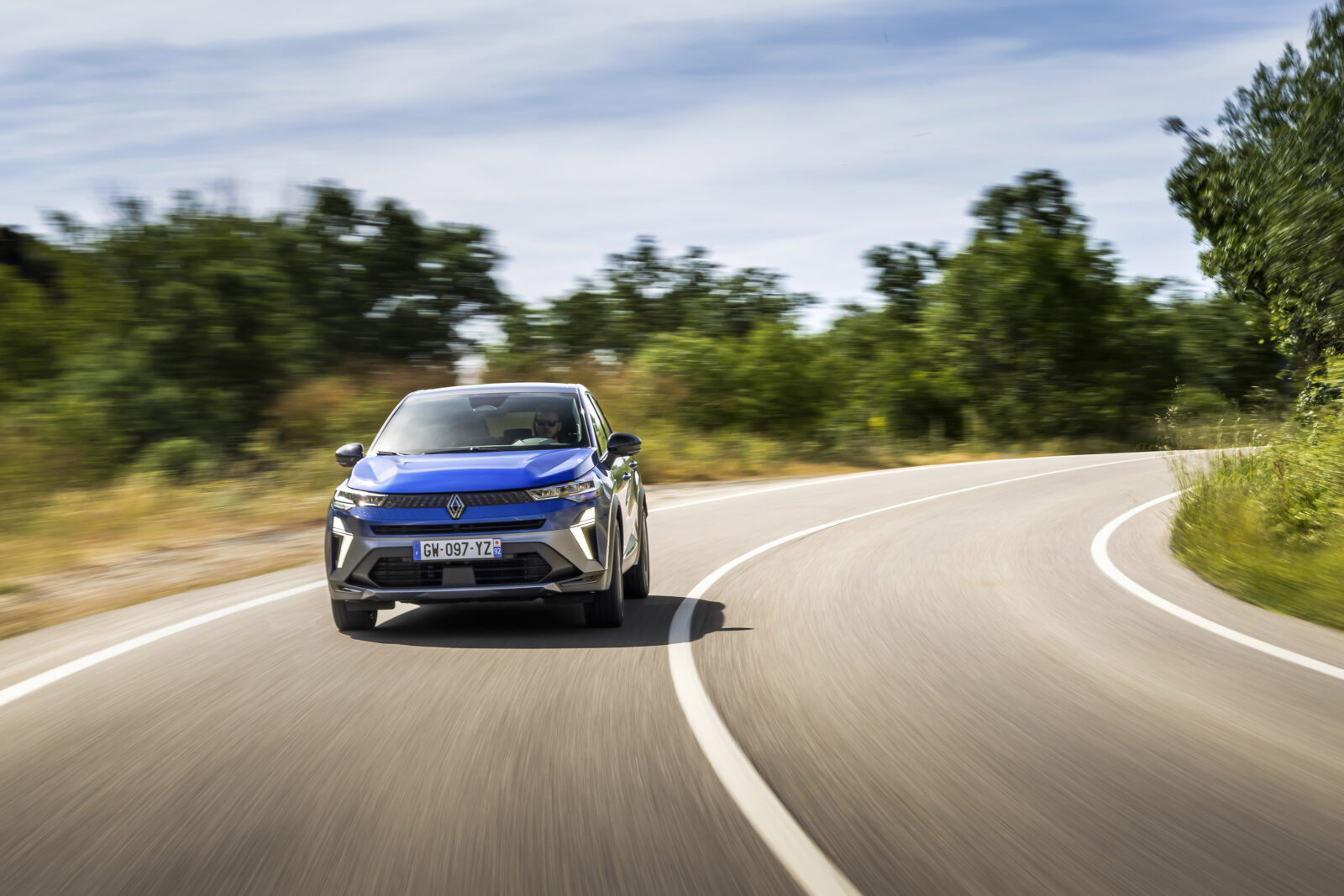
A rattling engine in the Renault Captur is not an uncommon problem. The causes range from a worn timing chain to faulty fuel sensors. Pinpointing the exact fault yourself is difficult. Do you want to know what that rattling noise in your Captur means and what you can do about it?
Why does the engine of a Renault Captur rattle?
The rattling sound often stems from mechanical or electrical problems. The petrol engines in particular, such as the 0.9 TCe (turbo petrol engine) and 1.2 TCe, are prone to specific faults. With these engines the problem can sometimes appear even at low mileages.
The timing chain is a well-known culprit. On TCe engines this chain can stretch or seize as early as around 60,000 kilometres. The noise is then especially audible when starting a cold engine or during acceleration. If you leave this too long, it can lead to serious engine damage.
Another common cause lies in the fuel system. Faulty fuel pressure sensors, a loose cable or a sticking fuel pump cause rough running and rattling noises when you accelerate. Some owners report that their Captur even stalls when idling.
‘ These are less often engine-related, but still annoying and potentially dangerous. ’
Recognisable noises and what they mean
The type of noise often gives a clue about the source. A rattling or clattering sound while driving usually points to problems with the timing chain or the turbo. In the 120 hp petrol engine in particular (engine code H5F), cylinder problems also occur which cause this sound.
Do you hear a grinding or rattling sound when changing gear? Then the cause probably lies in the automatic EDC transmission. Wear in this type of gearbox produces characteristic noises. A manual gearbox can also feel rough and produce noise.
Clattering noises while coasting, even when you press the clutch, may indicate wheel bearing problems, drive shafts or clutch wear. These are less often engine-related, but still annoying and potentially dangerous.
Practical checks you can do yourself
First scan the car’s fault memory (the stored fault codes). Use an OBD tool for this (a diagnostic device for fault codes). These devices are affordable and give insight into recorded faults. Pay attention to warning lights on the dashboard, especially the engine management light.
Listen closely to when the rattling noise occurs:
- On a cold start: often the timing chain or chain tensioner (the component that regulates the chain tension)
- During acceleration: fuel system, turbo or cylinder problems
- While coasting: gearbox, worn wheel bearings or suspension (springs and control arms of the car)
- At idle: possible sensor or fuel pressure problems
Also check the oil level and the quality of the engine oil. Increased oil consumption is common in older TCe engines, which indirectly leads to wear and noise.
When is the problem serious?
You should always take a rattling engine seriously. With timing chain problems in particular, the risk of major damage rises quickly. If the chain fails while driving, valves and pistons can collide. This leads to costly repairs or even a completely new engine.
Cylinder problems in H5F engines are also worrying. Overheating of cylinders, often cylinder 2 or 3, can lead to permanent damage to the cylinder walls. Owners sometimes report increased oil consumption and blue-grey exhaust smoke as additional symptoms.
Fuel pressure problems are less acutely dangerous, but can still lead to breakdowns on the road. The engine may stall in traffic, which creates dangerous situations.
‘ That’s why early diagnosis is important. ’
What does a repair cost and what needs to be done?
The costs depend heavily on the cause. A loose sensor cable can be fixed for around 95 euros. A complete timing chain overhaul with improved parts will quickly cost between 1,000 and 2,000 euros, depending on the workshop and engine type.
With severe cylinder damage or a defective turbo the costs rise further. An engine overhaul or replacement can cost several thousand euros. That’s why early diagnosis is important.
Choose a workshop that specialises in Renault or specifically in the TCe and H5F engines (specific Renault petrol engines). These workshops know the typical weak points and often use improved parts during overhauls. Ask in advance for a thorough diagnosis with a compression test. Also ask for a camera inspection of the cylinders (endoscopic examination). This gives more clarity about their condition.
Preventive measures that help
Prevention starts with maintenance. Change the engine oil more frequently than Renault prescribes, especially on TCe engines. Use high-quality oil that meets the specifications. This slows wear on the timing chain and reduces oil consumption.
Have the timing chain inspected at 60,000 to 80,000 kilometres, even if there are no noises yet. This prevents nasty surprises. Extra caution is needed with early TCe models without documentation of chain replacement.
For the EDC automatic (Renault’s automatic gearbox) the following applies: change the gearbox oil more often than standard. Although Renault sometimes calls this maintenance-free, regular fluid changes significantly extend its service life.
Avoid prolonged high revs, especially with H5F engines. These are sensitive to overheating of the front cylinders, which are close to the radiator.
What do other owners say?
Similar stories appear regularly on forums and in workshops. Owners report rattling from around 68,000 kilometres. Strikingly, the problem is sometimes misdiagnosed. What is first labelled as a timing chain issue later turns out to be a turbo or cylinder problem.
Some Captur TCe 140 owners describe a rattling noise while driving that does not occur when stationary. The noise becomes louder when lifting off the throttle. This often points to a combination of engine and drivetrain problems.
Users warn of typical Renault vulnerabilities such as carbon deposits on valves and poor heat dissipation. Together with other factors, these can lead to serious engine damage.
‘ Be aware that some main dealers are not always the best choice for older models with known issues. ’
Where can you find a reliable specialist?
Look for a workshop that has experience with Renault engines, specifically the TCe and H5F types. Ask in advance about their diagnostic options. A good workshop has an endoscope to inspect cylinders, measures compression and has access to specialised Renault diagnostics.
Also ask for references or experience with timing chain overhauls. This repair requires knowledge of the improved parts that are available. Standard replacement with original parts sometimes only solves the problem temporarily.
Be aware that some main dealers are not always the best choice for older models with known issues. Specialised independent workshops often have more hands-on experience with these specific faults and sometimes offer better prices.
Tips for anyone considering a used Captur
Are you thinking about buying a used Renault Captur? Then pay extra attention to the condition of the engine. Avoid early TCe models without documented timing chain replacement. Ask for the service book and check whether the recommended intervals have been followed.
Test the car thoroughly. Listen for rattling noises on a cold start. During the test drive, check whether the engine runs smoothly and accelerates well. Look out for blue-grey smoke from the exhaust, which indicates oil consumption.
Also check the tailgate seal for rust and ask about the age of the battery. Some owners report that batteries fail after only 3,000 kilometres, which can cause additional problems with the automatic transmission.
On the Carnews website you will find much more information about common car problems, maintenance advice and experiences with various makes and models. Discover what other car enthusiasts share about their Renault or dive into technical tips that will help you further.
Frequently asked questions
The most common cause of a rattling engine in a Renault Captur is wear or stretch of the timing chain, especially on the 0.9 TCe and 1.2 TCe engines. In addition, problems with the fuel system (such as a faulty fuel pressure sensor or pump) can cause rattling noises and rough running. Turbo or internal engine problems (for example chain tensioners, high-pressure pump, cylinder problems) can also cause rattling. Finally, worn components in the transmission or drivetrain (wheel bearing, driveshaft, clutch/EDC automatic) can produce rattling or clattering noises.
Listen whether the rattling only occurs when cold and during starting/accelerating (often timing chain) or rather under load/when the turbo is building pressure (more likely turbo or fuel system). If the noise is also present while coasting or driving with the clutch depressed, it may come from the gearbox, driveshafts or wheel hubs. Try to determine whether it is a high, metal-on-metal and fast rattle (chain/valvetrain) or a duller/clattering and rev-dependent noise (bearing or drivetrain). Note exactly when it occurs (rev range, hot/cold, accelerating or lifting off) and take that information to the garage for a more targeted diagnosis.
In principle you cannot safely keep driving with a rattling engine in a Renault Captur, because this often indicates (incipient) engine damage, for example to the timing chain, turbo or internal engine components. Only if a mechanic has established that it is a harmless cause (for example a loose cable or small external part) and considers it responsible can you continue driving temporarily. Have the car read for fault codes as soon as possible and have the source of the rattling located precisely. In the meantime, drive at low revs, avoid high speeds and long journeys, or, if in doubt, have the car towed instead.
A rattling engine in a Renault Captur may indicate wear to the timing chain, turbo or internal engine parts, which in the long term can lead to serious engine damage. Continuing to drive can result in the chain skipping teeth, damaged cylinder walls or valves, and ultimately a seized engine. Gearbox or drivetrain damage is also possible if the noise comes from there. Early diagnosis and repair are crucial to prevent high overhaul costs or a complete engine or gearbox replacement.
Prevent a rattling engine by replacing oil and filters on time, using only quality engine oil and strictly following the prescribed service intervals. Around 60,000–80,000 km, have the timing chain, chain tensioner and guides checked preventively, especially on the TCe engines. Avoid prolonged high revs and, in the event of rough running or warning messages, have the fuel pressure, sensors and cables checked immediately with an OBD scan. If the rattling persists, a visit to a Renault specialist for diagnosis of the chain, turbo and EDC/gearbox components is advisable to prevent engine damage.
Yes, a rattling engine is a common problem in certain engine variants of the Renault Captur. It is reported mainly in the petrol versions with 0.9 TCe, 1.2 TCe and H5F engines. The complaints are often related to problems with the timing chain, the fuel system, the turbo or the gearbox section. Early diagnosis and repair are important to prevent more serious engine damage.