
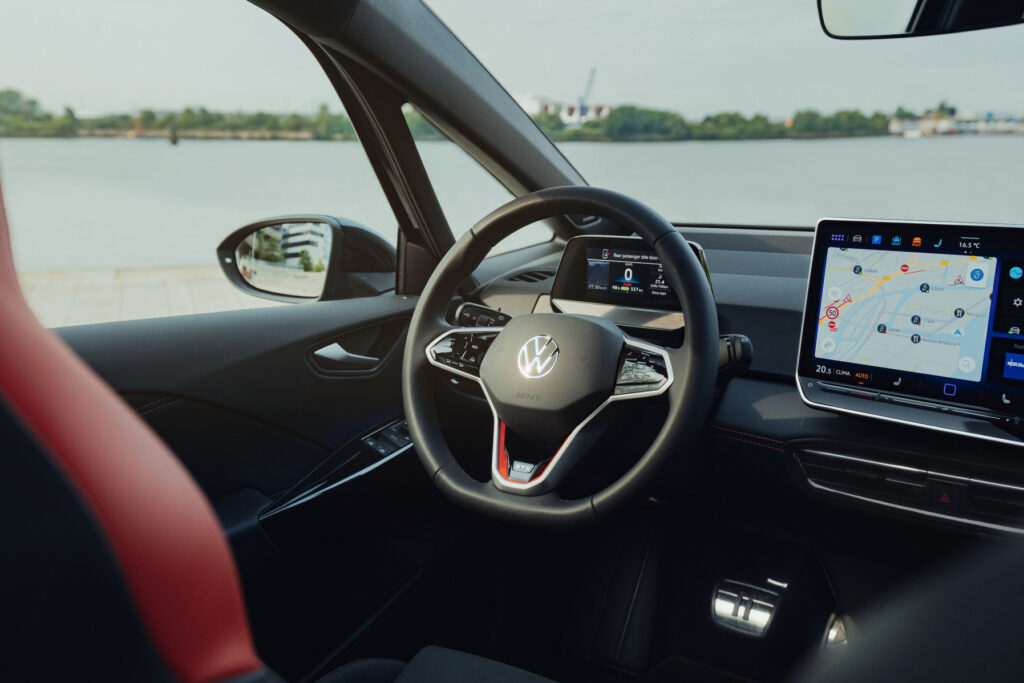
The promised range of electric cars often turns out in practice to be 20 to 30% lower than the advertised WLTP value. This gap between expectation and reality causes disappointment for many drivers and directly affects route planning and charging-stop frequency. Factors such as temperature, driving speed and software play a major role. What can you realistically expect, and how can you bridge the gap between the brochure and the real world?
Why is the real-world range disappointing?
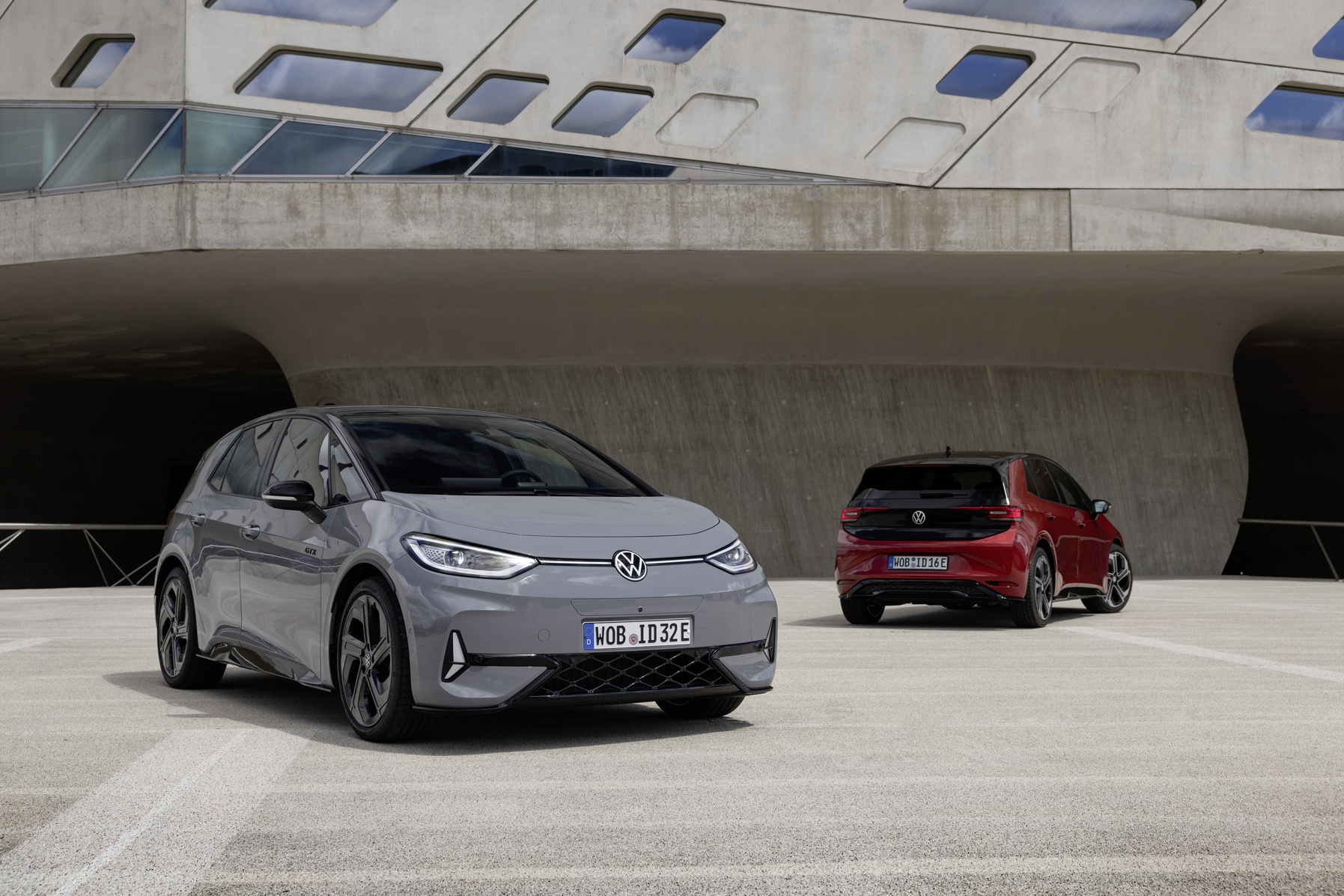
The WLTP test cycle simulates standardised laboratory conditions. This test does not take into account extreme temperatures, headwinds or the use of climate control. The result is a theoretical value that is hardly achievable in normal circumstances. The Volkswagen ID.3 promises up to 550 kilometres of range according to WLTP, but in practice drivers often achieve between 350 and 400 kilometres under favourable conditions.
The discrepancy is systematic. Research shows that 52% of electric car drivers never achieve the advertised range. The cause lies partly in the test method, but also in unrealistic expectations created by manufacturers. A safe rule of thumb is to count on two-thirds of the WLTP value for everyday use.
What affects your actual range?
Several factors determine how many kilometres you actually get from a full battery. Temperature has a major effect. Below 10 degrees Celsius, the range drops by 20 to 30% due to reduced battery performance and the use of heating. Cold batteries deliver less energy and also need more time to charge.
Driving style also makes a difference. Hard acceleration and high speeds use exponentially more energy due to increased air resistance. Above 120 kilometres per hour, consumption rises by 20 to 25%. Driving calmly in eco mode and using regenerative braking can extend the range by 10 to 15%. The most influential factors at a glance:
- Outside temperature and use of heating
- Driving speed and acceleration pattern
- Weight of the car due to loading
- Use of climate control
- Software and battery management
How accurate is the range indicator in your car?
On the screen of your electric car you can see an indication of the remaining driving range. This system calculates on the basis of average consumption, remaining battery capacity and driving behaviour. It analyses the last few kilometres and projects them onto the remaining energy. Under stable conditions this provides a reasonably accurate picture. Under changing conditions, however, the estimate can quickly deviate.
Software updates improve accuracy. Early models struggled with unreliable range estimates due to poor battery management. Recent over-the-air updates at various brands have improved efficiency by 5 to 10 kilometres. Even so, the estimator remains an estimate that depends on how you continue to drive.
Real-world differences by season and situation
The real-world range varies greatly by season. In summer, when driving calmly, you achieve 80 to 90% of the WLTP value. In winter this can drop to 60 to 70%. On the motorway the range drops faster than in the city, where regenerative braking actually recovers energy. An overview of realistic expectations:
- City traffic in mild weather: 300 to 350 kilometres
- Motorway driving in summer: 250 to 300 kilometres
- Winter conditions: 200 to 250 kilometres
- Fully loaded with luggage or passengers: 220 to 280 kilometres
Tips to improve your range
With conscious choices you can increase your range. Precondition the battery via the app before you leave. This warms the battery while the car is still plugged in, which saves energy while driving. On the motorway, maintain a stable speed of 100 to 110 kilometres per hour to keep consumption down.
Use eco mode and the maximum regeneration setting. This slows the car down without using the brakes and recovers energy. Avoid roof boxes and heavy loads where possible. Aerodynamic wheels and correctly inflated tyres can add another 2 to 5 kilometres. For daily use, charge the battery to 80% to extend its service life.
‘ Dealers do not always communicate realistically about the range you can expect. ’
Real-world experiences from drivers
On forums, owners share a wide range of experiences. Some report that in summer they can easily achieve 400 kilometres at 110 kilometres per hour on the motorway. Others indicate that their winter range is up to 35% lower than expected. These differences are linked to driving style, weather conditions and the model used.
Dealers do not always communicate realistically about the range you can expect. Around 13% of drivers are dissatisfied, often due to the wrong expectations at the time of purchase. Always test the car yourself under realistic conditions. Take a test drive in winter and on the motorway, and monitor consumption via the app. Ask for real-world examples and subtract 20% from the WLTP value for an honest estimate.
Adjusting route planning and charging strategy
The gap between expectation and reality calls for adjusted route planning. Do not rely on the maximum WLTP range when planning longer trips. Calculate a safety margin of at least 20% and plan charging stops before you drop below 20% battery capacity. Use navigation systems that include charging points and consumption in their calculations.
Charge smartly by choosing fast chargers at strategic points along the way. A short charging stop of 15 to 20 minutes up to 80% is more efficient than charging to 100%. Avoid running the battery completely flat, as this puts strain on it and can lead to unexpected breakdowns. Take weather forecasts into account and adjust your planning in extreme temperatures.
Software and technical improvements
Manufacturers are continually working on improvements. Software updates optimise battery management and refine the range estimator. These updates are rolled out wirelessly and can improve range by a few kilometres without any physical modifications. So regularly check whether updates are available for your car.
Technical developments promise better battery technology with higher energy density. New generations of electric cars will probably have a smaller gap between WLTP and reality. Until then, having realistic expectations and driving consciously will help you get the most out of your current car.
On the Carnews website you will find much more information about electric driving, maintenance tips and experiences with different models. Discover useful articles about charging infrastructure, battery care and practical driving advice to help you get the most enjoyment out of your electric car.
Frequently asked questions
Important factors are mainly the outside temperature (cold reduces efficiency and requires heating), driving style and speed (high speed and hard acceleration increase consumption), and the use of consumers such as air conditioning, heating and electronics. The weight and load of the car (passengers, luggage, a trailer or roof box) also play a role. In addition, tyre pressure, tyre type and aerodynamics (for example open windows or a roof box) affect air and rolling resistance. Finally, route profile (lots of motorway versus city driving, changes in altitude) and weather conditions such as strong headwinds are important.
On average, the practical range is about 20–30% lower than the stated WLTP value. In favourable conditions (summer, mixed traffic, calm driving style) you can often achieve around 80–90% of the factory figure. In less favourable conditions (cold, motorway, higher speed) this drops to around two-thirds of the official range.
High speeds (especially above 100–120 km/h), aggressive acceleration and frequent hard braking reduce range the most, as do low outside temperatures, headwinds, rain and extra weight or roof boxes. Maintain a constant, moderate speed, use eco mode and maximum regeneration, and anticipate traffic so you have to brake and accelerate less. Limit weight and air resistance (no roof box, windows closed, correct tyre pressure) and use heating/air conditioning sparingly. Precondition the car and battery while charging in cold conditions to limit winter losses.
Yes, there are differences: some brands and models are known for having a smaller gap between their WLTP figure and real-world consumption. In general, brands such as Tesla, Hyundai and Kia often score relatively close to their stated range in independent tests, especially in mixed use. German brands such as Volkswagen (for example the ID.3) usually achieve around two-thirds to three-quarters of the WLTP value in practice, which is roughly in line with other European brands. Above all, look at independent consumption tests for each model, because differences within a single brand are sometimes larger than those between brands.
Maintain a constant, moderate speed (ideally around 100 km/h) and use eco mode and regenerative braking to reduce energy consumption. Ensure correct tyre pressure, avoid unnecessary weight and aerodynamic disadvantages such as a roof box. Precondition the battery and interior while the car is still plugged in, especially in cold or very hot conditions. Plan your route with charging stops via an EV route planner and take into account extra consumption caused by rain, cold and headwinds.