
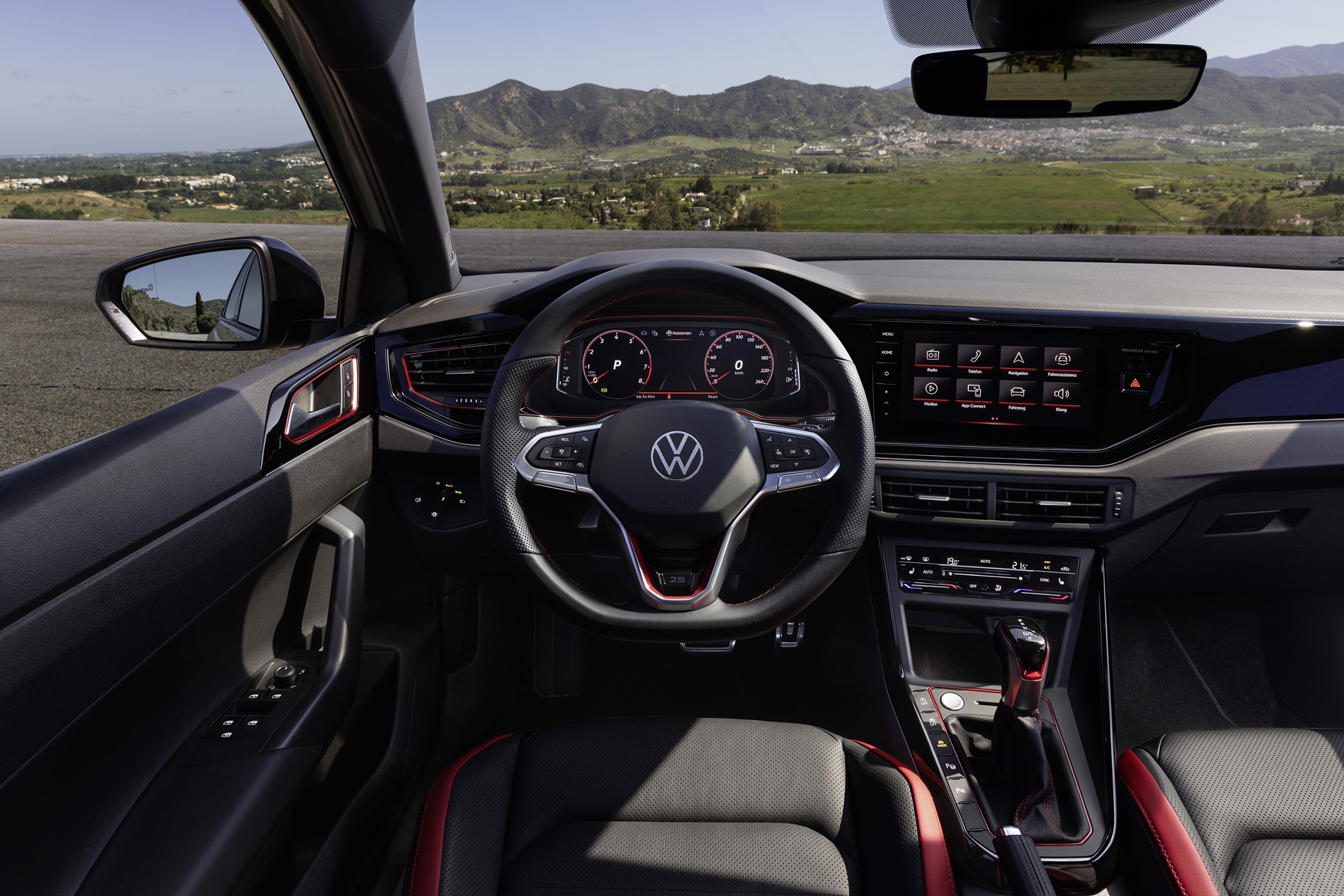
The Volkswagen Polo has undergone various recalls over the years, mainly related to braking systems, airbags and seat-belt buckles. Manufacturing defects range from faulty handbrakes to loose camshaft bolts and oil in the brake booster (the component that amplifies the pressure you put on the brake pedal). These faults have a direct impact on safety. Want to know whether your Polo is affected and what you need to do?
Overview of all Polo recalls
Volkswagen has carried out several official recalls for the Polo. These actions focus on safety risks caused by manufacturing defects during production. The most common problems involve the brake system, airbags and wheel components.
The best-known recalls are:
- Vacuum pipe brake system (2005 and 2002): Stress cracks in the vacuum pipe to the brake servo due to manufacturing defects. This can lead to brake failure. Applies to Polos built between 1997 and 1999 and earlier models.
- Passenger airbag (2021): A faulty wiring harness in the dashboard can hinder airbag deployment. Vehicles built between 19 August 2020 and 11 January 2021 must have the dashboard panel replaced.
- Handbrake Polo Vivo (2026): More than 25,000 units sold between February 2025 and February 2026 have handbrakes that do not meet specifications. This creates a safety risk because the brake can release while in use.
- Tyre leakage (1996): Wheel valve holes were mispositioned by 0.5 mm, causing pressure loss. Wheels were completely replaced.
- Gearbox problems (2013): In Australia, more than 25,000 vehicles were recalled. Owners complained about defective transmissions. The gearboxes showed shifting faults at low speeds.
‘ Repairs carried out under a recall are always free of charge, regardless of the age or mileage of the car. ’
How to check for outstanding recalls on your Polo
It’s easy to check whether there are still any outstanding recalls for your Polo. Check your chassis number (VIN) using the official dealer tools. You’ll find this number on your registration certificate or at the bottom of the windscreen.
Contact a Volkswagen dealer and give them your VIN. The dealer can immediately see whether there are any open recalls for your vehicle. This check is free and quick. Repairs carried out under a recall are always free of charge, regardless of the age or mileage of the car.
Always respond to messages from the dealer about recalls. Do not ignore them, because they concern safety risks that can have serious consequences while driving.

Seat-belt buckle and parking brake faults
In addition to official recalls, owners regularly report complaints about seat-belt buckles and parking brakes. On older Polo models, the seat-belt buckle sometimes jams. It can also happen that the buckle does not click in properly. This is often caused by dirt or wear in the mechanism.
Parking brake problems occur mainly on Polo Vivo models from 2025–2026. Owners warn that the handbrake releases while in use, especially on inclines. This problem is caused by manufacturing defects where the handbrake does not meet the correct specifications.
Is the parking brake not holding properly? Is the seat-belt buckle not working correctly? Have this inspected immediately. These problems are often covered by the warranty or an ongoing recall.
What to do if you have handbrake complaints
For Polo Vivo models from 2025–2026, the following applies: avoid off-road use and parking on slopes. The repair must be carried out first. Book an appointment with a Volkswagen dealer straight away for a free repair under the recall. Owners are contacted directly using dealer data, but you can also get in touch proactively yourself.
Oil in the brake booster: causes and consequences
Oil in the brake booster is a serious problem that can lead to reduced braking power. The seal between the vacuum pump (the component that creates a vacuum for brake assistance) and the brake booster fails. As a result, engine oil leaks into the brake booster.
Symptoms of this problem include:
- Soft or spongy brake pedal
- Longer stopping distance than normal
- Strange noise when braking
- Smell of oil in the cabin while braking
This problem occurs mainly on Polos with diesel engines from the period 1997–1999. The vacuum pipe to the brake servo can develop cracks due to stress fractures during manufacturing. This leads to vacuum leaks and reduced braking power.
Notice any of these symptoms? Stop driving immediately and have the car inspected. Brake failure is life-threatening and must be rectified at once. The repair consists of replacing the vacuum pipe and, if necessary, the brake booster.
Loose camshaft bolt on the Polo: risk and solution
A camshaft bolt coming loose (the bolt that keeps the camshaft adjustment in place) is a technical problem that can cause serious engine damage. On some Polo models, the bolt that secures the camshaft adjuster (the component that controls valve timing) can work loose while driving. The bolt was not tightened to the correct torque during production or servicing, which means it can come undone.
If the camshaft bolt loosens while driving, the camshaft timing can shift. The clearance between valves and other engine components is then no longer correct. This leads to timing problems between the valves (components that let air and fuel into and out of the engine) and the pistons. In the worst case, valves and pistons can collide, resulting in costly engine damage.
Symptoms of a loose camshaft bolt
Watch out for the following signs that point to a problem with the camshaft bolt:
- Tapping or rattling noise from the engine bay
- Loss of power or irregular engine behaviour
- Engine warning light illuminated
- Engine is hard to start or runs unevenly
Notice any of these symptoms? Have the car inspected by a specialist immediately. The solution consists of checking the camshaft bolt and tightening it to the correct torque. The bolt is often replaced preventively with a new one using threadlocker.
During every service, a mechanic checks the camshaft bolt. Ask for this to be checked specifically if your Polo falls within the sensitive build years or if valve-clearance work has been carried out previously.

Practical tips for Polo owners
Regularly check for possible defects yourself. Check your VIN regularly using the official dealer tools to see whether there are any outstanding recalls. This is free and can prevent serious problems.
Record the mileage when you notice possible defects. Also document what maintenance has been carried out. This speeds up claims and helps you prove your warranty rights. Do you have brake complaints such as spongy pedals or a handbrake that slips? Make an appointment with the dealer straight away.
Older Polo models with vacuum problems require extra attention. Check tyre pressures weekly, especially on models with known valve issues. Small leaks can indicate valve positioning problems linked to the 1996 recall.
If in doubt, always have a thorough inspection carried out. Many of the issues mentioned are covered by recalls or warranty, which means repairs are free of charge. Waiting can lead to further damage and higher costs.
Want to know more about the Volkswagen Polo
On the Carnews website you will find much more information about the Volkswagen Polo and related topics. Discover in-depth articles on common car problems, maintenance tips and practical experiences from other owners. Dive into more facts and increase your knowledge about your car.
Frequently asked questions
For older generations of the Volkswagen Polo, manufacturing defects have been reported in the brake system, such as stress cracks in the vacuum pipe to the brake servo (Polos around 1997–1999), which could lead to brake failure, and problems with wheel valve holes (around 1996) that caused slow pressure loss. In later generations, around 2013, there were major recalls in countries including Australia due to defective transmissions/gearboxes on tens of thousands of Polos. For recent generations (build years around late 2020–early 2021), a recall is known for the passenger airbag due to a faulty wiring installation in the dashboard, which could prevent the airbag from deploying correctly. On Polo Vivo models (roughly the 2025–2026 sales period) a specific recall was carried out due to manufacturing defects in the handbrake, which did not meet the specifications and could release.
You can enter your VIN (vehicle identification number) on the official Volkswagen website or via your Volkswagen dealer to check whether your Polo is subject to a recall. If there is an outstanding recall, the repair is normally free of charge and the dealer will schedule an appointment. If you are unsure or notice problems (such as brake or airbag faults), contact an authorised Volkswagen dealer immediately and drive the car as little as possible. Keep invoices and maintenance documents in case additional checks or reimbursements are required.
The most common symptoms are reduced braking performance (spongy pedal, longer stopping distance or a warning light), a handbrake that does not hold the car properly in place, unexplained loss of tyre pressure and shifting problems with the gearbox (jerking or poor engagement/disengagement). Watch out for soft or pulsing brake pedals, a handbrake that feels higher or “looser” than normal, tyres that repeatedly become too soft and vibrations or jolts when changing gear. Regularly check your VIN with the dealer for outstanding recalls and, if you notice these symptoms, have an inspection carried out immediately. This way, early-stage manufacturing defects can be detected before they lead to bigger, more expensive or unsafe problems.
Recalls and rectified manufacturing defects usually have a limited impact on residual value, as long as the issue has demonstrably been resolved; unperformed actions or persistent known problems can, however, clearly reduce the value. When buying a second-hand Polo, it is important to use the VIN to check with the dealer or online whether all recalls have been carried out, and to ask for proof of this (invoices/workshop job cards). Pay particular attention to the brake system, handbrake, airbags and (for certain build years) the gearbox, and always take an extensive test drive to detect shifting, braking or warning-light issues. A complete and verifiable maintenance history increases the residual value and reduces the risk of hidden manufacturing defects.
In addition to official recalls, some Polo owners choose to have higher-quality vacuum hoses and brake lines fitted as a preventive measure and to have the brake system flushed and inspected more frequently. It is also recommended to have the handbrake cable and mechanism checked preventively and adjusted on a regular basis, especially in the case of heavier use. Furthermore, regular checks of tyre pressures, valves and wheels (with preventive replacement of ageing wheels and valves where necessary) help to limit known leakage and wear issues. Finally, software and gearbox maintenance (timely oil changes and updates) can reduce shifting problems on certain build years.
Repairs carried out as part of an official recall or recognised manufacturing defect are, in principle, always free of charge, because they concern a safety or production fault that the manufacturer must correct, regardless of the age of the car. This normally also applies if the manufacturer’s warranty has already expired. You are then entitled to a free repair of the specific defect that falls under the recall, but not automatically to additional compensation or free extra maintenance. If in doubt, ask the dealer to confirm in writing that it concerns a recall or recognised manufacturing defect and that the costs will be fully covered by the manufacturer.