
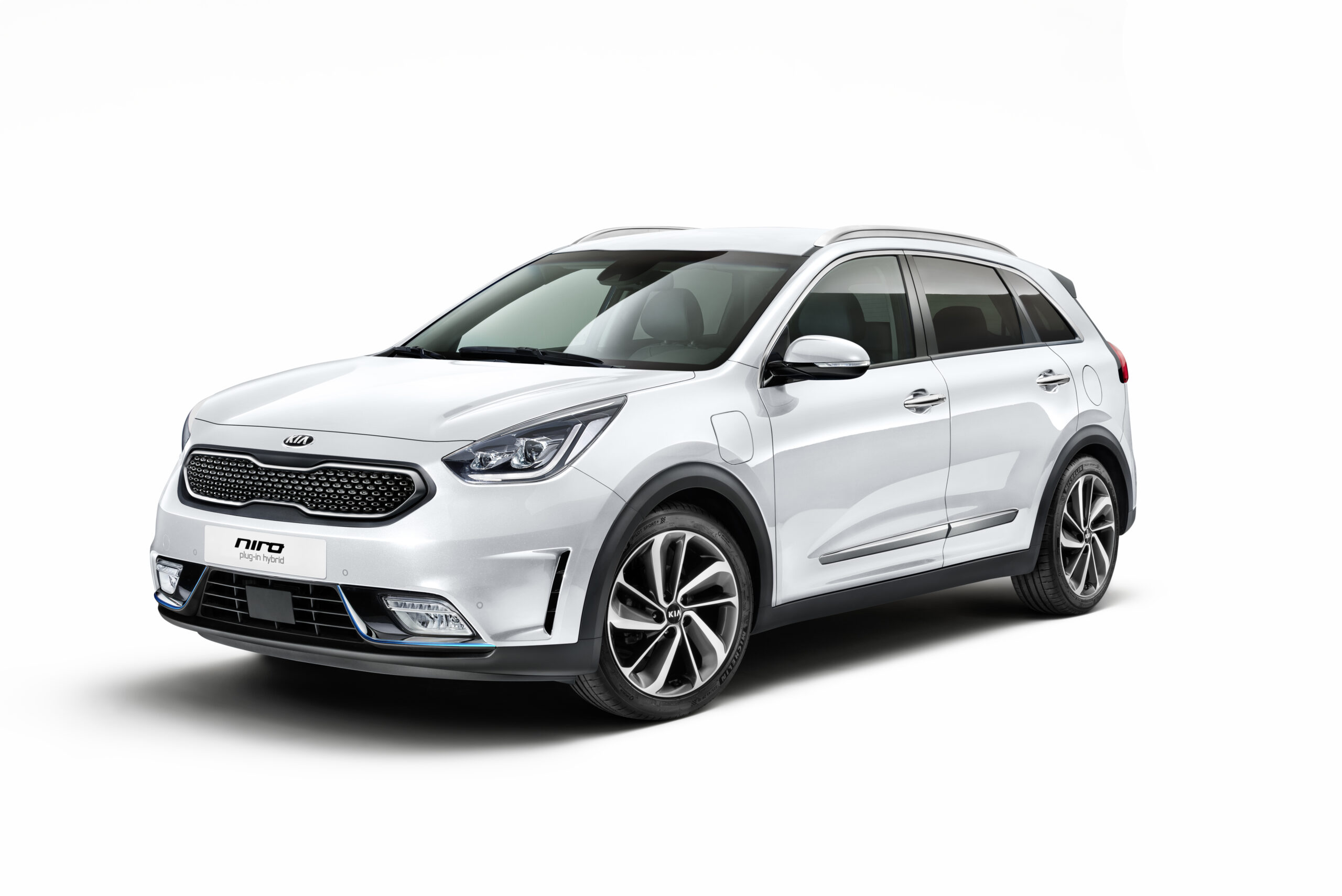
The Kia Niro has undergone several recalls since it was launched on the market in 2016. These were issued because of safety risks such as fire risk, defective power steering and electrical problems. Most recalls concern hybrid and plug‑in hybrid models from 2016–2017 and 2023–2025. The main causes are relay overheating, clutch leakage and wiring damage. The vast majority of these problems has now been resolved at dealers with free repairs. It does, however, remain important to check for any outstanding recalls and have them carried out.
Read on for a complete overview of the main recalls. You will also find information here on how to check your Kia Niro for safety.
Which recalls apply to the Kia Niro
The Kia Niro has been subject to several recalls. The most common problems concern electrical components and fire risks. There are three major recalls:
- The wiring under the passenger seat
- The hydraulic clutch actuator
- The hybrid transmission
These problems affect tens of thousands of vehicles worldwide.
The wiring under the passenger seat is a known issue in models from 2023–2025. The floor wiring can be damaged by friction or load. As a result, airbags and seat belts may not function correctly. This can lead to dangerous situations. The airbag may fail to deploy in a collision. In other cases, the airbag may instead deploy unexpectedly while driving. This recall affects over 80,000 vehicles, including the Niro HEV and PHEV.
The hydraulic clutch actuator poses a fire risk. This occurs in recent hybrid models. Plug‑in hybrid models are also affected by this problem. Fluid can contaminate the printed circuit board of this component. This causes a short circuit. This can lead to smoke or fire in the engine compartment. Dealers inspect the component and replace it if necessary. They also modify a fuse to further reduce the risk.
‘ This significantly increases the risk of fire in the engine compartment. ’
Fire risk due to leaking hybrid clutch
A common problem in Kia Niro models from 2016–2018 is a leaking hybrid transmission. The clutch can lose fluid. This fluid comes into contact with electrical components. This causes a short circuit. This significantly increases the risk of fire in the engine compartment.
Owners of affected vehicles receive an official letter from Kia asking them to contact a dealer. During the dealer visit, the clutch housing is inspected. The inspection focuses on leakage. Damage is also traced. If defects are found, the relevant parts are replaced. This work is completely free of charge and is carried out as part of the official recall.
Overheating of relay and battery
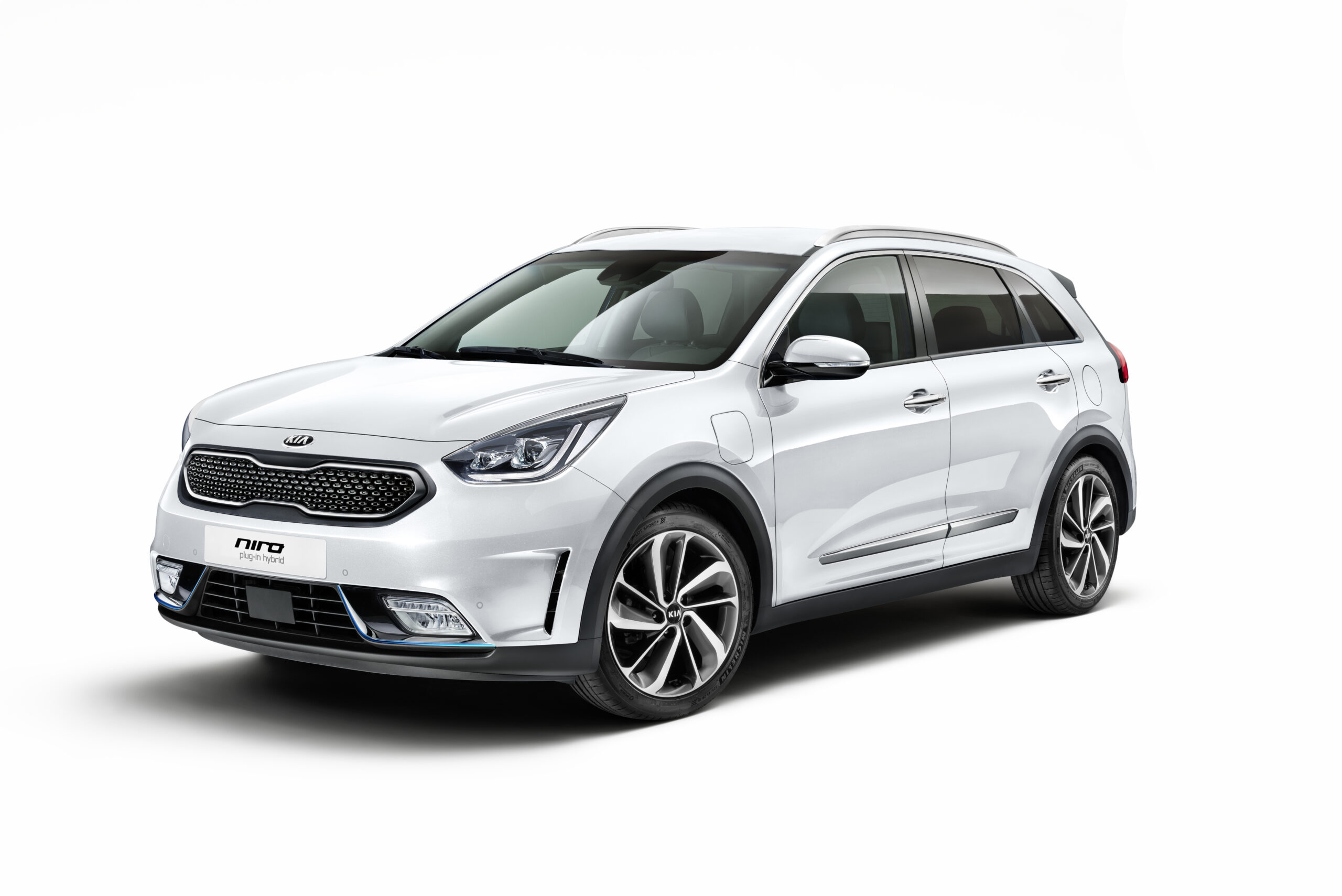
Models from 2016–2017 regularly suffer from overheating problems of the relay. The battery also struggles with overheating. Poor connections and contact points lead to increased temperatures. This shortens the battery’s lifespan. In extreme cases, this can create a fire hazard.
The symptoms are often subtle. Some owners report starting problems or a battery that discharges more quickly. In more serious cases, heat can be felt around the battery housing. Burning smells may also develop under the bonnet. This problem is tackled by checking and replacing the relevant connections and, if necessary, the relay itself.
How to check outstanding recalls for your Kia Niro
Checking whether there are any outstanding recalls for your Kia Niro is simple. The RDW offers an official online tool. Using your registration number you can look up all active recalls. This check is free of charge. You immediately gain insight into any safety measures. These measures then still need to be carried out.
Visit the RDW website. Then enter your registration number in the search field. The system will display all outstanding recalls. These relate to your specific vehicle. An alternative is the MijnKia portal. As an owner you receive personal notifications and updates about recalls there. These channels are linked directly to Kia’s system. The information is therefore always up to date.
If a recall is active you will usually also receive a letter from Kia. This letter contains instructions. It also lists contact details for dealers. Do not hesitate to make an appointment straight away. All repairs carried out as part of recalls are free of charge. This applies regardless of your car’s age or mileage. Postponing this work is unwise. It increases the risk of technical problems or safety issues while driving.
‘ This leads to dangerous situations. ’
Have the safety problems now been solved
The vast majority of safety problems in the Kia Niro has now been addressed. This was done through dealer visits. Software updates have also been rolled out. The recalls for relay overheating, hydraulic clutch and wiring problems have been rolled out on a wide scale. They reach most of the owners concerned. Dealers have the necessary parts and expertise to solve the problems.
Even so, a few issues continue to require attention. Loss of braking power is a problem that is not always tackled via an official recall. Owners do, however, frequently report this defect. With this defect, the brake pedal can completely lose its resistance. This leads to dangerous situations. It requires immediate attention from a specialist. It must not be postponed.
There are also reports of problems with detachable towbar assemblies. This occurs in some versions. These towbars can fail. This mainly happens under load. Owners who regularly use a trailer are advised to switch to a fixed towbar variant. This is more reliable. It is also better able to withstand loads.
Practical tips for Kia Niro owners
Preventive maintenance helps to detect problems at an early stage. It also prevents further damage. Pay particular attention to the following warning signs:
- Changes in the feel of the brake pedal
- Burning smell or heat build‑up at the battery
- Unusual noises from the engine compartment
These symptoms may point to known issues. They require attention.
Are you unsure about a symptom? Then make an appointment with a Kia dealer straight away. Work carried out under recalls usually takes a few hours to half a day. This depends on the type of repair. Having this remedial work carried out is important. Otherwise, small problems can escalate. They can develop into major safety risks.
A few concrete recommendations for owners:
- Regularly check your registration number via the RDW website so you don’t miss any outstanding recalls
- Have the battery and relay checked annually for overheating and connection problems
- Test the brake pedal for changes in resistance or feel while driving
- Replace a detachable towbar with a fixed variant if you regularly tow heavy trailers
- Respond immediately to official letters from Kia about recalls
What to do if you have problems with your Kia Niro
Are you experiencing symptoms that point to one of the known safety problems? Then contact an authorised Kia dealer immediately. Describe the complaints as precisely as possible. Also state when they occur. Specify under which conditions the problems arise. This helps the mechanic to diagnose more accurately. The problem can then be solved more quickly.
Avoid using your car in certain situations. This applies in the case of loss of braking power. You should also stop driving if you notice a burning smell. The same goes for warning lights that indicate electrical problems. These signals may point to acute safety risks. They require immediate attention. Continuing your journey is then dangerous. It increases the risk of damage or accidents.
Are you unsure how serious a problem is? You can always call Kia customer service. They provide advice. They can assess whether it is necessary to stop driving immediately. They can also indicate whether a routine dealer visit is sufficient. This service is free of charge and gives you peace of mind about the right next steps.
‘ These help you get more out of your Kia Niro. ’
Find out more about the Kia Niro
On the Carnews website you will find extensive information about the Kia Niro. You will find many more aspects of this model there. Think of maintenance costs, user experiences, comparisons with other hybrid models and tips for extending your car’s lifespan.
Discover all articles, guides and practical advice on the website. These help you get more out of your Kia Niro. You will also learn to recognise problems at an early stage. Stay informed and make use of the knowledge that Carnews has to offer.
Frequently asked questions
You can check whether your Kia Niro is subject to a recall by checking your registration number on the RDW website or logging in to MijnKia, where any outstanding recalls for your car are visible. If you see an outstanding recall or have received a letter/email from Kia, contact an authorised Kia dealer straight away to schedule an appointment. The dealer will carry out the necessary inspections and repairs free of charge. In the case of serious complaints (such as burning smells, warning lights or braking problems), drive as little as possible and discuss this explicitly with the dealer.
The main safety issues on the Kia Niro that have led to recalls are damaging floor wiring under the passenger seat, which can cause airbags and seat belts to fail or to deploy unexpectedly. In addition, there is a problem with the hydraulic clutch actuator (HCA), where leaking fluid can damage the printed circuit board and cause a short circuit or fire in the engine compartment. There have also been reports on older hybrid models of leaks in the hybrid clutch, with a risk of short circuit and fire. Furthermore, there are reports of overheating relays/batteries and (partial) loss of braking performance, which are regarded as safety risks.
If recalls are carried out in good time and properly, they actually increase safety because known risks (such as fire risk or failing airbags/brakes) are prevented in advance. Reliability may be under pressure in the short term due to extra workshop visits, but improves after the repairs because weak components have been dealt with. As for residual value, a model with many known issues may be slightly less attractive, but documented recalls carried out and good dealer servicing will limit the drop in value. A complete maintenance and recall history is therefore important to protect the residual value of your Kia Niro as much as possible.
Kia is trying to maintain the confidence of car enthusiasts by actively carrying out recalls, informing owners directly and having the necessary repairs carried out free of charge via official dealers. In addition, affected components (such as wiring, hydraulic clutch actuators and fuses) are preventively inspected, modified or replaced to prevent a recurrence. The lessons learned from these safety issues are incorporated into the design and engineering of future models, with additional focus on electrical components, fire risk and airbag/seat‑belt systems. This should mean that the next generations of Niro and other Kia models have more robust wiring, improved protection against short circuits and tighter quality controls.