
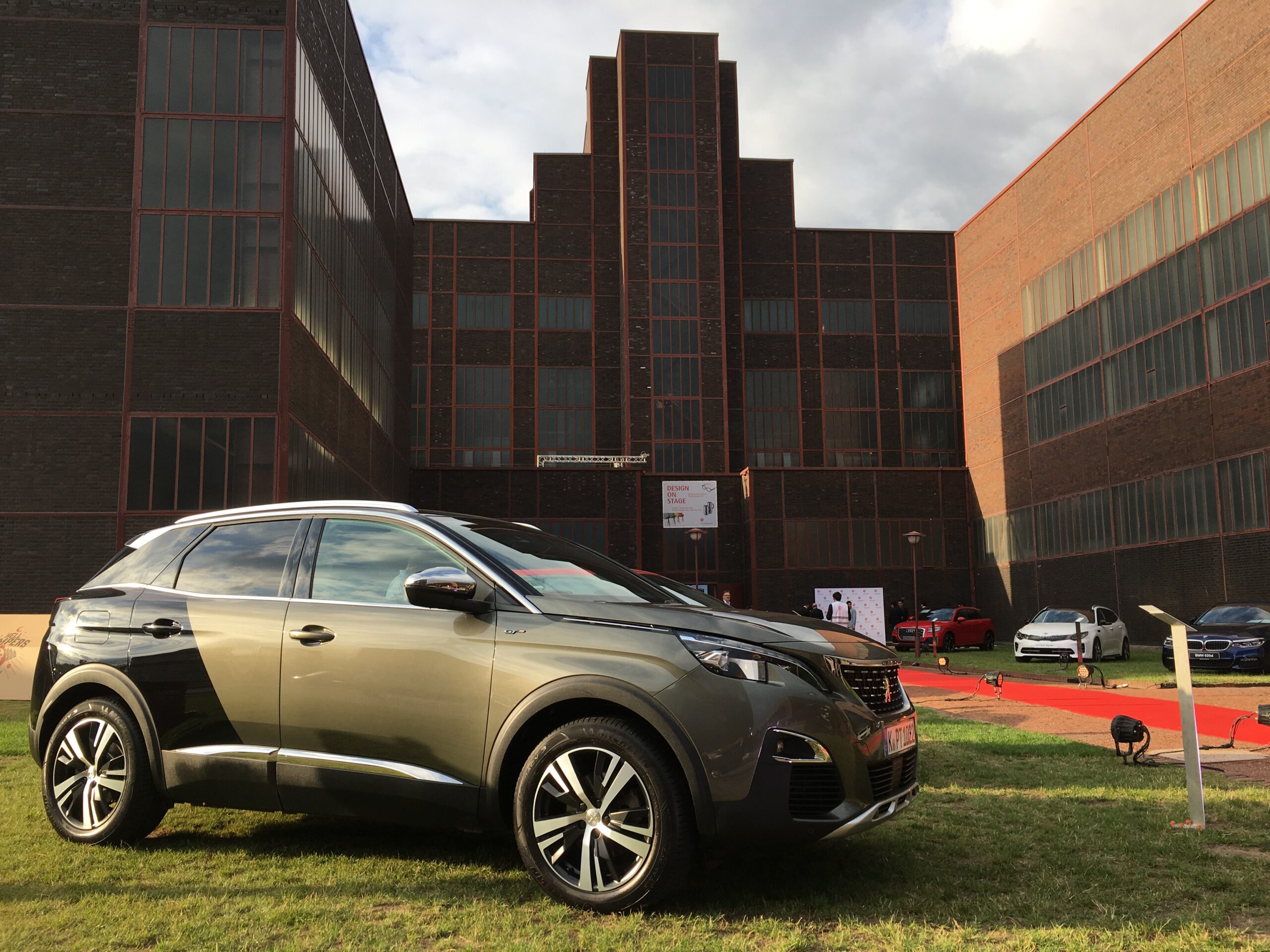
Recalls for the Peugeot 3008 mainly focus on batteries in hybrids, starter motors and front ball joints, with all repairs being carried out free of charge. Owners of a Peugeot 3008 are well advised to check whether their vehicle is subject to any open campaigns. Find out which recalls affect your model and what you need to do.
Battery problems with plug-in hybrid models
The Peugeot 3008 GT Sport Plug-in Hybrid from 2021 and 2022 is subject to two separate recalls. Both campaigns concern the battery and affect a total of just over 200 vehicles. The first campaign deals with a software fault in the battery management system. This fault can lead to overheating or smoke, with a risk of fire while charging or driving. The second campaign focuses on a manufacturing defect where the battery reinforcement plate or the cover was not treated with protective wax. This can allow water to enter and cause corrosion.
Owners of a plug-in hybrid will receive a letter from Peugeot as soon as their vehicle is affected. The advice is to contact an authorised dealer straight away. The repair consists of a software update or applying a protective coating. Both interventions are carried out free of charge. Until then, only charge the car in well ventilated areas and monitor the battery status via the dashboard.
‘ These jobs take a few hours and are carried out free of charge. ’
Starter motor problems on 2016–2017 models
The second-generation Peugeot 3008, produced between April 2016 and July 2017, is subject to a recall for the starter motor (the component that sets the engine in motion when you start it). On these vehicles, the power terminal of the starter motor can make contact with an engine component. This can lead to a short circuit, starting problems or overheating. In Ireland, 53 examples are affected, but the campaign also applies to vehicles in other European countries.
The dealer checks the position of the starter motor cable and applies insulation if necessary. In some cases, the cable is replaced. These jobs take a few hours and are carried out free of charge. Use the VIN to check whether your 3008 from this production period is covered by the campaign.
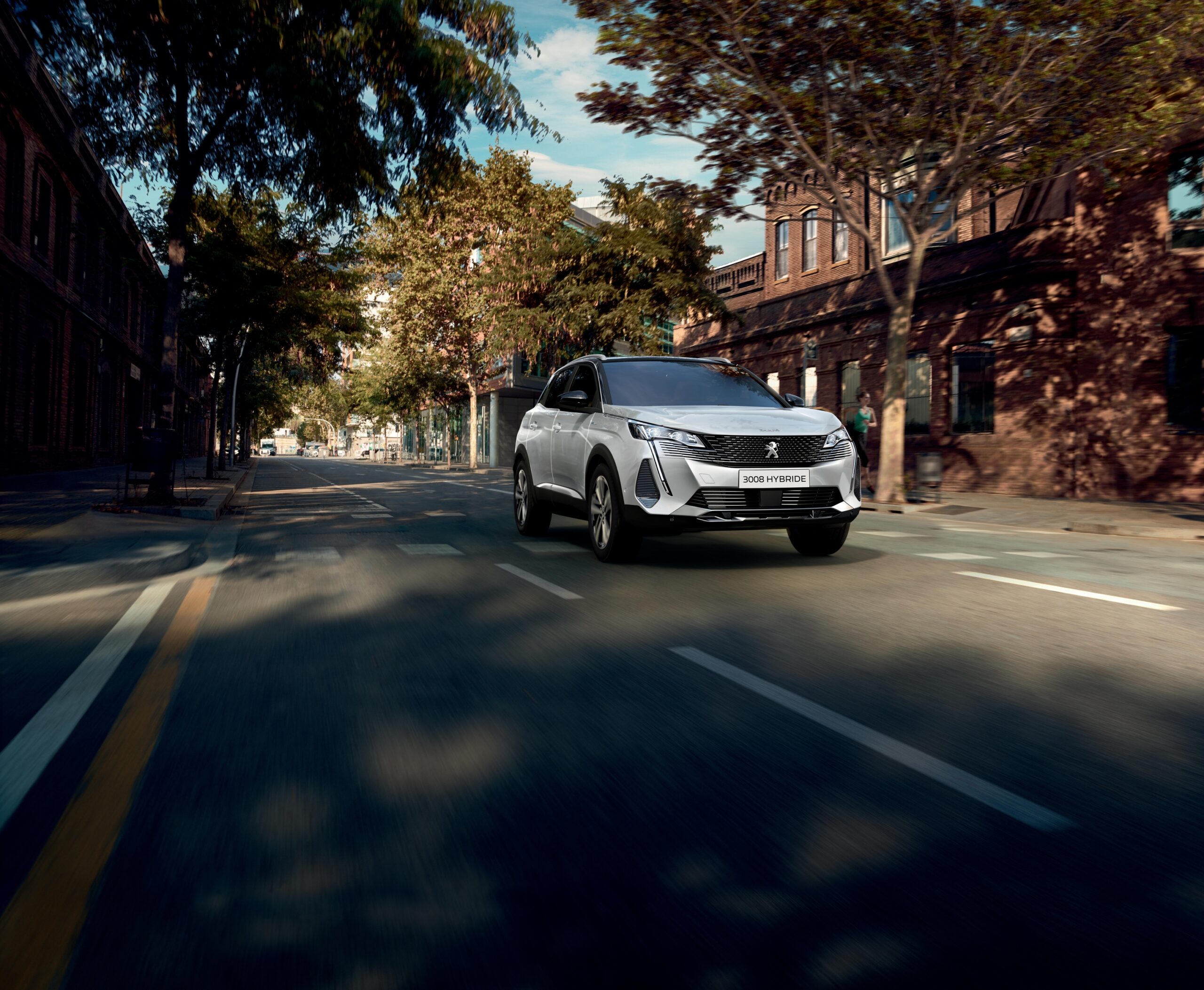
Front ball joints can break
A recent recall affects the Peugeot 3008 and 5008 and concerns the front ball joints (a part of the suspension). The bolts securing these components can break, jeopardising steering and safety. In France, around 20,000 vehicles are affected. Dutch owners may also be affected by this campaign.
The dealer inspects the ball joints and replaces the bolts or the complete component if necessary. This preventive measure avoids unsafe situations and maintains driving stability. Owners report that the repair is carried out quickly and that dealers get in touch proactively. It is sensible not to wait for a letter to arrive, but to take the initiative yourself using the VIN.
Diesel particulate filter problems
Diesel versions of the Peugeot 3008 from the years 2016 to 2018 suffer from a defective diesel particulate filter (the component that filters harmful soot particles from the exhaust gases). A plastic spacer in the exhaust line or incorrect engine calibration is at the root of this problem. As a result, some examples exceed the legal limits for nitrogen oxide emissions. This does not immediately cause faults, but can lead to warning lights and reduced performance.
Peugeot resolves this by adjusting the engine calibration or replacing components in the exhaust. Regularly check your warning lights and take an occasional longer trip at higher speed. This helps to keep the particulate filter cleaner. If problems persist, the dealer will address the filter as part of the recall.
‘ All costs are covered by the manufacturer, regardless of the age or mileage of the car. ’
Which recalls apply to your Peugeot 3008
To find out whether your vehicle is included in a recall, you need the VIN (vehicle identification number). On a Peugeot this 17-character number starts with VF3 or VR3 and is shown on the registration document or on a plate at the bottom of the windscreen. Go to the official Peugeot website and enter the VIN to check for any open campaigns. Peugeot also sends a letter to affected owners, but it is advisable to carry out a proactive check yourself.
If there is an open recall, contact an authorised Peugeot dealer. Make an appointment for inspection and repair. All costs are covered by the manufacturer, regardless of the age or mileage of the car. This also applies to vehicles bought second-hand. When buying a used car, always keep the VIN handy so you can immediately verify whether there are any open campaigns.
Timing chain recall
Although specific recalls for the timing chain (the component that connects the crankshaft to the camshaft and ensures that the valves open at the right time) on the Peugeot 3008 are not widely documented, owners do report complaints about this part. On certain engine variants, timing chains can stretch or jump, with serious engine damage as a result. This occurs mainly on models that are heavily used or poorly maintained.
Preventive maintenance is the key recommendation here. Have the chain checked regularly in line with Peugeot’s service schedule. Signs such as rattling noises when starting or at idle can indicate wear. If in doubt, contact the dealer immediately. Some engine variants have a longer service life than others, so ask specifically about the history of your engine type.
Check recalls using the registration number
It is not possible to check recalls using only the registration number. Manufacturers and official websites always ask for the VIN. The registration number does lead you to the registration document, where the VIN is shown. This number gives access to all campaign information.
Use reliable sources such as the Peugeot Netherlands website or the RDW (Netherlands Vehicle Authority). Commercial websites sometimes also offer a check, but the official channels are the most up to date and complete. Owners of a second-hand Peugeot 3008 can use them to check for open actions before purchase. This prevents surprises and unexpected service visits after you buy the car.
Practical tips for owners
Recalls are no reason to panic. They show that Peugeot is actively addressing risks and informing owners. All work is free of charge and contributes to the safety and value of your car. It is important, however, to take action as soon as you hear about a campaign.
- Write down the VIN and check at least once a year for new campaigns.
- Keep letters from Peugeot and the dealer with details of repairs carried out.
- Report complaints or irregularities to the dealer straight away, even if no recall is known.
- Do not put off the repair until later, especially in cases of fire risk or safety issues.
- Ask the dealer about the experiences of other owners with the same campaign.
Some owners report new charging problems with hybrids after software updates. Report this to the dealer immediately. Others experience improvements in performance and comfort. Every situation is different, but being open with the dealer helps to resolve issues quickly.

Discover more about the Peugeot 3008
On the Carnews website you will find extensive information on many more topics related to the Peugeot 3008. Think of common car problems, maintenance advice and owners’ experiences. Whether you are looking for technical details or practical tips, there is a wide range of articles available. Discover more and stay up to date with everything related to your car.
Frequently asked questions
The recent recalls for the Peugeot 3008 mainly concern the 3008 GT Sport Plug-in Hybrid from model years 2021–2022, due to software faults and manufacturing defects in the high-voltage battery pack. In addition, 3008 II models produced between 5 April 2016 and 17 July 2017 are affected by a campaign relating to the starter motor. There is also a campaign for recent 3008 and 5008 models with potentially weak mounting bolts on the front ball joints. Finally, 3008 diesels from roughly 2016–2018 are involved in recalls for a defective diesel particulate filter (DPF).
The recalls are mainly necessary because of the risk of overheating and possible fire in the plug-in hybrid battery, caused by a software fault in the battery management system. In addition, the absence of protective wax can lead to corrosion and water damage to the battery. On some model years there is also a risk of short circuit and overheating of the starter motor, and of breaking bolts on the front ball joints that can affect road holding and control of the vehicle. Finally, there are particulate filter problems that can cause exhaust system defects and exceedance of emission standards.
You can use the 17-character VIN (vehicle identification number, usually starting with VF3 or VR3) on the official Peugeot website to check whether your 3008 is covered by a current recall. You can also call your dealer or importer with your registration number/VIN and have them check this in their system. If there is an open recall, make an appointment as soon as possible with an authorised Peugeot dealer. Inspection and repair carried out under an official recall are free of charge.
The proposed solution differs per recall: on the plug‑in hybrids it involves a software update for the battery management system or treating/replacing battery components to protect against corrosion. For the starter motor, the wiring and/or the starter motor itself is modified or replaced. For the front ball joints, the mounting bolts are checked and replaced if necessary, and for the particulate filter the DPF system and engine calibration are checked and the filter may be replaced. Depending on the campaign, the repair usually takes from around one to several hours, generally within a single working day.
There are no specific, documented cases of serious accidents reported that are directly linked to these defects. The recalls are mainly preventive in nature, due to potential risks such as fire, short circuit or loss of control caused by breaking ball joint bolts. The available information mentions numbers of affected vehicles and descriptions of the risks, but no concrete overview of actual damage cases.