
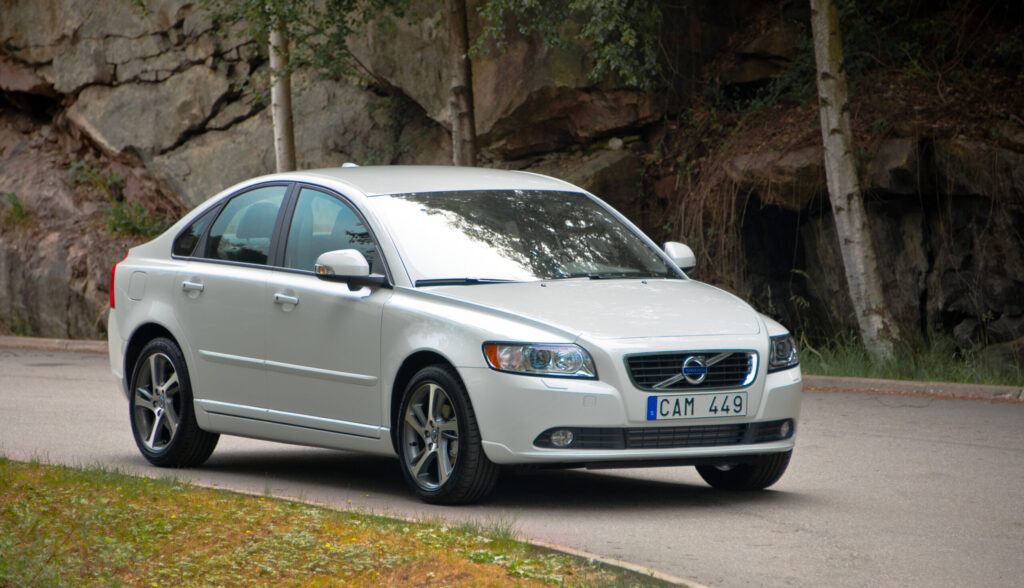
You can recognise a slipping transmission in the Volvo S40 by rising revs without the car accelerating at the same rate, a slow response when changing gear and sometimes even a burning smell while driving. In manual models the clutch is usually the culprit, while automatics are more likely to suffer from oil or software issues. Discover what the symptoms are, what causes them and whether you can tackle this problem yourself.
Why does the transmission slip in the Volvo S40?
A slipping transmission in the Volvo S40 has various causes, depending on the type of gearbox. In manual versions it is usually a worn clutch. This no longer properly connects the engine to the wheels. The clutch plates wear over time and lose their ability to transmit power. You see this mainly in cars with well over 150,000 kilometres on the clock, although it strongly depends on how you drive.
In automatics the cause is often aged transmission fluid (the fluid that lubricates and cools the automatic transmission). This oil loses its lubricating and cooling properties. This leads to internal wear of the clutch packs (discs that transmit movement and power in the automatic). Valves (valve-like parts that regulate oil pressure) in the gearbox also wear. In addition, software problems occur, which disrupt gear changes. Owners of the Volvo S40 also report contaminated input shafts (the shafts that transfer movement from the engine to the gearbox). Faulty release bearings (bearings that absorb pressure while changing gear) are also mentioned as possible causes of slipping behaviour.
An aggressive driving style makes the problem worse. Hard acceleration and abrupt gear changes speed up wear. Prolonged heavy loading creates extra heat. In manual cars you often see people riding the clutch, resting their foot lightly on the pedal. This accelerates wear. Frequently pulling away on hills or with trailers also puts extra strain on the clutch.
‘ This does not mean the problem is solved. ’
Symptoms of a slipping gearbox in the Volvo S40
A slipping transmission has several symptoms. The most noticeable symptom is the engine speed rising when accelerating while the speed barely increases. You feel this especially in the higher gears, such as third or fourth gear. This happens at around 3000 to 4000 revolutions per minute. The car feels as if it is under load while you make little progress.
In automatics you often notice jerky or slow gear changes. The gearbox responds slowly when you shift from D to R. The car may pull away hesitantly in cold weather. Some owners report that the car thumps or grinds around gear changes. Others notice vibrations. In more serious cases, warning messages appear on the dashboard, such as “Transmission service required”.
In manual models you may sometimes smell burning. Here a slipping clutch is the cause. The burning smell is caused by friction between the clutch plates. The plates do not engage properly. The feeling is similar to pulling away with the handbrake still half on. It also becomes more difficult to select first gear or reverse, especially after a long drive or when the car is cold.
When are symptoms most noticeable?
The complaints usually worsen under load. When pulling away on a hill the slipping behaviour becomes more obvious. Problems also occur with a fully loaded car. You also notice slipping behaviour during overtaking manoeuvres. Problems are more common on cold starts. The oil is then thicker and flows more slowly through the system. Once the car reaches operating temperature, the symptoms sometimes decrease slightly. This does not mean the problem is solved.

Can I repair a slipping transmission in a Volvo S40?
Repairing a slipping transmission depends on the cause and the severity of the damage. With mild issues in an automatic, changing or flushing the transmission fluid often improves things. Aged oil loses its properties and makes shifting more difficult. An oil change replaces the old fluid, which often restores the functioning of the valves (valve-like parts that regulate oil pressure) and clutch plates (discs that transmit movement and power).
Sometimes you can resolve software problems in automatics with an update of the transmission control unit. In some cases Volvo has released software to address shifting issues. Have this checked during servicing at a specialist garage. If there is mechanical wear to internal components, an overhaul or replacement of the gearbox is often necessary.
In manual models the clutch is often worn. Replacement is then the only long-lasting solution. Owners and mechanics recommend replacing the clutch plates as well as the pressure plate and the release bearing. These parts often wear at the same time and a complete set prevents you from having to dismantle everything again shortly afterwards. The labour involved in clutch replacement is quite intensive, so it pays to tackle everything in one go.
What does it cost to repair a slipping transmission?
The costs vary greatly. An oil change for an automatic costs several hundred euros. A complete clutch kit including fitting quickly adds up to 1,000 to 1,500 euros, depending on the garage. The type of clutch also determines the price. Overhauling or replacing an automatic gearbox is considerably more expensive and costs several thousand euros. Acting early often saves money, because driving on with slipping issues causes additional damage to other components.
Prevent further damage to the transmission
If you notice symptoms of a slipping transmission, act quickly. If you keep driving, the complaints will worsen. The damage spreads to the pressure plate, and bearings also become damaged. Internal gearbox components can also suffer damage. Have a mechanic determine the cause. Is the problem with the clutch or with the gearbox itself? A diagnosis under load often gives the best insight and shows where the wear is.
Use the clutch only when necessary. Do not rest your foot on the pedal while driving and change gear smoothly without using excessive throttle. In automatics it helps to change the transmission fluid at the prescribed interval. The manufacturer may claim that the oil lasts a lifetime, but changing it is still advisable. Regular maintenance extends the life of the gearbox and prevents costly repairs.
Tips for a longer transmission lifespan
- Change gear smoothly and give the clutch time to engage fully
- Avoid hard acceleration and sudden bursts of speed from a standstill
- Have the transmission fluid checked during routine servicing
- Ask during servicing whether any software updates are available
- Warm up the engine before driving it hard, especially in winter
‘ Experience shows that it pays not to ignore early warning signs. ’
Experiences of Volvo S40 owners
Owners of the Volvo S40 regularly report slipping issues with clutches and automatics. In practical forums, owners and mechanics often advise replacing all related parts when changing the clutch. One user describes slipping that mainly occurred in third and fourth gear at higher revs. This is typical of a worn clutch that no longer fully engages under load.
In automatics there are reports of rough shifting on cold starts and slow responses when selecting reverse. Some owners saw improvement after a transmission flush, while others eventually opted for a gearbox overhaul. Experience shows that it pays not to ignore early warning signs. Minor wear issues can quickly turn into major damage.

When should you go to the garage with slipping issues?
If you notice that the revs rise without a corresponding increase in acceleration, book an appointment. If gear changes are difficult, you should also make an appointment. Do not wait until warning messages appear or you smell burning. With a test drive under load, a mechanic can determine where the problem lies and what measures are needed. In automatics a diagnostic computer reads out fault codes that point to software or mechanical issues.
Ask about the condition of the transmission fluid and have it checked to see whether it still meets the specifications. Contaminated or burnt oil indicates internal wear and requires prompt action. In manual cars the mechanic will test the clutch for slipping and wear. Clear communication about the symptoms helps the mechanic to quickly make the correct diagnosis.
On the Carnews website you will find much more information about common problems with the Volvo S40, from electrical faults to engine issues. Discover useful tips, experiences from other owners and practical solutions to help keep your Volvo in top condition.
Frequently asked questions
The first signs are usually that the engine revs rise while the car hardly accelerates, especially under hard acceleration. You may also notice that the car changes gear slowly, hesitantly or jerkily, particularly on a cold start. Sometimes it feels as if you are pulling away with the handbrake lightly applied, or you may smell a slight burning odour when pulling away or on hills. In automatic versions, messages such as “Transmission service required” or a delayed response when selecting D or R can also occur.
In the Volvo S40, a slipping transmission is often caused by worn clutch plates, pressure plate or release bearing in manual versions. In both manuals and automatics, aged or incorrect transmission oil and contamination in the gearbox can lead to slipping and shifting problems. In automatics, software problems in the transmission control unit and internal wear of clutch packs and valve bodies also play an important role. Prolonged heavy or aggressive driving speeds up wear and increases the risk of slipping.
With a slipping transmission in a Volvo S40, the costs vary widely: for a manual, a complete clutch overhaul (clutch kit plus labour) is usually roughly between €700 and €1,500, depending on the engine and labour rate. For an automatic, changing or flushing the oil and a software update can sometimes provide a solution from around €250–€500, but with serious internal wear an overhaul can easily cost €1,500–€3,000 or more. Common repair options are replacing the complete clutch kit (plate, pressure plate, release bearing) in manuals, or oil maintenance, software updates and, if necessary, gearbox overhaul or replacement in automatics. A timely diagnosis often prevents a relatively simple intervention from turning into an expensive overhaul.
You can mainly limit the damage by driving gently: do not accelerate hard, do not tow a trailer and avoid high revs and heavy loads as much as possible. Check (or have checked) the level and condition of the transmission or clutch oil and have it changed if necessary, especially in an automatic. If you clearly feel slipping or smell burning, avoid driving as much as possible and book a (diagnostic) visit to a garage as soon as you can. Trying to “adjust” things yourself or carry out mechanical work is not advisable, as this often causes extra damage.
Have the transmission oil checked and changed in good time, and always choose the oil specified by Volvo. Avoid aggressive acceleration, excessive clutch slipping and prolonged heavy loading (for example with a heavy trailer or caravan). During servicing, also have the transmission software checked for updates and present any abnormal shifting behaviour to a specialist straight away. Respond early to signs such as slipping, jerky shifting or warning messages to prevent expensive consequential damage.