
Vibrations in the brake pedal and squeaking noises when braking are signs that your braking system needs attention. These symptoms occur regularly on different models and can point to worn parts, corrosion or air in the system. Although not all cars suffer from this, it is important to know the causes and take timely action for your safety.
Why your brake pedal vibrates when braking
Vibrations in the brake pedal are usually caused by uneven wear of the brake discs. When the discs are no longer completely flat, the contact area with the brake pads becomes uneven when braking. You feel this back as a vibrating pedal or steering wheel.
The cause often lies in overheated brake discs that cool down unevenly. This happens, for example, after heavy braking, such as on downhill stretches or with sporty driving. Long periods of standing still in damp conditions can also lead to local corrosion on the discs, which causes vibrations as soon as you start driving again.
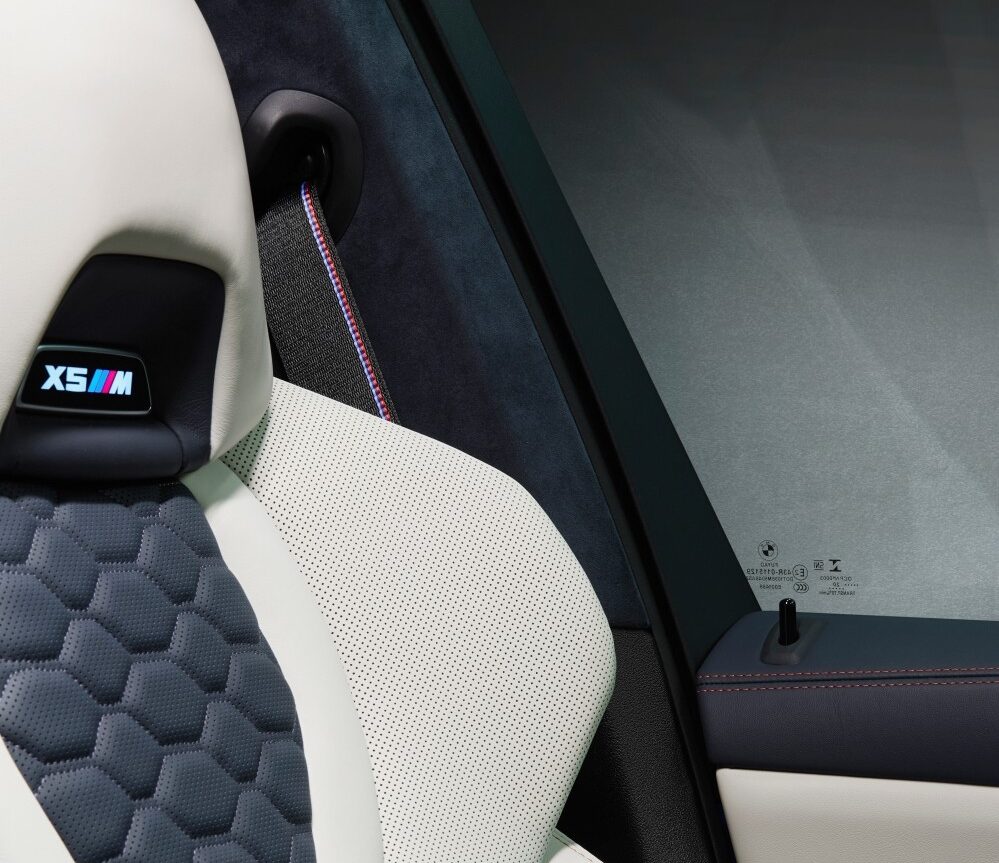
With the BMW X5, owners sometimes report vibrations in combination with a sinking or spongy brake pedal. In such cases there may also be air in the braking system or the brake booster may not be working properly. This requires professional diagnosis with specialised equipment.
Squeaking brakes and what they mean
Squeaking noises when braking are often an indication that your brake pads are worn. Many brake pads have a built-in wear indicator, a small metal tab that starts to squeak when the minimum thickness has been reached. This is a deliberately designed warning signal.
However, not all squeaking noises indicate worn pads. Sometimes the noise is caused by:
- Dirt build-up between brake pad and disc
- Moisture or rust after a longer standstill
- Wrong type of brake pads or fitting errors
- Vibrations due to components working loose
If the squeak only occurs during the first braking actions and then disappears, it is often due to moisture or light rust. This usually resolves itself while driving. If the noise continues, an inspection is necessary to prevent damage to the brake discs.
Preventing and recognising corrosion on brake lines
Brake lines transport the brake fluid from the master cylinder to the brake callipers. These metal lines can be affected by corrosion, especially on cars driven in areas where road salt is used, or that often stand in damp conditions.
Corrosion forms on the outside of the lines and slowly eats its way through the material. In an advanced stage this can lead to brake fluid leaks, which greatly reduce braking power. Regular visual inspection during servicing is therefore required.
Prevention starts with regularly cleaning the underside of your car, especially after winter. When doing so, watch out for:
- Rust or white deposits on brake lines
- Damp spots around unions and connections
- Falling brake fluid level without visible leaks elsewhere
- A warning light for low brake fluid level
Damaged brake lines must always be replaced. Repair with tape or glue is dangerous and is never recommended for safety-critical components such as brakes.
When to replace brake hoses
Brake hoses are the flexible connections between the fixed brake lines and the moving brake callipers. These rubber hoses must provide flexibility while steering and when the suspension moves, but they can become damaged over time.
Typical causes of hose wear are age, rubbing against moving parts, cracks caused by sunlight and ozone, and weakening due to heat. A damaged brake hose can swell internally, stopping the brake fluid from flowing back properly. This results in a brake calliper that sticks on.
Brake hoses usually need replacing after 6 to 10 years, depending on operating conditions. Signs that point to problems include:
- One wheel getting warmer than the others
- The car pulling to one side while driving
- Spongy brake feel or reduced braking power
- Visible cracks or bulges in the hose
If you are unsure about the condition of your brake hoses, you can ask for an extra check during a service. Replacement is relatively simple and prevents dangerous situations.
‘ In that case you must call in professional help immediately. ’
Is brake judder dangerous for your safety
In most cases, vibrations when braking do not pose an immediate danger. They are a sign that maintenance is needed. The car will still brake, but effectiveness may be reduced. With light vibrations due to worn discs, it is wise to take action within a reasonable time.
It becomes more dangerous when vibrations are accompanied by a sinking brake pedal, a pulsing noise or warning lights. This combination can indicate air in the braking system, a faulty brake booster or a leak in the system. In that case you must call in professional help immediately.
A sinking brake pedal forces you to press further and further for sufficient braking power. This is caused by an internal leak in the master cylinder or a defective vacuum booster. You can test the booster by pressing the brake pedal several times with the engine switched off until it feels hard. Keep the pedal depressed and start the engine: if the pedal does not sink, the booster is defective.

Spongy brake feel due to air in the system
A spongy or soft brake pedal often indicates air in the brake fluid. Air is compressible, unlike fluid, so the pressure is not fully transmitted to the brake callipers. This results in longer stopping distances and less control.
Air enters the system through leaks. Air can also enter after maintenance work, because lines are then disconnected. In addition, ageing brake fluid absorbs moisture. Brake fluid attracts moisture from the air. This lowers the boiling point. Air pockets then form.
The solution is to bleed the braking system completely. On modern cars with ABS and electronic brake force distribution systems this is often only possible with professional diagnostic equipment. A complete bleed costs around 90 euros. This removes all air from the system. It restores the normal brake feel and full braking power.
Warning lights and what you should do
The brake system warning light on the dashboard illuminates when a fault is detected. This can range from a low brake fluid level to sensor faults in the brake booster or ABS module.
If a brake warning light comes on, you should first check the brake fluid level. The reservoir is usually located in the engine bay, often by the master cylinder. A low level can indicate worn brake pads, a leak or a faulty sensor.
If the light stays on after topping up the fluid, there is probably an electronic fault or a problem with the brake booster. Some cars have a sensor that detects moisture in the plenum chamber by the booster. This moisture must be removed by flushing the system at a specialist garage.
Never continue driving with a brake warning light on if you also notice a change in brake feel. Combine your visual check with a cautious brake test in a safe place to determine whether the situation is urgent.
‘ Many problems are caused by insufficient bleeding or incorrect fitting, and these are relatively easy to fix when they are spotted early. ’
Maintenance and prevention for a reliable braking system
Regular inspection of your braking system prevents most problems. During periodic services, the brake pads, discs and fluid are checked. In addition, it is sensible to keep an eye on any changes in braking behaviour yourself.
Replace brake fluid in line with the manufacturer’s recommendation, usually every 2 to 3 years. Even if the fluid still looks clear, the moisture content increases and reduces effectiveness. Fresh brake fluid has a higher boiling point and prevents vapour formation during heavy braking.
After replacing brake pads or discs, bedding-in is required. To do this, brake firmly several times from about 80 kilometres per hour without coming to a complete stop. This ensures an optimal surface match between pads and discs.
Pay close attention to symptoms after work on the braking system. Newly developed noises, vibrations or a changed pedal feel require immediate inspection. Many problems are caused by insufficient bleeding or incorrect fitting, and these are relatively easy to resolve when they are detected early.

When to go to the garage and what to expect
Serious symptoms mean you must stop driving immediately. This applies to a suddenly sinking pedal, complete loss of braking or constant warning lights. Have the car towed to a garage instead of taking the risk.
For less urgent problems such as light vibrations or occasional squeaks, you can book an appointment for an inspection. A good garage will carry out a visual check, measure the thickness of pads and discs, and test the braking system on a rolling road.
Repairs to the braking system are often covered by warranty when the car is relatively new and was bought from a qualified dealer. Always ask about the warranty conditions. Only then agree to expensive repairs. If faults occur on many examples of the same model, the manufacturer may issue a recall or offer a goodwill arrangement.
Preferably choose a garage with brand-specific expertise, especially for complex systems with electronic assistance and integrated ABS modules. These garages have the right diagnostic equipment and access to technical service bulletins from the manufacturer.
On the Carnews website you will find more detailed information about specific models, common faults and practical maintenance tips. Discover which problems affect your car brand and how best to tackle them.
Frequently asked questions
You can detect brake problems early by paying attention to changes in the brake pedal: if it becomes spongy, sinks further, or feels very hard, something may be wrong. Also listen out for new noises when braking, such as squeaking, grinding or pulsing sounds, and for a longer stopping distance than you are used to. Regularly check the brake fluid level and watch for warning lights on the dashboard. If you notice one or more of these signals, have the braking system checked by a garage straight away.
Regular brake maintenance is essential: replace worn brake pads and discs in good time and have the system bled professionally. In addition, the brake fluid level must be checked and the fluid changed periodically to prevent air and moisture build-up. Checking the brake booster and vacuum system and cleaning brake components (to prevent dirt build-up and squeaks) will also extend service life. After any brake work, a thorough test and a check for fault codes is necessary to detect problems at an early stage.
Roughly speaking, there are three types of brake pads: organic (comfortable, little noise but wear faster), semi‑metallic (more powerful braking, a bit more dust and noise) and ceramic (consistent performance, little dust, often more expensive). Brake discs come as solid (for normal, calm driving), ventilated (better cooling, suitable for heavier cars and mountainous use) and sometimes perforated or grooved (for sporty driving, better heat dissipation but often more wear and noise). If you mainly drive calmly in everyday traffic, organic or ceramic pads with solid or standard ventilated discs are most suitable. For sporty driving, heavy loads or frequent mountain roads, semi‑metallic or ceramic pads with ventilated and possibly perforated/grooved discs are a better match.
Continuing to drive with early brake problems increases the risk of a longer stopping distance, unexpected loss of braking power and possibly complete brake failure, greatly increasing the chance of an accident. Squeaking or grinding brakes can also cause serious damage to the brake discs and higher repair costs. Take immediate action if the brake pedal feels spongy or rock hard, if the pedal suddenly sinks further, if you clearly notice reduced braking power or if brake warning lights are on. In such cases, stop as quickly and safely as possible and do not drive the car any further until a garage has checked the brakes.
A spongy brake pedal is usually caused by air in the braking system or old/overheated brake fluid; you fix this by having the system fully bled and, if necessary, replacing the brake fluid and checking the system for leaks. Vibrating brakes often result from warped or unevenly worn brake discs, contaminated discs or sticking brake callipers. The solution is usually to have the brake discs checked and replaced or skimmed, replace the brake pads, and thoroughly clean and free up the brake callipers. If complaints persist, have the entire braking system (including brake booster and master cylinder) tested professionally.